Routes
Ruta de las Fortalezas 2025 Draw: bib numbers, dates and key details
Dates, places, price, routes, and booking for one of Cartagena’s toughest events, with key registration details.

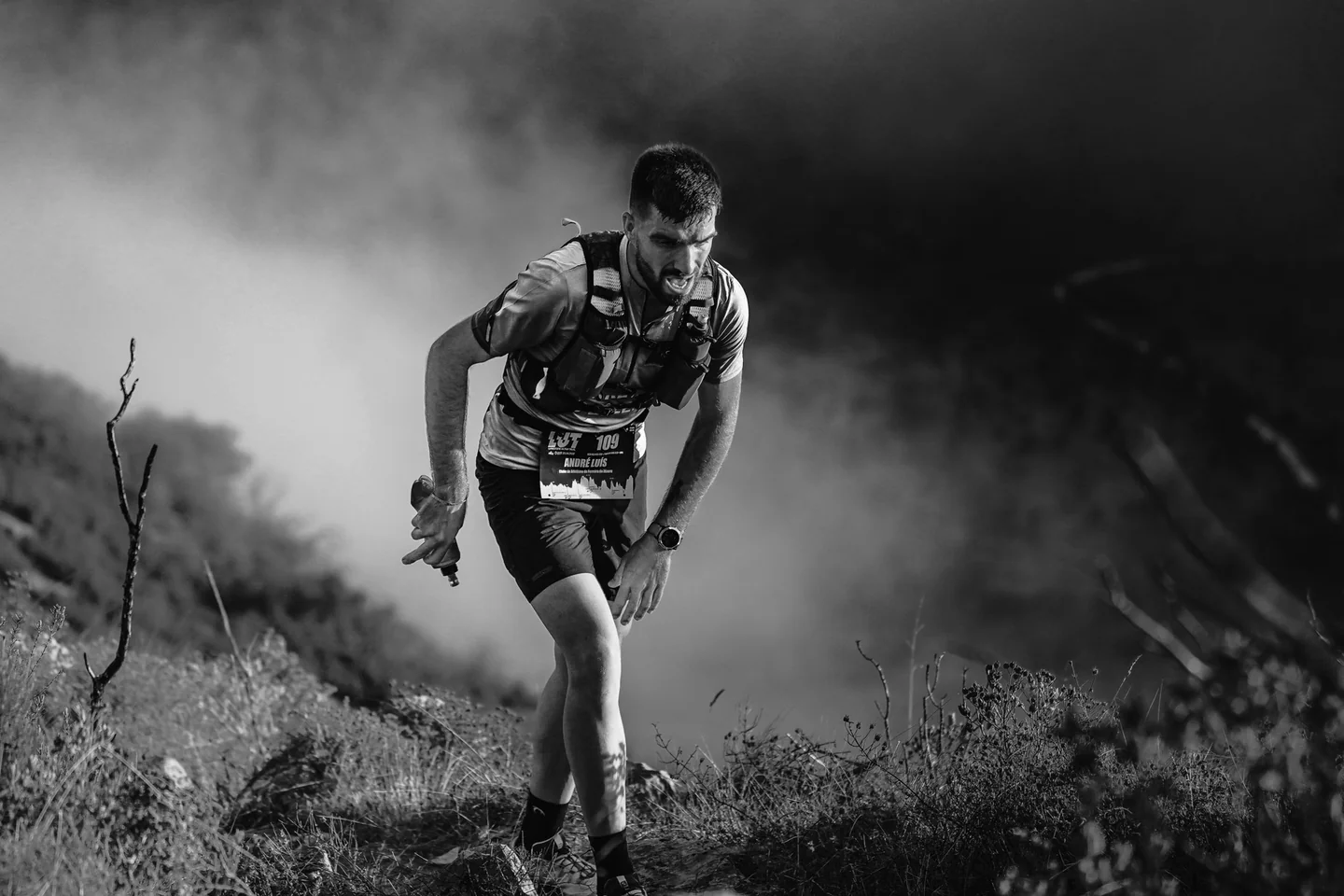
The Ruta de las Fortalezas 2025 draw marked the first major filter in an event that once again drew very high demand in Cartagena. The organizers opened the process with more than 4,000 places for the main distance and set a route of about 53 kilometers, passing coastal batteries, castles, hills, and urban stretches that make this race one of the most recognizable on Spain’s ultrarunning calendar.
The race was held on Saturday, April 5, 2025, and the bib for the main event cost 45 euros, with a 2-euro discount for people with a federation license. At the same time, a shorter route of 26.74 kilometers was maintained, with 916 meters of positive elevation gain, designed as a shorter but equally demanding alternative within the same Cartagena landscape.
A draw that determines access to a highly in-demand race
Registration was not handled on a first-come, first-served basis, but through a pre-registration and draw system that is now part of this event’s identity. In 2025, the Cartagena City Council announced that bib numbers 28 through 4095, inclusive, would be entered into the allocation of spots for the main race, making the huge pressure of applications clear for an event with sporting, tourism, and symbolic appeal.
That mechanism did more than distribute access; it also shaped the runner’s emotional rhythm. First came pre-registration, then the draw, and finally payment of the fee for those who secured a place. The logic is simple and at the same time ruthless: being registered does not guarantee a start, and being on the reserve list does not mean being completely out, because withdrawals open the door to new allocations.
The system also introduced a very specific timeline. Pre-registration ran from January 9 to January 23, 2025, the draw took place on January 24, and the payment deadline ran until February 3 at 11:59 p.m. That compressed schedule makes it essential to stay alert to confirmation emails, application status, and possible movements on the waiting list.
How much it cost to take part and what registration included
The official fee for the main race was 45 euros, a figure that places the Ruta de las Fortalezas in the usual range of major mountain and endurance races. For licensed runners, the 2-euro discount was a small amount, but useful in an event where demand far exceeds the number of places available.
Registration was not just a key to the bib. It included timing, runner’s bag, commemorative T-shirt, aid stations along the course, access to the post-finish area, commemorative medal, and a finisher garment for those who completed the race. It also covered baggage storage, showers, medical support, and insurance, a package of services that explains part of the cost and format of the race.
In a 53-kilometer race, logistics weigh almost as much as the legs. The runner is not paying just to run; they are paying to enter a closed structure that moves buses, checkpoints, timing, hydration points, and an organization closely coordinated with the military and municipal environment. That framework is one of the reasons the event maintains its reputation and order even in a massive edition.
What route awaited the runners in Cartagena
The Ruta de las Fortalezas is, above all, a landscape race. The start was set at the port of Cartagena, next to Paseo de Alfonso XII, and from there the course linked together places that mix history and elevation: coastal batteries, castles, Monte Calvario, Sierra Gorda, Molinete, Castillo de los Moros, Cerro de la Concepción, the Fajardo batteries, Galeras and San Fulgencio, as well as Castillo de la Atalaya.
The main route was about 53 kilometers and accumulated around 1,666 meters of positive elevation gain, with an estimated duration of 12 hours without rest. The figure is no small matter: this is not a fast trail, but a long, broken experience that is very punishing on the muscles. The changes in terrain, from pavement to paths and tracks, demand careful effort management and a very prudent use of energy.
The 26.74-kilometer half-route offered another way into the same universe, with 916 meters of climbing and a maximum time of 6 hours. That distance, though shorter, still preserves the essence of the race: a succession of climbs and descents that turns Cartagena into a small war map for the legs. The result is an ultrarunning race, yes, but also a lesson in urban and military geography.
The reserve list, reassignments, and the importance of not missing the email
The reserve list was not just a catch-all, but a central part of the process. Those who did not secure a bib in the draw remained waiting for withdrawals and reassignment opportunities, a system that in recent years has freed up bibs in several rounds. In the organization’s documentation and communications, first, third, and fourth reassignments were mentioned, a sign that the movement of spots can last for weeks.
That dynamic has a very specific effect on runner behavior. Anyone on the reserve list must keep their email, spam folder, and identification documents active and ready, because an allocation can arrive with a short payment deadline. The rules also covered bib transfers and other regulatory updates, two important mechanisms to avoid empty spots in a race that wants to reach the finish line with a full field.
In 2025, there were also notices about reserved bibs for participants in the Carthago Mountain League, always subject to the strict requirements of the specific regulations. That reveals the extent to which the Ruta de las Fortalezas has gone from being a simple race to becoming a system with several layers of access, loyalty, and sporting priority.
Why Cartagena makes this race something different
The uniqueness of the Ruta de las Fortalezas is not only in the distance. It is in the way the city opens up and toughens up at the same time. The runner climbs the hill and descends into the city center, looks out to sea, and enters an itinerary of stone, wind, and history that is unlike a classic mountain trail or a conventional urban race.
The race also has a strong institutional imprint. It was born through the initiative of the Cartagena City Council and the Armed Forces, with the support of a specific sports club. That backing explains the combination of logistical discipline, symbolic weight, and heritage sensitivity that defines it. Few races blend physical effort and reading the territory so naturally.
The charitable character highlighted by the organizers for years also matters. According to data released by the City Council, 539,000 euros had been donated to charitable organizations in previous editions. That figure helps explain why the event goes beyond the strictly sporting circuit and becomes a citywide occasion.
How the race felt from the inside and what it demanded of runners
Those who have run the Ruta de las Fortalezas know that success depends on more than just training elevation gain. The course requires effort management like a long crossing: early climbs on cold legs, downhill sections that tempt runners to let go, and a final stretch in which the accumulated fatigue takes its toll. Over a distance like this, the body challenges every decision made in the previous kilometers.
Aid stations appeared roughly every 5 to 7 kilometers, offering fluids and, in some cases, solid food. That density is decisive in an effort lasting many hours, but it also sets a basic race rule: waste must go in the bin. The organizers insisted that throwing trash on the ground not only harms the environment, but can also cause slips and falls. Cleanliness, in this case, is a matter of safety as well as environmental respect.
The finish did not end at the finish line. There was a post-race area with free food and drinks, a much-appreciated detail in a race where the strain can leave more than one runner feeling as though they had crossed a small urban desert. That final section works as both a physical and social buffer: the runner sits down, catches their breath, and recognizes what they have done.
What future participants should keep very much in mind
The 2025 experience left several useful lessons for future editions. The first is that pre-registration is mandatory and does not guarantee a place. The second is that the time window is short and leaves no room for mistakes. The third is that the race relies on a digital notification system that punishes inattention and rewards administrative diligence almost as much as physical fitness.
It also became clear that the organizers place a high priority on participant traceability. A QR code and official ID were required to collect the bib, teams were formed on the day of bib pickup, and the collection schedule was detailed for Plaza Mayor in Cartagena, from 6:30 a.m. to 7:45 a.m. on race day itself. That level of precision speaks to a race in which logistics are as important as preparation.
From a sporting perspective, the Ruta de las Fortalezas does not fool anyone: it is a long, hard event that is very exposed to heat, wind, and accumulated fatigue. But it is also one of the few races in which runners feel they are moving through the biography of an entire city. Cartagena does not merely host the race; it frames it, explains it, and elevates it with its walls, its climbs, and its stone memory.
A race that keeps growing between the draw and the legend
The Ruta de las Fortalezas 2025 draw was not just a formality, but the first chapter of an event that brings together thousands of runners and tens of thousands of sets of eyes. The mix of difficulty, heritage, and organization explains why so many names reappear each year in the reassignments, why the reserve list keeps hope alive until the end, and why the race continues to hold its own place on the national calendar.
Some races are run for time, others for elevation, and a few for what they represent. This one belongs to that last group. The bib here opens a door, yes, but it also places the runner inside a broader story: a coastal city built on fortifications, a start line beside the Mediterranean, and a finish that tastes of hard work, worn-out legs, and a landscape earned meter by meter.
That is why, beyond the draw, the fee, or the waiting list, the Ruta de las Fortalezas retains a rare value in Spanish trail running: making effort a way to read Cartagena. And that, in a mass-participation race, is a rarity that continues to attract runners from all over the country.
You may also like: Fortress Route 2026: registration, dates, and bib numbers.



How to prevent thigh chafing: causes and real solutions

Women’s running windbreakers: seven jackets and how to choose

Do more workouts get rid of soreness? A guide for runners

Jaén Half Marathon 2026: Record 3,800 Runners Registered

Men’s short running tights: how to choose the right pair

World Triathlon confirms data breach involving medical data

Izan Edo targets podium at Miyazaki World Cup

María Pérez ranks ninth in World Athletics’ 2026 top ten

Dos Santos, Duplantis and Sawe: World Athlete of the Year finalists

San Silvestre Vallecana 2026: 42,000 places, prices and start times

 Races3 months ago
Valencia Half Marathon 2027: date and registration

 Races3 months ago
Valencia Marathon 2026: entry, ballot and course

 Reviews and Comparisons4 months ago
Asics Gel-Roadmiles 3 for men: review and current price

 Reviews and Comparisons4 months ago
Asics Gel Sonoma 8 Gore-Tex: complete analysis for trail and rain

 Sneakers3 months ago
Saucony Endorphin Pro 4: full review and verdict

 News5 months ago
Strava API 2026: what changes for clubs, challenges and runner apps?

 Reviews and Comparisons5 months ago
Nike Alphafly 3: opinions, sensations, and real key points

 Reviews and Comparisons4 months ago
Under Armour running shoes review 2025-2026: models and key features

 Sports Equipment4 months ago
Shoe sizes in cm: a clear guide to getting the right fit for your footwear

 Sneakers3 months ago
Skechers GO RUN Consistent 2.0 analysis: comfort and limits

 News5 months ago
Valencia Marathon 2026 route: key tips to train and run better

 Sneakers4 months ago
Adidas Adizero Boston 13 for men: review and verdict