Routes
Accessories for runners: routes, areas and tips with useful advice
A clear guide to choosing useful gear, avoiding unnecessary purchases, and running with more comfort and safety.

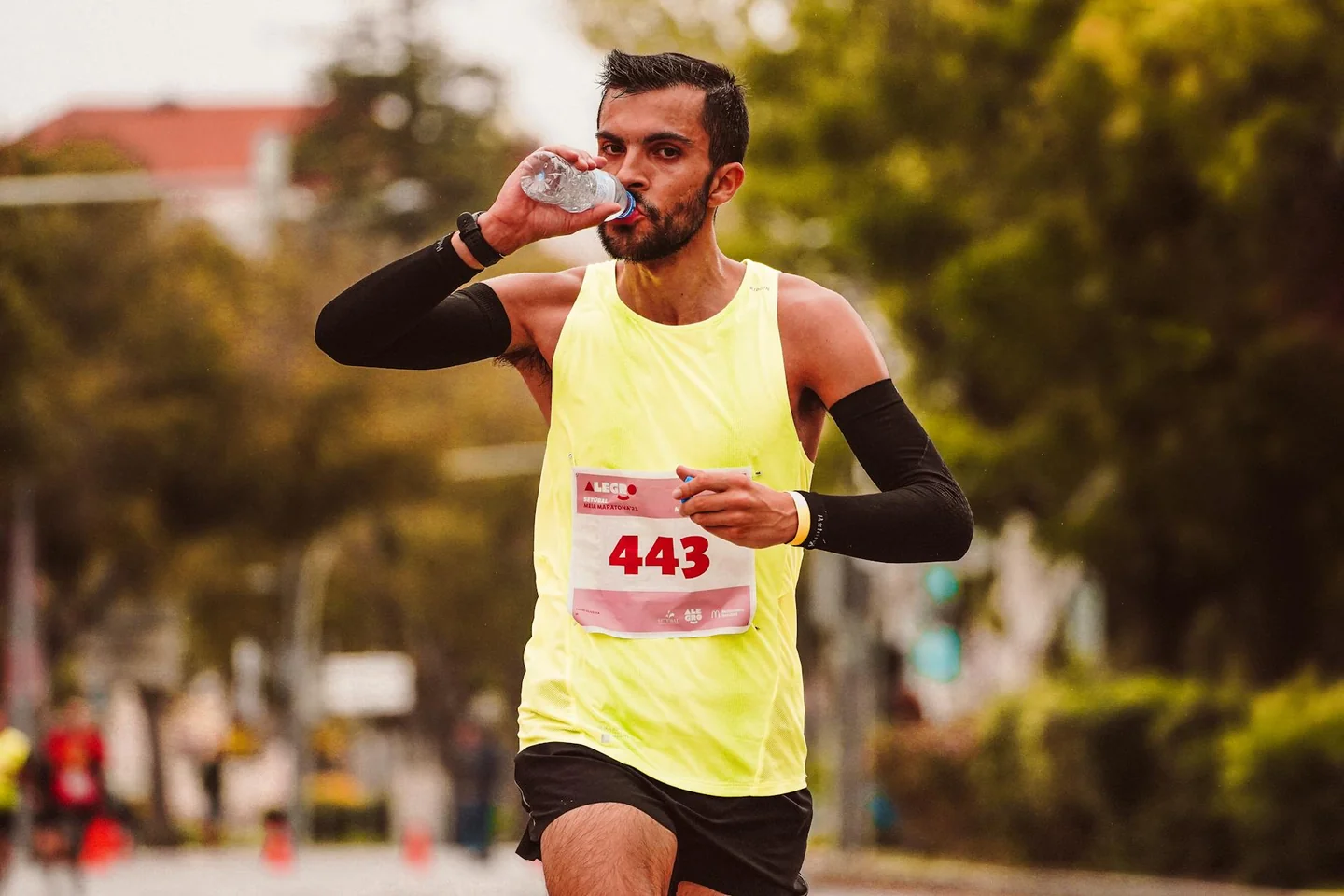
Imagen: RUN 4 FFWPU / Pexels
The right accessories can completely change the running experience. They don’t work miracles or replace training, but they do solve very specific frictions: carrying your phone without it bouncing around, hydrating without stopping every few kilometers, seeing and being seen at night, or avoiding chafing that ruins a long run. In an increasingly broad market, the real value lies in choosing pieces that bring comfort, safety, and functionality—not in piling up objects that end up forgotten in a drawer.
Most runners don’t need a backpack full of gadgets to head out and add up the miles. What really makes the difference usually fits in a small pack: a well-chosen pair of shoes, socks that don’t punish the foot, a garment that manages sweat and, depending on the distance or the time, some accessory that solves a specific problem. The rest belongs in the display case, not on the asphalt.
What good auxiliary gear really brings
The best accessory is the one that disappears while you run. That idea sums up well the criterion many experienced runners use: a useful piece doesn’t draw attention to itself, but rather to how little it gets in the way. A belt that doesn’t move, a cap that wicks sweat without soaking your forehead, or a visor that reduces glare in summer are noticed precisely because they stop being a problem. Comfort, in running, is often a form of efficiency.
The function of these accessories is divided into three main fronts:
- Storage: carrying phone, keys, gels, or a small bottle without a conventional backpack.
- Hydration: essential for long workouts, hot days, or trail running.
- Safety: lights, reflective bands, and visible clothing for running with less risk on roads, at dusk, or dawn.
From there, other pieces aimed at support, comfort, and recovery appear, such as technical socks, arm sleeves, calf sleeves, or insoles. The market reflects those priorities—best-selling products are usually those that solve recurring annoyances, like slim waist packs, lightweight hydration vests, bib clips, and padded socks that reduce blisters. An accessory earns its place when it saves mental energy and small gestures during the run.
Essentials for every runner
Shoes: the starting point that doesn’t allow shortcuts
Shoes are the only accessory whose importance is not up for debate. They absorb every impact and most influence daily comfort. A bad choice leads to chafing, fatigue, or injury. You don’t need the most expensive models to start, but you do need a proper fit, a last that doesn’t squeeze, and a midsole suited for your use.
Scientific evidence links poorly fitting or degraded footwear to overuse injuries in recreational runners. On asphalt, shoes usually last between 500 and 800 kilometers, depending on weight, running technique, surface, and frequency of use. Foam degrades gradually, so it’s important to monitor wear over time.
Good fit matters more than flashy technology. Leave room in the toe box, hold the heel firmly, and avoid pressure on the forefoot. Trying shoes at the end of the day, when feet are slightly swollen, helps find the right size. For most recreational runners, a daily training shoe covers almost everything; later, a second lighter or more responsive pair can be added for specific sessions.
Socks and technical clothing: the difference between running and suffering
Running socks are often underrated. They cost much less than shoes but can completely change the experience by reducing friction, managing sweat, and stabilizing the foot inside the shoe. Cheap cotton socks get soaked, bunch up, and increase blister risk, while technical socks follow the stride without becoming a burden.
The same applies to clothing. What matters is not how flashy it looks but how well it dries and prevents irritation. Technical or merino fabric, flat seams, and lightweight materials perform better than garments that hold moisture against the skin. On long runs, this detail becomes decisive. Sweat itself isn’t the problem; the problem is when it remains on the skin, cooling you down or rubbing like fine sandpaper.
Layering is important when temperatures drop. Dressing with slightly less warmth than seems necessary usually works well: initial discomfort fades once the body warms up. Three thin layers perform better than a single thick one, allowing better heat regulation. Caps or visors aren’t just aesthetic gestures; they help control sun and sweat on the face.
Carrying your essentials: phone, keys, and more
The phone has gone from an extra to something almost inseparable. It’s used to listen to audio, follow routes, record workouts, or for safety. The question is not whether to carry it, but how.
Waist belts and fanny packs
Waist belts and slim-profile fanny packs are the most common solution to carry phones and keys comfortably. They feature snug compartments, sweat-resistant fabrics, and sometimes spaces for cards or gels. Many models offer multiple pockets, holders for phones of all sizes, and closures designed to prevent bouncing.
Bounce is more tiring than weight. A 100-gram accessory that isn’t secured properly is more annoying than a bulkier but stable one. That’s why elastic belts with secure fit are preferred by many runners.
Arm bands
Arm bands still make sense for those wanting to free up the waist. Their popularity depends on session type and personal preference. They’re more useful in short workouts or when the phone needs to be in a fixed, accessible position. However, as gear load increases, belts or vests offer better weight distribution, preventing constant pressure on the same spot.
Bib clips
Bib clips have grown popular, especially in races and triathlons. They’re discreet, reusable, and avoid poking holes in shirts with safety pins. In rainy, windy, or nervous pre-race conditions, bib clips simplify securing the bib, saving precious pre-start time and stress.
Hydration on the road and in the mountains
Hydration is a cornerstone of accessories for medium and long distances. On pavement, a belt with small bottles may suffice for moderate runs. In trail running or marathons in hot weather, hydration vests become essential tools.
Popular hydration vests integrate one or two soft flasks of 500 ml or a 1.5-liter reservoir, plus pockets for nutrition, phone, and a light windbreaker. The key is balancing autonomy and stability: carrying too much slows you down.
Soft flasks are lightweight and fold as they empty, replacing rigid containers for a cleaner, less bouncy feel. Over half-marathon or marathon distances, especially in mountains, the stability margin is as appreciated as water itself.
Modern vests have improved ergonomics with adjustable chest straps, front phone pockets, reflective elements, and environmentally certified materials (e.g., Global Recycled Standard). Today’s runners value comfort as much as sustainability, seeing it as a buying criterion, not just marketing.
Not every workout requires carrying water. Runs under an hour in mild temperatures can be hydrated before and after. Hydration becomes essential when duration exceeds 60 minutes, heat is intense, or effort demands fluid and salt replenishment on the move.
Visibility, light, and safety when night falls
Running at night means making yourself visible before focusing on performance. LED lights, luminous armbands, and reflective vests have moved from occasional add-ons to central gear in many cities. Poorly lit roads, bike lanes with traffic, or rural paths illustrate why safety depends not only on seeing the ground but on being seen by cars, bikes, and pedestrians.
The best solutions combine high visibility and freedom of movement. Rechargeable armbands, light-up bands, or vests with integrated lighting let you run hands-free. Many models offer several lighting modes, adjustable beam angles, and water resistance certifications like IPX4, suitable for light rain or sweat.
In Spanish cities, especially during winter or with extended work hours, training often happens in low-light conditions. Reflective accessories serve an urban function: they’re not a whim but an essential safety layer. A visible runner signals movement before the sound of footsteps reaches surroundings, crucial at crossings, roundabouts, and shared walkways.
Protection from sun, heat, and chafing
Summer multiplies the importance of lightweight, breathable accessories. Caps, visors, sports sunglasses, and cooling towels become indispensable as temperatures rise. A ventilated cap manages sweat and sun; a visor lets heat escape more easily; UV-filter sunglasses reduce glare and protect against dust or wind. These benefits improve comfort and terrain reading, which stabilizes your stride.
Sun protection is critical during midday or on routes without shade. Polarized sunglasses that fit well prevent visual fatigue on bright pavement or open surfaces. Cooling headbands and damp microfiber towels don’t replace hydration but help lower perceived temperature. On sticky days, small reliefs matter.
Less visible but equally important is chafing prevention. Friction can ruin long runs, making anti-chafing balms, creams, or protective tapes valuable additions to your kit.



How to prevent thigh chafing: causes and real solutions

Women’s running windbreakers: seven jackets and how to choose

Do more workouts get rid of soreness? A guide for runners

Jaén Half Marathon 2026: Record 3,800 Runners Registered

Men’s short running tights: how to choose the right pair

World Triathlon confirms data breach involving medical data

Izan Edo targets podium at Miyazaki World Cup

María Pérez ranks ninth in World Athletics’ 2026 top ten

Dos Santos, Duplantis and Sawe: World Athlete of the Year finalists

San Silvestre Vallecana 2026: 42,000 places, prices and start times

 Races3 months ago
Valencia Half Marathon 2027: date and registration

 Races3 months ago
Valencia Marathon 2026: entry, ballot and course

 Reviews and Comparisons4 months ago
Asics Gel-Roadmiles 3 for men: review and current price

 Reviews and Comparisons4 months ago
Asics Gel Sonoma 8 Gore-Tex: complete analysis for trail and rain

 Sneakers3 months ago
Saucony Endorphin Pro 4: full review and verdict

 News5 months ago
Strava API 2026: what changes for clubs, challenges and runner apps?

 Reviews and Comparisons5 months ago
Nike Alphafly 3: opinions, sensations, and real key points

 Reviews and Comparisons4 months ago
Under Armour running shoes review 2025-2026: models and key features

 Sports Equipment4 months ago
Shoe sizes in cm: a clear guide to getting the right fit for your footwear

 Sneakers3 months ago
Skechers GO RUN Consistent 2.0 analysis: comfort and limits

 News5 months ago
Valencia Marathon 2026 route: key tips to train and run better

 Sneakers4 months ago
Adidas Adizero Boston 13 for men: review and verdict