Routes
Running accessories: routes, areas and helpful tips
Which extras really make a difference when running and which depend on the weather, distance and type of run.

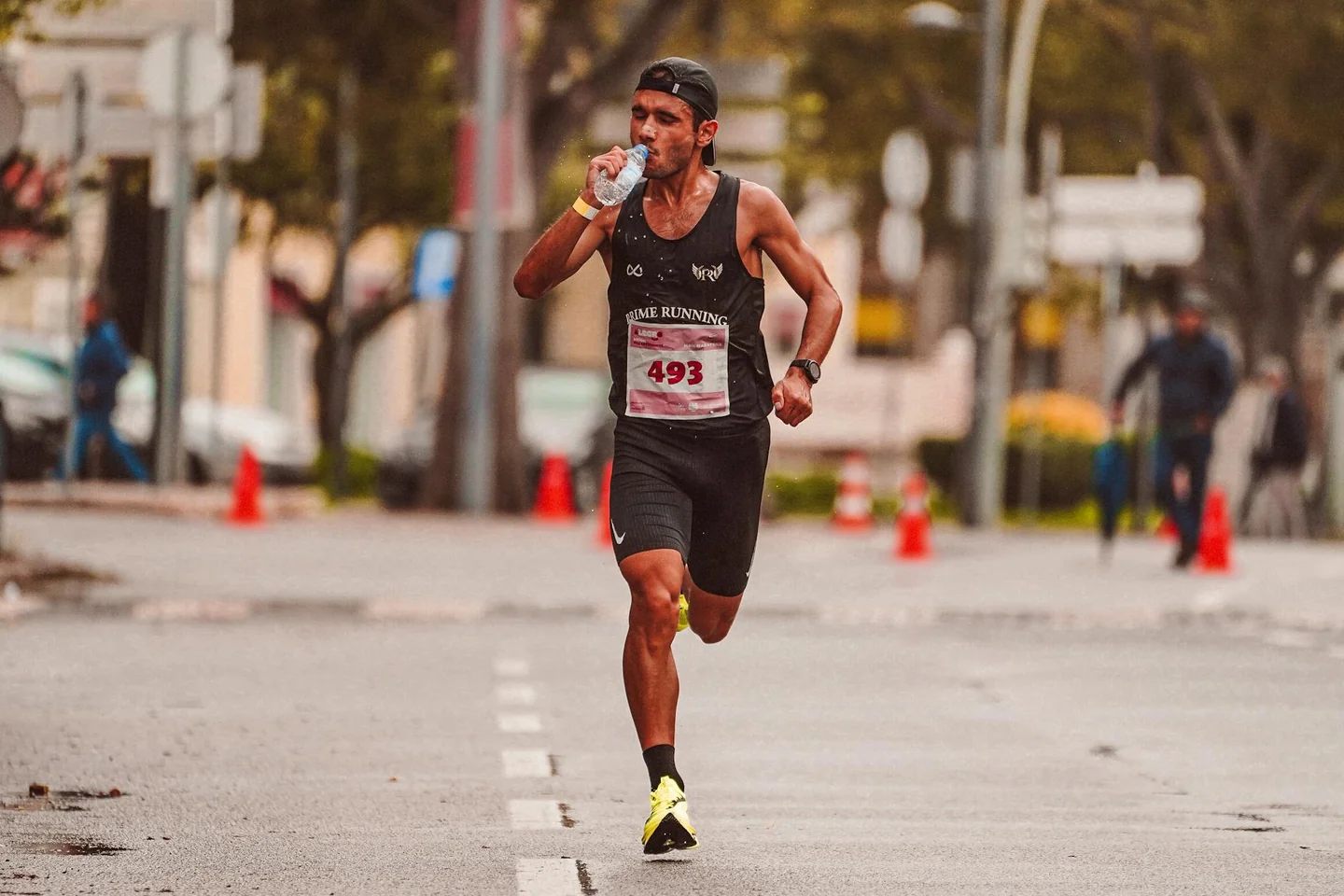
Imagen: RUN 4 FFWPU / Pexels
Running accessories: routes, areas and tips with useful advice
Running accessories have stopped being a simple aesthetic addition and have become an essential part of the gear that makes the difference during a comfortable, safe and efficient run. From technical caps and reinforced socks to hydration belts, compact backpacks, arm sleeves, visors and headlamps, the market offers a wide variety of products that respond to very specific needs: protection from the sun, carrying just what is necessary, reducing chafing or increasing visibility as evening falls.
The key is no longer to accumulate gear, but to choose wisely. An urban runner who trains for half an hour at dawn does not need the same things as someone taking on a long mountain run. That difference explains why accessories have become so sophisticated, refining fabrics, fastenings, adjustment systems and reflective elements until these small objects have become highly considered pieces, almost like precision tools.
The real function of accessories during a run
A useful accessory solves a specific problem. In running, usefulness takes many forms: a cap keeps the sun from hitting your face directly, a well-fitted belt leaves your hands free and technical socks reduce the friction that leads to blisters. Everything starts there, with the runner’s physical experience, which is much more sensitive to detail than that of participants in other endurance sports.
The trend in recent years has been clear: the most valued items are those that provide comfort without getting in the way. That is why packable, foldable and lightweight garments are so successful, as they can be stored in a pocket or around the waist with barely any added bulk. Breathable materials, soft seams and silicone bands that prevent a piece from shifting with sweat have also become increasingly popular. In a repetitive discipline such as running, any rubbing is amplified over the miles.
It is worth looking at these products with a practical mindset. Runners usually notice what bothers them first, not what works. That is why well-designed accessories go almost unnoticed: they manage sweat, hold without squeezing, protect from the wind or distribute the load steadily. They are not looking for attention, but to eliminate small sources of friction that, added together, end up spoiling an entire workout.
Technical socks: the detail you notice most
The sock is probably the most underestimated accessory and, at the same time, one of the most decisive. A technical model with reinforcements in the heel, toe and midfoot helps stabilize the foot inside the shoe, reduces internal movement and limits chafing. On long runs, that difference becomes a more consistent feeling of support, as if the foot were held more securely within the whole setup.
Today’s range of technical socks includes low-cut, mid-calf and high versions, as well as compression models designed to provide more noticeable pressure and a firm feeling of support. Compression does not work miracles, but it can provide a useful feeling of containment for some people, especially during long sessions or when the muscles are already fatigued.
What matters is not the marketing label, but three essential factors: that the fabric wicks moisture well, that the seam does not cause discomfort and that the sizing is right. A small sock can compress too much, while an oversized one may bunch up inside the shoe—two equally uncomfortable situations. Runners who have suffered from blisters tend to pay more attention to this point than almost any other, and rightly so: when your feet start complaining, the entire workout suffers.
Caps, visors and protection from the sun
Heat and solar radiation completely change the experience of running outdoors. A technical cap or visor helps shade the face, divert sweat away from the eyes and maintain a more manageable thermal sensation in summer. They are not decorative accessories; they serve an almost physical purpose, creating a barrier between the runner and the surroundings, especially valuable on open asphalt or courses without shade.
Caps with laser-cut perforations or highly ventilated panels are gaining ground because they solve the dilemma between coverage and coolness. They provide coverage without suffocating. Visors, on the other hand, leave the head more exposed and are common on very hot days or among runners who prioritize extreme lightness. Each format responds to a different preference, although both share the idea of preventing the weather from forcing the body to spend extra energy.
There is also a safety aspect. Running with the sun directly ahead can alter your perception of the terrain, force your facial expressions and increase visual fatigue. On early-morning or evening routes, when the light changes quickly, these accessories act as an effective filter. They do not turn a tough run into an easy one, but they reduce the environmental noise that accompanies the effort.
Arm sleeves and lightweight garments for regulating temperature
Arm sleeves are one of those inventions that seem secondary until you try them in heat, wind or sudden changes in the weather. They cover the arms without the need for a thicker shirt and let you adjust to the temperature flexibly. You can put them on at the start of the session, pull them down, pull them back up or remove them without slowing your pace too much—a major advantage on days with changing weather or workouts that begin cool and end under the sun.
Their value goes beyond warmth: they help manage sweat and provide a light layer against chafing, especially for runners who experience irritation from certain garments. Models with silicone finishes or precise adjustments at the top prevent the piece from slipping as the arms move. The fit matters just as much as the fabric: an arm sleeve that moves loses its functionality and becomes a distraction.
This type of accessory works well for long sessions, trail training or races with changing weather conditions. In Mediterranean areas, where a mild morning can turn into a scorching midday, that adaptability is worth its weight in gold. Lightweight clothing does not just weigh less; it also makes it easier to read your body and the environment without carrying an extra jacket.
Neck gaiters and thermal hats
Neck gaiters provide a light barrier to protect the throat and nape, areas that are especially sensitive to the cold. In winter, a thin or thermal tube can make all the difference without adding bulk. Their price usually ranges from 15 to 20 euros for basic models, and slightly more for thermal versions or those made with special fabrics.
Thermal hats serve a similar purpose, protecting the head without overheating it. They are essential in endurance sports, where thermal comfort without excess weight is key to maintaining performance and a feeling of well-being.
Belts, backpacks and the logistics of carrying what you need
Running with something on you is no longer exclusive to elite athletes or ultra-distance runs. More and more runners use belts, compact backpacks or bib holders to carry water, gels, keys, a phone or an extra layer. This normalization reflects the variety of today’s training sessions, where a short run can coexist with long workouts, trail routes or urban outings without aid stations.
Belts have evolved towards highly stable designs, with elastic pockets and materials that reduce bouncing. In trail running, they include systems for securing poles, several compartments or improved weight distribution. The design obsession is stability: nobody wants to feel the load shifting with every stride. When the fit fails, the discomfort multiplies within minutes.
Technical backpacks serve a different purpose: they distribute weight evenly and allow you to carry more volume without losing mobility, which is essential on long routes or days with uncertain weather. The difference between a simple sack and a backpack designed for running lies in the ergonomics, back ventilation and ability to adapt to the body in motion.
Adapting accessories to the terrain and weather
Running accessories are not universal; the choice depends on the actual context in which they will be used. On asphalt, many runners prioritize lightness, breathability and almost imperceptible adjustments. In trail running, logistics become more important: carrying water, nutrition, a light layer or poles requires more technical and stable pieces.
The weather also influences the selection. In Mediterranean areas, where intense heat and humidity coexist with coastal winds and cold seasons, accessories need to be versatile and adaptable. For example, packable or foldable garments make it possible to adjust your clothing quickly without stopping your pace.
Conclusion
Running accessories are key tools for improving comfort, safety and efficiency on every run. It is not about accumulating gear, but about choosing wisely according to the type of workout, its duration, the terrain and the weather conditions. From a well-fitted pair of technical socks to a stable belt or a ventilated cap, each accessory contributes a small detail that, added together, can make all the difference to the runner’s experience.



How to prevent thigh chafing: causes and real solutions

Women’s running windbreakers: seven jackets and how to choose

Do more workouts get rid of soreness? A guide for runners

Jaén Half Marathon 2026: Record 3,800 Runners Registered

Men’s short running tights: how to choose the right pair

World Triathlon confirms data breach involving medical data

Izan Edo targets podium at Miyazaki World Cup

María Pérez ranks ninth in World Athletics’ 2026 top ten

Dos Santos, Duplantis and Sawe: World Athlete of the Year finalists

San Silvestre Vallecana 2026: 42,000 places, prices and start times

 Races4 months ago
Valencia Half Marathon 2027: date and registration

 Races4 months ago
Valencia Marathon 2026: entry, ballot and course

 Reviews and Comparisons4 months ago
Asics Gel-Roadmiles 3 for men: review and current price

 Reviews and Comparisons4 months ago
Asics Gel Sonoma 8 Gore-Tex: complete analysis for trail and rain

 Sneakers3 months ago
Saucony Endorphin Pro 4: full review and verdict

 News5 months ago
Strava API 2026: what changes for clubs, challenges and runner apps?

 Reviews and Comparisons5 months ago
Nike Alphafly 3: opinions, sensations, and real key points

 Reviews and Comparisons4 months ago
Under Armour running shoes review 2025-2026: models and key features

 Sports Equipment4 months ago
Shoe sizes in cm: a clear guide to getting the right fit for your footwear

 Sneakers3 months ago
Skechers GO RUN Consistent 2.0 analysis: comfort and limits

 News5 months ago
Valencia Marathon 2026 route: key tips to train and run better

 Sneakers4 months ago
Adidas Adizero Boston 13 for men: review and verdict