Sneakers
Marathon shoes for first-time runners: what to choose to finish in one piece already
Keys to choosing your first pair of marathon shoes with comfort, support, and good judgment, without falling into beginner mistakes.

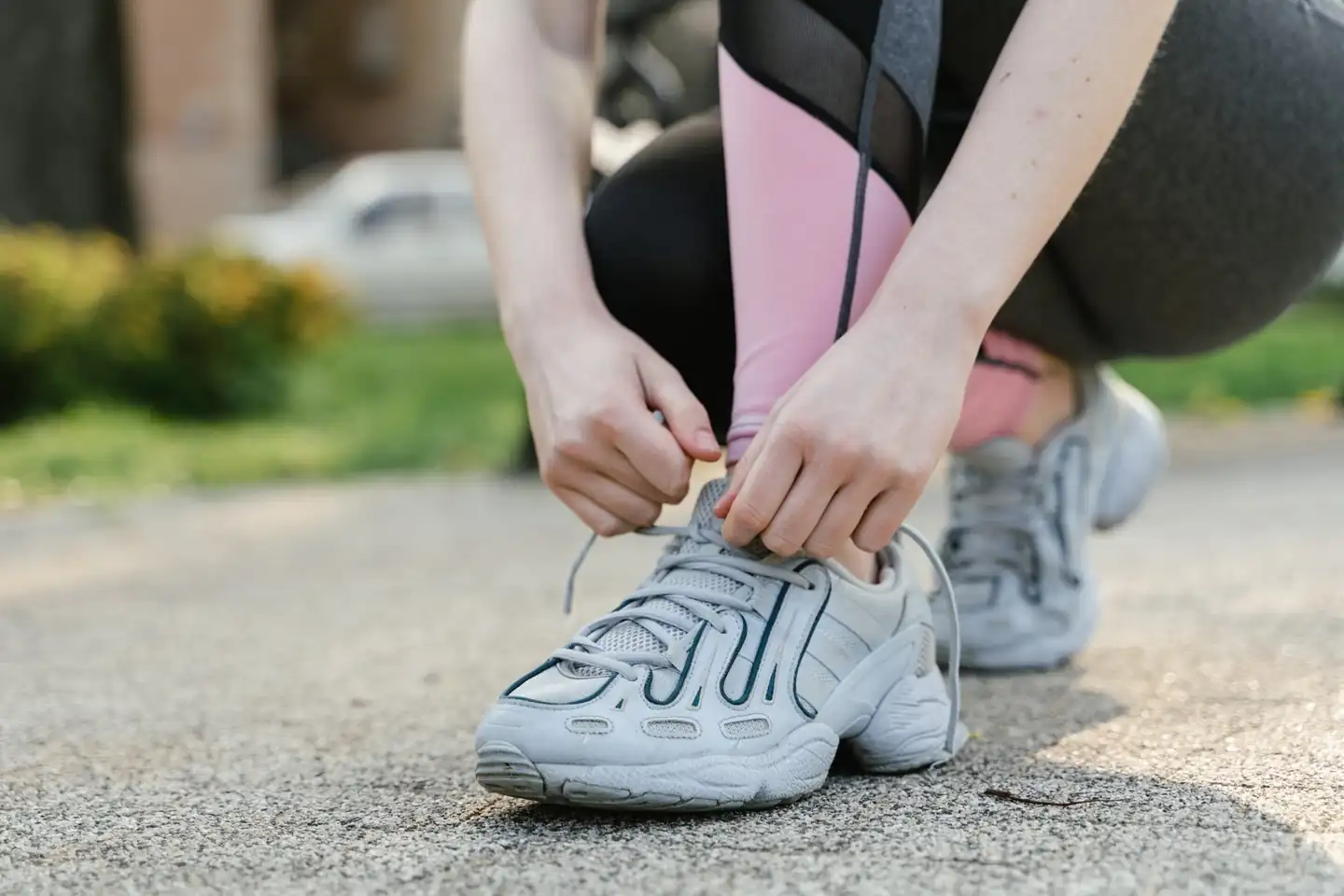
The first marathon is not decided only in the training plan. It is also played out in the feet, where a poorly chosen pair can turn 42.195 kilometers into a constant negotiation with blisters, fatigue, and technique that is still being refined. For a first-timer, the ideal shoe is usually the one that makes itself felt just enough: it cushions, supports, and accompanies without imposing an overly aggressive character.
On that border between caution and ambition, the most sensible choice is to go for a daily training shoe, with good cushioning, a stable base, a comfortable fit, and predictable behavior. The more radical options, like carbon-plated racing shoes, usually offer more than a novice marathoner needs at easy paces and, instead, demand a running economy that has not yet taken root.
What a marathon debutant really needs
The first marathon punishes more through accumulation than through intensity. The distance does not forgive small fit issues, midsoles that are too firm, or narrow lasts that squeeze when the foot swells in the final kilometers. That is why the best starting point is usually not the fastest shoe on the shelf, but the one that offers a well-rounded feel from easy runs to long runs.
In practice, this translates into a very specific combination: enough cushioning to protect against impact, a geometry that does not force you to fight every stride, and an outsole that does not fall apart if rain or wet asphalt shows up. In a marathon debut, comfort rules because fatigue multiplies any discomfort. What is barely noticeable in a 10K can feel like a stone inside the sock at kilometer 32.
It is also worth thinking about the actual race pace. Most people making their marathon debut are not looking to fly, but to hold on. That favors daily training models with a medium or high drop, often between 8 and 10 mm, because they tend to be kinder to heel strikers and to runners who still do not have a very refined technique. The body appreciates that smoother transition, especially when the musculature has not yet absorbed the training volume that the distance demands.
The last, the drop, and the cushioning matter more than the logo
Fit should come before aesthetics. A shoe with an impeccable spec sheet can ruin a marathon if it pinches in the toe box, rubs on the instep, or leaves the heel too loose. In a long race, the foot usually expands, the temperature rises, and friction becomes persistent. That is why the toe box needs some room, without letting the foot dance around inside the chassis.
Cushioning, for its part, should not be confused with absolute softness. A very plush foam can seem pleasant in the store, but if it sinks too much it can reduce stability when fatigue and changes of support appear. What is desirable is a comfortable and sufficiently stable midsole, capable of filtering impact without turning every landing into a small jelly hill. In that relationship between protection and control lies a big part of the difference between finishing intact or finishing broken.
The drop matters more than it seems too. A debut runner often comes from walking, the gym, or other sports, and many times lands on the heel. A high or medium-high drop can make that transition easier and take some tension off the calves and soleus. It is not a universal rule, but it is a reasonable shortcut for most profiles making their debut at the distance. Anyone who becomes obsessed with lowering the drop too soon risks loading structures that are not yet ready for that change.
Which models usually fit this distance best
Among the most reliable families for a first marathon are neutral daily trainers. That is where silhouettes known for their balance between comfort and durability come in, such as Saucony Ride, Brooks Ghost, ASICS Gel-Cumulus, Hoka Clifton, New Balance 1080, or ASICS Novablast, each with its own character. Not all of them suit the same runner, but they share a common idea: to carry you through many kilometers without demanding refined technique to work well.
The softer, more protective ones usually appeal to those who prioritize absolute comfort. Models like ASICS Gel-Nimbus or New Balance Fresh Foam X 1080 suit runners who want a lot of protection underfoot and an enveloping feel. The trade-off is that, if the runner is looking for a livelier response, they can feel somewhat heavy or too calm for certain paces. Even so, for a debut marathon and a conservative pace, that calm is sometimes worth gold.
If the profile is more dynamic, there are options that mix softness and snap without becoming too aggressive. ASICS Novablast and Hoka Mach represent that middle ground well: they cushion, but they respond; they protect, but they do not bore. They are interesting for someone who already trains with some consistency and wants a shoe capable of handling easy intervals, steady runs, and long runs without changing partners every week.
On the other hand, when the debut runner pronates more or needs extra guidance, soft stability models come into play. There you will find names like Brooks Adrenaline GTS or ASICS GT-2000, which add structure without being overly intrusive. They are not essential for everyone, but they are very useful if the foot gets sloppy with fatigue, if there is slight overpronation, or if the runner feels more secure with a more guided base.
Why carbon plates are usually not the best entry point
The carbon plate has changed the elite, but it does not fix inexperience. In a debut runner, this type of shoe can feel spectacular for a few kilometers and, at the same time, demand a finer mechanics than the body is still able to provide. Many of these shoes shine when running fast, with a firm stride and good technique, something that does not always fit a first marathon.
They also tend to behave more delicately at slower paces, where stability can suffer and the feeling of control is not as natural. For someone about to live through their first big distance, the goal is not to seek the maximum possible propulsion, but a safe relationship between comfort, control, and durability. In a marathon, the energy that matters most is not the one the foam gives back, but the one the runner saves by not fighting the material.
That does not mean all models with advanced technology are ruled out. Some training shoes include modern foams, a gentle rocker, or reinforcement pieces that improve transition without becoming racing weapons. The difference lies in the tone: helping you run better is not the same as forcing you to run like an elite athlete. For the debutant, that line is worth respecting.
The outsole and the weather can ruin a race or save it
Traction is one of those details you only truly value when the ground changes its mood. A marathon with rain, humidity, or turns over tiles can test the rubber more than any gym session. That is why it is worth looking beyond weight and foam: an outsole with good grip, like those using reliable compounds such as Continental, AHARPLUS, or Pumagrip, brings a very specific peace of mind when the stride is already at its limit.
Durability matters too, even if the debut runner often underestimates it. A solid outsole, with well-distributed rubber, not only holds up better during the training block beforehand, but also maintains the feeling of stability over the kilometers. Very exposed midsoles, typical of some racing models, wear out sooner and suffer more on wet asphalt. In a first marathon, the promise of lightness does not make up for it if the shoe loses consistency right when it is needed most.
Anyone who usually runs in autumn or winter, or trains in cities with frequent humidity, should pay close attention to the outsole. Good grip is not a luxury; it is a silent insurance policy. And in a long race, when the body is already negotiating with fatigue, that security in contact with the ground becomes a very tangible advantage.
Body weight and pace also change the choice
There is no single ideal shoe for all debutants because not everyone arrives at the marathon in the same way. A runner over 80 kilos making their debut at easy paces will usually appreciate a sturdier base, a generous midsole, and a durable outsole. In that profile, cushioning stops being an aesthetic preference and becomes a way to distribute the punishment better.
Someone running under 75 kilos and already moving with ease can tolerate slightly livelier shoes, as long as they do not give up comfort. That is where versatile models fit well, capable of holding medium paces without feeling clumsy. The key is not to oversize the shoe or fall short on protection. In a marathon, the gear should fit like a well-tailored jacket: neither loose nor tight.
Natural cadence and footstrike type also play a role. A debut heel striker will find a higher drop and a platform with a cushioned heel more forgiving, while someone who lands on the midfoot can tolerate smoother transitions and slightly lower profiles. Even so, for a first marathon, caution usually works better than experimentation. The distance already has enough personality without adding more variables than necessary.
Common mistakes that get expensive in the final kilometers
The most common mistake is buying with the ego and not with the distance in mind. A very light or very responsive shoe can seem attractive because it promises fast sensations, but the marathon is nothing like a sprint ad. Fatigue, heat, and dehydration turn the race into a test of mechanical endurance, not a display.
Another frequent mistake is racing in a brand-new model. Even if it seems obvious, the foot needs a few outings to digest the shape, the pressure of the upper, and the foam’s response. A shoe for a debut marathon should have gone through long runs, ideally a workout with enough kilometers to notice how it behaves at the end, when you are no longer running fresh and the support loses precision.
It is also worth avoiding extremes in the last. Toe boxes that are too narrow punish you in the final third of the race, when the foot swells and the toenails become sensitive. Structures that are too soft, on the other hand, can sink and reduce confidence. The best debut usually comes from a smart middle ground: a model that does not dazzle, but does not get in the way either.
Signs that the chosen pair is on the right track
A good choice is recognized because it disappears in the race. Not completely, of course, but it stops demanding attention. If the foot settles in without pressure points, the tongue does not move, the heel stays secure, and the transition from landing to toe-off feels natural, the model is doing its job. It is an almost invisible comfort, like a well-placed scaffold behind a building site.
It also helps if the shoe feels stable when the stride starts to fall apart. In a long run, especially under fatigue, coordination loses precision. That is when you notice whether the outsole is wide, whether the midsole does not twist too much, and whether the upper hugs the foot without suffocating it. That mix of calm and support is usually far more valuable than any spectacular effect in the first ten minutes.
In some cases, the runner even notices they can maintain the same effort with less accumulated tension in the legs and hips. That is the real goal: not to run faster at all costs, but to arrive more intact at the end. For a debutant, the right shoe does not promise miracles; it simply lets the body do its work without adding noise.
What kind of shoe profile usually works best in a first marathon
The most solid recipe combines generous cushioning, medium or high drop, a friendly fit, and a reliable outsole. That combination repeats itself in many of the best-rated daily trainers, and it is no coincidence. The debut marathon rewards predictability, not surprise. The easier the shoe’s behavior is to understand, the less mental and muscular energy will be spent taming it.
For a runner looking to finish with good feelings, a family like Brooks Ghost, ASICS Cumulus, or Hoka Clifton may be more than enough. For someone who wants a bit more snap without losing comfort, Novablast, Mach, or Pegasus offer a very balanced solution. And for someone who needs extra support, an Adrenaline or a GT-2000 brings security without turning the race into an orthopedic structure.
In all cases, the decision should end with a simple question: does this shoe let me add kilometers without reminding me I’m wearing it? If the answer is yes, the candidate deserves to be very high on the list. If the answer is no, no matter how famous the brand is, the model is not made for a first marathon but for another story.
The right choice is not measured by fashion, but by how it lets you finish
A first marathon does not reward the one who buys the flashiest option, but the one who buys with the most sense. The shoe that fits best is usually the one that balances comfort, stability, and just enough responsiveness to keep the experience from feeling heavy. Over such a long distance, that balance is worth more than a list of technologies that sound good on the box but fall apart when fatigue bites.
A debut runner needs a tool that protects without interfering, that accompanies without overcorrecting, and that behaves nobly when the race stops being pretty and starts being serious. That is where the true virtues of good footwear appear: not to dazzle, but to support. Not to promise unlimited speed, but to offer a reliable base on which to build the full 42.195-kilometer experience.
The best shoe for a first marathon is, almost always, the one that lets you think less about your feet and more about getting to the finish. That is the standard that separates an appropriate model from one that is merely famous. And in a race where every detail matters, that difference shows long before the finish line.
Este artículo contiene enlaces de afiliado: si compras a través de ellos, se genera una pequeña comisión sin coste adicional para ti. Más información.



How to prevent thigh chafing: causes and real solutions

Women’s running windbreakers: seven jackets and how to choose

Do more workouts get rid of soreness? A guide for runners

Jaén Half Marathon 2026: Record 3,800 Runners Registered

Men’s short running tights: how to choose the right pair

World Triathlon confirms data breach involving medical data

Izan Edo targets podium at Miyazaki World Cup

María Pérez ranks ninth in World Athletics’ 2026 top ten

Dos Santos, Duplantis and Sawe: World Athlete of the Year finalists

San Silvestre Vallecana 2026: 42,000 places, prices and start times

 Races3 months ago
Valencia Half Marathon 2027: date and registration

 Races3 months ago
Valencia Marathon 2026: entry, ballot and course

 Reviews and Comparisons4 months ago
Asics Gel-Roadmiles 3 for men: review and current price

 Reviews and Comparisons4 months ago
Asics Gel Sonoma 8 Gore-Tex: complete analysis for trail and rain

 Sneakers3 months ago
Saucony Endorphin Pro 4: full review and verdict

 News5 months ago
Strava API 2026: what changes for clubs, challenges and runner apps?

 Reviews and Comparisons5 months ago
Nike Alphafly 3: opinions, sensations, and real key points

 Reviews and Comparisons4 months ago
Under Armour running shoes review 2025-2026: models and key features

 Sports Equipment4 months ago
Shoe sizes in cm: a clear guide to getting the right fit for your footwear

 Sneakers3 months ago
Skechers GO RUN Consistent 2.0 analysis: comfort and limits

 News5 months ago
Valencia Marathon 2026 route: key tips to train and run better

 Sneakers4 months ago
Adidas Adizero Boston 13 for men: review and verdict