Sneakers
Daily training shoes: how to choose well and get it right
Clear guide to choosing a comfortable, stable, and durable model to rack up miles with good judgment and without overspending.

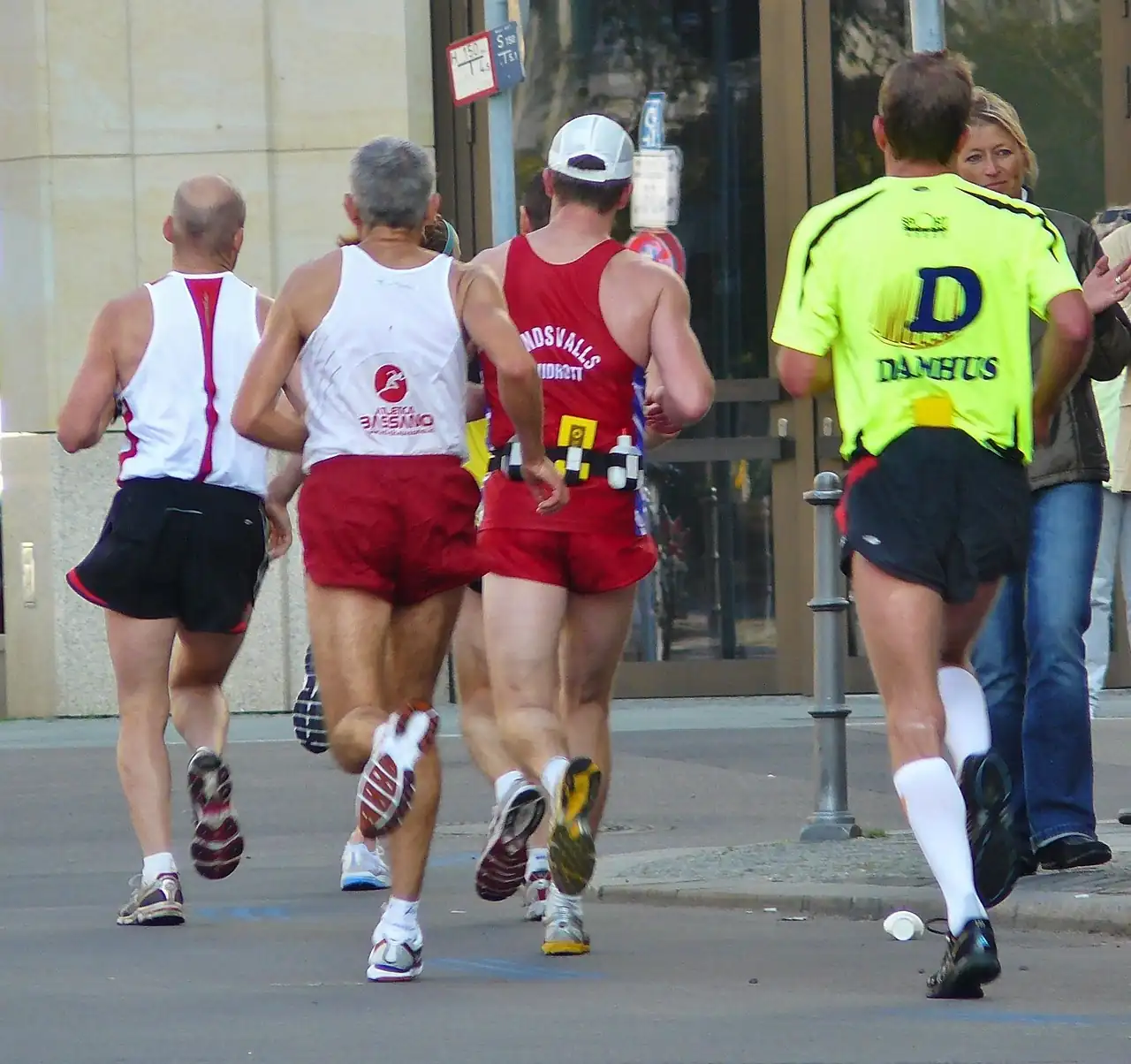
Imagen: stevepb / Pixabay
Daily training shoes are the center of gravity of any road runner’s wardrobe: the ones that rack up the most miles, the ones that take the most punishment, and, in many cases, the ones that end up deciding whether a heavy training week goes smoothly or feels like a drag. Compared with fast or race models, a different logic rules here: protection, comfort, stability, and reasonable durability to keep rolling day after day without every outing feeling like a survival test.
The current range is broad and very different from what it was a few years ago. Today, highly cushioned pairs live alongside lighter, more responsive ones, and some with stability control for those who need extra support. Details that once seemed secondary have also been refined, like heel fit, forefoot width, foam response, or grip on wet asphalt. Choosing well is no longer just about looking for softness; it’s about finding a balance that fits your weight, technique, training frequency, and the type of run that repeats week after week.
What defines a shoe built to keep adding miles
A daily-use shoe isn’t designed to shine for just twenty minutes or to empty the tank in a race. Its mission is more discreet and, precisely because of that, more demanding: to handle easy paces, changes in terrain, long sessions, and a much higher volume of use than other pairs. That versatility shows in the build, usually with more generous foam, cushioned heels, comfortable tongues, and outsoles designed to withstand the abrasion of asphalt.
Cushioning is usually the first visual clue. Higher midsoles protect better from impact, something especially useful on long runs or for medium- and heavier-weight runners. But a lot of foam isn’t enough on its own. If the base is narrow, the shoe can feel clumsy; if the foam is too soft without structure, the stride falls apart. That’s why the most reliable models combine volume, a generous platform, and a certain degree of internal firmness that helps maintain stability when fatigue sets in and technique starts to loosen.
The relationship with pace also changes. A training model doesn’t need the spark of a racing shoe, and that’s not a flaw. On the contrary: many standard foams are more durable and less temperamental as the miles go by. For someone running four or five days a week, that reliability is worth more than explosive responsiveness that, in reality, only gets used in specific sessions.
Real comfort: foam, padding, and fit
Real comfort doesn’t depend on a single piece, but on the sum of small design decisions. The foam sets the feel underfoot, but the tongue, heel collar, and the shape of the upper finish shaping the experience. A shoe can feel soft to the touch and, even so, rub on the instep or hold the midfoot too tightly; another may be a bit firmer and feel better on an hour-long run because the foot is held more securely.
Padding plays a very specific role in repeated sessions. A thick tongue helps distribute lace pressure and prevents discomfort on the instep. The heel, if well designed, gives a feeling of shelter that many runners appreciate on cold runs or early-morning outings. And the upper, when it combines ventilation with structure, lets the foot breathe without losing its place inside the shoe. It’s no small detail: a poor fit usually shows up before a foam problem does.
In this category, the sense of continuity also matters. The best everyday options don’t force you to fight every stride. They flow. They have a clear transition between landing and toe-off, and that’s noticeable even at easy paces. They don’t need to propel you like a carbon plate; it’s enough that they follow the movement naturally, without harsh impacts or strange sinkings.
Stack height, drop, and technique: two numbers that change the experience a lot
Stack height and drop influence much more than they seem to at first glance. A high midsole protects more from impact, but it can also add inertia and raise the center of gravity. That’s especially noticeable when taking corners, running over uneven ground, or when fatigue has already stiffened your mechanics. By contrast, a more restrained base gives a greater sense of control, though it sacrifices part of the protection if you pile on the miles.
Drop is the difference between heel and forefoot. In daily-use models, it’s still common to see mid-range figures, around 8 to 10 mm, because they help many runners maintain a comfortable stride that’s less demanding on the calves and Achilles tendon. A low drop can feel pleasant for someone who lands more on the midfoot or forefoot, but it requires adaptation. For newer runners or those logging a lot of asphalt, a sudden move toward lower profiles usually takes its toll sooner than expected.
Running technique matters too. Heel strikers usually benefit from a model with good rear protection and a smooth transition. Forefoot strikers need a front section with enough foam and a platform that doesn’t collapse too much on landing. In both cases, the key isn’t chasing a geometric trend, but matching the shoe’s behavior to the real stride pattern. The best design is the one you forget about after a few minutes.
Stability, support, and last shape: when the foot needs a safer base
Stability is one of the most valued traits in daily training shoes because fatigue doesn’t just weigh on the legs; it also changes the way you land. A wide platform, sidewalls that contain the foam, and a well-seated heel help keep the stride from falling apart when technical control starts to drop. That doesn’t mean the model has to be rigid as a board. It means it should offer reliable support.
For some runners, that concept translates into specific stability models, designed for overpronation or for those with low arches who want more support on the inner side of the foot. These pairs don’t correct magically, but they do provide clear structural help. Technologies like lateral guides, midsole pieces, or heel reinforcements aim to control movement without making it abrupt. The difference between a neutral shoe and a stability shoe isn’t always dramatic at first glance, but it is noticeable once the miles start adding up.
The last deserves special attention. Some runners need more room in the forefoot to avoid pressure on the toes, while others appreciate a more secure midfoot so the foot doesn’t slide around inside. There’s also the higher toe box, a less visible but very real need for those who lift their toes quite a bit while running. In practice, a well-designed last reduces rubbing, improves the sense of control, and lets the cushioning work as it should, without odd distortions caused by poor hold.
Energy return, weight, and durability: the triangle everyone looks at most
Energy return has become a common term in the industry, but it’s worth reading it with some common sense. A daily training model doesn’t need to be the most explosive; it needs to respond with enough life so the stride doesn’t feel heavy. Premium foams have brought this category closer to livelier sensations, and that has changed the market: now there are comfortable shoes that also let you pick up the pace from time to time without feeling dead.
Weight matters too, though not in isolation. There are daily-use shoes that hover around 250 grams and others that get close to 300, especially when they prioritize stability or a large dose of cushioning. A lighter pair can feel agile and pleasant in shorter sessions or at moderate paces, while a heavier one usually offers more structure and protection. The key is knowing what you’re buying: you shouldn’t expect a high-volume shoe to feel like a lightweight trainer, nor judge it by a scale without context.
Durability is where money is won or lost most easily. The outsole has to withstand asphalt wear, but the upper and heel padding also have a lifespan. A resistant rubber, like the dense compounds many brands use in their training models, helps the pair age with dignity. Still, even the best rubber eventually shows the miles if the midsole loses its properties or if the upper mesh tears at repeated flex points. A good training shoe isn’t the one that looks new for a week; it’s the one that’s still useful after it has seen plenty of runs.
Models that have set the standard in 2026
In today’s lineup, there are several names that account for much of the conversation among regular runners. The ASICS Novablast 5 has earned a lot of attention for its balance between comfort and lightness, with very pleasant cushioning and a wide base that helps contain the stride. It’s a particularly good fit for those who want a single pair for easy runs and the occasional livelier outing.
The Adidas Adizero EVO SL stands out for a livelier behavior, with a very responsive foam and a contained weight for the amount of response it delivers. It’s not the plushest profile in the category, but it is one of the most fun. The Mizuno Neo Vista 2, on the other hand, pushes the concept toward very generous cushioning, with a very high midsole and a protective feel designed to add long miles with as little punishment as possible. The HOKA Mach 7 sits in a very interesting middle ground: light, flexible, and with enough cushioning for continuous runs without leaving the stride feeling dull.
In stability, the ASICS Gel Kayano family remains a clear reference for those who need extra support, while the Brooks Adrenaline GTS, Saucony Guide, or New Balance Fresh Foam X Vongo move in a similar space, each with different nuances in feel, fit, and guidance. If the goal is to save money, models like the New Balance Fresh Foam X Kaiha Road have shown that it’s possible to get access to a friendly cushioning feel without blowing the budget. The market, in short, no longer forces you to choose between protection and dynamism as if they were irreconcilable rivals; most brands have learned to blend them with quite a bit of skill.
What works best depending on the runner profile
Not all runners are looking for the same thing, even if they use the same word to refer to their daily shoe. Someone who runs three times a week and covers moderate distances usually prioritizes comfort and versatility. Someone stringing together many sessions or preparing for a marathon looks more at protection and stability from mile 25 onward. And someone alternating easy runs with tempo sessions appreciates a model that doesn’t sink too much when the pace picks up.
Body weight also changes the reading. A lighter runner may enjoy a firmer, more agile foam more, because they don’t need as much protection to stay comfortable. By contrast, for medium and heavier weights, midsoles with more volume and stable platforms that distribute impact usually work better. The same goes for technique: heel strikers tend to value a generous, well-cushioned heel, while runners who land more on the metatarsals need a clean forefoot transition and enough room under the toes.
Frequency is another decisive factor. A single pair for everything demands balance and plenty of durability. If you use two models, one can be more of a cruiser and the other faster, but the daily shoe still takes the hardest part of the calendar. That’s why many runners end up preferring pairs with moderate personality, neither overly soft nor too hard, because they’re the ones that best withstand repeated use without tiring out either the foot or the mind.
Waterproofing, breathability, and climate: the detail that changes winter and summer
Breathability matters more than people usually admit when the heat arrives. A very closed upper can work well on cold days, but in summer it turns the shoe into a small thermal chamber. The feeling of trapped moisture isn’t just uncomfortable; it also increases the risk of rubbing. That’s why, in warm climates or humid areas, it makes more sense to prioritize an airy mesh, even if that means giving up a bit of protection from water.
Waterproof models make sense in very specific contexts. If it rains often, if the runner goes out frequently in low temperatures, or if they know they’ll regularly cross wet sections, that extra barrier can be useful. But a membrane that keeps water out also makes sweat harder to escape and slows drying. If water ends up getting in through the collar opening or over the instep, the problem gets worse: the inside holds moisture for longer. In practice, a well-chosen breathable shoe usually solves more cases than a waterproof one bought on instinct.
Grip isn’t limited to trail running either. On wet asphalt, the outsole rubber and tread pattern make a real difference. A higher traction coefficient doesn’t turn a shoe into a rain tire, but it does add confidence on crosswalks, corners, and days of persistent dampness. In daily training, that confidence is worth as much as a few grams less on the scale.
What’s worth checking before deciding on a pair
The smartest purchase usually isn’t the flashiest one or the one that looks most advanced on the spec sheet. It’s usually the one that fits real use. For someone who runs regularly, the important questions are about foam feel, forefoot space, stability on landing, and the expected lifespan of the outsole. Context matters too: training in a flat, dry city is not the same as training in an area with frequent rain, rough asphalt, and constant pace changes.
Some brands have really sharpened their catalog in this area. ASICS tends to move with a lot of confidence between comfort and guidance, Brooks stands out for its sense of balance and very polished fits, New Balance offers very friendly options with a good relationship between feel and durability, Saucony has found very versatile and dynamic models, while HOKA keeps its identity of high platforms and smooth transitions. Mizuno, for its part, maintains a very stable reading of the stride in many of its offerings and remains a reference for those who want a firm feel without losing protection.
Beyond the logo, what separates a good pair from a mediocre one is often invisible at first glance. It’s in how the foam behaves after twenty kilometers, whether the tongue presses or not, whether the heel moves, how the rubber ages, and whether the shoe helps you finish the session with your legs intact. Daily training shoes live in that practical territory, less glamorous than a super shoe, but much more decisive for most runners.
The value of a shoe that doesn’t steal the spotlight
A good daily training shoe doesn’t try to draw attention with every stride. Its merit lies in fading into the background a little, letting the runner think about pace, breathing, or the route, and not about whether the foot is landing oddly or whether the heel has run short on protection. That functional anonymity is, paradoxically, one of the highest forms of quality in running.
That’s why this category remains the most important in the market. It supports the volume blocks, accompanies recovery, fits most profiles, and sees the most real miles. Models change, foams evolve, and brands refine their formulas, but the principle stays the same: the best everyday pair is the one that lets you run a lot, with minimal discomfort and with the feeling that every outing fits the body like a well-cut piece.
Choosing with judgment matters more than chasing the latest release. A runner who finds that balance between comfort, support, and durability usually buys less often, trains more consistently, and gets more out of every mile. In a discipline where repetition rules, that’s an advantage that’s hard to argue with.
Este artículo contiene enlaces de afiliado: si compras a través de ellos, se genera una pequeña comisión sin coste adicional para ti. Más información.



How to prevent thigh chafing: causes and real solutions

Women’s running windbreakers: seven jackets and how to choose

Do more workouts get rid of soreness? A guide for runners

Jaén Half Marathon 2026: Record 3,800 Runners Registered

Men’s short running tights: how to choose the right pair

World Triathlon confirms data breach involving medical data

Izan Edo targets podium at Miyazaki World Cup

María Pérez ranks ninth in World Athletics’ 2026 top ten

Dos Santos, Duplantis and Sawe: World Athlete of the Year finalists

San Silvestre Vallecana 2026: 42,000 places, prices and start times

 Races3 months ago
Valencia Half Marathon 2027: date and registration

 Races3 months ago
Valencia Marathon 2026: entry, ballot and course

 Reviews and Comparisons4 months ago
Asics Gel-Roadmiles 3 for men: review and current price

 Reviews and Comparisons4 months ago
Asics Gel Sonoma 8 Gore-Tex: complete analysis for trail and rain

 Sneakers3 months ago
Saucony Endorphin Pro 4: full review and verdict

 News5 months ago
Strava API 2026: what changes for clubs, challenges and runner apps?

 Reviews and Comparisons5 months ago
Nike Alphafly 3: opinions, sensations, and real key points

 Reviews and Comparisons4 months ago
Under Armour running shoes review 2025-2026: models and key features

 Sports Equipment4 months ago
Shoe sizes in cm: a clear guide to getting the right fit for your footwear

 Sneakers3 months ago
Skechers GO RUN Consistent 2.0 analysis: comfort and limits

 News5 months ago
Valencia Marathon 2026 route: key tips to train and run better

 Sneakers4 months ago
Adidas Adizero Boston 13 for men: review and verdict