Sneakers
Black and yellow running shoes: how to choose them
The keys to choosing a striking model without overlooking comfort, stability, terrain or durability.

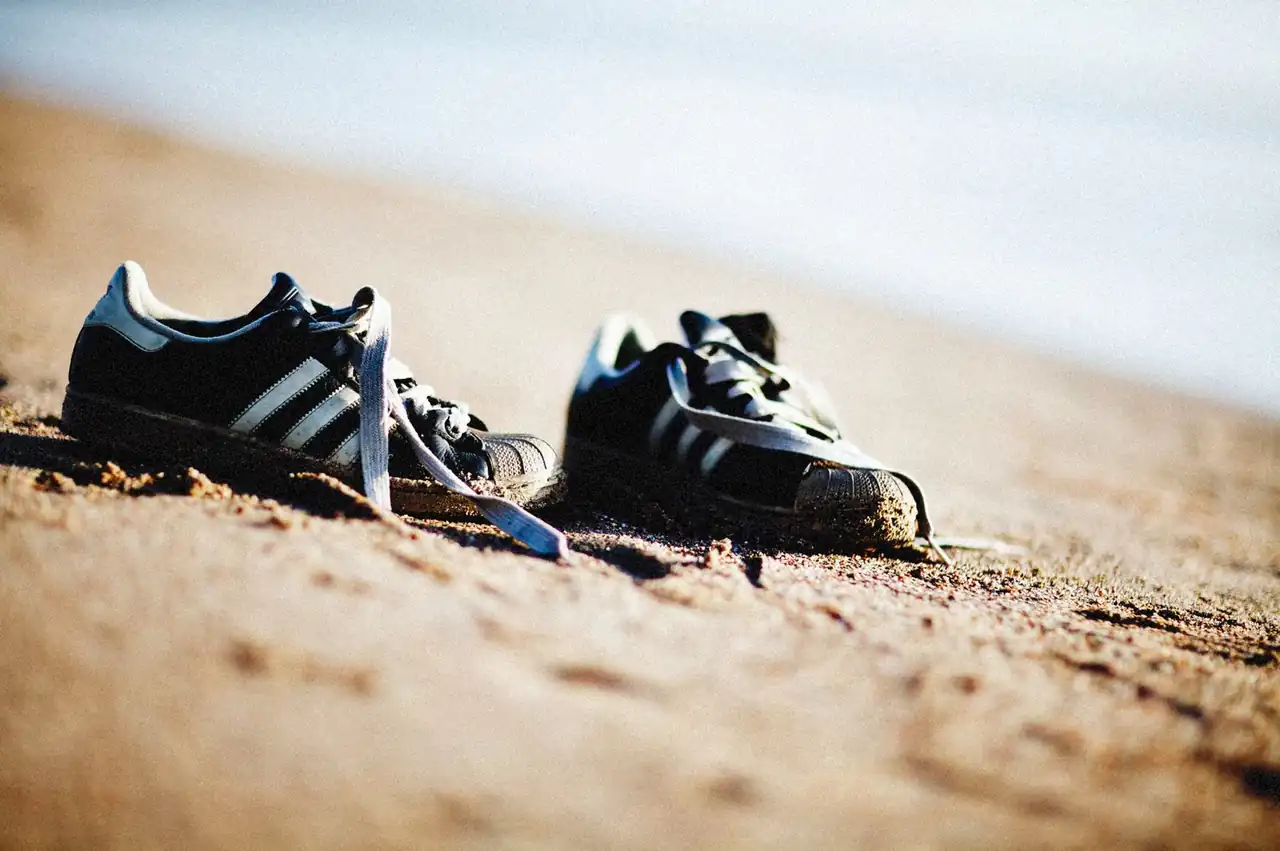
Black adds sobriety while yellow creates a visible contrast on roads, tracks or trails. This combination appears in daily training shoes, racing footwear and trail options, but color is only the starting point: the choice should depend on cushioning, fit and terrain where you intend to run.
Among the options seen in the market, there are significant differences in use and price. An Adidas Supernova Glide in yellow and black was listed at 104 euros, while a black and yellow Adidas Solar Control appeared at 94.90 euros and a yellow and black Nike Alphafly 3 started at 174.99 euros against a recommended price of 320 euros. These are specific catalog references, not universal prices, because sizes, promotions and availability affect the final amount.
Color attracts, but function decides
Yellow can be intense, lemon-colored, golden or simply a detail on the logo and outsole. In every case, it improves a runner’s visibility against dark backgrounds, especially at dawn, dusk or on poorly lit streets. It does not replace reflective elements, but it can make the shoe easier to recognize from a distance. Black also hides dust and splashes better than lighter shades.
Aesthetics matter because they encourage runners to use their shoes, but they cannot correct a narrow last or turn a road shoe into suitable mountain footwear. A smooth outsole loses security on wet rock, just as deep lugs can feel uncomfortable and slow on pavement. The first decision should always be the surface and frequency of use.
It is also worth checking where the yellow appears. If it is on the upper, it may work as a visual detail and improve the foot’s presence; if it is concentrated in the midsole or outsole, it will have little effect on visibility while running. Glossy finishes can show scratches more clearly, while black mesh usually maintains an even appearance for longer.
Models for road training
Road training shoes generally seek a balance between protection, flexibility and durability. They are designed to accumulate miles at varied paces, from easy runs to moderate speed changes. This group includes models with foam midsoles, rubber outsoles in high-wear areas and mesh uppers that help release some heat.
The yellow and black Adidas Supernova Glide represents, according to the reference consulted, a daily training alternative with a discounted price of 104 euros from an original price of 130. Its interest lies in the combination of contrasting aesthetics and everyday use, not in an automatic advantage from its striking color. For someone who needs one shoe for several days each week, smooth transitions and a supportive feel matter more than the exterior design.
Another different option is the black and yellow Adidas Solar Control, whose observed price was 94.90 euros compared with 150 euros. The model name suggests a more stable orientation, although the decision should not rely only on the commercial label. Useful stability is the kind that supports the runner’s natural movement without blocking it or creating pressure under the arch. Trying the shoes with your usual socks remains essential.
When racing is the priority
The picture changes when the goal is to run a fast race. Shoes with carbon-fiber plates and highly responsive foams are designed to encourage quick transitions and energy return, but they also tend to cost more and offer a less forgiving response for someone looking for easy runs or walking. They are not necessarily the best purchase for someone new to running.
The yellow and black Nike Alphafly 3 is the clearest example among the reference products. It features two Air Zoom units in the forefoot, ZoomX foam and a full-length carbon-fiber plate. The stated approximate weight was 218 grams in a men’s size 44 and the drop, the height difference between heel and toe, was 8 millimeters. The available price started at 174.99 euros, although some sizes also appeared at 318 euros.
The plate can provide a feeling of propulsion, but it requires adaptation. A raised platform and pronounced geometry change the way the foot lands and pushes off. The runner should reserve part of the adaptation for short, controlled sessions rather than turning the first day into a long run. The speed of a racing shoe cannot compensate for poor fit, an incorrect size or a technique that does not yet feel natural.
The black and yellow contrast also carries a visual association with competition: it recalls high-performance vehicles, signage and race kits. That image may influence a purchase, but it should not be confused with performance. A well-fitted training shoe may be more useful than an advanced supershoe if the actual use is running three days a week at comfortable paces.
Cushioning, drop and underfoot feel
Cushioning is not defined simply by a thick midsole. Foam density, platform shape, flexibility and the amount of material between the foot and ground all matter. A soft shoe may feel pleasant during the first few minutes, but not every runner wants the same response. Others prefer a firm, stable and predictable platform through turns or changes of direction.
The Alphafly 3’s 8-millimeter drop helps explain the concept, but it does not establish an ideal number. A higher drop may feel familiar to some runners, while a lower one changes the perceived load on the calves and Achilles tendon. Moving suddenly between very different geometries can cause discomfort, so progression should be gradual and cautious.
Height also affects stability. A wide outsole can create a secure platform, but a very high midsole may feel less precise through tight turns. On sidewalks, parks and bike paths, the priority is often a stable and comfortable stride; in racing, energy return may carry more weight. The best balance depends on the body, pace and use, not on color.
Fit, sizing and foot width
The heel should remain secure without requiring excessive lace tension. The midfoot should wrap the foot without compressing the instep, and the toes need room to spread. During a downhill section or a long session, the foot may swell, so trying shoes at the end of the day gives a more realistic reference than doing so after several hours of rest.
Size charts help, but they do not eliminate differences between brands and models. In the Nike guide consulted, size 42 corresponded to an indicated foot length of 25.8 centimeters and size 44 to 27.1 centimeters. This should not be treated as an absolute equivalence for every brand. Toe-box shape, width and internal volume can change even between two versions from the same company.
A common mistake is choosing a smaller size because the foot feels held during a few seconds of testing. Support should come from the construction and lace adjustment, not constant pressure on the toes. When uncertain between two sizes, check the space in front of the longest toe, heel movement and the absence of rubbing along the arch or sides.
Road, paths and trail: the outsole is different
Road shoes use relatively low-profile patterns and rubber areas designed to roll smoothly over compact surfaces. Their behavior is usually quiet and consistent on asphalt. Moisture, leaves and road markings can reduce grip, but an urban outsole does not need the deep lugs of a mountain model.
Trail shoes have more pronounced patterns to bite into dirt, gravel and uneven ground. The reference information included Salomon, Hoka and Asics options designed for difficult surfaces, with grippier outsoles and breathable mesh uppers. A black and yellow trail model may be attractive, but its lugs can wear quickly if it is used exclusively on pavement.
Park paths and compact dirt tracks allow intermediate solutions. In that setting, a completely smooth outsole is not ideal, while deep lugs may be unnecessary. The runner who alternates between Valencia, agricultural paths and urban sections should focus on the real versatility of the compound, not only the road or trail label.
What to check before buying
The initial price allows comparisons, but it does not explain the shoe’s value by itself. The references included Adidas Duramo SL2 models from 51.96 euros, Asics Novablast 6 at 127.96 euros and Asics Gel Nimbus 28 at 139.97 euros. These were promotional prices at a specific moment and may change when certain sizes disappear. Comparing the original and reduced prices helps, although it does not guarantee that the offer is the right one.
Availability deserves special attention. Some products showed specific sizes available and others sold out, a frequent situation with colors from previous seasons. Quickly buying a size that does not fit can turn a discount into an unnecessary expense. It is also worth distinguishing between a new-season model, an older version and a unit from an external seller, because warranty and return conditions may differ.
Second-hand markets offer much lower prices, but the inspection must be thorough. Check outsole wear, foam compression, stitching, insole and heel deformation. A clean-looking shoe may have accumulated many miles. The absence of the original box or insole also makes it harder to verify the product’s actual condition.
Photos should show both sides, the full outsole, the inside label and heel area. With models featuring plates or specific technologies, confirm the exact name and version, because one family may include very different training and racing shoes. A vague description does not make it possible to assess whether the price matches the condition and intended use.
Black and yellow at night
Intense yellow may stand out more than black in low light, but visibility mainly depends on reflective elements and the surroundings. A shoe may look bright in a photograph and disappear visually from a vehicle if it lacks reflective details aimed toward the sides or heel.
For night running, color should be part of a broader setup that includes visible clothing, front or rear lighting when necessary and safe route selection. A yellow outsole can be a secondary visual aid, but it does not replace a light or make the runner fully visible by itself. Night safety depends on the whole equipment setup.
Black offers another practical advantage: it tends to show fewer stains and keeps a discreet appearance for daily use. However, it can absorb more heat when shoes are left in direct sun, especially if the upper is made from dark, poorly ventilated materials. Store them in a dry, ventilated place away from intense heat to help preserve adhesives and foam.
Durability and shoe care
A shoe’s lifespan does not depend on one universal mileage figure. Runner weight, surface, pace, technique, rotation between pairs and climate all affect wear. The outsole may retain its pattern while the foam loses response, or the opposite may happen. It is therefore more useful to observe changes in comfort, stability and landing than to set a rigid replacement date.
Clean shoes with a soft brush, lukewarm water and mild soap. Washing machines, radiator drying and prolonged sun exposure can deform the upper or accelerate adhesive deterioration. Removing the insole and allowing the inside to air-dry helps reduce odors and moisture, especially after summer sessions.
Alternating two pairs allows each midsole to recover some of its shape between sessions and makes differences easier to detect. If one black and yellow shoe is used for everything, from easy runs to urban walks, wear may be faster than expected. Rotation is not essential, but it is a useful tool for extending comfort and monitoring the shoe’s evolution.
A choice that should resemble real training
Black and yellow shoes stand out on the shelf because they combine discretion with visual energy. Within that appearance are very different models, from affordable options for beginners to carbon-plated footwear designed for racing. Observed prices ranged approximately from 47.90 euros for Adidas Runfalcon 5 TR shoes to 174.99 euros for a Nike Alphafly 3, a difference that reflects technologies, materials and purpose, although it does not determine which option will work best for every person.
The most sensible purchase comes from combining four facts: usual terrain, training distance, fit and available budget. Drop, weight, plate, design and color come afterward. Once these priorities are clear, yellow stops being an isolated attraction and becomes part of a coherent, visible choice prepared to accompany many miles.
The right shoe does not make noise with every stride; it simply lets the runner focus on the route. On a wet avenue, a dirt track or a race start, the combination of black and yellow can provide a strong visual identity. The real difference, however, appears in something less striking: a stable, comfortable foot without discomfort at the finish.
You may also like: Blue and yellow running shoes: how to choose them.
Este artículo contiene enlaces de afiliado: si compras a través de ellos, se genera una pequeña comisión sin coste adicional para ti. Más información.



How to prevent thigh chafing: causes and real solutions

Women’s running windbreakers: seven jackets and how to choose

Do more workouts get rid of soreness? A guide for runners

Jaén Half Marathon 2026: Record 3,800 Runners Registered

Men’s short running tights: how to choose the right pair

World Triathlon confirms data breach involving medical data

Izan Edo targets podium at Miyazaki World Cup

María Pérez ranks ninth in World Athletics’ 2026 top ten

Dos Santos, Duplantis and Sawe: World Athlete of the Year finalists

San Silvestre Vallecana 2026: 42,000 places, prices and start times

 Races3 months ago
Valencia Half Marathon 2027: date and registration

 Races3 months ago
Valencia Marathon 2026: entry, ballot and course

 Reviews and Comparisons4 months ago
Asics Gel-Roadmiles 3 for men: review and current price

 Reviews and Comparisons4 months ago
Asics Gel Sonoma 8 Gore-Tex: complete analysis for trail and rain

 Sneakers3 months ago
Saucony Endorphin Pro 4: full review and verdict

 News5 months ago
Strava API 2026: what changes for clubs, challenges and runner apps?

 Reviews and Comparisons5 months ago
Nike Alphafly 3: opinions, sensations, and real key points

 Reviews and Comparisons4 months ago
Under Armour running shoes review 2025-2026: models and key features

 Sports Equipment4 months ago
Shoe sizes in cm: a clear guide to getting the right fit for your footwear

 Sneakers3 months ago
Skechers GO RUN Consistent 2.0 analysis: comfort and limits

 News5 months ago
Valencia Marathon 2026 route: key tips to train and run better

 Sneakers4 months ago
Adidas Adizero Boston 13 for men: review and verdict