Sneakers
Blue and yellow running shoes: how to choose them
How to choose a striking pair without sacrificing comfort, stability or performance in every training run.

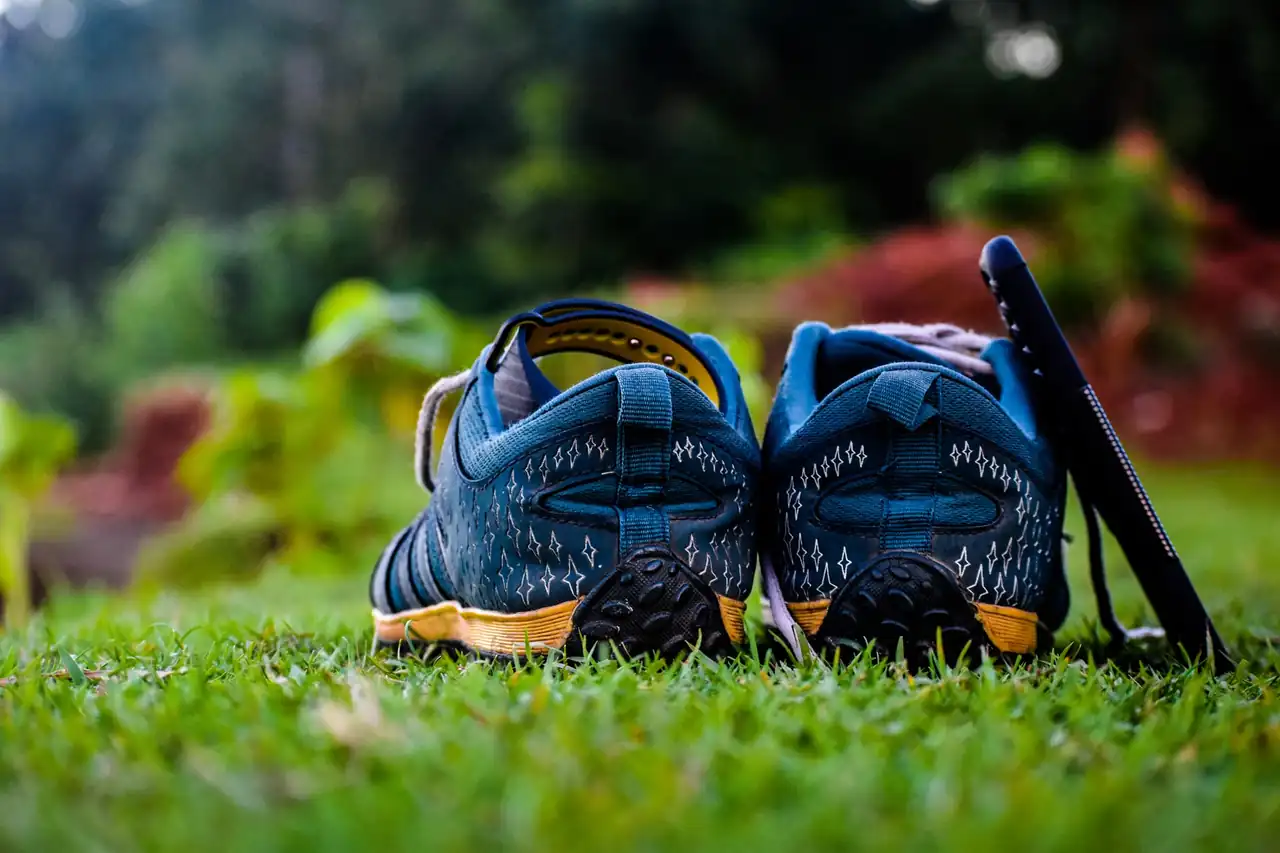
Blue and yellow running shoes combine a cool base, usually navy, electric blue or turquoise, with a contrasting area that can range from lemon yellow to gold. The result stands out on the road and can also make the runner easier to notice during low-light sessions. Yet colour only solves part of the choice: the right model must match the terrain, pace, distance and shape of the foot.
Current collections include options for road, trail and daily training, with prices that can broadly range from 80 to 230 euros depending on the brand, technology and timing of the purchase. Designs in this colour combination have included models such as the ASICS Novablast 5, Hoka Clifton 10 and some Saucony Hurricane 25 versions. They are not interchangeable: some focus on lightness and bounce, while others prioritise generous cushioning and stability for accumulating mileage.
Colour attracts, but the outsole decides
A yellow and blue shoe can look fast before it is even worn. Yellow often appears on the midsole, heel or reinforcements, while blue adds depth to the mesh and outsole. This distribution is not only aesthetic. Bright colours may improve a runner’s visual presence, although they do not replace certified reflective details or a front or rear light on dark streets.
The truly decisive part is underfoot. A rubber outsole with a relatively continuous pattern works well on pavements, cycle lanes and dry asphalt, while separated lugs provide more grip on compact dirt and trails. Choosing an eye-catching model with an outsole designed for another surface is like driving a city car on a gravel track: it may move forward, but it is not working in its natural environment. Traction must match the usual surface, not the product photograph.
The shape of the midsole matters too. A broad base often provides a more stable support sensation, while a narrow platform may feel more agile during pace changes. No geometry is universally better. A runner training at an easy pace for an hour may value a protected, progressive ride, whereas someone preparing short intervals may prefer lower weight and quicker transitions. The blue and yellow may be identical, but the behaviour can be completely different between a daily trainer and a racing shoe.
Which type of shoe suits each training session
For frequent city runs, the priority is usually cushioning that reduces the repeated harshness of pavement without making every landing feel unstable. Daily trainers generally have a durable outsole, balanced foam and a breathable mesh upper. This group includes some adidas Supernova versions, the Nike Pegasus and the ASICS Novablast, provided the last and fit are comfortable for the user.
Max-cushioned options such as the Hoka Clifton or Saucony Hurricane provide a generous foam layer and a guided transition. According to specifications published for that version, the Hurricane 25 combines PWRRUN PB and PWRRUN foams, has a 6-millimetre drop and weighs approximately 256 grams in a reference women’s size. This configuration is intended to protect and support rather than necessarily chase maximum speed in a short race. More foam does not automatically mean better quality: it must work with the stability and mobility each foot needs.
For fast sessions, shoes often reduce upper materials and use more responsive foams. Some include a carbon plate or rigid structure that supports propulsion, but they also require gradual adaptation. They are not the most sensible choice for wearing all day or for starting to run. A blue and yellow racing model may be light and spectacular, but its heel, stiffness and limited fatigue protection may feel unfriendly on a long easy run.
Trail running creates different demands. The rubber must bite into dirt, rocks and wet sections, while the upper has to withstand rubbing that rarely appears on asphalt. Lugs of 3 to 5 millimetres are a common reference for mixed terrain, while deeper patterns are reserved for mud or technical surfaces. In this case, yellow on the toe box may improve shoe visibility, but lateral protection and outsole grip take priority over any colour combination.
Cushioning, drop and weight explained simply
Cushioning describes how much material and deformation capacity sit between the foot and the ground. Soft foam may feel immediately comfortable, like walking on a thick carpet, but it can also demand more stabilising work. Firm foam offers a more direct response and a sense of control, although some people find it less comfortable over many hours. Brands use different commercial names, but the foam name matters less than the experience created by the whole shoe.
Drop is the height difference between the heel and forefoot. An 8- or 10-millimetre drop may reduce perceived calf tension for some runners, while a 0- to 6-millimetre drop can create a flatter, closer-to-the-ground sensation. It is not a medical prescription or a ranking of good and bad models. Moving abruptly from a high drop to a low one can load the Achilles tendon and calf; gradual adaptation matters more than the isolated number.
Weight also needs context. A difference of 20 or 30 grams per shoe may be noticeable in a fast race, but it may not justify giving up the protection required for a 15-kilometre training run. The published weight can also vary by size, gender and measurement method. Manufacturer figures should be treated as guidance, not an exact promise for every user.
Outsole geometry completes the picture. A pronounced rocker can make the foot seem to move forward with less apparent effort, while a flat base creates a more traditional landing. A widened heel may increase confidence at touchdown, and a roomy toe box allows the toes to spread more freely. The right choice depends on the relationship between these elements, not on one label such as maximum cushioning or responsive foam.
Fit and sizing: where the biggest mistakes happen
Running shoe size should not be chosen solely by the number used in everyday footwear. Lasts change between brands and even between families from the same brand. The foot should be held securely through the midfoot and heel, but the toes need room to extend. For an at-home fitting, it is sensible to try shoes at the end of the day, when the foot is often slightly more swollen, and with the socks intended for running.
A gap of roughly 8 to 12 millimetres between the longest toe and the end of the shoe is generally reasonable. Less space can cause repeated toe strikes on descents or long runs; too much allows the foot to slide inside. Blue and yellow may attract attention in a shop, but the toe box must respect the actual shape of the toes, especially when the foot is wide or has recurring discomfort.
The lacing system also changes the fit. Conventional lacing allows pressure to be distributed, while extra eyelets can help lock the heel. Do not tighten until the instep feels numb. Slight room at the front and firm support at the back often provide a suitable balance. Padded tongues may improve comfort, although they add weight and retain more heat in summer.
The first sensation matters, but it does not tell the whole story. A shoe may feel excellent for five minutes and create pressure after half an hour. Seams, heat-bonded reinforcements and toe-box stiffness are perceived differently once the foot warms up. Fit should therefore be judged while moving rather than only in front of a mirror. The absence of pressure points matters more than an immaculate appearance.
Models and prices: what to expect from the market
The market offers a broad range. Entry-level models or previous-season versions may be found from around 60 or 80 euros, while advanced daily trainers often sit between 120 and 180 euros. Shoes with plates, racing foams or high-end finishes can exceed 200 euros. The price of a specific edition changes with promotions, size stock and the arrival of a new generation.
Among similar colour references seen at specialist retailers are the ASICS Novablast 5 in a blue, yellow and orange combination, the blue and yellow Hoka Clifton 10 and some yellow and blue Saucony Hurricane 25 versions. In the commercial data analysed, the Novablast 5 was listed at around 98.99 euros, the Clifton 10 at about 104.99 euros and the Hurricane 25 from 98.99 euros, against recommended prices of 150, 160 and 180 euros respectively. These are reference prices subject to size, availability and date, not permanent rates.
A discount does not automatically make a model a good purchase. Popular sizes usually disappear first, and a reduced price may refer to an older generation. That is not necessarily negative: many models retain a valid construction for more than a year. The important points are knowing what is being bought, checking the condition of the midsole and confirming that the exchange policy can solve a sizing problem.
It is also useful to distinguish between a training model and a racing model. Paying more for a lightweight shoe makes sense if the runner can use its response and tolerate its stiffness. For most weekly mileage, a balanced, durable and comfortable shoe may offer more value than a high-performance piece reserved for occasional sessions. Cost per use is often more informative than the initial price: a 130-euro pair used regularly may be more sensible than a 200-euro pair that causes discomfort.
Visibility and design in urban training
Yellow stands out easily against grey asphalt, park greenery and the dimness of an early-morning street. Blue adds a more refined contrast and reduces the overly fluorescent appearance some people prefer to avoid. This combination can be practical for runners near traffic, although shoe visibility depends on distance and the angle from which it is viewed.
Reflective details work when they receive direct light, such as car headlights. They do not emit light themselves and may be hidden by long trousers or dirt. For running at night, reflective clothing, a light and a safe route provide much more complete protection. Striking aesthetics complement safety but never replace it.
Design also affects the perception of movement. Yellow on the toe may make the stride look more dynamic, while a blue heel block can visually reinforce a sense of structure. These are design devices, not signs of performance. Foam, rubber and upper construction are the components that explain how the shoe behaves on the ground.
How to care for the shoes and extend their performance
Maintenance starts with cleaning. After a dusty or muddy run, remove dirt with a soft brush and lukewarm water without soaking the shoe for hours. Aggressive detergents can damage adhesives and alter colours. With a yellow and blue combination, dirt is often more visible, but that does not mean the shoes must be washed after every outing.
Drying should take place at room temperature, away from radiators, hairdryers and very hot surfaces. Intense heat can deform foam and harden some adhesives. Removing the insoles helps ventilate the interior, and alternating two pairs allows each one to regain its shape between sessions. This is useful when running several days a week and accumulating moisture in the mesh.
Durability depends on the runner’s weight, terrain, technique, frequency and material quality. There is no universal mileage figure, although many road shoes are reviewed after 600 to 800 kilometres. Worn outsole rubber, permanently compressed foam, new discomfort and a clear loss of response are more useful signs than the calendar. The body often gives warning before the upper tears.
Recording the first-use date and rotating pairs helps interpret these changes. It is also useful to observe wear on both shoes: pronounced erosion on one side may provide information about support, but it does not diagnose an injury or automatically determine which model should be bought. Persistent pain should be assessed by a healthcare professional.
A choice with personality and judgement
Blue and yellow running shoes have an obvious advantage: they give an outfit identity and are easy to recognise among other runners. That personality can coexist with a restrained construction for daily training, a soft midsole for accumulating mileage or a lightweight platform for faster running. The key is to separate visual appeal from the features that will actually be used.
Before deciding, connect the purchase with the main terrain, weekly mileage, usual paces, foot width and available budget. Then consider drop, weight, foam, outsole and price. This order prevents a discount or colour combination from dictating a decision that should be based on comfort and real use. A good shoe is the one that disappears from attention while running.
The brightest design is not always the fastest, nor is the tallest midsole the most protective for everyone. Current references show a wide variety of constructions within this palette, from models close to 100 euros to racing options that double that figure. Choosing carefully allows the colour to be enjoyed without making it the only argument, because every stride needs more than an attractive image: it needs fit, grip and a response that matches the road.
You may also like: Black and yellow running shoes: how to choose them and Black and orange running shoes: a guide to choosing well.
Este artículo contiene enlaces de afiliado: si compras a través de ellos, se genera una pequeña comisión sin coste adicional para ti. Más información.



How to prevent thigh chafing: causes and real solutions

Women’s running windbreakers: seven jackets and how to choose

Do more workouts get rid of soreness? A guide for runners

Jaén Half Marathon 2026: Record 3,800 Runners Registered

Men’s short running tights: how to choose the right pair

World Triathlon confirms data breach involving medical data

Izan Edo targets podium at Miyazaki World Cup

María Pérez ranks ninth in World Athletics’ 2026 top ten

Dos Santos, Duplantis and Sawe: World Athlete of the Year finalists

San Silvestre Vallecana 2026: 42,000 places, prices and start times

 Races3 months ago
Valencia Half Marathon 2027: date and registration

 Races3 months ago
Valencia Marathon 2026: entry, ballot and course

 Reviews and Comparisons4 months ago
Asics Gel-Roadmiles 3 for men: review and current price

 Reviews and Comparisons4 months ago
Asics Gel Sonoma 8 Gore-Tex: complete analysis for trail and rain

 Sneakers3 months ago
Saucony Endorphin Pro 4: full review and verdict

 News5 months ago
Strava API 2026: what changes for clubs, challenges and runner apps?

 Reviews and Comparisons5 months ago
Nike Alphafly 3: opinions, sensations, and real key points

 Reviews and Comparisons4 months ago
Under Armour running shoes review 2025-2026: models and key features

 Sports Equipment4 months ago
Shoe sizes in cm: a clear guide to getting the right fit for your footwear

 Sneakers3 months ago
Skechers GO RUN Consistent 2.0 analysis: comfort and limits

 News5 months ago
Valencia Marathon 2026 route: key tips to train and run better

 Sneakers4 months ago
Adidas Adizero Boston 13 for men: review and verdict