Sneakers
Shoes for plantar fasciitis: how to choose well and not get it wrong
Keys to choosing footwear that reduces impact, stabilizes the stride, and distributes pressure better with each step.

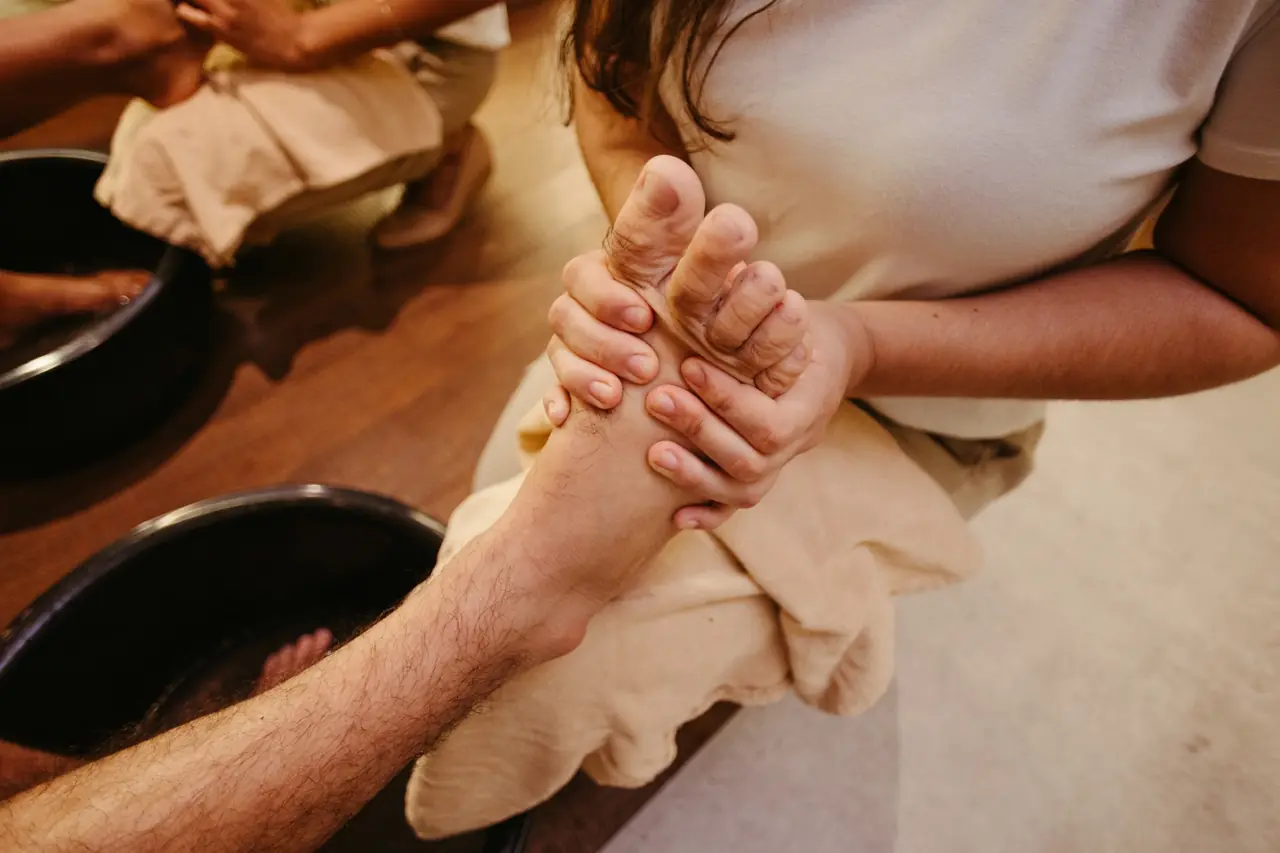
The stabbing heel pain that appears when getting up or after sitting for a while often changes the way you walk within days. In that context, footwear stops being an aesthetic detail and becomes a real support piece: a stable base, with good cushioning and enough room in the toe box can make a significant difference in everyday life.
Shoes for plantar fasciitis do not cure inflammation of the plantar fascia on their own, but they can reduce strain, soften impact, and give you more confidence with every step. The models that work best usually combine a wide sole, a well-secured heel, a midsole with generous cushioning, and a last that does not squeeze the toes. That combination, more than any specific brand name, is what people living with this discomfort usually look for.
What makes footwear designed for this condition different
Not all comfortable shoes are useful when the problem is in the plantar fascia. A very soft model may feel pleasant for a few minutes, but if it sinks too much or does not control foot movement, the result can be worse. The key is finding a balance between softness and structure, something that protects without turning every step into instability.
In practical terms, design matters just as much as foam. A wide base helps distribute load, while a firm heel counter limits excessive rearfoot rolling. It is also worth having some support in the arch area, especially in flat feet or with overpronation, although an aggressive reinforcement is not always necessary. The goal is to accompany the stride, not force it.
Drop also weighs in the equation. A moderate or somewhat high difference in height between heel and forefoot can take some of the tension off the fascia, especially in people who land on their heel. There is no universal number, but in practice models with around 8 to 10 mm often feel easier to wear for many people with plantar pain than very flat shoes.
The features that usually help the most
Cushioning matters, but it is not enough for the midsole to be thick. Impact absorption depends on how the whole shoe responds, not just on its height. A foam that is too soft can feel embracing at first, although it can also reduce control. That is why many serious recommendations lean toward moderately soft or firm cushioning, with good impact distribution in the heel and midfoot.
Lateral stability also matters. If the foot moves too much inward or outward with each step, the fascia works under more strain and discomfort can increase. In footwear aimed at this problem, a wide platform in the heel and forefoot is usually more useful than a narrow, lightweight silhouette. It is not a minor detail: it is the difference between walking with a sense of a firm base or doing it on a board that wobbles.
The toe box should not squeeze. The toes need room both in width and height, especially if there is inflammation, sensitivity, or a tendency for the foot to spread out by the end of the day. A too-pointed forefoot creates unnecessary pressure and can ruin even a well-cushioned shoe. For people with wide feet, that extra margin is not a luxury; it is part of the relief.
Models and shoe families that usually fit better
Among the most solid models for walking with plantar pain, those that combine discreet stability and plenty of cushioning stand out. The Brooks Adrenaline GTS 25 has earned a good reputation for its lateral guidance, a wide base, and a stable ride without feeling overly rigid. Its approach is useful for those who want support without giving up some flexibility in the foot’s natural movement.
On the side of more generous cushioning, the Hoka Bondi 9 stands out for its protection under the heel and for a platform that reduces the feeling of impact with each landing. Its high profile and rocker geometry favor a smooth transition, something many people notice when they spend hours walking or standing. That same architecture, however, can feel bulky for anyone looking for agility or extreme lightness.
The ASICS Gel Kayano 32 represent another path: lots of stability, structural guidance, and a comfortable feel that usually appeals to those who need more control in their stride. In practice, they work well for overpronators or for people who value a serious platform with a protective feel, especially on long days. Within that group, they usually come out ahead of neutral models that lack reinforcement in the midfoot area.
If weight matters, the Saucony Triumph 23 offer a striking combination of relative lightness and broad cushioning. They are not minimalist and do not aim for that almost barefoot contact with the ground; rather, they seek to let the foot feel free of load without losing padding. That balance can be useful on long walks, as long as the overall stiffness does not bother someone who prefers a more natural stride.
For those who prioritize durability, the Brooks Glycerin GTS 22 move comfortably in the territory of wear resistance. They usually appeal to people who use their shoes many hours a week and do not want the outsole to wear down quickly. Grip is not always the standout feature in the category, but their construction is aimed at holding up to plenty of urban use without losing too much consistency.
The role of width and fit type
A painful foot needs space, not just padding. Forefoot width can completely change the experience. When the toes bump into each other or the instep is too compressed, the body compensates and the gait becomes more tense. That is why many cases of plantar pain improve more with a better fit than with softer foam.
The Hoka Gaviota 5 illustrate that idea well when the problem includes wide feet. Their generous last and wide platform leave room for the foot to land without feeling trapped. They also add a structure that helps maintain support, something valuable when the forefoot needs freedom without losing stability. They are not the most flexible, but they do not try to be.
Heel fit deserves special attention. A loose rearfoot causes slipping, and that small repeated movement can irritate the plantar area even more. A firm heel counter helps keep the heel secure and reduces the feeling of wobbling. In everyday shoes, that support is usually noticeable from the first steps, especially on hard floors and on long city walks.
When a cheap shoe may be enough
Price does not always reveal usefulness. There are affordable models that do a pretty good job with the essentials: stable base, decent cushioning, and proper grip. The ASICS Gel Excite 11 sit in that reasonable entry-level zone, with a solid platform and traction that works well on asphalt and in everyday use. They do not compete with the most refined high-end models, but they can cover real needs without driving up the cost.
With budget footwear, it is worth looking more closely at the details. A very simple upper may breathe worse, or a less sophisticated foam may feel drier over the months. Even so, for someone who needs to get through daily life without a large investment, a correct, well-fitted model is usually preferable to spending more on a technically brilliant shoe that is uncomfortable for their foot.
The relationship between cost and relief also depends on use. It is not the same to walk half an hour a day as to spend eight hours on your feet in a demanding job. The greater the load, the more sense it makes to look for a shoe with better-quality materials, better stability, and an outsole that can withstand the friction of repeated use. The initial savings can end up being expensive if the shoe loses its shape quickly.
What studies and real-world use say
Scientific evidence does not offer a single recipe, but it does leave clear clues. A frequently cited study showed that a large majority of people with plantar pain wore footwear that was unsuitable for their problem, often with little cushioning or not enough support. Another study found that the vast majority of patients who used maximum-cushion shoes felt they helped during recovery. That does not make any specific foam miraculous, although it does support the idea that design matters.
Everyday experience confirms a similar idea. Someone who goes out walking with pain quickly notices whether the shoe protects or punishes. On hard sidewalks, cobblestones, or smooth floors, the difference between a well-designed midsole and one that is too flat feels like going from a thin carpet to walking on a slab. The body responds to that message without needing technical explanations.
Stability carries special weight when there is overpronation, flat feet, or a feeling of arch collapse. In those cases, a neutral shoe may fall short, even if it feels comfortable in the store. Proper support is not always visible at first glance; often it is felt in the way the shoe prevents the foot from collapsing inward with each step.
Rocker, arch support, and other details worth understanding
The rocker shape appears more and more in footwear designed to ease plantar load. That rocking-chair-like shape helps the foot roll forward and smooths the transition from heel to toe. For people with plantar fasciitis it can be useful, especially on continuous walks or in models designed to reduce effort during the push-off phase.
Even so, not everyone adapts the same way. A very pronounced geometry can require an adjustment period, and some people find it strange or unnatural at first. That is why rocker should be seen as one more tool, not the definitive answer. It can help, yes, but it does not replace a good diagnosis or a complete treatment when the pain persists.
Arch support should be understood with nuance. In flat feet or with marked pronation it is usually helpful, but in high arches or stiffer feet, exaggerated support can be bothersome. The sensible thing is to look for moderate help, integrated into the shape of the shoe, rather than a hard, obvious piece that pushes the foot into an artificial posture.
Treatments and habits that go along with footwear
Footwear is part of the puzzle, not the whole puzzle. Conservative approaches usually include gentle stretches for the plantar fascia and Achilles tendon, along with reducing high-impact activities when the pain is active. Prefabricated or custom orthotics are also often used, depending on the case, always under professional guidance.
In persistent cases, medical follow-up becomes more important because heel pain does not always have a single origin. It can be confused with other injuries, from nerve irritation to problems with the heel fat pad or the Achilles tendon. That is why the diagnosis matters: treating an irritated fascia well is not the same as acting on another cause of plantar pain.
Walking barefoot on hard surfaces often makes the sensation worse for many people. Treadmill use can do the same if it multiplies the steps in a short time and without enough recovery. By contrast, less aggressive activities for the foot, such as stationary cycling or the elliptical, are often better tolerated while irritation goes down. They are simple adjustments, but sometimes very effective in daily practice.
How to read a product page without getting carried away by the display
Photos sell softness, but the details matter. In a technical sheet, it is worth paying less attention to the general promise and more to the model’s architecture: sole height, foam type, base width, heel firmness, and availability of special sizes or widths. Those elements matter more than the color or the seasonal campaign.
It also helps to check whether the insole is removable, especially if there is a chance of using an orthotic. That small detail greatly expands the options, because it allows the inside to be adjusted without fighting a closed last. Likewise, a very tight mesh can feel comfortable to the touch, but it does not always breathe well in warm weather or with prolonged use.
The best shoes for this problem usually look serious, almost sober. They do not try to draw attention with extreme shapes, but rather support the foot discreetly. That sobriety, far from being boring, is a useful clue: when a shoe is designed to unload tension, it usually prioritizes function over style.
The decision that matters most at the end of the day
Choosing well does not erase plantar fasciitis in one fell swoop, but it can change the map of pain. A shoe with a stable base, good cushioning, a firm heel, and enough room usually reduces the daily friction of an injury that strikes at the simplest moments: getting up, walking around the house, going out to shop, or spending hours on your feet.
The best option is not always the softest, the most expensive, or the one with the flashiest name. It is usually the one that combines measured support, real comfort, and a geometry that respects the shape of the foot. In a problem as sensitive as this, the smallest detail can be the one that turns every step into a grimace or into a more bearable walk.
That is why the right footwear matters so much: because the plantar fascia works in silence, but responds clearly when support fails. Between a shoe that is too flat and one that is well designed, there is more than a technical difference; there is a different way of spreading the day across the ground.
What becomes clear when comparing the market options
The strongest references keep repeating the same ideas. Brooks, Hoka, ASICS, Saucony, and other similar brands stand out when they offer useful cushioning, enough stability, and a fit that does not trap the forefoot. The specific name matters less than the set of design decisions built into each model.
Anyone looking for relief usually finds better results in shoes with structure, a wide base, and a well-built heel than in minimalist or overly flexible models. That logic repeats again and again because it responds to the mechanics of the painful foot: less impact, less unnecessary twisting, less localized pressure.
In a shoe for plantar fasciitis, the feeling should be one of support, not struggle. If the foot goes in, settles, and moves forward without fighting the inside of the shoe, a lot has already been gained. When that happens, each step stops being a reminder of pain and becomes, at least, a more manageable gesture within the routine.
Este artículo contiene enlaces de afiliado: si compras a través de ellos, se genera una pequeña comisión sin coste adicional para ti. Más información.



How to prevent thigh chafing: causes and real solutions

Women’s running windbreakers: seven jackets and how to choose

Do more workouts get rid of soreness? A guide for runners

Jaén Half Marathon 2026: Record 3,800 Runners Registered

Men’s short running tights: how to choose the right pair

World Triathlon confirms data breach involving medical data

Izan Edo targets podium at Miyazaki World Cup

María Pérez ranks ninth in World Athletics’ 2026 top ten

Dos Santos, Duplantis and Sawe: World Athlete of the Year finalists

San Silvestre Vallecana 2026: 42,000 places, prices and start times

 Races4 months ago
Valencia Half Marathon 2027: date and registration

 Reviews and Comparisons4 months ago
Asics Gel-Roadmiles 3 for men: review and current price

 Races4 months ago
Valencia Marathon 2026: entry, ballot and course

 Reviews and Comparisons4 months ago
Asics Gel Sonoma 8 Gore-Tex: complete analysis for trail and rain

 Sneakers4 months ago
Saucony Endorphin Pro 4: full review and verdict

 News5 months ago
Strava API 2026: what changes for clubs, challenges and runner apps?

 Reviews and Comparisons5 months ago
Nike Alphafly 3: opinions, sensations, and real key points

 Reviews and Comparisons4 months ago
Under Armour running shoes review 2025-2026: models and key features

 Sports Equipment4 months ago
Shoe sizes in cm: a clear guide to getting the right fit for your footwear

 Sneakers3 months ago
Skechers GO RUN Consistent 2.0 analysis: comfort and limits

 News5 months ago
Valencia Marathon 2026 route: key tips to train and run better

 Sneakers4 months ago
Adidas Adizero Boston 13 for men: review and verdict