Sneakers
Running shoes for men over 90 kg: a guide to choosing wisely
Keys to choosing running shoes if you weigh over 90 kg: stability, cushioning, fit, and durability without losing lightness.

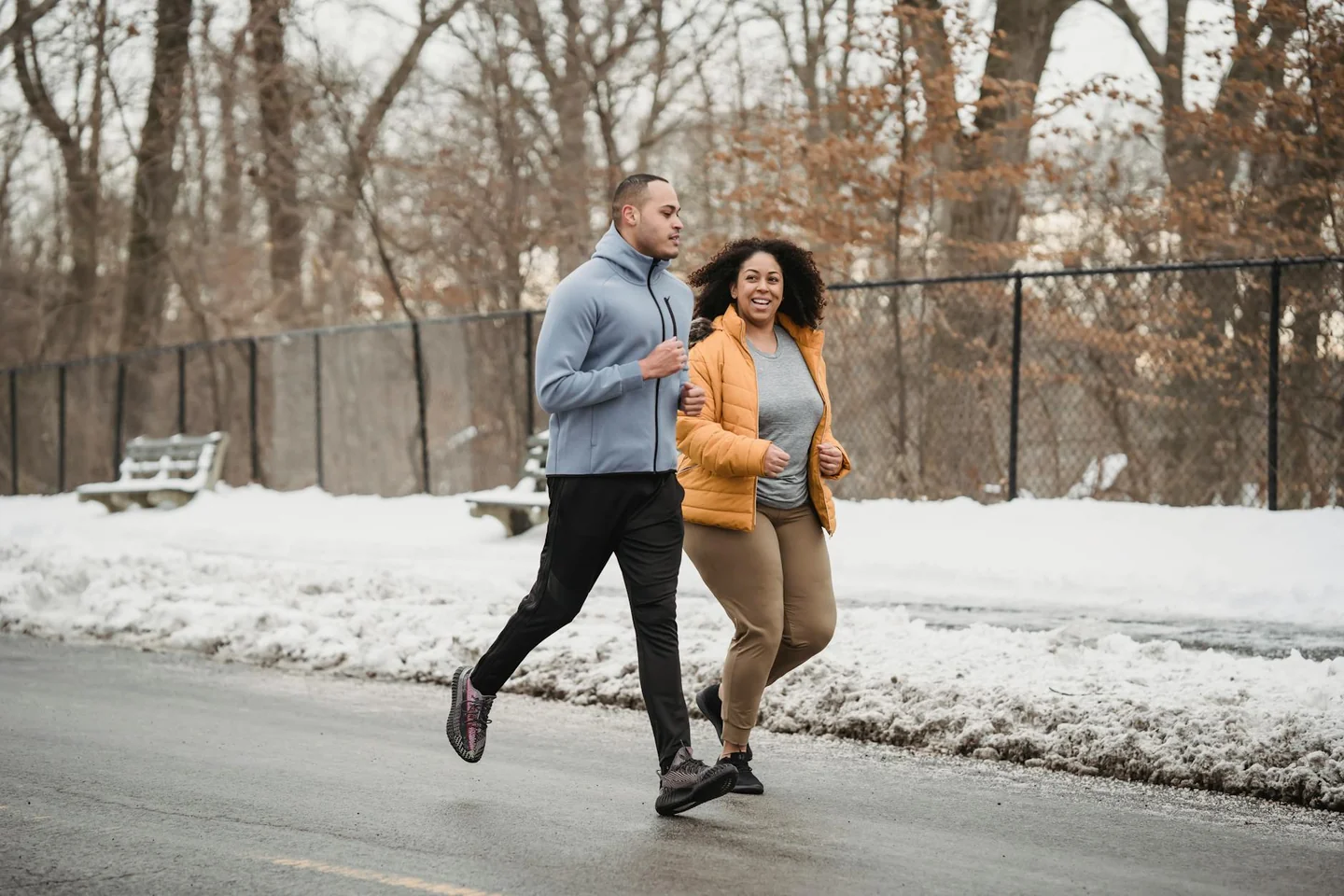
Imagen: Julia Larson / Pexels
Training regularly and improving your times shouldn’t depend on carrying a few extra kilos or on a shoe that starts falling short over time. For a man over 90 kg, the challenge is usually twofold: on one hand, that the cushioning really absorbs the impact; on the other, that the base and stability keep the foot aligned to avoid discomfort in the knees, ankles, and lower back.
In practice, the right choice shows up in very specific sensations: less vibration on landing, a quieter stride, a heel that doesn’t wobble, and a feeling of control on turns or pace changes. You don’t always need to go for expensive or highly technical models; what matters is that the shoe fits your biomechanics, your type of stride, and the kind of training you do: easy runs, intervals, hills, or brisk walking during the week.
Why weight changes the way cushioning and stability work
When body weight increases, the load on the outsole and cushioning zone grows with every footstrike. That doesn’t mean running is bad; it means the material behaves differently: there are foams that collapse sooner, platforms that deform, and setups that lose stability when the foot presses with more force. That’s why, for a runner over 90 kg, it’s not enough for the shoe to feel comfortable when you try it on: it has to keep its structure throughout the whole run, even in the final stretch, when fatigue makes your stride fall apart.
A common detail in stores and training is the difference between feeling cushioning at the start and feeling it after 60 or 90 minutes. A shoe can seem soft on the shelf and, once you get home, leave you with the feeling that the ground is harder than you thought. The key is usually the balance between foam, plate or support system, and a geometry that distributes the load. The goal for heavier runners is for the shoe not only to cushion, but to guide the stride toward a more stable and repeatable landing.
Cushioning: more volume doesn’t always mean more protection
In shoes aimed at heavier runners, the word cushioning is sometimes understood as a thick layer of foam. However, real protection depends on how that foam behaves under load: whether it regains its shape, whether it stays stable under the arch, and whether it doesn’t become laterally unstable. When the impact is greater, the differences between foams and densities show up quickly, especially on long runs or uneven surfaces. That’s why it’s worth looking for cushioning with support, not just padding.
A good indicator is the combination of a firm heel and midfoot with a base that doesn’t twist. Many models with a pronation or stability focus use internal structures or denser materials to support the foot. Also, some mid-range training shoes often perform better than certain very soft options that are too soft on the sides, which can make the ankle work harder than it should. In practice, heavier runners usually appreciate cushioning that feels progressive: that gives under impact and rebounds without leaving you sunk in.
The type of training also matters. If the main goal is recovery runs or daily training, consistency is the priority. If you do sessions with pace changes, even a stable shoe needs to respond without feeling like a sofa: this is where outsole geometry, controlled forefoot flexibility, and torsional stability come into play. Protection shouldn’t cost you control.
Stability and stride control: pronator, neutral, and the role of the midfoot
Stability is the difference between finishing a run feeling fresh or ending up overloading the chain. In runners over 90 kg, excessive pronation or a lack of midfoot control can multiply stress on the knee and plantar fascia. That’s why many look for shoes with motion guidance, a wider base, or a design that supports the transition. Rather than stopping movement, these shoes usually moderate it so the foot lands with a cleaner path.
In neutral strides, the problem isn’t always pronation: it can simply be that the foot moves too much inside the shoe because of poor fit, or that the heel loses hold because of the last shape or lace tension. In that case, a shoe with good stability may not be enough if the fit isn’t right. Two variables come together: the shoe’s structure and how your foot lives inside it. Midfoot control starts with the insole, continues with the lacing system, and ends with the lengthwise and widthwise fit.
For many runners, a clear indicator is the sound and feeling on impact: a stable shoe usually sounds less harsh and feels more consistent when it lands. If you notice the heel collapsing inward or your foot spreading out in the midfoot area, the shoe may be coming up short. That’s not a judgment on your technique: it’s information. Adjusting the size, using insoles if needed, and choosing a model with support usually makes the difference.
Outsole and durability: the real cost is lifespan, not the purchase price
When you weigh over 90 kg, wear tends to happen faster, especially in high-friction areas and at the heel or outer edge if there’s overload. That’s why, when looking at shoes, it’s worth paying attention to the outsole pattern and the type of rubber, but also to how the whole shoe behaves: a shoe can have plenty of rubber and still deform internally, which makes it less stable. In practical terms, the real cost is the amount of time it lets you train without discomfort showing up. Durability means stability maintained, not just that the outsole lasts.
Another point is the type of surface. In Valencia, with its mix of asphalt, mixed areas, and parks, wear can vary a lot depending on the route. If you train in the city, the outsole takes part of the load with more abrasion. If you alternate with tracks or compact paths, wear may be more even, although torsional stress increases on uneven stretches. For heavier runners, the outsole has to maintain traction and, at the same time, not compromise the geometry of the platform.
Durability also has to do with frequency. If you run several times a week, the shoe is always working with your body in a fatigue range. That makes the balance between cushioning and stability more demanding. It’s not unusual for a poorly chosen shoe to cause pain before the outsole is even worn down, because the body adapts to compensate. Choosing with care avoids replacing it too soon.
How to choose size and fit when support demands are higher
Fit is one of the most common causes of problems in runners over 90 kg. With more load, any tiny slip becomes a blister or extra movement of the foot inside the shoe. If the heel isn’t held properly, the foot tends to slide forward on every landing, which increases pressure on the forefoot. If the shoe is too tight, sustained compression can affect comfort from the second or third hour of a run, especially on warm days. Size matters even before you consider cushioning.
A practical rule used by many runners is to leave some room in the forefoot so the foot doesn’t get cramped as it expands with heat. The exact margin varies depending on the last and sock, but what usually works is checking that you can move your toes without feeling them hit the front. In training models with more support, it can be tempting to choose an exact size and leave it at that, but for heavier runners it’s usually better to ensure a firm fit without squeezing.
Width also plays a role. If you have a wide foot or tend to spread out, a narrow shoe forces the midfoot to work against it. That feels like odd stiffness and can amplify pronation. On the other hand, if you choose a shoe with a wider last option, control often improves and lateral movement decreases. Looking for stability starts with the foot being well positioned, not with the material being thicker.
Training models versus speed options: what makes sense for your weight
Within the catalog of major brands there are shoes with very different profiles. Some are designed for racing or fast paces and usually prioritize energy return, lightness, and responsiveness. Others are made for daily training and stand out for stability and sustained cushioning. For a heavier runner, the typical mistake is using a shoe that’s too specific for long days or frequent hills, because the dynamics don’t make up for the extra work on the musculoskeletal system. The choice should follow your week, not just the best-case scenario of the year.
If most of your mileage is easy runs, a training shoe with support and a consistent platform is usually the most cost-effective tool. In many ranges, stability models or pronation-guidance models are designed to keep their structure under more load. They also tend to be more forgiving if one day your technique isn’t perfect because of fatigue. That translates into less accumulated strain.
For intervals and faster paces, a more dynamic shoe may fit, but not necessarily as your main tool. A good strategy for many runners is to separate them: one shoe for volume, another for specific workouts, and a backup pair if you need to alternate because of wear. The key is not to mix them without intention: if a fast shoe has less lateral stability, it can increase load on the midfoot. Your body needs consistency in base training.
What to look for in the midsole: foam, plate, and internal structure
The midsole is the heart of the running feel. For runners over 90 kg, it’s worth having a design that combines cushioning with structure. Simply put, a midsole that’s too soft may feel pleasant when you try it on and end up being less protective later, because the foam loses effectiveness and the shoe sinks too much. By contrast, a firm internal structure, a well-supported heel, and a progressive transition usually give a lasting sense of security. You’re looking for support that doesn’t fade.
Some shoes incorporate more responsive foam technologies or plates that shape the way you land. Although the naming changes from brand to brand, the principle is the same: guide the foot and improve return without sacrificing control. In heavier runners, return isn’t the only goal; the main goal is to prevent the joint from working through an unstable path. A plate can help the transition if it’s well designed, but if it doesn’t add lateral stability, it doesn’t replace a good fit. The structure is a system, not just one component.
In real use, the best midsole is the one that lets you run with a more natural cadence and a stride that stays clean. When the midsole works for your load, you notice the impact is cushioned without the foot sinking inward. If, when you finish, you feel your heel is more sunk in or your forefoot is taking more load than usual, the shoe may not be the right one for your pattern.
Pronation and insoles: when extra support makes sense
There are runners who don’t need insoles, but in a profile over 90 kg it’s relatively common for situations to arise where an insole or preformed insole helps stabilize the foot, especially if there are previous discomforts or if the stride tends to fall apart with fatigue. The insole shouldn’t be a universal solution, but it can be the piece that completes a model with the right support. Supporting the foot properly reduces compensatory work in the ankle and knee.
When you choose stability shoes, the insole can improve midfoot fit. The sensible approach is to try the model first in the correct size and, if you still feel off-balance, consider an insole suited to your stride. If you already use insoles on medical or professional advice, make sure the model has enough volume for them, especially in the midfoot area. A very tight shoe can reduce the effectiveness of any extra support.
Cushioning also changes with the insole. An insole that’s too thick can raise you up and alter the geometry, while one that’s too soft can lose support. That’s why the best fit is usually the one that feels stable, with no pressure points and without the sole of the foot having to adapt too much. Comfort that lasts is usually the best thermometer: if it improves after several runs, that’s a solid sign.
Training in Valencia: surfaces, heat, and how they affect your choice
The running environment matters. In the city, asphalt transmits vibration and demands a constant response. In parks and areas with changes in incline, the foot works through micro-corrections that become more tiring as the kilometers go by, especially for runners over 90 kg. For these profiles, a shoe with a firm base and good transition reduces extra movement. Stability is especially valuable when the terrain isn’t perfect.
Heat also plays a role. During months of high temperatures, the foot tends to swell and the risk of rubbing increases if the fit isn’t right. In training shoes with good hold, the foot stays more controlled and internal movement decreases. Also, on hot days, cushioning can feel different if the foam is softer because of the temperature. That’s why it’s useful to choose a model that keeps its shape and doesn’t become excessively loose.
As for pace, if you alternate walking and jogging, it’s worth having a shoe that also works on days when your posture is less rigid. A heavier runner usually notices more the difference between a stable running shoe and one aimed at walking or fashion. This isn’t about aesthetics: it’s about structure. The outsole and controlled stiffness are what hold you up when your technique relaxes.
How to check whether a shoe protects you: signs in the first kilometers
You don’t need a lab to tell whether a shoe is aligned with you. The first sensations can become useful signals: if, when you start the run, you feel stable from minute one, with the heel well supported and no sense of slipping, the shoe has a good base. If, on the other hand, you need to adjust the laces several times or notice the foot sliding forward, the fit isn’t locked in. Early stability is a good sign.
Another sign is the load at the end. A heavier runner usually notices knee or hip fatigue earlier than others. If, after a normal workout, discomfort appears in a specific and repeated area, it may be that the shoe isn’t distributing the impact well or that midfoot support is lacking. Cushioning shouldn’t force you to compensate. When it works, the feeling is usually more even: the landing feels consistent even when energy drops.
There’s also the feel of the ground. A shoe that truly cushions reduces the vibration that travels up through the ankle. If the asphalt feels too direct or you notice the insole vibrating, it’s possible the midsole is giving way more than desired or that stability isn’t absorbing the movement. Listening to your body here isn’t just a phrase: it’s a way to match product choice to your reality.
Budget and range: why you don’t always need the most expensive shoe
Stores and catalogs show very different prices, from affordable models to high-end options. In the price range seen in major brand catalogs, there are training alternatives with a good balance between cushioning and stability, some around one hundred euros or a bit more depending on version and promotion. At the same time, premium ranges offer shoes with technologies focused on racing or energy response, which can be excellent, but aren’t always the first tool for a runner over 90 kg’s weekly mileage. Price doesn’t replace fit.
For a heavier runner, the priority is usually for the shoe to keep its structure for as long as possible. If you choose a model that’s too soft or not stable enough, the real cost will rise in the form of replacements sooner than expected or discomfort that forces you to cut back volume. That’s why, when comparing ranges, it’s worth looking at the type of shoe, not just the color or the marketing. A smart purchase is one that reduces risk and lets you train consistently.
In practice, many runners end up building a sensible combination: a stable training shoe for most of the mileage and, if the goal calls for it, another more specific shoe for certain workouts. This approach works well because it doesn’t force one single model to do every job. When the chosen shoe matches your weight and stride, the difference shows up both in comfort and in technical consistency.
Common mistakes when choosing shoes for heavier runners
One of the most common mistakes is focusing only on soft cushioning. The feeling of softness doesn’t always equal protection if the shoe deforms or if the foot rotates more than necessary. Another mistake is ignoring fit: a model that’s a little too big can make the foot hit and slide, and one that’s too tight can compress and cause discomfort. Cushioning and fit need to go together.
It also happens that the shoe is chosen based on pronation type without considering the type of training. Some people have a relatively neutral stride but land inward when they get tired, especially when the ankle is stiff. In that case, a shoe with support can help even if you’re not a clear pronator. What matters is observing patterns: if discomfort appears in the same spot after a certain amount of time, there’s a relationship between the shoe and the body.
A silent mistake is using the same shoe for too long. In runners over 90 kg, stability can degrade sooner, even if the outsole isn’t fully worn out. A shoe that loses support can make the knee work harder. Replacing it on time reduces injury risk and improves performance by maintaining landing quality.
What type of shoe usually fits best for men over 90 kg
In general, higher-weight profiles tend to do better with training shoes with stability, a wide base, or midfoot support systems, along with cushioning that doesn’t sink too much. That doesn’t mean they all have to be heavy or stiff. Many modern shoes achieve stability with lightweight materials and well-designed platforms, but the trick is for the support to be real, not just foam that looks the part. Stability doesn’t have to be uncomfortable.
For someone alternating asphalt and compact paths, a light trail model or a shoe with more traction may make sense, as long as it keeps stability. In heavier runners, a trail outsole that’s too flexible can increase the feeling of wobble on landing, so it’s worth testing carefully. If your route is mostly urban, a road or training shoe with good traction on dry and wet surfaces is usually enough.
If you’re unsure, a smart test is to check how it behaves when walking fast and jogging lightly in the store, paying attention to the heel and midfoot. If, at a jog, the foot stays centered and the heel feels anchored, you’re on the right track. A shoe that keeps you stable is usually a reliable companion for months, and that’s what matters most for building the habit of running.
The care that extends life: maintenance, rotation, and socks
Even the best shoe degrades with use. In runners over 90 kg, maintenance helps preserve the shape and behavior of the midsole. Drying shoes properly after workouts prevents the materials from deforming faster. Also, odor and moisture can affect the comfort of the upper and the foot hold, especially in summer.
Rotating shoes is another real factor. If you alternate two pairs, the foam has time to recover its shape and wear is spread out. This can be especially useful if you run several days in a row or if you train with the intention of continuing to progress without discomfort. Alternating pairs isn’t a luxury: it’s a practical way to protect both your investment and your body.
The sock also matters. A running sock with good compression and no aggressive seams helps reduce internal movement and rubbing. In heavier runners, where any tiny slip matters more, the right sock can make the difference between a pleasant run and irritation halfway through. Small adjustments add up more than they seem.
What to ask and how to test in store without wasting time
The in-store test should look for practical information. Try the size with the type of sock you’ll use for training. Make sure the heel is held without having to tighten the laces to the max. If you tend to pronate or your midfoot falls apart when you get tired, try to prioritize models with support and a stable base, but make sure the last shape suits your foot. The test isn’t about looks: it’s biomechanical.
In the fitting area, walk and jog lightly if the store allows it. Watch whether the foot slides forward and whether the ankle stays aligned. Lacing also matters: a lacing system that lets you adjust the midfoot can help stabilize and reduce tendon work. If you feel pressure in a specific spot, don’t ignore it: the comfort you feel in the first 10 minutes may be the same you’ll have in the second half of the workout.
If you already know your stride and have used a shoe that worked well for you, use that as a reference. The goal is to find a model that keeps the same feeling of stability, not necessarily the same design. Looking for consistency in impact response usually saves returns and frustration.
Final look: running heavier shouldn’t mean running with more fear
Shoes don’t make the technique, but they can reduce the body’s noise: that vibration that wears you down, that misalignment that changes your landing as fatigue builds. For a man over 90 kg, the right choice combines cushioning with real support, stable fit, and durability that doesn’t break down too soon. With the right shoe, the road becomes more consistent.
In the end, the best sign isn’t in the spec sheet or the price, but in being able to head out for a run and come back feeling like you were looked after. When the shoe helps, the effort becomes cleaner: fewer compensations, more continuity, and measurable progress. And that, for any runner, is worth more than any promise.
Este artículo contiene enlaces de afiliado: si compras a través de ellos, se genera una pequeña comisión sin coste adicional para ti. Más información.



How to prevent thigh chafing: causes and real solutions

Women’s running windbreakers: seven jackets and how to choose

Do more workouts get rid of soreness? A guide for runners

Jaén Half Marathon 2026: Record 3,800 Runners Registered

Men’s short running tights: how to choose the right pair

World Triathlon confirms data breach involving medical data

Izan Edo targets podium at Miyazaki World Cup

María Pérez ranks ninth in World Athletics’ 2026 top ten

Dos Santos, Duplantis and Sawe: World Athlete of the Year finalists

San Silvestre Vallecana 2026: 42,000 places, prices and start times

 Races4 months ago
Valencia Half Marathon 2027: date and registration

 Races4 months ago
Valencia Marathon 2026: entry, ballot and course

 Reviews and Comparisons4 months ago
Asics Gel-Roadmiles 3 for men: review and current price

 Reviews and Comparisons4 months ago
Asics Gel Sonoma 8 Gore-Tex: complete analysis for trail and rain

 Sneakers4 months ago
Saucony Endorphin Pro 4: full review and verdict

 News5 months ago
Strava API 2026: what changes for clubs, challenges and runner apps?

 Reviews and Comparisons5 months ago
Nike Alphafly 3: opinions, sensations, and real key points

 Reviews and Comparisons4 months ago
Under Armour running shoes review 2025-2026: models and key features

 Sports Equipment4 months ago
Shoe sizes in cm: a clear guide to getting the right fit for your footwear

 Sneakers3 months ago
Skechers GO RUN Consistent 2.0 analysis: comfort and limits

 News5 months ago
Valencia Marathon 2026 route: key tips to train and run better

 Sneakers4 months ago
Adidas Adizero Boston 13 for men: review and verdict