Sneakers
How to choose running shoes for low arches
The keys to finding a stable, comfortable model suited to the way you run.

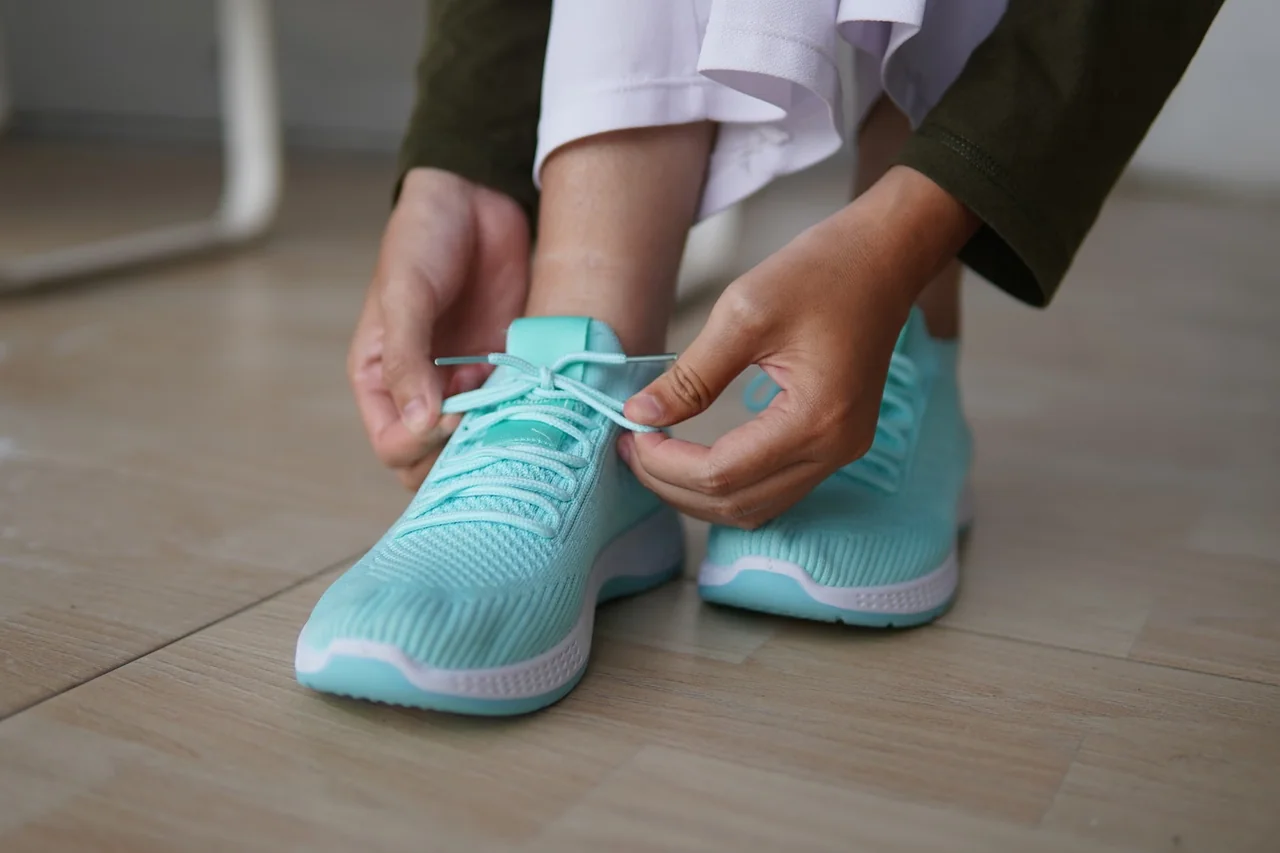
A low foot arch does not determine on its own which running shoe a runner should wear. Some people with this anatomy run for years in neutral models without discomfort; others need a more stable platform to control symptomatic overpronation. The difference is not the shape of the foot at rest, but how it behaves while running, how loads are distributed and what sensations appear as the kilometres accumulate.
The safest choice combines immediate comfort, enough room for the toes, a stable base and support that does not press into the arch. The best options for this profile are not necessarily the stiffest ones or those with the most motion-control features. This guide examines the decisive characteristics, the most common mistakes and several road-running models that may suit different runners, while recognising that a shoe cannot correct an injury or replace a clinical assessment.
A flat foot does not always mean overpronation
A flat foot describes a reduced height of the medial longitudinal arch. It may be present from childhood or develop over time because of changes in tendons, ligaments, muscles, body weight or injuries. It may also be flexible, when the arch appears without weight, or more rigid, when it remains low even without support. That distinction changes how the foot absorbs and transfers forces.
Pronation, by contrast, is a normal movement during the stride: the foot rolls inward and adapts to the ground after contact. Overpronation refers to excessive movement or movement that lasts too long, but its presence does not automatically mean pain. Some runners with low arches move efficiently, while others with high arches develop problems. Anatomy guides the choice, but function and sensations matter more.
Wear on a shoe can provide a clue, although it is not a diagnosis. More wear on the inner side of the outsole, a heel that collapses or a feeling of instability are useful observations, not conclusive tests. It is also important to distinguish normal fatigue after a long session from repeated pain in the heel, shin, knee, hip or lower back. When discomfort continues, an assessment by a podiatrist or another healthcare professional is more reliable than any home analysis.
What a stable running shoe should provide
Modern stability does not depend only on a hard piece beneath the arch. Brands combine a broad base, sidewalls, transition-friendly geometry, an outsole with good ground contact and foams with different densities. The goal is for the foot to move forward predictably without feeling trapped. A well-designed stability shoe feels like a calm platform, not a wedge constantly pushing from the inside.
A straight and relatively roomy last is often a useful reference when the midfoot needs space. The toe box should allow the toes to spread without letting the foot slide around. The heel, meanwhile, should stay secure without pressing on the Achilles tendon. This balance is especially important for flat and wide feet, because a narrow shoe can distort the landing and create more instability than it was meant to prevent.
Cushioning matters too, but there is no universally correct amount. A very soft foam may feel pleasant at first and still provide an imprecise sensation during changes of direction. A firm platform can transmit security, although not every runner tolerates the same response. Body weight, pace, weekly volume, surface and personal preference all change the result. Sustained comfort during the session should guide the decision, not the stability label alone.
Stability, motion control and neutral shoes
Neutral shoes do not include a specific correction intended to limit inward movement. That does not make them unsuitable for every flat-footed runner. Someone without pain, with good strength and stable mechanics may feel more comfortable in a neutral shoe, especially if it has a broad platform and a smooth transition. How the foot behaves while running matters more than the commercial category printed on the box.
Stability models provide more guidance through midsole geometry, midfoot support or a base that limits certain movements. They are a reasonable option when overpronation is accompanied by fatigue, loss of control or repeated discomfort, but they should feel natural from the first minutes. Support should not create a local pressure point under the arch or alter the stride enough to place tension elsewhere.
Motion-control shoes take a firmer approach and are less common in mainstream running than they were a decade ago. They may make sense in specific cases, but they are not the automatic next step after a stability shoe. Categories overlap and brands use different names for similar solutions. Trying the shoe while walking and jogging for several minutes therefore provides more information than comparing technical terms alone.
Models that may suit different runners
A useful selection should separate clearly supportive models from those that provide stability indirectly. It should also recognise that availability changes by country, size and season. Older generations may still perform very well, but it should not be assumed that a new version feels exactly the same. The midsole, fit and width can change from one edition to the next.
ASICS GT-1000 14 and GT-2000 14
The ASICS GT family occupies a middle ground between lightweight daily trainers and more substantial stability shoes. The GT-1000 is often interesting for runners seeking a relatively restrained option, while the GT-2000 offers a structure more focused on maintaining the transition when the foot loses control with fatigue. They are alternatives for road running and everyday training, not a universal answer for every low arch.
Their appeal lies in the combination of guidance, cushioning and heel fit. The runner should check that the inner area does not rub the arch and that the forefoot retains enough freedom. A shoe may feel comfortable in a short session and too intrusive during a long run. The GT-1000 and GT-2000 should be distinguished by perceived support, not only by the version number.
ASICS Gel Kayano 32
The Kayano belongs to the maximum-protection range and is designed for runners who value a cushioned, stable and guided ride. It may suit long training sessions, heavier runners or people who feel their technique breaks down as the minutes accumulate. Its volume and structure, however, will not appeal to someone who prefers an agile shoe close to the ground.
For a flexible flat foot that tends to roll inward, its platform may provide security. In a rigid foot or one that is sensitive to midfoot pressure, the same construction may feel uncomfortable. Available width should be checked in each version and gender, as the last does not always behave identically. The Kayano makes sense when sustained protection is the priority, not simply because the arch is low.
New Balance Fresh Foam X 860 v15
The 860 is one of the best-known options for runners who want stability in daily training without choosing an extremely heavy model. The family combines cushioned foam with control features around the midfoot. Its approach may suit easy training, higher mileage and runners who prefer a firm base beneath the foot.
The decision depends heavily on fit. New Balance often offers different widths in some markets, an important detail for runners who need to free the forefoot or accommodate an orthotic. The shoe should hold the heel without compressing the ankle bones and allow the toes to spread. The correct width can change perceived stability more than a small difference in foam.
New Balance Fresh Foam X Vongo v6
The Vongo is aimed at runners seeking a more protected and cushioned feel than that of a lighter stability shoe. Its generous base and midsole geometry are intended to make the landing progress smoothly, something a flat-footed runner may appreciate on long runs. Its profile is better suited to comfortable paces than fast workouts.
The shoe’s volume must be justified by the runner’s actual needs. A highly protective model may feel cumbersome for lighter runners or those with efficient mechanics. It may also raise the foot inside the upper if the size is wrong. The Vongo is a sensible candidate for someone prioritising softness and control, but the balance between support, weight and freedom of movement should be checked first.
HOKA Gaviota 6
The Gaviota uses a broad platform and a construction designed to provide stability during road training. Its geometry may help the foot move forward without relying on an aggressive piece under the arch, something some flat-footed runners appreciate. Its generous cushioning makes it attractive for accumulating kilometres at moderate pace and for those seeking a protected ride.
The tall and substantial design will not suit every running style. Some people prefer a lower platform and may find the Gaviota too structured. The heel must be securely locked, particularly on sloping surfaces or during pace changes. A broad platform adds stability, but it does not remove the need to get the size and fit right.
Saucony Guide and Brooks Adrenaline GTS
The Saucony Guide represents a moderate stability approach, designed to accompany the stride without a strongly marked correction. It may work for daily training and medium or long distances when the runner wants smooth transitions and discreet support. Older versions, such as the Guide 14, may still appear in shops, although their behaviour should not automatically be attributed to current generations.
The Brooks Adrenaline GTS follows a similar philosophy: stability integrated into the geometry, a secure fit and versatile daily use. It is an alternative for runners who do not want an extremely soft or minimalist shoe. In both cases, the arch should feel supported rather than pressed. Moderate stability is usually a more sensible starting point than maximum control when there is no pain or diagnosis of problematic overpronation.
Brooks Dyad and Saucony Echelon
The Brooks Dyad has attracted interest from runners who need a roomy last, a stable base and space for custom orthotics. Its design is more neutral than corrective, so it may suit flat feet that do not require strong guidance. The trade-off is often a less light and less dynamic sensation than that of a faster daily trainer.
The Saucony Echelon follows a similar idea: a broad platform, stable support and enough room for the foot to move naturally. It can be particularly useful for orthotics, wide feet or runners who prioritise comfort over weight. Availability for both families varies and some names refer to older generations. They illustrate that a flat foot does not always need a pronation shoe.
ASICS GT-4000 2 and older generations
The GT-4000 2 belongs to an older generation, but it still appears in comparisons and catalogues because of its marked support, broad base and protective approach. It may appeal to runners who prefer a firm control sensation, although its fit and ride may feel less current beside newer models. The condition of the midsole should be checked when buying a pair that has been stored for a long time.
The same applies to the New Balance 860 v12, Saucony Guide 14 and other discontinued models. An older shoe does not become invalid merely because it has been replaced, but the reader should distinguish between a recommendation based on its features and real availability in 2026. Release date matters less than the condition of the compound, the size and compatibility with the foot.
How to try running shoes without making a mistake
The test should be done with the usual socks and, when possible, at the end of the day, when the feet have expanded slightly. Check the space in front of the longest toe, heel hold and the absence of folds pressing on the instep. The toe should not touch the front when walking downhill or deeply flexing the ankle. A fit that is too tight can turn a comfortable shoe into a source of black toenails and blisters.
Walking is not enough. A few minutes of jogging can reveal whether the inner support pushes against the arch, whether the knee feels forced or whether the heel moves inside the counter. Both feet should be tested, because they are rarely identical. The size should leave room without turning the shoe into a loose cover. The right model fades from attention while you run: it does not force you to alter every step or demand a painful adaptation period.
Orthotics require a specific check. If the runner uses custom devices, they should be taken to the fitting and tested to make sure they do not raise the heel too much or create pressure in the midfoot. Changing both the orthotic and the shoe at the same time makes it difficult to know which element causes discomfort. The same applies to laces: gradual adjustment can secure the instep without tightening the arch area.
Common mistakes when choosing for a low arch
The first mistake is buying a strongly controlling shoe simply because the arch disappears when the foot bears weight. A static shape does not show the full running mechanics. The second is assuming that more cushioning automatically means more protection. A soft midsole may feel comfortable, but it can also feel unstable if it is not combined with a suitable base.
Another frequent mistake is ignoring width. When the toes are compressed, the foot loses its ability to distribute load and the runner may feel less stable. It is also common to wear the new model straight into a long run. Adaptation should be gradual, although a shoe that causes local pain from the first use rarely improves through persistence. Pain is not a compulsory stage of adaptation.
Buying based on another runner’s recommendation does not guarantee the same result. Two people with flat feet may differ in weight, ankle mobility, strength, pace, injury history and width. Other people’s reviews help identify trends, but they do not replace trying the shoe. Even within one brand, the last can change considerably between a stability line and a neutral line.
When it is worth seeking advice before continuing to run
Shoes can improve the sensation of support, but they should not be used to hide pain that is getting worse. Persistent discomfort on the inside of the ankle, heel, knee or shin deserves attention, particularly if it also appears while walking or worsens with every session. Swelling, loss of strength and night pain should not simply be blamed on a low arch.
A professional assessment can examine mobility, strength, posterior tibial tendon function, alignment and technique in motion. It can also determine whether an orthotic makes sense or whether other factors need attention. The shoe is part of the context, not the complete treatment. Rest, load progression and specific exercises may matter more than changing brands.
Training also changes requirements. A stable, cushioned model may be suitable for long easy runs, while a lighter one may work for intervals if the foot maintains control. There is no obligation to use the same pair for everything. The important point is that each choice responds to the surface, pace and runner’s tolerance, without turning the shoe category into a complete explanation of biomechanics.
Comfort remains the hardest criterion to replace
The best running shoes for a flat-footed runner are those that allow kilometres to be accumulated without local pressure, slipping or increasing pain. Stability may come from a support structure, a broad base or simply a platform that works well with the foot’s natural shape. That is why models such as the GT-2000, Kayano, 860, Vongo, Gaviota, Guide, Dyad or Echelon may occupy different places in a rotation, provided they fit the person rather than the other way around.
The final decision should consider actual use, width, cushioning, firmness, weight and injury history. A low arch does not require one universal prescription and does not turn pronation into a disease. The best purchase combines freedom, control and comfort throughout the session, with a choice that can be reviewed when training volume, surface or sensations change.
Este artículo contiene enlaces de afiliado: si compras a través de ellos, se genera una pequeña comisión sin coste adicional para ti. Más información.



How to prevent thigh chafing: causes and real solutions

Women’s running windbreakers: seven jackets and how to choose

Do more workouts get rid of soreness? A guide for runners

Jaén Half Marathon 2026: Record 3,800 Runners Registered

Men’s short running tights: how to choose the right pair

World Triathlon confirms data breach involving medical data

Izan Edo targets podium at Miyazaki World Cup

María Pérez ranks ninth in World Athletics’ 2026 top ten

Dos Santos, Duplantis and Sawe: World Athlete of the Year finalists

San Silvestre Vallecana 2026: 42,000 places, prices and start times

 Races4 months ago
Valencia Half Marathon 2027: date and registration

 Races4 months ago
Valencia Marathon 2026: entry, ballot and course

 Reviews and Comparisons4 months ago
Asics Gel-Roadmiles 3 for men: review and current price

 Reviews and Comparisons4 months ago
Asics Gel Sonoma 8 Gore-Tex: complete analysis for trail and rain

 Sneakers3 months ago
Saucony Endorphin Pro 4: full review and verdict

 News5 months ago
Strava API 2026: what changes for clubs, challenges and runner apps?

 Reviews and Comparisons5 months ago
Nike Alphafly 3: opinions, sensations, and real key points

 Reviews and Comparisons4 months ago
Under Armour running shoes review 2025-2026: models and key features

 Sports Equipment4 months ago
Shoe sizes in cm: a clear guide to getting the right fit for your footwear

 Sneakers3 months ago
Skechers GO RUN Consistent 2.0 analysis: comfort and limits

 News5 months ago
Valencia Marathon 2026 route: key tips to train and run better

 Sneakers4 months ago
Adidas Adizero Boston 13 for men: review and verdict