Sneakers
Track shoes without spikes: guide and models
Fast and stable footwear for track: key buying tips, standout models, and criteria for choosing the right one based on your profile.

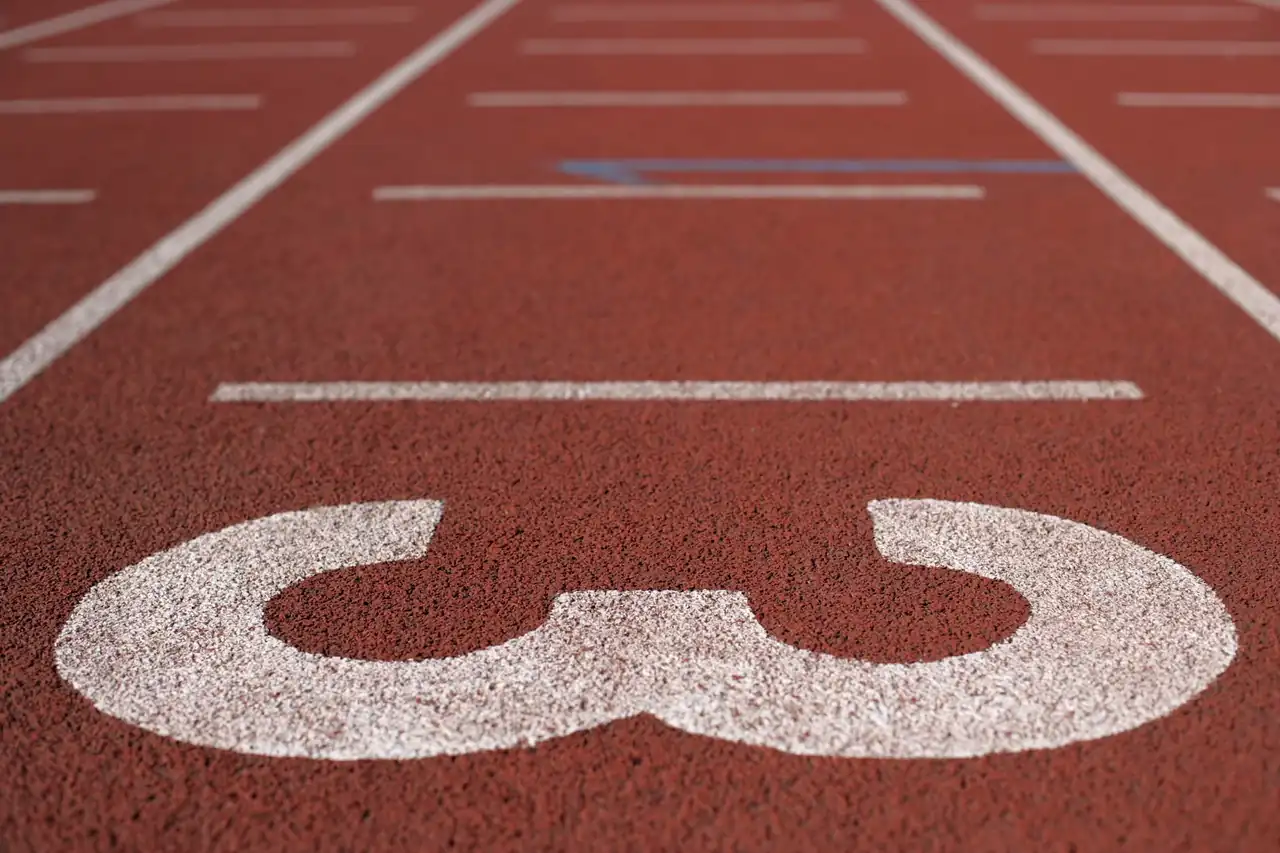
The track does not always require metal under the sole. In many track sessions and competitions, a fast shoe without spikes makes more sense than a pair of spike shoes: less aggressiveness, more versatility, and a lower risk of overloading the calves, soleus muscles, or Achilles tendon. For recreational runners, and even for athletes with good technique but moderate paces, the difference in grip between spikes and a good responsive sole is usually small; the difference in comfort and effort tolerance, not.
The key is understanding what the shoe will be used for. In intervals, controlled workouts, pace changes, or middle-distance and long-distance track events, a lightweight shoe with good rubber coverage, agile transition, and a firm fit can perform better than a spike model designed to maximize the start or the first bend. That is where track options without spikes fit in: they do not aim to work magic, but to balance grip, protection, and speed on a surface that already returns a lot of energy on its own.
Why the track also allows fast soles without spikes
The track has a very particular behavior. Its synthetic surface offers better traction than asphalt, but it also punishes more than a soft treadmill or a smooth road if the runner lands heavily and with poor technique. That is why not everyone needs the same level of traction. In longer events, warm-ups, quality workouts, or controlled intervals, the body appreciates a gentler landing, a slightly wider base, and cushioning that does not feel like a board.
Spikes do provide bite, yes, but they also concentrate pressure on the forefoot and calves. That very direct transfer works when running very fast and with a high stride frequency. By contrast, for anyone who is not going to squeeze every bend to the limit, a spike-free track shoe can be a more sensible solution. The benefit is not only avoiding discomfort; it is also being able to use the same pair on the track, in the warm-up, and in some cases off the track too without feeling like you are dragging a surgical instrument on your feet.
There is another important nuance: technique matters more than the material. A stable runner, with good cadence and clean footstrike, gets the most out of a lightweight sole even without spikes. On the other hand, someone with messy foot placement or a heavy heel strike usually notices more wear, instability, and fatigue in the posterior muscles. The right purchase, therefore, is not the most aggressive one, but the one that best supports the runner’s real stride.
What a good spike-free track shoe should have
Weight matters, but it is not everything. In this segment, getting under 200 grams already makes a clear difference; below 180 grams, the shoe starts to feel truly light; and if it comes in around 160 grams, it usually enters a very interesting zone for middle distance and fast intervals. However, saving grams at the expense of stability or cushioning often ends up being costly when repetitions add up or you compete several times in the same week.
The sole also matters, a lot. Ideally, it should be rubber with good tread or compounds with high friction that do not become slippery in the curves. On the track, grip does not depend only on the surface being synthetic; the wear of the shoe, the pressure of the landing, and how the forefoot flexes all play a role. Well-placed grooves and a chassis that does not twist excessively provide security. If the base is too soft, the sensation may be pleasant at first and deceptive later.
Cushioning has to be sufficient, not excessive. A track shoe does not need a cloud of foam underfoot, but it also should not be a dry block that punishes every impact. In this terrain, more restrained profiles work better, with firm and responsive foam, or with a partial plate that provides propulsion without making the whole package clumsy. That middle ground is what separates a useful model from one that only looks fast when it comes out of the box.
Fit deserves special attention. The track is a place where the foot works more than it seems: on curves, during pace changes, in the mechanical repetition of each lap. An upper that does not hold the foot well or a last that is too wide creates internal movement that leads to chafing, energy loss, and a feeling of instability that ruins the session. The upper should hug without squeezing, like a mesh that supports without strangling.
Models that have stood out and why they fit on the track
Among the best-known options is the Nike Zoom Fly 5. It is not a shoe designed exclusively for tartan, but its combination of plate, responsiveness, and protection makes it a logical companion for quality sessions and some middle- and long-distance races. Its weight, around 274 grams in typical versions, places it above the most radical racing shoes, although it compensates with a smooth transition and a sense of propulsion that helps when the session gets demanding. It works especially well on the track when the goal is not to fly through the first bend, but to hold a strong pace with less wear.
The Asics Tartherzeal 6 has long been a benchmark for runners looking for a very light and responsive shoe with a more direct character. At about 160 grams, it fits squarely into the category of fast footwear for middle distance and intense work. Its behavior favors runners with refined technique who do not need abundant cushioning. It is one of those shoes that make more sense when the runner already knows what they are doing with the foot and does not rely on the shoe to correct footstrike.
The Saucony Type A represents the sharpest end of the concept. With a weight close to 170 grams and a low drop, it delivers a very ground-connected feel. That kind of profile favors a sense of control and progressive acceleration, something useful on the track when immediate response is needed at high speeds. They are not the most forgiving, and they do not try to be; their natural territory is sustained speed, where the runner values quick transition more than prolonged protection.
The adidas Adizero Takumi Sen 8 brings another interesting take: reasonable lightness, approximately 185 grams, and a platform that combines a carbon plate with Lightstrike Pro foam. On the track, that setup offers very marked responsiveness without fully falling into minimalism. The Continental outsole also adds extra traction security. It is no coincidence that many runners see them as a kind of bridge between track and road: fast for racing, stable enough for training, and more versatile than a spike model.
These are not the only useful references, but they do help map the terrain. When a shoe earns a place on the track without relying on spikes, it usually does so through a mix of three virtues: low weight, clear responsiveness, and a secure base. Some brands lean more toward longer distances and the marathon; others, toward middle distance and quality intervals. Runners who train several disciplines on the track especially appreciate that versatility, because one pair can serve both for pace work and for racing without feeling like too much is being sacrificed.
How the choice changes depending on distance and workout type
A shoe for a 400 does not perform the same as one for a 5,000. In short, explosive distances, the runner wants instant response, a firm sole, and very direct contact with the ground. That is where the more radical options fit better, even if they do not have spikes. But in middle and long distance, the equation changes: repetitions build up, impact repeats, and protection becomes almost as important as speed. A slightly more lively shoe, but not overly stiff, is usually the smarter bet.
In long interval sessions, threshold work, or track pace changes, the body not only needs speed; it also needs to preserve freshness. Responsive foam helps the stride avoid collapsing at the end of the set, and a stable fit keeps the foot from moving around inside the shoe. For purely technical work or drills where acceleration is brief, however, a thinner and less structured model may be preferable, because it forces you to feel the ground better and run with more precision.
The runner’s weight also changes the picture. A lighter athlete usually tolerates a sparse and firm shoe better; someone heavier or with greater impact force appreciates a gentler base. There is no universal formula, but there is a clear clue: the greater the load each landing puts on the foot, the more important stability becomes. A very aggressive model may look fast in the hand and end up feeling clumsy on the track if the runner does not suit its character.
The boundary between training and competition
On the track, the same pair does not always do everything. Some shoes are designed to race and others to train with dignity without the foot complaining the next day. The lightest and most direct models, like radical racing flats, shine when intensity is high and duration is short. The mixed models or those with a more generous profile, by contrast, can handle more uses and fit better into weeks with high training volume. That practical difference matters because many runners do not need a single perfect shoe, but rather a model that does not force them to keep it like porcelain.
The track also has a visual trap. From the outside it looks like a homogeneous, almost soft surface; from the inside, every footstrike reveals imperfections in the stride. In that context, a spike-free but fast shoe can be more useful for learning how to run well than a pair of spikes that merely amplifies flaws. For young athletes, candidates for public-service exams, or hobby runners who go to the track a couple of times a week, that perspective is especially valuable.
Durability is another factor. Very lightweight shoes tend to wear out the sole sooner and lose responsiveness faster. If they are used off the track on asphalt, the wear accelerates even more. That is why it makes sense to reserve them for the use that justifies the purchase. A good spike-free racer can last quite a while if used wisely; abused on paths or in slow long runs, it soon becomes an expensive and ungrateful object.
Signs that one model will work better for you than another
The first sign is how the runner lands. If the footstrike is clean, cadence is high, and ground contact is brief, low-profile, lightweight, and highly responsive models work well. If, however, the stride needs more room for error, it is better to look for something that combines agility with a bit more foam underfoot. The second criterion is the usual pace: the closer the runner gets to demanding times, the more logical a minimalist and lively design becomes; the farther away, the more some protection makes sense.
The third factor is distance. In the 800 or 1,500 meters, feelings of speed and lightness matter enormously. From 3,000 or 5,000 onward, running economy and comfort start to become more relevant. In even longer track events, too much stiffness can make the experience harsh, like running on a thin board. A good spike-free shoe should almost disappear on the foot; if you notice it too much, that is usually a bad sign.
The terrain around the track also matters. Many sessions start on the street, move onto tartan, and finish with drills or cooldown laps. In those cases, a model that can handle the transition off the oval with some dignity has a clear advantage. Versatility in modern running is not a luxury: it is a way to save discomfort, money, and unnecessary shoe changes.
What to avoid when buying for tartan
The most common mistake is confusing speed with hardness. A very firm shoe is not automatically better. If the foam does not return energy or the platform feels unstable, the sense of speed does not last long. It is also common to buy based on appearance, letting an aggressive look or a very low silhouette decide for the runner. On the track, what matters is the real behavior: how it transitions, how it grips, how it adapts to the curve.
Another typical mistake is using gym or general training shoes for track sessions. That kind of shoe is usually heavier, grips worse, and handles pace changes poorly. The result is not always an immediate injury, but it is unnecessary energy expenditure and a feeling of clumsiness that is especially noticeable in short intervals. A specific running shoe, even without spikes, already makes a huge difference thanks to the combination of materials and geometry.
Nor is it wise to go to the extreme of lightness if the foot is not ready for it. Very radical options may work well during a certain period of an athlete’s life and not be suitable at another time. The runner changes, the weight changes, the technique changes, and tendon tolerance changes too. A model that seems perfect one year may fall short the next or, on the contrary, feel too harsh in a season with more training volume.
A choice that should look at the stride, not just the display
The best spike-free track shoes are not the flashiest ones, but the ones that fit the actual type of running being done. In a market increasingly dominated by plates, foams, and loud names, the track still rewards something very simple: run well and spend just enough. That leaves room for everything from very sharp models, close to the world of pure competition, to more balanced options that allow hard training without paying a physical price the next day.
For many runners, that balance is the real answer. A pair that is too aggressive can impress in the shop and disappoint on the bend; one that is too heavy may be comfortable, but it will not meet speed needs. Between those two extremes lives the footwear that ages best on the track: light, stable, sufficiently responsive, and with a sole that does not collapse as soon as the session gets longer.
At the end of the day, the track is a place of precision. Every footstrike leaves a small signature on the ground and also on the body. Choosing spike-free footwear well means respecting that stride, accepting that not every runner needs spikes, and understanding that speed can also be built with a well-thought-out base, without noise and without artifice. In that silence lies, many times, the difference between suffering through the session and finishing it with the feeling that you truly ran.
You may also like: Women’s non-spike track shoes: buying guide.
Este artículo contiene enlaces de afiliado: si compras a través de ellos, se genera una pequeña comisión sin coste adicional para ti. Más información.



How to prevent thigh chafing: causes and real solutions

Women’s running windbreakers: seven jackets and how to choose

Do more workouts get rid of soreness? A guide for runners

Jaén Half Marathon 2026: Record 3,800 Runners Registered

Men’s short running tights: how to choose the right pair

World Triathlon confirms data breach involving medical data

Izan Edo targets podium at Miyazaki World Cup

María Pérez ranks ninth in World Athletics’ 2026 top ten

Dos Santos, Duplantis and Sawe: World Athlete of the Year finalists

San Silvestre Vallecana 2026: 42,000 places, prices and start times

 Races3 months ago
Valencia Half Marathon 2027: date and registration

 Races3 months ago
Valencia Marathon 2026: entry, ballot and course

 Reviews and Comparisons4 months ago
Asics Gel-Roadmiles 3 for men: review and current price

 Reviews and Comparisons4 months ago
Asics Gel Sonoma 8 Gore-Tex: complete analysis for trail and rain

 Sneakers3 months ago
Saucony Endorphin Pro 4: full review and verdict

 News5 months ago
Strava API 2026: what changes for clubs, challenges and runner apps?

 Reviews and Comparisons5 months ago
Nike Alphafly 3: opinions, sensations, and real key points

 Reviews and Comparisons4 months ago
Under Armour running shoes review 2025-2026: models and key features

 Sports Equipment4 months ago
Shoe sizes in cm: a clear guide to getting the right fit for your footwear

 Sneakers3 months ago
Skechers GO RUN Consistent 2.0 analysis: comfort and limits

 News5 months ago
Valencia Marathon 2026 route: key tips to train and run better

 Sneakers4 months ago
Adidas Adizero Boston 13 for men: review and verdict