Sneakers
Teva Trailwinder Mid GTX for women: review and verdict
We assess waterproofing, fit, traction and mountain performance to identify when these lightweight hiking shoes make sense.

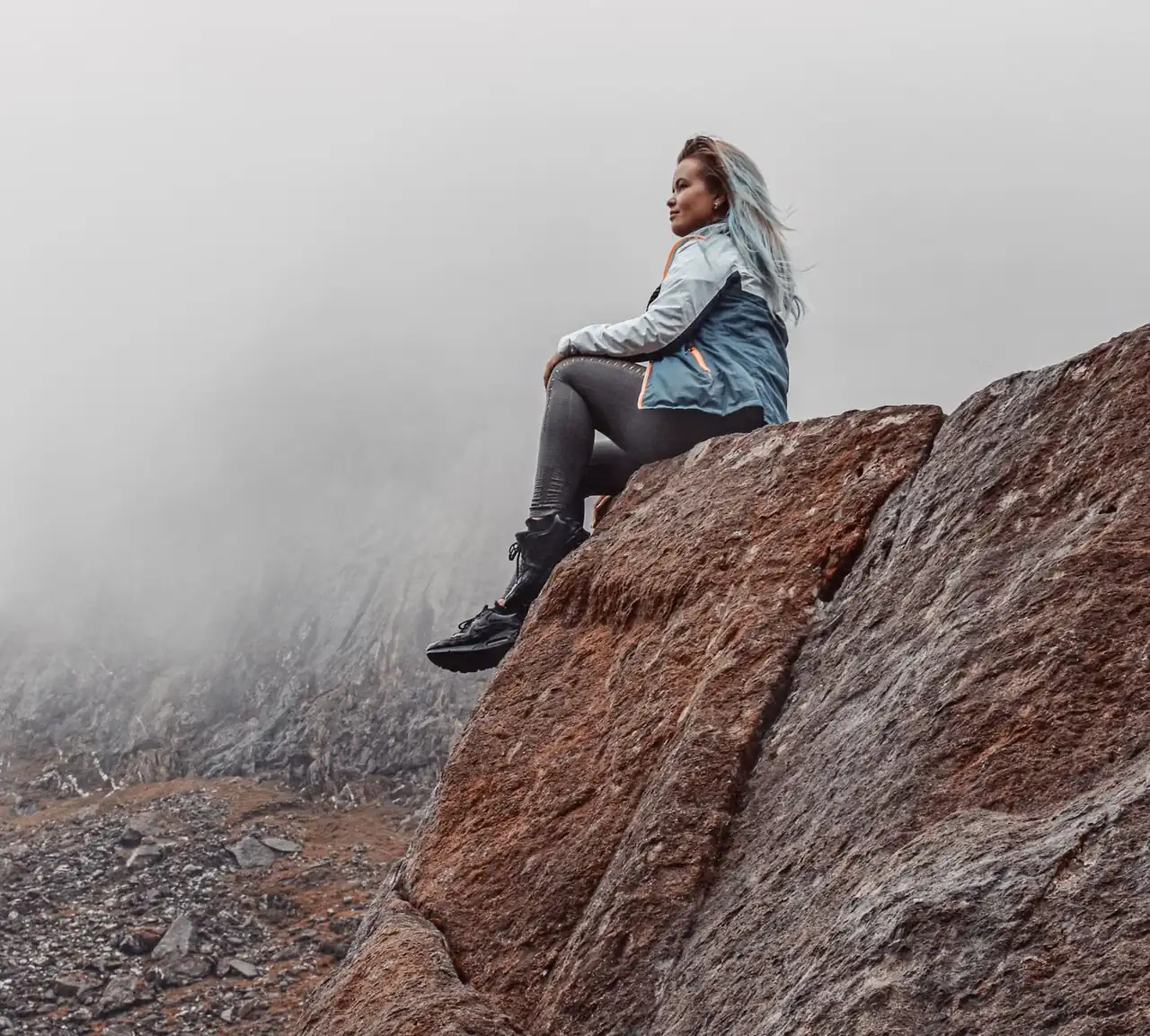
The women’s Teva Trailwinder Mid GTX is a mid-cut hiking shoe designed for natural terrain, combining wet-weather protection, low weight and a more supportive ankle fit than a low-cut shoe. The model appears in different listings and catalogues with changing colour names and prices, so size, condition and the exact product specification should be checked before any purchase is assessed.
Its design is best suited to moderate routes, woodland paths, rocky slopes and days in the mountains when weather conditions can change. The GORE-TEX membrane, LITE-COMF midsole, reinforced toe box and rubber outsole with stepped lugs shape its performance. It is not a trail-running shoe or a rigid trekking boot; it occupies the middle ground where freedom of movement matters as much as protection.
What kind of footwear is the Trailwinder Mid GTX
The mid-cut construction covers part of the ankle and gives a more secure feeling than the Trailwinder Low. This height does not automatically turn the shoe into a heavy high-mountain boot. Its purpose is to wrap the area more closely, limit the entry of small stones and provide an extra barrier against splashes, wet vegetation and shallow mud. The collar should be viewed as a protection and stability feature, not as a guarantee against every ankle roll.
The model is aimed at hiking and outdoor use, with a more agile profile than many traditional boots. The upper combines synthetic and textile components, while the neoprene cuff is intended to soften contact around the lower leg. This can feel comfortable over several hours, although the result depends heavily on ankle shape, sock thickness and the selected size.
Available references repeatedly describe a construction with approximately 71% synthetic material and 29% textile, a rubber outsole and a waterproof membrane. Commercial specifications do not always provide the same level of detail, so the inside label and seller description should take priority. The presence of GORE-TEX should be verified on the exact pair, especially when a listing mixes Mid, Low or other Trailwinder versions from different seasons.
Waterproofing and breathability on real hikes
GORE-TEX uses a membrane that blocks liquid water while allowing some moisture vapour to escape from inside. In practice, it helps protect against rain, wet grass and shallow puddles as long as water does not rise above the collar. This protection does not mean the shoes can be submerged: if water enters through the top, laces or a damaged seam, the membrane can no longer keep the inside dry.
On a damp mountain path, the difference is most noticeable when crossing wet leaves and soft ground. Feet stay more stable in temperature and the lining takes longer to become saturated than in an unlined mesh shoe. The main advantage appears in changeable conditions, not necessarily on a hot, dry day when a non-membrane version may ventilate better.
Breathability also has limits. In summer, during long climbs, the interior can feel warm, particularly with thick socks or overly tight lacing. The membrane reduces direct airflow and requires careful care: air-drying at room temperature, removing mud and avoiding radiators or intense heat. The balance between waterproofing and ventilation always depends on weather, pace and sweat levels.
Grip, outsole and mountain behaviour
The Spider Rubber outsole is associated in the available references with lugs in several sizes and stepped profiles. This geometry is intended to provide stable contact on soil, gravel and dry rock while allowing the shoe to flex during walking. On compact paths and root-covered ground, the design can feel secure without the clumsy sensation of an excessively stiff outsole.
Grip should not be judged only by lug depth. Rubber compound, spacing between lugs, body weight and foot placement also matter. On smooth wet rock, any shoe can lose traction, while clay mud may fill the outsole gaps. The Trailwinder Mid GTX is better suited to varied trails than extreme alpine terrain, where greater stiffness, protection and precision are needed.
On descents with loose stones, the reinforced toe box provides useful defence against accidental impacts, but it does not replace controlled foot placement. The mid cut may help keep the foot centred on sloping ground, although it cannot eliminate slipping risk. The expected result is a stable and reasonably comfortable stride over several hours, not a tool for climbing or carrying very heavy loads.
Comfort, cushioning and ankle fit
The LITE-COMF midsole is one of the elements that shapes the walking experience. Its aim is to provide enough cushioning to soften the feel of stones while keeping the transition flexible. Compared with a traditional leather boot, the response should feel lighter and more dynamic; compared with an urban trainer, it offers a firmer platform and an outsole made for natural terrain.
Initial comfort may be good, but this type of footwear should not be worn straight into a long trek. The neoprene cuff and lacing system need to settle around the ankle. Excessive tightness can create pressure on the instep or cause rubbing, while a loose fit allows the heel to move during descents.
The most useful test is to walk downhill, flex the ankle and check that the toes do not hit the front. It is also important to test the shoes with the socks intended for hiking and at the end of the day, when feet are often slightly swollen. The feeling should be secure, not compressed. In waterproof footwear, leaving some space in front helps preserve comfort and circulation over many hours.
Sizing and differences between versions
The listings consulted show pairs in US and European sizes, from small numbers to approximately EU 42, although availability changes by seller. This range does not mean all pairs share the same fit, condition or season. A Trailwinder Low, a Mid GTX and a non-membrane Trailwinder may have different internal volume even though they belong to the same family.
Conversion between US and European sizes is only a guide. Foot length, forefoot width and instep volume matter more than the number printed on the box. The safest reference is to measure both feet and compare the result with the retailer’s chart, because a difference of a few millimetres can change comfort considerably on descents.
Photos also deserve attention. Listings may describe colours as brown and pink, dark earth and smoky pink, or other natural combinations, while the commercial name varies between countries. Images should show the label, outsole, membrane edge and condition of the laces. With used pairs, the outsole may look sound while the exterior treatment or sealing has lost some of its effectiveness.
Which trails suit them best
These shoes can make sense on half-day or full-day routes through woodland paths, dirt tracks, moderate mountain trails and itineraries that alternate between dry sections and damp areas. Their protection is particularly practical in autumn, winter and spring, when vegetation holds water and the ground changes firmness throughout the day.
In eastern Spain, for example, they could suit inland routes with limestone, dry riverbeds and pine forest sections, provided the technical difficulty does not call for more robust footwear. On the coast, the membrane may be useful after rain but excessive on hot days. Terrain and weather matter more than the hiking label shown in a listing.
For a trek with a heavy pack, frequent snow, highly technical rock or long off-trail sections, a boot with greater support and protection is worth considering. For city walking, continuous asphalt or travel focused mainly on urban streets, the lugs and membrane may offer more resistance than necessary. Their natural territory lies between active walking and accessible mountain routes.
Trailwinder Mid GTX versus a low-cut shoe
The Mid version offers more ankle coverage and creates a higher barrier against small stones, branches and damp vegetation. It also gives a stronger sense of support, which can be noticeable when the path crosses uneven ground. The trade-off is less freedom of movement and more contact around the lower leg. A mid cut improves protection, but it does not always improve comfort.
The Trailwinder Low, according to the available specification, uses a recycled mesh upper, LITE-COMF midsole, Spider Rubber outsole and NAVILOCK internal bootie system. That version prioritises ventilation, flexibility and easier entry. The Mid GTX adds water protection and a more enclosing construction, so the choice depends on whether the priority is cool movement or protection in damp, changing environments.
On dry ground and in high temperatures, a low-cut shoe usually feels less bulky. On wet paths, tall grass or descents with loose stones, the mid version feels more closed and protected. Neither replaces a technical boot when load, elevation or exposure increase. The comparison should start with intended use rather than a simple ranking of better and worse.
Reference pricing and market availability
Available references place the model in a broad price range. One offer record showed it at 160 euros, with a stated historical low of 96 euros, while another catalogue presented the Trailwinder Low at a 124.90-euro list price and 92.90 euros on sale. Used or imported listings showed prices around 1,374 or 1,478 Mexican pesos, before possible shipping costs.
These figures should not be treated as a current official price. The model may be discontinued at some retailers and available only as individual stock, with variations by size, colour, country and condition. The final cost depends on actual availability, shipping, taxes and return terms. An apparently cheap pair may not be good value if the size cannot be exchanged or the membrane is worn.
The fairest comparison considers the total cost rather than the highlighted number alone. A new pair with its box, proof of purchase and returns may justify a higher price than a used pair with unclear information. Conversely, paying new-product money for footwear showing wear, a tired outsole or damaged lining makes little sense even when the listing photographs look appealing.
What to check before buying a pair
The first check should focus on the full product name. Trailwinder, Trailwinder Low and Trailwinder Mid GTX do not describe exactly the same construction. It is also worth confirming that the stated size uses the expected system and that the photographs show the actual pair rather than a generic catalogue image.
The membrane deserves a specific inspection. Look for the GORE-TEX mark, examine the seams and check whether the lining shows stains, peeling or hardened areas. On the outside, the toe box, heel, collar edge and lugs usually show wear first. An outsole with deep tread alone does not guarantee that waterproofing remains intact.
Storage history also matters. Rubber and adhesives age when footwear is kept for years in very hot or damp places. With older-season models, physical inspection provides more information than a short description. Return policy, available return period and clear photographs are part of the real value of the purchase, just as much as price.
Care to preserve performance
After a hike, the priority is removing mud before it hardens. A soft brush, lukewarm water and gentle cleaning are enough to keep lugs and seams clear. The insole can be removed to improve drying, while laces should be loosened fully. Slow drying at room temperature protects the membrane and adhesives.
Strong detergents, bleach, fabric softener and direct heat can alter the materials and shorten footwear life. It is also unwise to store the shoes wet inside a backpack or poorly ventilated cupboard. Once dry, keep them away from direct sunlight and heat sources. The membrane does not need to look shiny to work correctly.
Over time, the outer treatment may lose its ability to make water bead on the surface. This does not necessarily mean GORE-TEX has stopped working, but the outer material may absorb more water and take longer to dry. Renew it only with products compatible with the fabric. Careful maintenance prevents a wet-looking exterior from being mistaken for internal failure.
A specific option for specific trails
The women’s Teva Trailwinder Mid GTX offers a balanced approach for walkers who want protected mountain footwear without the volume of a traditional boot. Its combination of membrane, mid cut, LITE-COMF cushioning and rubber outsole makes sense on varied trails, particularly when damp ground and loose stones are part of the route.
Its limits are equally clear: it is not designed for mountaineering, very heavy loads or long stretches of urban pavement. Fit must be checked carefully, and price should be assessed alongside age, available size and membrane condition. The purchase makes sense when its features match the actual terrain, not when the waterproof label becomes the only deciding factor.
In a market full of similar Teva listings, distinguishing the Mid GTX from low-cut or non-membrane versions helps prevent mistakes. Outsole photos, the inside label, collar condition and return terms can reveal as much as the product name. For damp mountain walking with a light, protected stride, it remains an interesting option when the right pair is selected.
Este artículo contiene enlaces de afiliado: si compras a través de ellos, se genera una pequeña comisión sin coste adicional para ti. Más información.



How to prevent thigh chafing: causes and real solutions

Women’s running windbreakers: seven jackets and how to choose

Do more workouts get rid of soreness? A guide for runners

Jaén Half Marathon 2026: Record 3,800 Runners Registered

Men’s short running tights: how to choose the right pair

World Triathlon confirms data breach involving medical data

Izan Edo targets podium at Miyazaki World Cup

María Pérez ranks ninth in World Athletics’ 2026 top ten

Dos Santos, Duplantis and Sawe: World Athlete of the Year finalists

San Silvestre Vallecana 2026: 42,000 places, prices and start times

 Races3 months ago
Valencia Half Marathon 2027: date and registration

 Races3 months ago
Valencia Marathon 2026: entry, ballot and course

 Reviews and Comparisons4 months ago
Asics Gel-Roadmiles 3 for men: review and current price

 Reviews and Comparisons4 months ago
Asics Gel Sonoma 8 Gore-Tex: complete analysis for trail and rain

 Sneakers3 months ago
Saucony Endorphin Pro 4: full review and verdict

 News5 months ago
Strava API 2026: what changes for clubs, challenges and runner apps?

 Reviews and Comparisons5 months ago
Nike Alphafly 3: opinions, sensations, and real key points

 Reviews and Comparisons4 months ago
Under Armour running shoes review 2025-2026: models and key features

 Sports Equipment4 months ago
Shoe sizes in cm: a clear guide to getting the right fit for your footwear

 Sneakers3 months ago
Skechers GO RUN Consistent 2.0 analysis: comfort and limits

 News5 months ago
Valencia Marathon 2026 route: key tips to train and run better

 Sneakers4 months ago
Adidas Adizero Boston 13 for men: review and verdict