Training
How to choose running shoes for your stride and terrain
The key factors for finding comfortable running shoes that suit your stride and reduce avoidable discomfort.

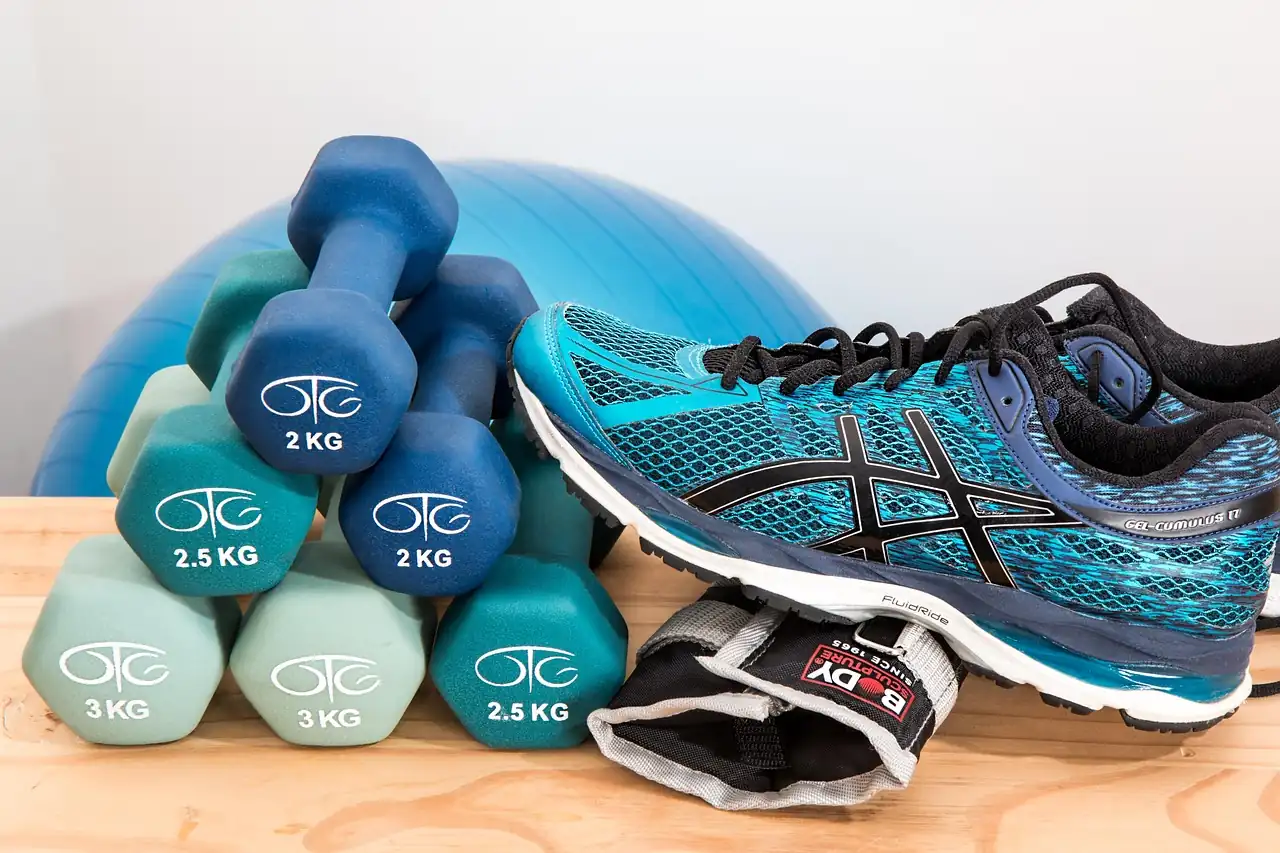
Choosing running shoes is not about picking the most expensive model, the brightest colour or the foam that appears in every advertisement. The decision should begin with something simpler and more decisive: how you run, where you run and what sensations you need. A road shoe does not respond in the same way on a dirt track, just as a lightweight intervals shoe cannot always replace a stable model for accumulating mileage.
Size, shape, surface, usual pace, distance and cushioning matter more than treating the pronation label as a decision on its own. Stride is part of the picture, but it does not dictate the purchase by itself. The best pair is the one that suits your foot and your real use, allows comfortable movement and offers a predictable response while running.
Your running style is the starting point
Before looking at brands or technologies, examine your routine. Someone running twice a week on Valencia streets has different priorities from someone training six days, combining asphalt and trails or preparing for a half marathon. Weekly volume also changes the choice: the more exposure your feet receive, the more important comfort, durability and tolerance become.
Body weight may influence how firm a shoe feels, although there is no automatic rule linking a heavier runner with maximum cushioning. Pace, technique and experience matter too. Cushioning does not prevent injuries by itself, but it can make running more comfortable when combined with the right fit and a sensible training load.
A beginner’s first shoe usually works best when it is versatile, stable and comfortable at easy paces. A runner used to combining easy runs, speed sessions and races may divide roles between several pairs. Rotation is not compulsory: it responds to specific needs rather than a universal rule.
Road, trails or mountains: every outsole has a purpose
Road shoes are designed for hard, relatively regular surfaces. They usually have a continuous outsole, modest lugs and a smooth transition from heel to toe. On a seafront promenade, asphalt or a dry pavement, moderate rubber coverage encourages contact without adding unnecessary weight.
A hybrid model may work on compact dirt paths and park trails when the ground has no deep mud, roots or loose rocks. These shoes usually balance protection and flexibility. Grip should match the ground you actually run on: an aggressive outsole can feel awkward and less efficient on asphalt, while smooth rubber loses security on a wet path.
Trail running requires a different structure. The outsole has more pronounced lugs, the chassis may provide better protection against rocks and the upper often resists abrasion. Lug depth matters, but so do its layout and the rubber compound. On technical routes, heel lockdown and toe protection become more important than they usually are in an urban running shoe.
Stride provides information, but it is not a diagnosis
During running, the foot adapts to the ground and naturally pronates. This movement helps absorb and distribute forces. Pronation is not a disease and does not automatically make a runner a candidate for a motion-control shoe. Supination describes greater pressure on the outside of the foot, while a neutral stride distributes contact more evenly.
Looking at wear on an old shoe can provide clues, but it cannot accurately show everything that happens while running. Outsole wear also depends on the surface, technique and walking pattern. Wear alone should not decide your purchase or justify a stability model by itself.
Stability shoes may use geometry, sidewalls or foam to help guide movement. They suit some runners, but are not necessarily safer for everyone. The most relevant signal is how your body responds: persistent pain, local pressure, numbness or obvious instability deserve professional attention, especially after a change of footwear.
Cushioning, firmness and energy return
Cushioning describes how the midsole manages part of the load and creates a particular underfoot sensation. Soft foam may feel pleasant immediately, although it can also transmit less stability. A firm midsole often provides a more direct response and a more consistent platform. Neither option is universally better.
The visible thickness of the sole does not tell the whole story. Compound, geometry, base width and shoe shape all change the experience. More foam does not always mean more protection or comfort; sometimes a moderate platform makes the foot strike easier to feel and helps control the stride more naturally.
For long runs, many runners appreciate softness, stability and a transition that does not fatigue the foot. Faster sessions may suit a lighter, more responsive model. Rigid plated shoes are aimed at high pace and racing, but they require adaptation and do not have to be the best choice for everyday training. Use should guide the decision, not the drama of the technology.
Drop changes the feeling of support
Drop is the height difference between the heel and forefoot, measured in millimetres. A drop of 8 or 10 millimetres often feels familiar to runners who land toward the rear of the foot. Models at 4 or 6 millimetres bring heel and forefoot closer together, while a near-zero drop almost removes the difference.
Drop does not determine technique or force a midfoot strike. It can change the load felt by the calves, soleus and Achilles tendon. Moving from a high drop to a low one requires a gradual transition, with short sessions and attention to any new discomfort in the back of the leg.
The footwear used previously also matters. A runner who feels comfortable in a medium-drop shoe does not need to change because another number is fashionable. Continuity can be an advantage when the previous pair caused no problems and still matches the terrain, distance and condition of the midsole.
The right size leaves room without losing lockdown
The foot increases slightly in volume during exercise and may slide forward on descents. For that reason, the shoe should not finish immediately in front of the longest toe. A gap of around 8 to 12 millimetres usually allows the toes to move without striking the toe box, although the number must be considered alongside the shoe shape and foot anatomy.
Trying both shoes is essential because feet are rarely identical. Test them with the socks you use for running, preferably at the end of the day, when the foot may be slightly more swollen. The heel should stay secure while the front allows movement, without folds pressing the toes or seams rubbing the instep.
A shoe that is too short cannot be fixed by loosening the laces, and one that is too long is not corrected with a thick insole. If the sides feel tight, look for a wider shape before increasing the size, because a longer shoe may cause sliding. Laces should secure the instep without numbness or deep marks.
Shape, width and the structure of your foot
The last defines the interior space of the shoe. Some models are narrow in the forefoot, others are more generous and some offer different width options. The appropriate width does not depend on a men’s or women’s category, but on your anatomy and comfort in motion.
Toes need to spread and participate in support. If they are compressed, blisters, sore nails or heat may develop. A roomy forefoot should not be confused with a loose heel: a good shoe can provide space in front while keeping the rearfoot secure. Fit should follow the foot without turning it into an immobile object.
Insoles also alter internal volume. An orthotic or particularly thick insole may require more room and will not fit every model. Replacement should therefore be made carefully and, when it follows medical advice, according to that recommendation. Footwear does not replace treatment for an injury or correct a structural issue by itself.
Weather and the upper matter too
Breathable mesh is often the most comfortable option in warm weather and urban sessions. It releases heat and moisture but offers less protection in heavy rain. In mild winters, a water-repellent treatment may be enough for occasional puddles; a waterproof membrane protects better from water, although it can increase warmth and reduce ventilation.
On wet trails, combining an adhesive outsole, lateral protection and a durable upper makes more sense than focusing only on low weight. In snow or mud, lug depth and the ability to shed debris matter more than appearance. Waterproofing cannot compensate for an outsole without grip, particularly on wet rock or smooth surfaces.
In summer, too much structure can become a source of discomfort. In winter, a very open shoe may let in water and chill the foot. The balance depends on your usual route and climate rather than on a commercial category meant to fit everyone.
Daily training, speed and racing
A daily trainer should tolerate frequent use and offer a predictable response. It is the logical option for anyone wanting one pair that can cover most runs. Durability depends on the compound, runner, terrain and technique, but a robust construction generally handles repeated mileage better.
Lightweight models reduce the feeling of weight and may suit faster paces, although they sometimes sacrifice protection or stability. Racing shoes seek efficiency and energy return, but their foam and geometry can feel demanding during easy runs. The fastest model is not necessarily the best one for everyday training.
When preparing for a race, some runners reserve racing shoes for specific sessions and use a more comfortable pair for mileage. This can extend the life of both models, but it is not essential. One well-chosen pair remains enough for a large proportion of recreational runners.
Budget, lifespan and signs of wear
Price does not guarantee a better fit. In the Spanish market, training shoes can range from roughly 60 euros during promotions to more than 180 euros for models with advanced foams or plates. A range between 100 and 160 euros contains many balanced options, although previous-generation models may offer similar performance for less.
Lifespan should not be measured only by kilometres. Some manufacturers give a rough range of 600 to 800 kilometres, but the figure changes with the model, runner and surface. Loss of comfort, midsole deformation and uneven wear are more useful signs than a rigid number.
If new pain appears without a training change, if the heel moves more or if the outsole has clearly lost its pattern, review the shoe’s condition. Alternating two pairs can also allow each one to recover between sessions. Store them dry, away from radiators and never rely on a washing machine to preserve materials and adhesives.
Common mistakes when choosing running footwear
Buying only because of a brand or another runner’s recommendation often produces an incomplete decision. Two people may use the same model and report opposite sensations because their foot width, weight, pace or injury history differ. Reviews are useful references, but they do not replace personal testing.
Another mistake is choosing a shoe that is too tight while assuming it will adapt with use. The upper may give slightly, but the midsole length does not change. Runners also often wear a new model for a long run or race immediately. Break-in should be progressive, checking for rubbing, pressure or discomfort in the calves and Achilles.
Becoming obsessed with pronation, chasing maximum stack height or changing drop without a transition can complicate a simple purchase. Prioritise a sensible combination of fit, surface, comfort and training load. Shoes do not transform technique overnight, but they can make every stride easier or harder.
A choice that reveals itself over many miles
The right pair does not always feel impressive in the shop. It is often recognised by the absence of problems: the foot does not slide, toes do not hit the front, the outsole behaves as expected and the foam maintains a stable response. Sustained comfort is a performance criterion, not a concession for slow runners.
The final decision should bring together the essential information: main surface, frequency, distances, weather, foot shape, fit and budget. Then comes the real test, first walking and later running progressively. This process gives a more reliable picture than any technical specification or catalogue photograph.
Choosing well does not mean finding a shoe that lasts forever. Feet change, training changes and materials wear down. What matters is that each purchase reflects the reality of the person who will use it, with reasonable expectations and attention to the body’s signals.
Este artículo contiene enlaces de afiliado: si compras a través de ellos, se genera una pequeña comisión sin coste adicional para ti. Más información.



How to prevent thigh chafing: causes and real solutions

Women’s running windbreakers: seven jackets and how to choose

Do more workouts get rid of soreness? A guide for runners

Jaén Half Marathon 2026: Record 3,800 Runners Registered

Men’s short running tights: how to choose the right pair

World Triathlon confirms data breach involving medical data

Izan Edo targets podium at Miyazaki World Cup

María Pérez ranks ninth in World Athletics’ 2026 top ten

Dos Santos, Duplantis and Sawe: World Athlete of the Year finalists

San Silvestre Vallecana 2026: 42,000 places, prices and start times

 Races3 months ago
Valencia Half Marathon 2027: date and registration

 Races3 months ago
Valencia Marathon 2026: entry, ballot and course

 Reviews and Comparisons4 months ago
Asics Gel-Roadmiles 3 for men: review and current price

 Reviews and Comparisons4 months ago
Asics Gel Sonoma 8 Gore-Tex: complete analysis for trail and rain

 Sneakers3 months ago
Saucony Endorphin Pro 4: full review and verdict

 News5 months ago
Strava API 2026: what changes for clubs, challenges and runner apps?

 Reviews and Comparisons5 months ago
Nike Alphafly 3: opinions, sensations, and real key points

 Reviews and Comparisons4 months ago
Under Armour running shoes review 2025-2026: models and key features

 Sports Equipment4 months ago
Shoe sizes in cm: a clear guide to getting the right fit for your footwear

 Sneakers3 months ago
Skechers GO RUN Consistent 2.0 analysis: comfort and limits

 News5 months ago
Valencia Marathon 2026 route: key tips to train and run better

 Sneakers4 months ago
Adidas Adizero Boston 13 for men: review and verdict