News
Maximalist or lightweight shoes: this is how the race really changes
Compare feel, protection, and weight to choose better according to your runs, your technique, and the terrain.

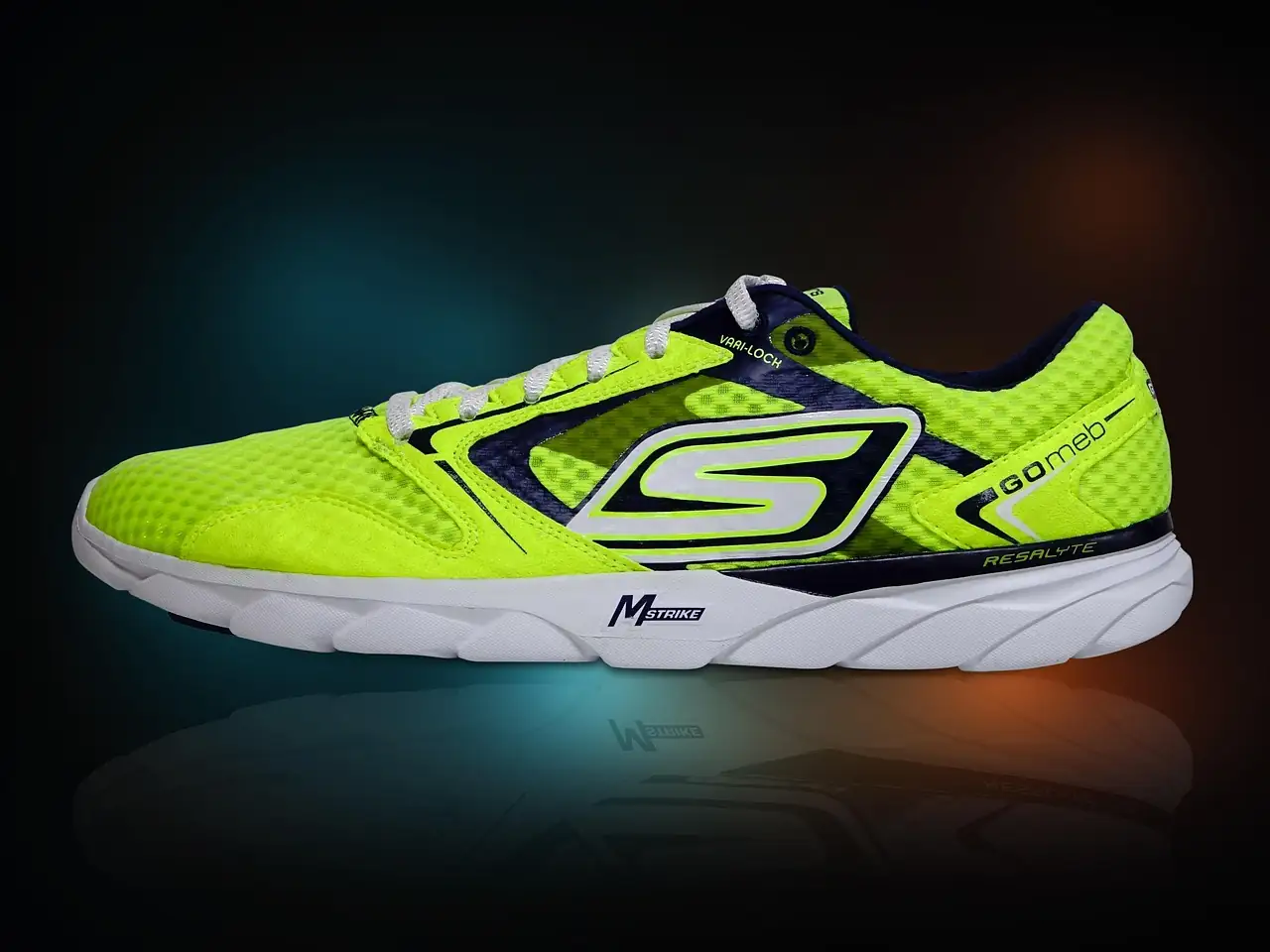
Imagen: cegoh / Pixabay
The choice between a highly cushioned approach and a more restrained one is not reduced to the weight on the scale. It changes the feel underfoot, the way the stride responds, and even how the body finishes after a long run. There are models that turn asphalt into a carpet and others that almost disappear completely, as if the runner were freer, faster, more exposed too.
In practice, the real difference lies in the balance between protection, agility, and stability. The more voluminous ones usually prioritize comfort and muscle relief during prolonged efforts, while the lighter ones go for ground contact, quicker transitions, and a more direct stride. No solution is universal: context rules, and the runner even more so.
What changes underfoot when cushioning goes up or down
The midsole is the heart of this comparison. In high-volume models, the foam is usually more abundant, the platform wider, and the stride kinder on repeated impacts. That extra material acts like a kind of technical mattress, useful when the miles pile up or when the runner wants to soften the harshness of the ground.
In more restrained-profile shoes, on the other hand, the sensation is usually closer to the ground. The runner feels the support better, the transition becomes livelier, and the shoe responds with less inertia. That does not mean they are hard by definition; some modern foams offer a soft feel with less volume, but the margin of protection is usually smaller and running technique matters more.
The height of the heel and forefoot also decisively changes the behavior. The more millimeters there are between the foot and the ground, the easier it is to filter impacts, although lateral control and structural stability also become more demanding. In a lightweight shoe, the runner gains precision; in a maximalist one, they gain relief. The trade-off is clear and it is worth understanding before getting carried away by appearances.
Weight, pace, and the feeling of agility
Weight remains a useful reference, but it does not tell the whole story. A lightweight shoe can move with magnificent ease if the foam helps and the chassis is well resolved. On the other hand, a heavier model can feel surprisingly fast if the rocker favors the transition and the midsole returns energy decisively. The scale matters, though how that weight is distributed matters more.
In short efforts or pace changes, lighter shoes usually offer a noticeable advantage. They feel less bulky and allow the foot to be placed more quickly. In easy training runs or long outings, however, that pure agility can lose value in the face of sustained comfort. That is where generous cushioning starts to justify its presence with an almost physiological logic.
The feeling of lightness does not always match the actual weight. There are pairs that, without being especially light, transmit very little burden thanks to a fluid geometry and a well-resolved last. And the other way around: some seemingly restrained models feel clumsy because of excess stiffness or a base that penalizes the transition. The experienced runner ends up judging more with the legs than with the technical label.
Protection for adding miles versus response for running more alive
When the goal is to accumulate volume, protection becomes very valuable. High-profile offerings reduce repetitive load on calves, soleus muscles, and foot structures, something especially noticeable in heavier runners, in those coming off demanding weeks, or in those linking long sessions on hard surfaces. Comfort is not a whim: often it is a way of managing wear and tear.
The lighter shoes, for their part, usually invite a more active way of running. They respond quickly, make cadence changes easier, and give a clearer perception of the terrain. That liveliness can be very valuable in intervals, short races, or workouts where the runner is looking for more direct sensations. The price is obvious: less margin if technique falls apart or if fatigue shows up early.
Over long distances, well-understood protection can be a strategic advantage. It is not just about arriving more comfortably at the end, but about maintaining a reasonable mechanics when the legs are no longer fresh. A forgiving foam, a stable base, and a well-padded upper can support the run like a discreet handrail, without stealing the spotlight. On the opposite side, a lightweight shoe demands more precision, but in return offers a more intimate relationship with the run.
Stability, fit, and security in uncertain foot strikes
More height does not always mean less control, but it does change the stability demands. A wide platform, a base that flares out at the sides, and a well-designed geometry can offset the volume and give a lot of confidence on uneven foot strikes. That is why there are large models that surprise with their composure, even on broken paths or on asphalt with slight unevenness.
Lightweight shoes are usually simpler in their construction and, precisely for that reason, some convey a very pleasant sense of cleanliness. Less foam, fewer pieces, less artifice. That simplicity can translate into a more natural foot strike, although not always into greater safety. If the terrain gets complicated, the runner depends more on the ankle, on the intrinsic strength of the foot, and on the quality of their movement.
The fit also shapes the experience more than it seems. A narrow fit favors precision, but it can become intrusive on long runs or when the foot swells from heat and effort. A roomier shape is usually more forgiving, especially over long distances. The ideal point is neither the widest nor the tightest, but the one that allows you to work without excessive friction or annoying internal movement.
What kind of runner usually gets the most out of each approach
Not every body asks for the same kind of shoe. Those who weigh more than usual or have been stacking up a lot of impacts usually appreciate a generous base, especially if they run at easy or moderate paces. The cushioned shoe then acts as a safety net, a little extra margin for error to keep the movement going without punishing joints and soft tissues too much.
Lighter runners or those with good running economy, on the other hand, usually get more out of lively, restrained models. They let them run with less burden, take advantage of the foam’s reactivity, and feel more of each foot strike. They also fit well in quality sessions or in distances where agility matters more than absolute comfort. Even so, there are lighter profiles that prefer large platforms for very long runs; personal taste weighs as much as biomechanics.
Running technique acts as an invisible filter. Those who land cleanly and stably can live better with less protective models. Those who need more help absorbing impact usually find more relief in generous foams and smooth geometries. There is no universal ranking, because the good shoe is not the best-selling one or the lightest one, but the one that fits each person’s real way of running.
Terrain, intended use, and how long comfort lasts
Where one runs changes the equation completely. On asphalt and uniform surfaces, a lightweight shoe offers a very attractive clarity of response, while a high-volume one can become an excellent companion for adding miles without excessive fatigue. On tracks, compact trails, or mixed routes, stability and grip start to matter more, and the outsole design gains as much weight as the foam.
When the terrain is looser, wetter, or more uneven, the runner usually values a secure construction more than a simple feeling of speed. There, a shoe with a wide base and good absorption can bring a lot of peace of mind. If the intended use is daily, the durability of the midsole and upper also comes into play: a foam that is too soft may lose freshness too soon, while a very lightweight build sometimes sacrifices durability for speed.
Service life does not depend only on thickness, but on material quality and the type of use. A robust model can handle many miles without falling apart, even if it loses some liveliness sooner than a lightweight shoe. Another, more agile one, may keep its dynamic feel for less time if it is pushed too hard. The best indicator is not just the exterior appearance, but how the stride changes over the weeks.
How to decide without getting carried away by trends or labels
The sensible decision starts by looking at real use and not at the marketing pitch. If most of your outings are easy runs, long runs, or high-volume weeks, an option with more cushioning probably makes sense. If you train at fast paces, race often, or prefer a more direct connection with the ground, a lightweight shoe may fit better.
It is also worth thinking about the time of season. In phases of heavy load, the body appreciates a tool that treats it gently. In sharpening periods or competition, immediate response may matter more than extra protection. That alternation explains why many runners do not marry a single type of shoe, but use several depending on the week and the goal.
The most common mistake is looking for an absolute answer where there are only nuances. Cushioning is not synonymous with slowness, nor does lightness guarantee good sensations. What decides is the combination of foam, geometry, fit, stability, and terrain. When that sum clicks, the shoe stops being a technical object and becomes a natural extension of the stride.
What really separates a comfortable run from an agile run
The most useful difference is not in the marketing, but in accumulated experience. A model with large profiles can save a long run the way a well-placed sofa saves a rainy afternoon: quietly, but setting the mood. A lightweight one can give that spark that makes you want to push a little harder, like a door that opens effortlessly and invites you out before you think about it too much.
Between both worlds there is a lot of middle ground, and that is the key. Current foams allow less extreme designs, with good feel and contained weight. That is why it is no longer enough to choose between soft or fast. You also need to look at the platform, the fit, the stability, and the use each pair was designed for.
Ultimately, the best choice is the one that lets you run with fewer interruptions. For some, that means abundant cushioning and a forgiving feel; for others, a lively response and more direct contact. The runner does not buy grams or millimeters: they buy sensations, confidence, and continuity. And in that comparison, the small details often decide more than the big label.



How to prevent thigh chafing: causes and real solutions

Women’s running windbreakers: seven jackets and how to choose

Do more workouts get rid of soreness? A guide for runners

Jaén Half Marathon 2026: Record 3,800 Runners Registered

Men’s short running tights: how to choose the right pair

World Triathlon confirms data breach involving medical data

Izan Edo targets podium at Miyazaki World Cup

María Pérez ranks ninth in World Athletics’ 2026 top ten

Dos Santos, Duplantis and Sawe: World Athlete of the Year finalists

San Silvestre Vallecana 2026: 42,000 places, prices and start times

 Races4 months ago
Valencia Half Marathon 2027: date and registration

 Races4 months ago
Valencia Marathon 2026: entry, ballot and course

 Reviews and Comparisons4 months ago
Asics Gel-Roadmiles 3 for men: review and current price

 Reviews and Comparisons4 months ago
Asics Gel Sonoma 8 Gore-Tex: complete analysis for trail and rain

 Sneakers3 months ago
Saucony Endorphin Pro 4: full review and verdict

 News5 months ago
Strava API 2026: what changes for clubs, challenges and runner apps?

 Reviews and Comparisons5 months ago
Nike Alphafly 3: opinions, sensations, and real key points

 Reviews and Comparisons4 months ago
Under Armour running shoes review 2025-2026: models and key features

 Sports Equipment4 months ago
Shoe sizes in cm: a clear guide to getting the right fit for your footwear

 Sneakers3 months ago
Skechers GO RUN Consistent 2.0 analysis: comfort and limits

 News5 months ago
Valencia Marathon 2026 route: key tips to train and run better

 Sneakers4 months ago
Adidas Adizero Boston 13 for men: review and verdict