Training
Leg and glute machines: how runners can use them
Which machines activate legs and glutes best, how to fit them into the gym, and what results they offer.

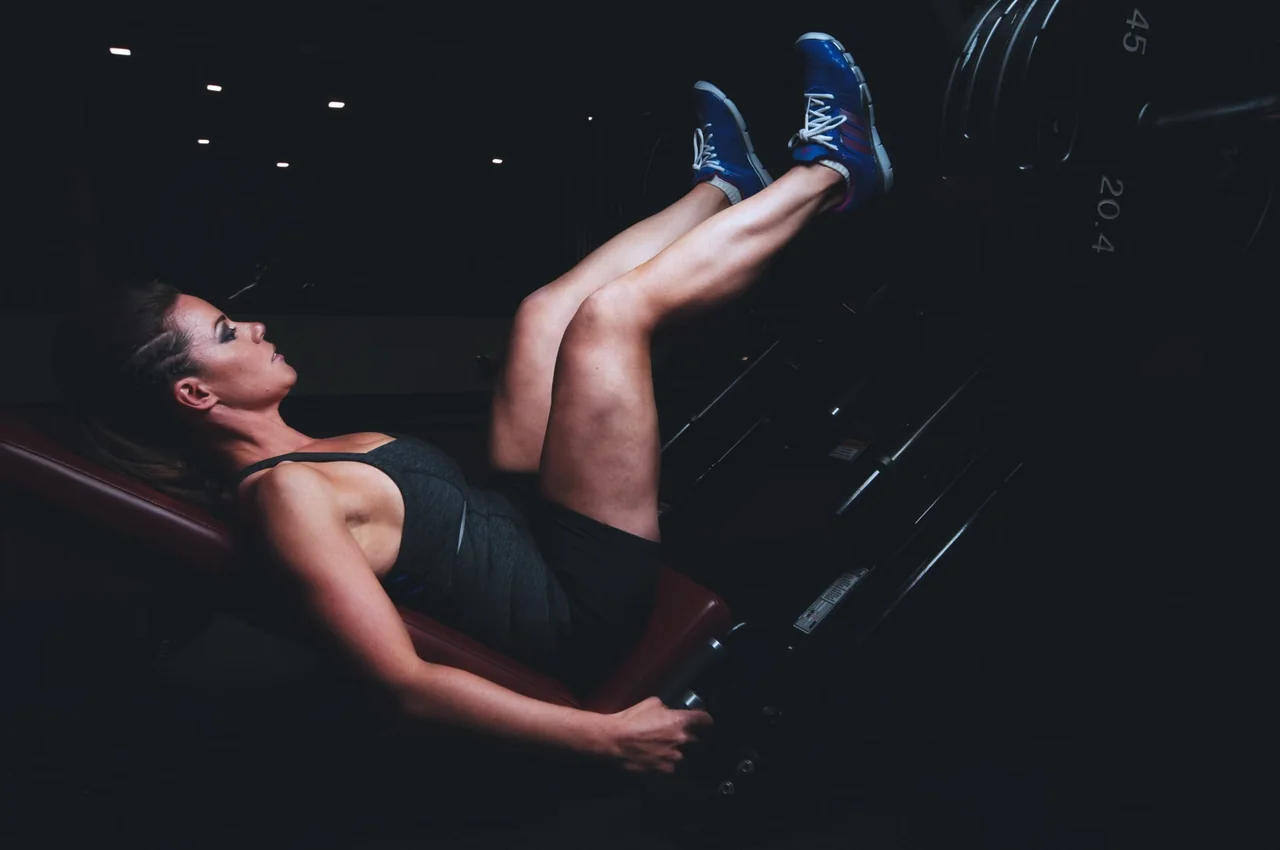
The leg press, hip thrust, hack squat, and leg extension machine are common choices for lower-body training in the gym because they combine stability, progressive loading, and a clear stimulus for the quadriceps, glutes, and hamstrings. For runners, they can complement easy runs and long runs: machines make it possible to repeat movements, track progress, and manage effort without relying solely on free-weight exercises for strength work.
Not all machines are good for the same thing. Some shift the volume toward the quadriceps, others load the hips and glutes more heavily, and others help isolate the back of the thigh. Choosing well matters just as much as lifting more weight, because a machine used poorly can turn a useful workout into a set of empty reps, with tension where it does not belong and little stimulus where it actually matters.
What really makes a machine work for lower-body training
A good leg machine is not the biggest or the flashiest one, but the one that lets you work hard without fighting balance, posture, or technique. The goal is simple: the muscle should receive enough tension to grow, get stronger, or improve endurance, without the body wasting energy correcting mechanical flaws on every rep.
That is why machines have an advantage many people underestimate. They make it possible to repeat a stable range of motion, something especially useful when chasing hypertrophy or when training enters high-fatigue phases. Instead of relying on full control of a free bar, the path is already guided, which makes it easier to focus on pushing, extending, or contracting with intent.
There is also a safety issue. In exercises like the leg press, leg curl, or abductor, the backrest, seat, and supports reduce the margin for error and make it easier for a beginner or intermediate lifter to add training volume without feeling overwhelmed. That does not remove the need for technique, but it does make it more accessible. In a real gym, that difference shows in seconds: fewer doubts, less wobbling, and fewer improvised reps.
Leg press, hack squat, and hip thrust: the trio that usually delivers most
The leg press is the workhorse of lower-body training. Its value lies in the fact that it can handle a lot of load, allows foot placement to be adjusted, and provides a solid stimulus for both quads and glutes, depending on angle and depth. With the feet lower and closer together, the work usually shifts more toward the front of the thigh; with a higher, wider stance, the hips take on more of the job.
The hack squat, on the other hand, changes how the load is distributed and focuses on a guided squat with more quadriceps involvement. For anyone looking for strong legs and a pattern similar to the squat, but with less demand for stability, it is a very effective tool. In addition, because the back is supported on many models, the movement feels more controlled and the effort is more cleanly felt in the front of the thigh.
The hip thrust has gained ground for a simple reason: it is one of the most direct machines or benches for loading hip extension, the movement pattern most associated with the glute in modern gyms. The mechanics are clear, the effort curve is easy to understand, and the contraction sensation is usually intense at the end of the movement. When performed through a full range with a pause at the top, the glute receives a level of tension that is hard to match with other equipment.
Together, those three pieces form a very complete foundation. The leg press builds overall size, the hack squat sharpens the quadriceps stimulus, and the hip thrust concentrates the work on the glutes. They are not interchangeable, but they do complement each other. In a sensible program, each one has a different place and prevents all the punishment from falling on the same movement pattern.
Machines that isolate the back of the thigh better
The hamstrings need their own space. Many leg routines treat them like an add-on, when in reality they are crucial for lower-body strength, knee stability, and the balanced appearance of the leg from behind. Leg curl machines, both lying and seated, address exactly that part of the work.
The seated leg curl is often especially interesting because it places the hip in flexion and lengthens the muscle more in the starting position, something that often improves the quality of the stimulus. The lying leg curl, by contrast, is a classic option, easy to understand and common in gyms of all kinds. Both focus on knee flexion and reduce help from other muscle groups, so the hamstrings work more cleanly.
The leg extension is not just an aesthetic accessory. It also helps add volume to the quadriceps with a simple, controllable movement, especially useful at the end of a session or on days when the body is already fatigued. In the gym it is often seen as a secondary machine, but when programmed well it can make a real difference to the front of the thigh, especially when the goal is a pump and isolated work.
The logic here is straightforward: if squats and leg press push hard, leg curls and leg extensions help refine. Each machine removes one piece of the puzzle and makes the target muscle more visible. That is why they work so well in combination, not separately and without context.
Abductors, adductors, and gluteus medius: the work that is often missing
Abduction and adduction machines offer more than just an anatomical detail. They train muscles that stabilize the pelvis, control the knee, and help the hip move more solidly. In simple terms: they make the leg not only push, but also stay aligned while doing it.
The abductor machine is usually felt in the outer and upper part of the glute, an area many people want to strengthen for aesthetic reasons, but which also helps with stability when walking, running, or changing direction. In parallel, the adductor machine works the inner thigh, less visible but very important for completing lower-body development. Ignoring them often leaves gaps in strength and muscular balance.
The gluteus medius deserves a special mention, because it is the muscle that most often goes unnoticed until it starts to fail. When it weakens, compensations appear in the knee, hip, or even in the stride while running. That is why, even if these machines seem more modest than a leg press loaded with hundreds of kilos, their practical value is enormous. They are the small hinges that keep the door of movement from becoming misaligned.
In addition, this kind of work often fits well at the start or end of a session, depending on the goal. It can be used as a gentle activation before heavy loads or as a finisher to complete a more ambitious leg routine. It does not create the same visual impact as other machines, but it does provide the kind of muscular base that supports the whole set-up.
How to choose depending on the goal: strength, hypertrophy, or the feeling of work
If the goal is to get stronger, the priority is usually the leg press or guided squat, because they allow heavy loads and clear progression. The machine’s stability lets you focus on moving more weight for more reps, always with consistent technique. For a strength phase aimed at the lower body, that is pure gold: less noise, more useful tension.
When the goal is hypertrophy, another logic comes into play. Load is not the only thing that matters; what also matters is the ability to accumulate effective sets with good execution and a sufficient range of motion. That is where machines like the hip thrust, leg extension, leg curl, and abductor shine. They are apparatuses that let you contract the muscle clearly and repeat the movement without coordination stealing the spotlight.
There is also a third, less technical and very human variable: the feeling of the work. Some people connect better with one machine than another because they feel the muscle sooner, get more range, or manage posture better. That perception does not always match the most famous exercise, but it does affect adherence. A machine that gets used regularly ends up being more useful than a theoretically perfect one that never becomes part of the routine.
In practice, the best choice is usually the one that lets you progress without breaking the movement pattern. There is no need to chase the trendy machine, only the one that fits your biomechanics, your experience, and the equipment available. The best piece is the one that lets you repeat a demanding session without turning every set into a negotiation with the seat, levers, or backrest.
What to look at before sitting down on the machine
Ergonomics matters. A poorly adjusted backrest, an uncomfortable platform, or a range of motion that is too short can completely change the quality of the exercise. Before loading plates or lowering the weight stack, it is worth checking whether the hips are properly supported, whether the knees follow a comfortable path, and whether the range allows movement without pinching or strange tugs.
Alignment matters too. In the leg press and hack squat, for example, poor foot placement can shift the effort toward the lower back or the knees more than it should. In the leg curl, if the machine’s axis does not line up well with the joint, the movement loses smoothness. In the hip thrust, if the support is not fixed properly, the hips end up compensating where they should not.
Weight is not everything, but progression is. Increasing load in an orderly way, adding reps, or improving control over the range of motion are valid ways to move forward. What matters is that the machine allows that progress to be measured. When the apparatus is well designed, every small change is noticeable; when it is not, everything just feels heavier without the muscle getting a better stimulus.
The feeling at the end of a set also gives clues. Good leg and glute work usually leaves the muscle full, warm, and taxed, but it should not cause sharp joint pain or throw off posture. That line between useful fatigue and a bad sign is one of the keys to machine training, and it is worth respecting just as you would listen to a car’s engine before pushing it harder.
The machines most often seen in gyms and why they remain relevant
Vertical leg presses, 45-degree leg presses, and hack squat variations still fill gym floors because they solve a central problem: loading heavily without turning the exercise into a balance test. They are sturdy, intuitive, and suitable for both heavy sessions and more controlled reps. That is why they appear in commercial gyms, strength areas, and even in facilities that treat equipment like a piece of engineering.
Selectorized glute and hamstring machines have also grown strongly. They make it possible to change the weight quickly, take up less space than other systems, and offer a direct experience, almost like switching effort on and off. For anyone training several times a week, that ease of use matters a lot, because it avoids wasting time loading plates or changing attachments between sets.
The recent trend is toward more specific and more stable machines. The goal is apparatuses that respect the body’s natural path, provide real support, and reduce the feeling of fighting the machine. That evolution is visible in isolated glute machines, dual extensions, or belt squat variations, where the load feels heavy but the spine does not take the same punishment as in other movement patterns.
The result is a more precise gym. It is no longer about having lots of equipment, but about having the pieces that truly cover the full map of the lower body: push, extension, flexion, abduction, and adduction. When that map is well built, legs and glutes stop being trained by instinct and start being trained with much more solid logic.
How runners can fit leg and glute machines into training
Leg and glute machines can add controlled strength work to a running programme, but they do not replace running or fully recreate its demands. The leg press and hack squat load the lower body along a guided path; the hip thrust focuses on hip extension, while the hamstring curl works the back of the thighs. Choose based on what you want to train and how comfortable the movement feels, rather than simply picking the machine that lets you lift the most weight.
Plan machine work around your key runs. If you lift and run on the same day, decide which session matters most; if you separate them, avoid carrying heavy leg fatigue into a long run or quality workout. Start with a load you can control through a comfortable range of motion, then build the effort gradually. Avoid testing maximum loads or trying a demanding new routine just before a race. Muscles may feel worked, but the session should not leave you changing your stride.
Pay attention to how your legs respond during the workout and afterwards. Technique that breaks down, discomfort that gets worse, or sensations that affect your running form are reasons to reduce or pause the exercise. Adjust the amount of strength work if recovery suffers or easy runs start to feel unusually demanding. You do not need to use every machine at every gym visit; a few suitable choices that fit your week may be enough. If pain or symptoms persist, consult a healthcare professional.
Why glute and leg work also matters outside the gym
A strong lower body does more than change appearance. It also improves the ability to climb stairs, run, brake, turn, and hold long postures without the back or knees paying the price. In runners, for example, powerful glutes help stabilize the pelvis and maintain the stride better when fatigue sets in over the miles.
In addition, machine work can be a smart entry point for people coming from a period of inactivity or returning to exercise after a break. The movement is more guided, technical risk is reduced, and progress shows up quickly. That combination is often decisive for maintaining consistency, which in the end matters more than any isolated exercise.
The real value of these machines lies in their ability to organize effort. They do not promise miracles or replace the rest of training, but they do offer an effective way to load the lower body with purpose. In a gym, few things are as useful as a machine that makes clear what it does, where it does it, and why it still works after so many years.
That is why leg and glute machines are not just a catalog of steel and padding. They are tools that, when chosen well and used even better, turn an ordinary session into serious, measurable, and complete work. And in the gym, as in almost everything worth doing, clarity usually beats spectacle.



How to prevent thigh chafing: causes and real solutions

Women’s running windbreakers: seven jackets and how to choose

Do more workouts get rid of soreness? A guide for runners

Jaén Half Marathon 2026: Record 3,800 Runners Registered

Men’s short running tights: how to choose the right pair

World Triathlon confirms data breach involving medical data

Izan Edo targets podium at Miyazaki World Cup

María Pérez ranks ninth in World Athletics’ 2026 top ten

Dos Santos, Duplantis and Sawe: World Athlete of the Year finalists

San Silvestre Vallecana 2026: 42,000 places, prices and start times

 Races3 months ago
Valencia Half Marathon 2027: date and registration

 Races3 months ago
Valencia Marathon 2026: entry, ballot and course

 Reviews and Comparisons4 months ago
Asics Gel-Roadmiles 3 for men: review and current price

 Reviews and Comparisons4 months ago
Asics Gel Sonoma 8 Gore-Tex: complete analysis for trail and rain

 Sneakers3 months ago
Saucony Endorphin Pro 4: full review and verdict

 News5 months ago
Strava API 2026: what changes for clubs, challenges and runner apps?

 Reviews and Comparisons5 months ago
Nike Alphafly 3: opinions, sensations, and real key points

 Reviews and Comparisons4 months ago
Under Armour running shoes review 2025-2026: models and key features

 Sports Equipment4 months ago
Shoe sizes in cm: a clear guide to getting the right fit for your footwear

 Sneakers3 months ago
Skechers GO RUN Consistent 2.0 analysis: comfort and limits

 News5 months ago
Valencia Marathon 2026 route: key tips to train and run better

 Sneakers4 months ago
Adidas Adizero Boston 13 for men: review and verdict