Training
Men’s running: technique, pace and improvement with useful tips
Clothing, running shoes and accessories for making informed choices: useful tips to get every purchase right.

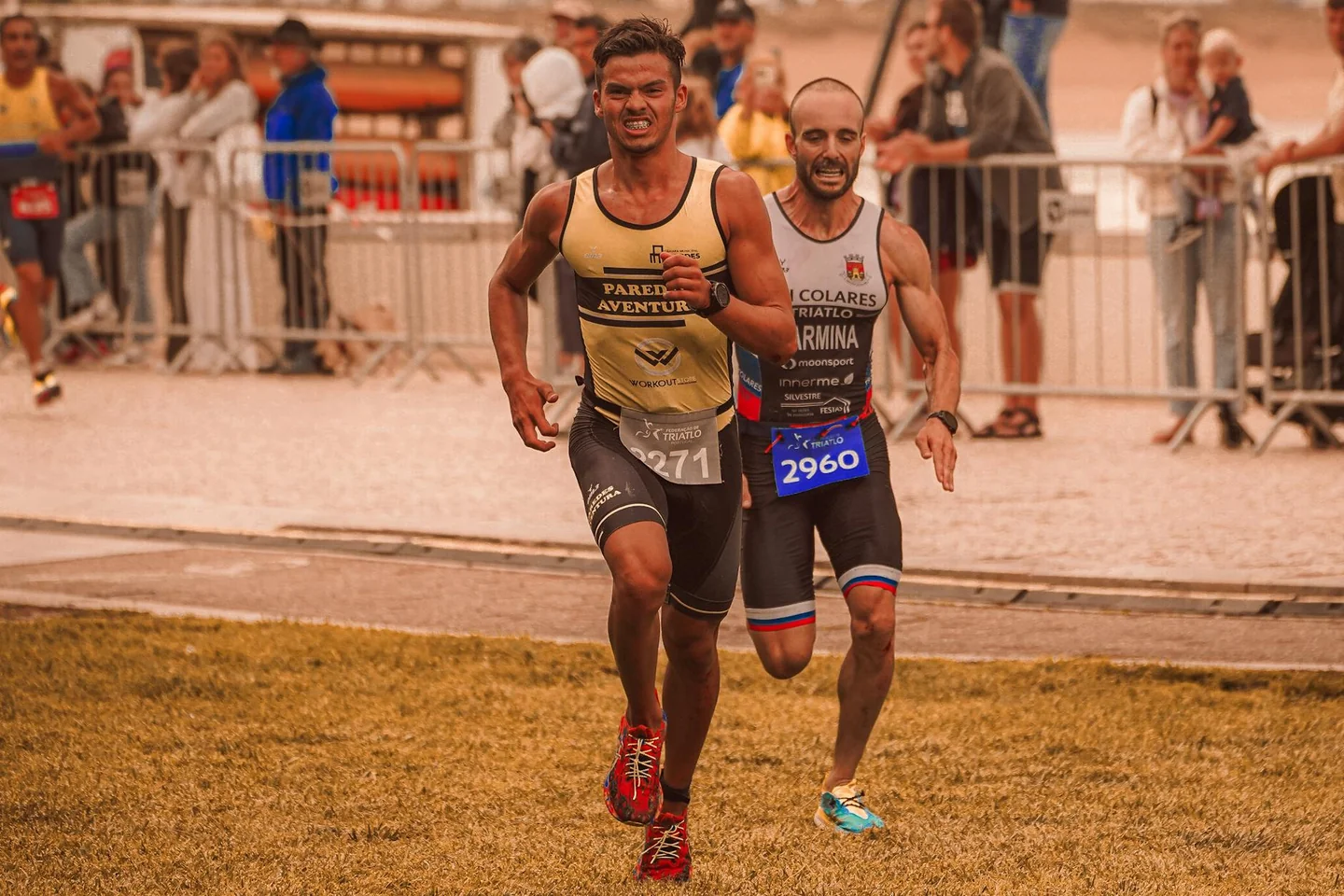
Men’s running sports: technique, pace and improvement with useful tips
The men’s running sports market has grown at the same pace as a following that is increasingly technical, demanding and well-informed. It is no longer enough to choose a pair of shoes that look comfortable; today’s runner moves between asphalt, dirt paths, fast intervals, long runs and recovery sessions, and each scenario calls for a different response from their gear. The key is to buy with purpose, understanding the role each piece of equipment plays and matching the product to its actual use, rather than to the advertising promise.
Running shoes: the centre of any smart purchase
Within the world of men’s running sports, running shoes influence the experience more than any other element. They absorb the repeated impact of every stride and determine cushioning, responsiveness, stability and comfort on asphalt or dirt. A mid-weight runner who goes out three times a week does not need the same thing as someone preparing for a half marathon at a fast pace or a marathon runner who racks up many weekly kilometres.
Brands have segmented their catalogues to cover very specific needs:
- Easy runs: models with durability and a solid, stable feel.
- Fast days and quality sessions: racing flats or hybrids, with greater responsiveness.
- Racing: lightweight shoes with carbon plates or other rigid materials to promote speed.
- Trail and mountain running: shoes with traction, protection and pronounced lugs for uneven terrain.
- Recovery: highly cushioned footwear, sandals or compression garments to reduce accumulated strain.
Immediate comfort is more decisive than the technical specifications. The foot should be held securely through the midfoot, with enough room in the toe box and no rubbing at the heel. The drop —the difference in height between the heel and forefoot— is usually between 6 and 10 millimetres in most models, although there are zero-drop options that require an adjustment period. No technology can replace a real-world test on the terrain.
Specialisation according to weight, gait and terrain
In addition, there are three variables that can determine half the outcome before you make your choice:
- Gait: a neutral, pronating or supinating gait affects stability and the type of support needed.
- Body weight: the greater the load, the more important it is to choose consistent cushioning and stable platforms.
- Drop: between 8 and 12 mm for long training runs and easy paces; between 4 and 6 mm for more natural profiles or trail running; 0 to 4 mm for a very low-to-the-ground feel that is not suitable for everyone.
The terrain also determines the choice:
- Road: smooth transitions, stability and durability on hard surfaces.
- Trail: traction, protection and lugged outsoles for mud, rock and roots.
- Mixed terrain: versatile solutions for runners who alternate between asphalt and paths.
Training, racing and rotating your gear
A single pair of shoes rarely covers every need. Separating uses helps avoid costly mistakes and extends the life of each pair. Runners who alternate easy runs with pace changes benefit from simple rotations: one protected pair for building mileage and another livelier pair for intervals, tempo runs or races.
In quality sessions, hybrid and racing shoes provide responsiveness, less inertia and greater contact with the ground. Plated shoes promote a quick transition and help maintain speed in races, especially over 10K, half marathon and marathon distances, where specialisation has become a widespread form of performance enhancement.
Recovery gear is becoming more important within a culture that is not limited to training: technical socks, recovery sandals and moderate-compression garments help you arrive at your next run with less accumulated strain.
Technical clothing: less weight, more sweat control
Men’s running clothing has evolved considerably. Cotton T-shirts have been relegated to casual use, as they retain moisture, become heavy and rub against the skin when saturated with sweat. Today, lightweight, quick-drying synthetic fabrics dominate, along with merino wool blends for cold climates or prolonged efforts.
Their job is to move with you without getting in the way. In summer, a breathable T-shirt and ventilated shorts are vital for avoiding a heavy, damp feeling. Details such as flat seams, hems that do not roll up, comfortable waistbands and well-designed pockets for carrying keys or gels make all the difference.
For spring and autumn and winter, thin layers make it possible to regulate your temperature according to your pace and the wind. A lightweight windbreaker, thermal tights or long-sleeved tops with good sweat-wicking properties are essential for cold early-morning runs. Dressing for running means building a mobile microclimate that does not hinder your stride or let your body cool down during breaks.
Useful everyday accessories
The range of men’s running accessories is extensive, but not everything offers the same value. It is important to distinguish between comfort, safety and performance so you do not carry unnecessary weight or spend money on pieces that end up forgotten in a drawer.
- Caps and visors: protect from the sun and improve thermal comfort on intense days.
- Belts and waistbands: let you carry the essentials without filling your pockets.
- Hydration packs and vests: recommended for long runs, mountain routes or races with few aid stations.
- Headlamps: essential for running at night or in poorly lit areas, ensuring visibility and safety.
- Sports headphones: bone-conduction or waterproof models are ideal for those who run daily and want to remain aware of their surroundings.
Useful technology is the kind that disappears during the run, without bothering or distracting you.
Road, trail and gym: three settings, three needs
Road running remains the dominant setting. Road shoes aim for a smooth transition, cushioning and a stable footstrike on hard surfaces. Resistance to wear is essential for withstanding contact with pavement, pedestrian crossings and changes of pace.
Trail running, by contrast, demands traction, protection and stability. Mountain shoes are generally heavier, with aggressive outsoles and reinforcements to protect against rocks, mud or roots. Aesthetics take second place to safety and performance on uneven terrain.
The gym and complementary training also have their place in a runner’s routine. Equipment such as treadmills, rowing machines or ellipticals helps improve fitness without direct impact, complementing outdoor training.
Este artículo contiene enlaces de afiliado: si compras a través de ellos, se genera una pequeña comisión sin coste adicional para ti. Más información.



How to prevent thigh chafing: causes and real solutions

Women’s running windbreakers: seven jackets and how to choose

Do more workouts get rid of soreness? A guide for runners

Jaén Half Marathon 2026: Record 3,800 Runners Registered

Men’s short running tights: how to choose the right pair

World Triathlon confirms data breach involving medical data

Izan Edo targets podium at Miyazaki World Cup

María Pérez ranks ninth in World Athletics’ 2026 top ten

Dos Santos, Duplantis and Sawe: World Athlete of the Year finalists

San Silvestre Vallecana 2026: 42,000 places, prices and start times

 Races3 months ago
Valencia Half Marathon 2027: date and registration

 Races3 months ago
Valencia Marathon 2026: entry, ballot and course

 Reviews and Comparisons4 months ago
Asics Gel-Roadmiles 3 for men: review and current price

 Reviews and Comparisons4 months ago
Asics Gel Sonoma 8 Gore-Tex: complete analysis for trail and rain

 Sneakers3 months ago
Saucony Endorphin Pro 4: full review and verdict

 News5 months ago
Strava API 2026: what changes for clubs, challenges and runner apps?

 Reviews and Comparisons5 months ago
Nike Alphafly 3: opinions, sensations, and real key points

 Reviews and Comparisons4 months ago
Under Armour running shoes review 2025-2026: models and key features

 Sports Equipment4 months ago
Shoe sizes in cm: a clear guide to getting the right fit for your footwear

 Sneakers3 months ago
Skechers GO RUN Consistent 2.0 analysis: comfort and limits

 News5 months ago
Valencia Marathon 2026 route: key tips to train and run better

 Sneakers4 months ago
Adidas Adizero Boston 13 for men: review and verdict