News
The best running shoes: ranking, uses and buying tips
The key factors for choosing the right running shoes based on your gait, terrain, distance, weight and actual use, without making costly mistakes.

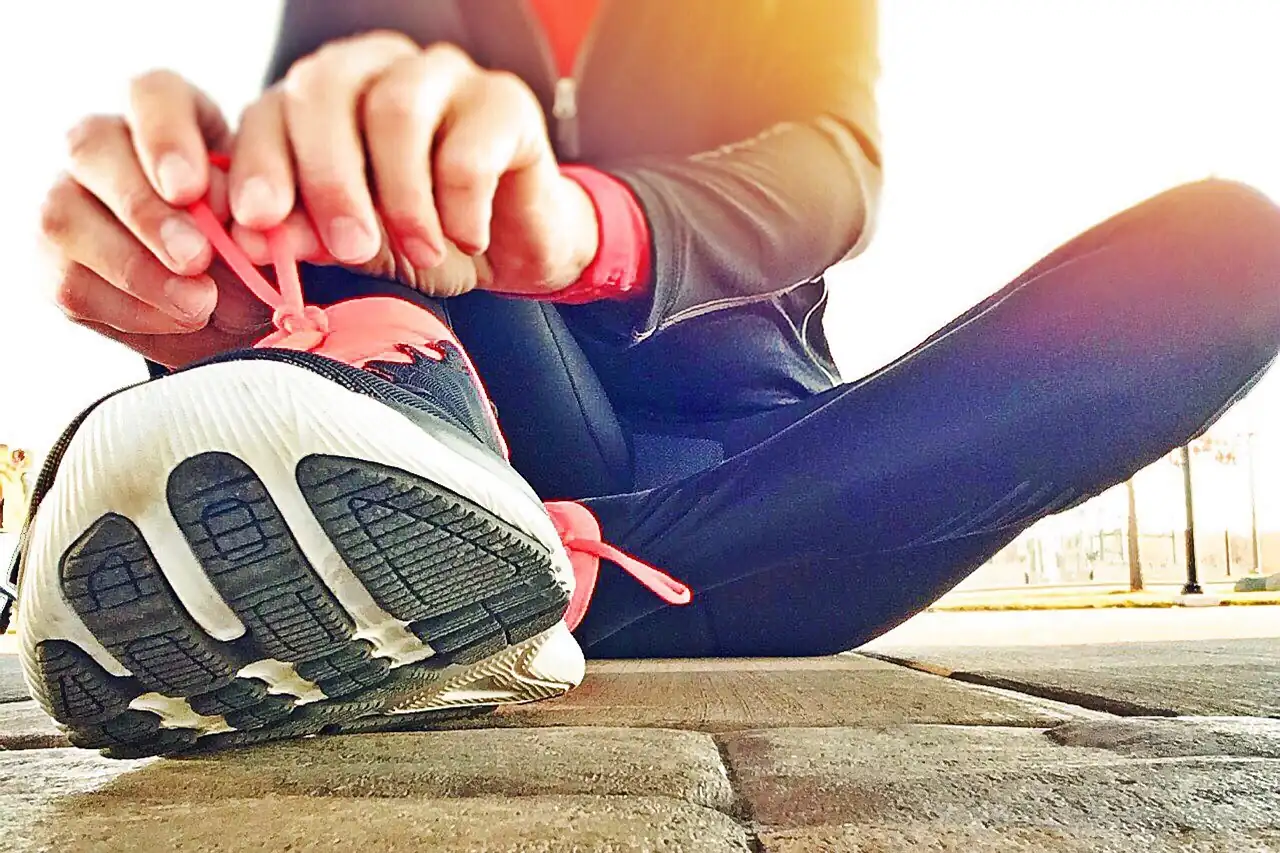
Imagen: WOKANDAPIX / Pixabay
Choosing a good pair of running shoes isn’t about fashion or brands making a lot of noise. It’s about finding a balance between fit, cushioning, weight and actual use, because an excellent model for easy runs can feel clumsy during pace changes, while a very lightweight one may fall short on long runs. The difference is noticeable from the very first kilometer: fewer chafing problems, less fatigue and a stride that flows with less friction, as if the foot had stopped fighting the asphalt.
The market has changed a lot in recent years, and there is no longer a single shoe that is ideal for everything. There are options for daily training, racing, compact terrain, dirt paths and runners who prioritize comfort over speed. That’s why talking about the best running shoes means looking at how they’ll be used, not just at the logo. A good purchase is usually the one that disappears under your foot; a bad one, on the other hand, makes itself felt with every landing.
What really defines a good running shoe
Fit: the foundation of comfort
The first key is fit. A shoe can have an advanced midsole and an impressive outsole on paper, but if it presses on the instep or leaves the heel floating, the result will be mediocre. The foot needs to be held securely without excessive pressure, with enough room in the toe box for the toes to spread during the push-off phase. This is especially important during long sessions and in hot weather, when the foot tends to swell.
Cushioning: quality, not just quantity
Cushioning also matters, although more is not always better. A 60-kilo runner going out for a 5-kilometer jog doesn’t need the same amount of foam as someone weighing 85 kilos who is preparing for a half marathon. The key is the response: a midsole that is too soft can feel like a sofa, but it can also sacrifice stability; one that is too firm can put extra strain on the calves, soleus muscles and plantar fascia.
Modern foams are lighter and more responsive than before, capable of offering protection without turning the stride into unstable ground. Their density and behavior over the course of the kilometers also make the difference between a shoe that supports you and one that gradually becomes uncomfortable.
Weight: every gram counts
It may go unnoticed during easy training, but in intervals, progressions or pace changes, the weight of the model shapes the experience. The lightest shoes are usually reserved for fast days or races, while daily trainers handle a little more volume better in exchange for lasting longer and absorbing impact more effectively. Regular runners tend to appreciate that extra comfort during weeks packed with mileage.
Types of shoes according to foot strike and stability
There is no single shoe that is best for everyone. The choice changes depending on foot strike, the runner’s weight, distance, terrain and training frequency. In today’s market, the most highly rated road models tend to fall into three main families:
- Neutral shoes: they suit most runners with a stable foot strike and aim to support without noticeably correcting movement. They are versatile for easy runs, progressions and long runs.
- Stability shoes: they incorporate reinforcements or geometries to better guide the landing. They are not exclusively for pronounced overpronators; they can also be useful for heavier runners or for those looking for a firmer platform.
- Mixed-use or racing shoes: designed to run faster, not necessarily to run longer. Many include carbon plates or rigid compounds that improve the transition and reduce energy expenditure at high speeds.
Modern stability is integrated subtly through sidewalls, wide bases or internal structures that soften excessive movement, avoiding the rigid feel of the past.
How the type of training influences your choice
A steady running plan calls for a stable, comfortable and durable shoe, capable of tolerating a lot of impact without losing its shape. For intervals, fartlek sessions or short races, on the other hand, a livelier feel is more appealing, with a fast heel-to-toe transition and a platform that doesn’t hold back your cadence. The choice is not aesthetic; it is almost a work tool.
Long runs require a different approach. After an hour or more of effort, the body begins to pay the price and the shoe becomes a kind of mobile cushion. That’s when cushioning, ventilation and stability matter most. A breathable upper helps keep the foot from cooking, while a consistent platform prevents fatigue from worsening your technique. That’s why many runners set aside a specific pair for their longest workouts, even if they look less spectacular in a store than other, more aggressive models.
Speed, however, demands a different relationship with the ground. When the pace increases, it’s important to feel the surface and gain energy return with every step. In that context, a lower, lighter shoe or one with a plate can make a difference, even if it isn’t the kindest option for everyone. It’s worth remembering here that the best choice depends on the distance and the runner’s experience level: a beginner will usually get more out of stability than from a pure sense of propulsion.
Foot strike, stability and terrain: the trio that prevents the most mistakes
For years, people talked too much about pronation as if it were a verdict. Today, the approach is more practical: what matters is observing how each person runs, which aches and pains keep returning, and what surfaces they regularly run on. Some runners feel better in neutral models, while others appreciate a slight guide in the midsole or a wider base. Stability does not always mean correction; sometimes it is simply a safer, more generous platform.
The terrain completely changes how footwear behaves:
- Road: prioritize impact absorption and outsole durability.
- Parks or compact dirt tracks: an outsole with better grip that inspires confidence without adding too much weight.
- Uneven trails: lugs, toe protection and a more robust upper to prevent loss of traction and premature wear.
Choosing a shoe designed for the road and taking it onto wet trails usually ends in traction and wear problems.
Climate also matters. In hot, humid areas, a breathable fabric prevents the sauna-like feeling inside the shoe. In winter or on rainy routes, extra protection can be useful, although it usually means less ventilation. The right decision depends on how many months of the year the pair will be used and in which real-life situations.
Materials that make a difference in 2025
Foams have been the major recent revolution. Modern compounds are lighter and recover their shape better after impact, resulting in a smoother stride, with less sinking and a noticeable return of energy. As a result, a current running shoe can feel more forgiving and more agile at the same time.
The upper has advanced in terms of both engineering and feel. Technical meshes hold the foot without squeezing it, with reinforcements placed where they are needed. A good upper keeps the foot stable when turning, withstands regular use and allows heat to escape. Fabric that is too stiff can create pressure points; one that is too soft causes the foot to move around and can lead to chafing.
The outsole is the silent guardian of the whole shoe. A well-designed pattern provides traction in wet conditions and extends the shoe’s useful life, especially at the heel and forefoot, the areas that wear down the most. With daily-use models, this is worth looking at carefully because a poor outsole can ruin a technically sound shoe in just a few weeks.
Price, durability and the real value of the purchase
The price range is broad, covering entry-level models under 80 euros, mid-range options between 90 and 140 euros, and technical shoes costing more than 160 euros. Price does not guarantee quality, but it usually points to better materials, greater complexity in the midsole or more carefully considered construction. Even so, there are modest pairs that perform exceptionally well for easy runs.
Durability is measured in kilometers, not weeks. A regular runner may notice a loss of responsiveness between 500 and 800 kilometers, although this depends on weight, terrain and use. Soft shoes tend to lose their original feel sooner, while firmer ones last longer before showing signs of fatigue. Visible outsole wear does not always coincide with a loss of performance, which is a common trap.
Buying well also means buying with enough room to rotate shoes. Having two pairs in alternating use extends the life of each one, reduces wear and keeps the underfoot experience more consistent.
The brands and models dominating the conversation in 2026
ASICS, New Balance, Hoka, Nike, Saucony, adidas and On are recurring names because they offer complete lines for different profiles. For example:
- ASICS: Gel-Nimbus, Cumulus and Novablast for daily running, and Gel-Kayano and GT-2000 for stability.
- New Balance: 1080, Rebel and SuperComp for comfort and racing.
- Hoka: Clifton, Bondi and Skyflow, with substantial cushioning and softness.
- Nike: Structure for stability, Pegasus and Vaporfly for everyday and competitive runners.
- Saucony: Triumph and Endorphin, balancing training and racing.
Among the standout models are the ASICS Novablast 5, Gel-Nimbus 28, Gel-Kayano 32, New Balance 1080 v15, FuelCell Rebel v5, Hoka Clifton 10, Rocket X 3, Saucony Endorphin Pro 5, adidas Adizero Dropset Elite and On Cloudboom Max. Each one covers different uses, from comfortable mileage to fast sessions or races.
The best choice according to the type of runner
For those just starting out: the safest option is usually a neutral, cushioned and stable shoe. Models such as the ASICS Gel-Cumulus, Hoka Clifton or New Balance 1080 balance comfort and simplicity, without demanding perfect technique and allowing you to build a habit without discomfort.
For consistent runners who vary their pace: a versatile shoe with a little more spark is welcome. Options such as the ASICS Novablast or New Balance FuelCell Rebel offer a light, dynamic feel without giving up everyday usability.
Este artículo contiene enlaces de afiliado: si compras a través de ellos, se genera una pequeña comisión sin coste adicional para ti. Más información.



How to prevent thigh chafing: causes and real solutions

Women’s running windbreakers: seven jackets and how to choose

Do more workouts get rid of soreness? A guide for runners

Jaén Half Marathon 2026: Record 3,800 Runners Registered

Men’s short running tights: how to choose the right pair

World Triathlon confirms data breach involving medical data

Izan Edo targets podium at Miyazaki World Cup

María Pérez ranks ninth in World Athletics’ 2026 top ten

Dos Santos, Duplantis and Sawe: World Athlete of the Year finalists

San Silvestre Vallecana 2026: 42,000 places, prices and start times

 Races4 months ago
Valencia Half Marathon 2027: date and registration

 Races4 months ago
Valencia Marathon 2026: entry, ballot and course

 Reviews and Comparisons4 months ago
Asics Gel-Roadmiles 3 for men: review and current price

 Reviews and Comparisons4 months ago
Asics Gel Sonoma 8 Gore-Tex: complete analysis for trail and rain

 Sneakers4 months ago
Saucony Endorphin Pro 4: full review and verdict

 News5 months ago
Strava API 2026: what changes for clubs, challenges and runner apps?

 Reviews and Comparisons5 months ago
Nike Alphafly 3: opinions, sensations, and real key points

 Reviews and Comparisons4 months ago
Under Armour running shoes review 2025-2026: models and key features

 Sports Equipment4 months ago
Shoe sizes in cm: a clear guide to getting the right fit for your footwear

 Sneakers3 months ago
Skechers GO RUN Consistent 2.0 analysis: comfort and limits

 News5 months ago
Valencia Marathon 2026 route: key tips to train and run better

 Sneakers4 months ago
Adidas Adizero Boston 13 for men: review and verdict