Training
Men’s running rain jacket: plan, paces and key points with a runner’s focus
Rain doesn’t have to stop your outings: keys to choosing a lightweight, technical, and comfortable garment for running.

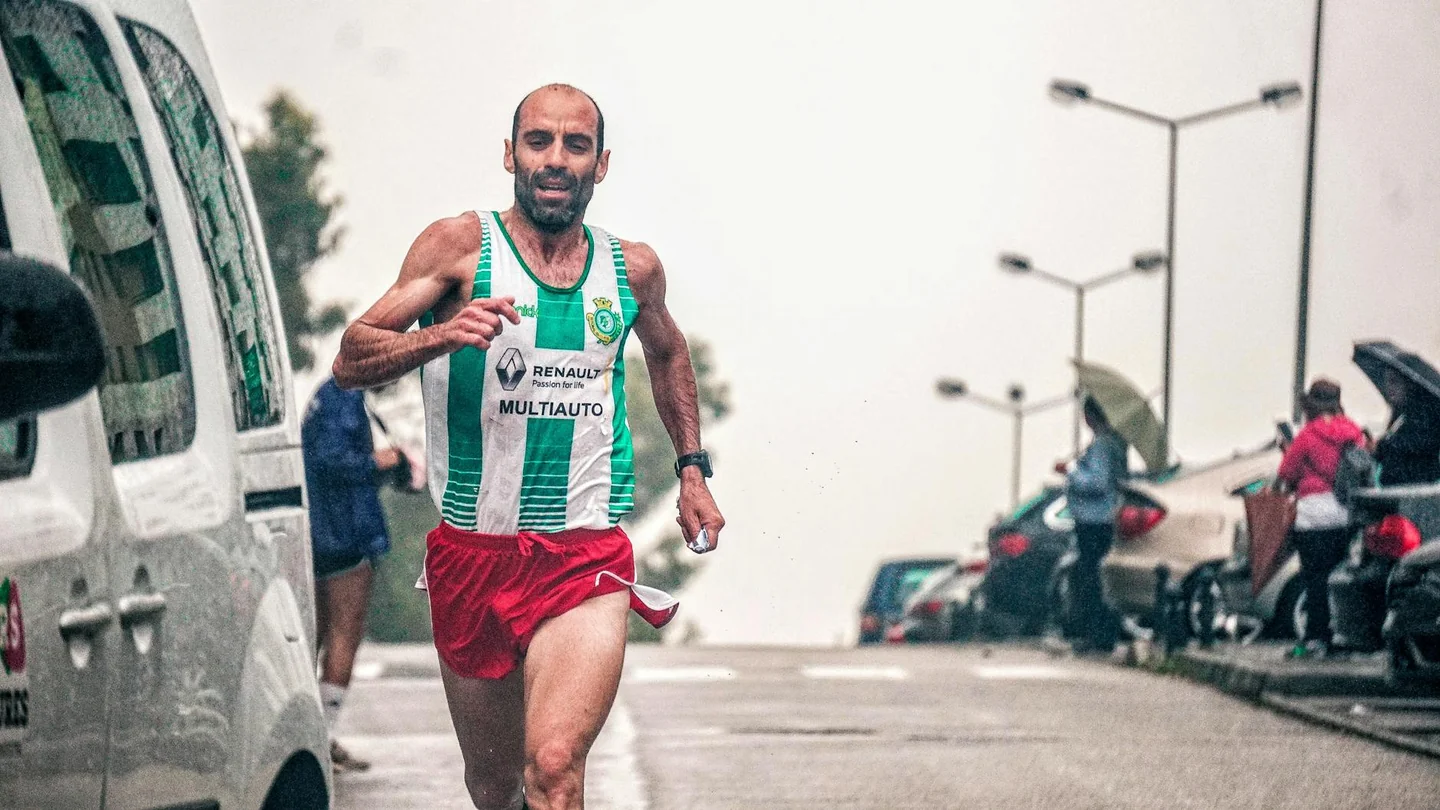
Imagen: RUN 4 FFWPU / Pexels
Rain completely changes the rhythm of a run. The asphalt becomes shinier, the air feels heavier, and every stride calls for a garment that doesn’t add more problems than necessary. In that scenario, a good running rain jacket is not just any layer: it’s a moving barrier between the body and the storm, able to protect without turning the run into a sauna.
The key is balancing waterproofing, breathability, and freedom of movement. A model that’s too sealed traps heat and sweat; one that’s too light can let water through or flap against the wind like a badly tensioned sail. That’s why, more than just checking that it’s waterproof, it’s worth reading the garment as a set of technical decisions: fabric, seams, fit, weight, ventilation, and visibility.
Rain doesn’t forgive, but clothing shouldn’t get in the way either
On a wet, cold outing, the body quickly enters into an uncomfortable negotiation. The temperature drops, the clothes cling to the skin, and chafing appears where it matters least, especially on the shoulders, underarms, and neck. An effective running rain jacket avoids that damp-wrapped feeling and keeps protection steady during effort, even when the pace picks up and internal heat starts to rise fast.
That balance isn’t achieved with a thick urban jacket. Running demands a garment with a sports cut, shoulders that let you swing your arms without pulling on the back, cuffs that close properly, and a hood that doesn’t bounce around with every turn of the head. The difference between an ordinary garment and one made for running is noticeable in the first few minutes: one disappears while you move; the other reminds you every meter that you’re wearing it.
For men, the choice also usually looks for a slightly straighter fit through the torso and enough room for a technical base layer underneath. It’s not about being loose for comfort, but about leaving space for ventilation and for the fabric not to stick to the body like a soaked second skin. When the outing is long, that detail prevents a premature feeling of fatigue that doesn’t always show in the product photo, but does show up halfway through the workout.
Waterproofing and breathability, the real pulse of the garment
Waterproofing is measured, above all, in millimeters of water column. Broadly speaking, the higher that figure, the more resistance the fabric offers against rain. In sportswear for running, you’ll usually see values ranging from lightweight solutions for light showers to high-performance fabrics that can handle heavy rain. It’s not enough for water to bead off at first; what matters is that the garment keeps performing over the minutes and under the pressure of movement.
But a garment that doesn’t breathe ends up being a trap. Internal sweat doesn’t disappear by magic; it needs to get out. That’s where breathability comes in, often expressed through evaporative resistance indexes like R.E.T. or through vapor transmission data. The better it expels internal moisture, the more stable thermal comfort stays. On a gentle run under a drizzle, that can be almost more important than the waterproofing figure itself.
The combination of both aspects is delicate. A very closed material may protect against outside water, but if it traps heat, it ends up making you wet from the inside. A very open one ventilates better, though it gives up defense against sustained rain. That’s why, in a men’s running rain jacket, the real goal isn’t to stay completely dry, but to keep rain and sweat from becoming the same problem. The garment has to shield you from the outside without cooking you from within.
Weight matters more than it seems when you head out for a run
On a run, every gram feels like a small debt to pay. Not dramatically, but cumulatively. A lightweight rain jacket reduces the perceived load and makes it easier to stash away when the rain stops. The more sporty models usually go for thin fabrics, compact constructions, and a sense of lightness that lets you forget it’s even there. That lightness, however, shouldn’t be confused with fragility.
The best designs find a middle ground between protection and packability. Some compress down to take up very little space, so they fit in a belt, a small backpack, or even in your hand during dry stretches. That packability isn’t just practical in training; it also matters in trail races or long runs, where the weather can turn in a matter of minutes and a bulky garment ends up being a constant nuisance.
The feel of the fabric also matters. A material that’s too stiff can rustle with movement, chafe more, and limit arm swing. By contrast, a flexible, quiet surface improves the wearing experience. It’s not an aesthetic issue, but a functional one: if the jacket moves with the body, the runner spends less mental energy putting up with it and more on maintaining effort.
Hood, cuffs, and zipper: the small details that make the difference
The hood is usually the most obvious weak point in a storm. If it’s too big, it moves; if it’s too stiff, it limits visibility. A well-designed hood should protect without becoming an awkward awning. In running, the fit around the face is essential, because the wind can slip in like a thin blade through every poorly sealed gap. The most successful models include simple, discreet, and firm adjustment systems.
The cuffs and hem work in the same direction. When they’re too open, air gets in from below and the thermal sensation gets worse even if the fabric is good. An elastic closure or a well-finished edge helps seal the garment without adding stiffness. The seam and the pattern have to coexist with the natural motion of running, not force it. If, when moving your arms, you feel tightness in the back or neck, the garment loses part of its reason for being.
The zipper also deserves attention. In products aimed at running, it’s usually protected to limit leaks and rubbing. A pull tab that doesn’t hit the chest, a closure that goes up and down smoothly, and a well-designed inner flap avoid very common weak points. On light rainy days, those details separate an acceptable outing from a run where the water finds every crack as if it had been invited in.
Visibility, pockets, and other features not to underestimate
Rain often comes with low skies, early sunsets, and reflective roads. Reflective elements are not decoration, but a safety measure. In the city, where cars, bikes, and pedestrians all share the space, gaining visibility can be just as important as blocking water. Reflective zones don’t work miracles, but they do outline the runner’s figure in conditions where gray swallows almost everything.
Pockets also have their role, even if in a running garment they’re not meant to work like those on a street jacket. A pocket for keys, gels, or a phone can be useful if it’s well integrated and doesn’t bounce with every stride. What matters is that storage doesn’t break the jacket’s balance. A badly placed pocket adds weight to one side, changes how the garment falls, and forces you to correct your movement almost without noticing.
On long outings or training sessions with gear, runners usually appreciate a garment that thinks about real use and not just the spec sheet. Opening a zipper on the move, stashing a thin glove, or protecting keys from the rain are small gestures that, taken together, change the experience. A useful rain jacket doesn’t brag about gimmicks: it solves things.
Materials and finishes: the hidden language of a good jacket
Behind every model there’s a combination of fabrics and finishes that determines how it performs. Polyester and nylon appear very often because of their durability, low weight, and ability to receive waterproof treatments. Added to that are membranes or coatings that block water entry and, in some cases, improve vapor evacuation. The outer fabric isn’t everything, but it is the first wall.
Sealed seams are another serious indicator. If water gets in through the joins, a resistant fabric is of little use. That’s why, in garments designed for real rain, seam and zipper sealing carry as much weight as the fabric itself. A technically sound jacket doesn’t let weak points become escape routes. It’s a simple lesson in physics applied to sport: water always looks for the easiest path.
Durability is worth checking too. A running rain jacket is subjected to frequent folding, friction with a backpack or belt, repeated washing, and sudden temperature changes. If the outer finish loses effectiveness quickly, the garment stops being reliable just when it’s needed most. Good maintenance helps, but the raw material has the final say. Cheap can end up being heavy, wet, and short-lived.
Urban running and mountain running: two uses, one same need for balance
The urban runner usually prioritizes lightness, mobility, and visual safety. Rain in the city rarely calls for full armor; it asks for a garment that lets you keep the plan going without getting soaked or overheating. In that context, the rain jacket works as a layer of continuity, not as extreme defense. It’s used to keep training alive when the sky threatens and the asphalt answers with puddles and street wind.
In the mountains, the standard goes up. The terrain changes, the weather turns faster, and exposure to wind increases. The trail runner or the long-distance enthusiast in open terrain needs more reliability in the hood, closure, and sealing. The mountains punish sooner and forgive less. There, a poorly designed jacket doesn’t just get in the way; it can force you to cut the outing short or carry a garment that soaks up water and loses effectiveness just when you’re climbing.
The differences also show up in how the garment is used. In the city, a jacket may come out of the closet a few days a month; in the mountains, it can be part of the kit checked before every outing in case the sky changes. That routine turns the choice into something more than a purchase. It becomes a decision about reliability, almost like choosing a silent companion for hours of effort.
Price, technology, and common sense when buying
The market offers a wide range. There are basic options under 40 euros, designed for occasional rain and infrequent use, and models that easily go beyond 100 or 150 euros when they include better membranes, lower weight, or more refined details. The price reference shouldn’t be just what it costs, but what it solves in relation to how often you use it. A cheap garment that soaks through or breaks quickly ends up being expensive by the second season.
At the higher end, you’ll find more advanced fabrics, better-thought-out hoods, fine adjustments, and an overall sense of precision. Not everyone needs that level, of course. A sensible purchase starts from the runner’s reality: how often they go out in the rain, whether they run in the city or mountains, whether they value lightness more than prolonged protection, and whether the jacket will be carried folded a lot or live mostly in frequent use.
That practical sense also helps separate marketing from usefulness. Brand names and tech acronyms can sound great, but the real test is experience: if the garment lets water through at the shoulders and sleeves, if it gets too sweaty when the heart rate rises, or if it moves in the wind, the theory stays on the label. The best rain jacket is the one that does its job without drama, not the one that looks most impressive on a spec sheet.
How it really behaves during a wet run
The usual scene starts with a light rain that seems temporary. Ten minutes later, the air cools, the body warms up, and the rain jacket starts to show its character. If the garment has been chosen well, the runner barely notices the passage of water from outside to inside. The fabric doesn’t cling, the hood won’t invade the face, and sweat escapes with relative ease. That normality, in this case, is worth gold.
When the design fails, very specific signs appear. The chest gets cold, the back builds up moisture, and the neck starts to chafe. The stride becomes tense because you’re more focused on the clothing than on the route. It doesn’t take a storm for that to happen; a combination of humidity, wind, and sustained effort is enough. Sports performance is also decided by what clothing doesn’t get in the way of.
That’s why, more than thinking about a heroic garment, it’s better to think about a reliable one. One that doesn’t promise invulnerability, but does offer a reasonable margin of comfort in adverse conditions. In running, that margin changes the quality of the workout, the recovery afterward, and sometimes the simple willingness to go out. Rain stops being a veto and becomes part of the backdrop.
The garment that separates a bad day from a bad outing
A good men’s running rain jacket doesn’t make rain comfortable, but it does make it manageable. That’s where its real value lies. It doesn’t replace the runner’s judgment or erase bad weather; it softens it. A well-chosen fabric, a hood that follows you, sealed seams, and reasonable breathability build useful, durable protection that matches the effort.
In a sport where every detail adds up, outerwear is no longer measured only by whether it covers you. It’s measured by what it lets you do despite the weather. When the rain comes down hard, the best jacket is the one that lets you keep running without thinking too much about it. That technical discretion, almost silent, is what turns a garment into an ally and not a burden. In practice, that’s usually the most honest criterion for choosing well.
The next time the sky closes in over the asphalt or the trail, the difference won’t be in challenging the water, but in wearing a layer capable of living with it. And in running, that coexistence is worth more than any grand promise.



Reebok runs large or small: a real fit guide

Hoka Challenger ATR 7 GTX: complete review of the all-terrain shoe

How to clean white sneakers without ruining them

Altus Pirineos 40-liter backpack: analysis, use, and key points

20,000 mm waterproof jacket for men: key points to get it right

Under Armour HOVR Sonic 6: complete review of the shoe

incline treadmills: guide to choosing better

Achilles tendonitis: real recovery time

Pain in the Achilles heel: causes, signs, and relief

What to take for calf pain: real relief and when to worry

 Races3 months ago
Valencia Half Marathon 2026: date and registration

 Reviews and Comparisons4 months ago
Asics Gel-Roadmiles 3 for men: review and current price

 Races3 months ago
Valencia Marathon 2026: entry, ballot and course

 Reviews and Comparisons4 months ago
Asics Gel Sonoma 8 Gore-Tex: complete analysis for trail and rain
- Sneakers3 months ago
Saucony Endorphin Pro 4: full review and verdict

 News5 months ago
Strava API 2026: what changes for clubs, challenges and runner apps?

 Reviews and Comparisons5 months ago
Nike Alphafly 3: opinions, sensations, and real key points

 Reviews and Comparisons4 months ago
Under Armour running shoes review 2025-2026: models and key features
- Sneakers4 months ago
Adidas Adizero Boston 13 for men: review and verdict

 Sports Equipment4 months ago
Shoe sizes in cm: a clear guide to getting the right fit for your footwear
- Sneakers3 months ago
Neutral running shoes with lots of cushioning: the best of 2026

 News4 months ago
Where is the Hoka brand from and why was it born in France