News
Men’s running windbreakers: key tips to improve without making mistakes
Useful guide for choosing a lightweight running jacket: technical keys, real prices, and standout models.

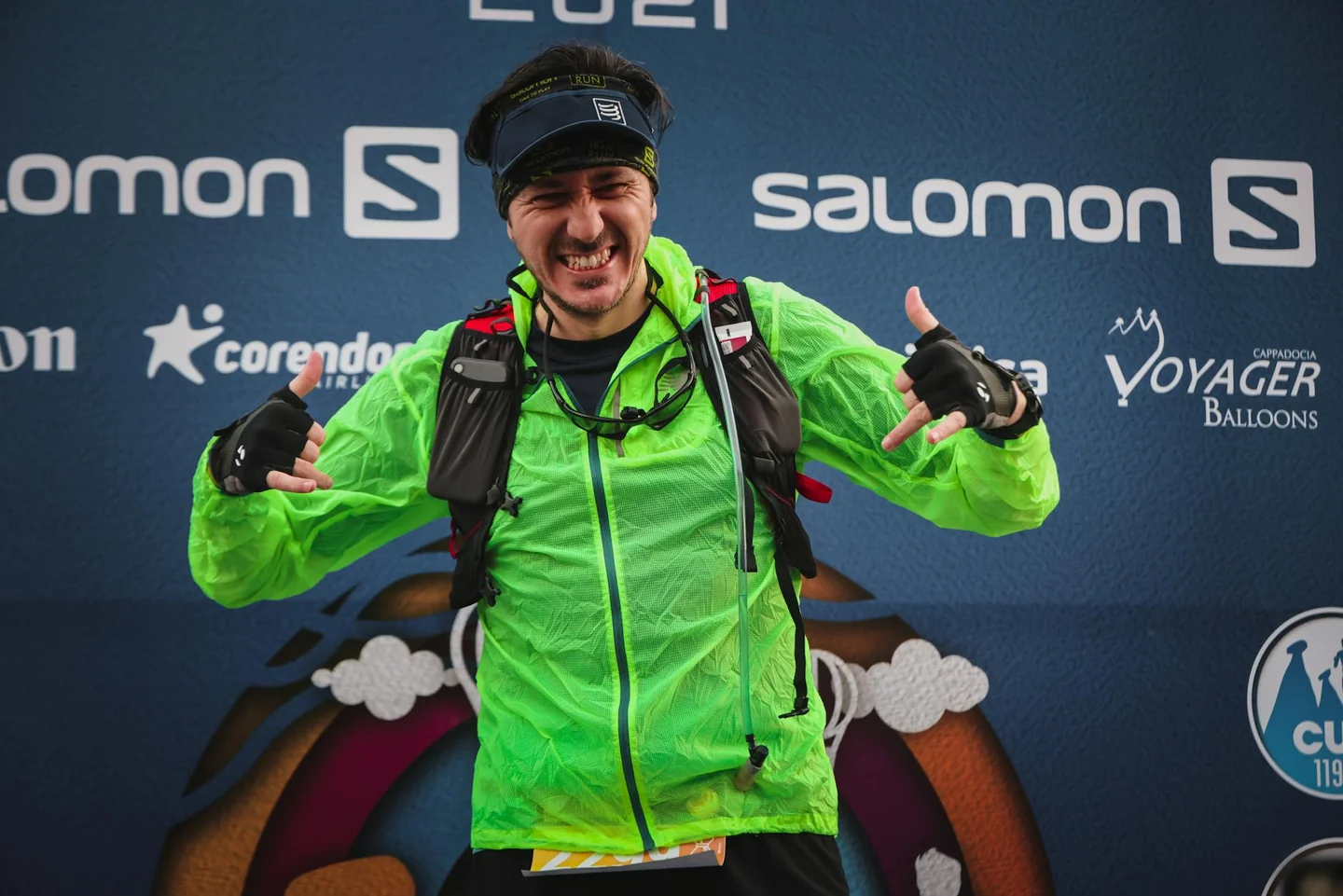
Imagen: Emrah Yazıcıoğlu / Pexels
The men’s windbreaker has become a basic runner’s wardrobe staple because it solves a very specific scenario: heading out to train when the wind cuts through, the humidity presses in, or a light rain threatens to ruin the run. It doesn’t warm like a heavy jacket, but it also doesn’t leave the runner exposed to that damp cold that seeps into the chest and drains the legs of energy. Its value lies in that delicate balance between protection, lightness, and freedom of movement.
In sports stores and on the big marketplaces, the pattern repeats itself: dozens of options, prices ranging from just over 10 euros to more than 200, and an offer where garments designed for asphalt, trail, cycling, or persistent rain all coexist. The real difference is not in the commercial name or the aesthetics, but in very specific details: the type of fabric, the level of breathability, whether it includes a hood, whether the fit is snug or loose, and whether the garment can be folded up without taking up half the backpack.
What makes a lightweight running jacket useful
A good running model does not just stop the wind. It has to manage sweat, because there is no point blocking the air if the inside turns into a greenhouse. Trapped moisture cools the body as soon as the pace drops, and that contrast is one of the main enemies of winter training. That is why the ideal garment combines an outer layer that blocks the airflow with a structure that lets vapor escape from the skin before it condenses.
Weight also matters. In practice, a jacket that is too stiff is noticeable from the very first kilometer: it weighs on the shoulders, pulls at the arms, and ends up reminding you of its presence with every stride. The best-rated models usually use thin fabrics, often with ripstop finishes or water-repellent treatments, designed to handle light rain without becoming a burden. Comfort is decided in grams, but also in how the fabric falls over the body when the runner speeds up or changes pace.
Visibility completes the picture. Reflective details, which sometimes seem like a minor add-on, become more important on gray dawns, short afternoons, and urban routes with traffic. They do not turn the garment into a high-visibility vest, but they do add a useful layer of safety in low-light conditions. Taken together, these jackets work like an intermediate skin: technical enough to head out into the cold, light enough not to get in the way once the workout heats up.
How the market moves and what real prices appear
The price range is wide, but not chaotic. In the most affordable bracket, options appear below 20 euros, with examples such as some Joma models, Givova, or lesser-known brands that prioritize low cost. In the mid-range, many of the usual purchases are concentrated, between 25 and 60 euros, where references from Puma, Spiuk, Under Armour, Columbia, or Adidas Terrex come in. Higher up, already in serious technical territory, there are trail and rain garments that easily exceed 80, 100, or even 200 euros.
That jump is not only about the logo. The difference usually lies in the membrane construction, seam sealing, water repellency, and fabric durability. A 15-euro jacket may do the job for occasional urban outings or mild windy days, but a garment designed for mountains or persistent rain requires more textile engineering and, therefore, more cost. You are not paying only for the brand; you are paying for a better-resolved layer of protection.
The market also shows a clear trend toward packable models. The idea is simple and very practical: start the run wearing the jacket and then stow it away if the body warms up. That versatility has gained ground because it fits the reality of the amateur runner, who leaves home with an uncertain weather forecast and needs garments that respond to sudden changes in temperature. The useful garment is not the thickest one, but the one that adapts best to the route.
Featured models that stand out with their own profile
Among the most complete references is the Danish Endurance model, which sits around 50 euros and stands out for a very balanced approach. Its recycled fabric, adjustable hood, elastic cuffs, and zippered pockets make it a versatile option for asphalt, park, or gentle mountain routes. It does not try to impress with gimmicks, but rather to solve the runner’s day-to-day needs well, as a true wardrobe staple.
In a more technical profile geared toward the mountains, Adidas Terrex Multi printed sits close to 100 euros and offers a ripstop recycled polyester fabric, protection against wind and sun, plus a storage pocket that makes it easy to carry folded. It is one of those jackets that gives off a clear sense of sturdiness without becoming bulky. On changing terrain, where the weather shifts quickly, that steady behavior is appreciated as much as a good downhill.
Nike Stride Repel UV plays in another aesthetic and functional league. It costs around 77 euros and combines lightness, a water-repellent finish, and ultraviolet protection. Its ventilation and raglan sleeves help the arms move naturally, something key when looking for fast paces or long intervals. It is a garment designed for running with a feeling of air, not armor. That lightness is precisely part of its appeal.
At the rain-heavy end, Asics Fujitrail Elite appears, with a price around 225 euros and a construction that already speaks of serious trail performance. Its 2.5-layer PERTEX Shield fabric, 20K/20K breathability, and sealed seams place it at a high level of protection against water and wind. Here the goal is not just to block the weather, but to run with confidence when the environment becomes truly demanding, from muddy trails to days of thick fog.
Joma Elite VIII, on the other hand, sits in a more accessible range, around 35 to 42 euros depending on the channel, and offers waterproofing, an adjustable hood, side pockets, and an inner mesh that improves ventilation. It is one of those models that wins through common sense: it does not aim for the maximum, but it does aim to offer a lot for the price. In the same line of functional economy are PUMA Teamgoal 23 and Regatta Rmw281, both very present in searches and comparisons for their mix of contained price, lightness, and overall reliability.
The difference between running dry and running comfortably
Absolute waterproofing sounds good, but in running it comes with nuances. A fully sealed garment can protect more against water, yes, but it also traps heat and moisture more easily. That is why many runners perform better with water-repellent windbreakers than with heavy waterproof jackets, except on days of continuous rain or long training sessions in bad weather. The choice changes depending on the scenario, not on some abstract idea of quality.
In the city, where the route is usually predictable and effort can be managed more easily, ventilation matters more. In trail running, the equation changes: the uneven terrain, the exposure, and the changes in altitude require a more protective layer, sometimes with a hood and a firm fit. The mountains do not forgive a garment that shifts around or lets air in through the sides. A high collar, an elastic hem, and well-finished sleeves are worth more than they seem.
It is also worth looking at how much the fabric compresses when folded. Some jackets promise portability, but then take up too much space in a vest pocket or create an awkward lump in the backpack. Others, by contrast, really do compress and disappear until the moment they are needed again. On a long outing, that difference may seem minor; in the routine of several weekly training sessions, it feels like one less thing to do.
The details that are really worth checking before choosing
Fit is the first filter. A jacket that is too tight restricts arm swing; one that is too loose lets the wind in from the side and turns the fabric into a small sail. The middle ground is usually the most efficient: an athletic cut that follows the body without squeezing it. Raglan sleeves, elastic cuffs, and the shape of the collar also matter, especially if the runner stacks up sessions early in the morning or at dusk.
Breathability deserves special attention. Some garments include mesh panels in specific areas, such as the back or underarms, to help wick away sweat. It is a simple but very effective resource. When the heart rate rises and the internal temperature does too, the jacket should not turn into a portable sauna. Breathing well inside the garment is almost as important as protecting yourself from the outside.
Another useful point is the presence of pockets. Not every runner needs them, but when they are well integrated they are practical for carrying keys, gels, or the phone. On the other hand, too many compartments can add weight or create annoying bouncing. The logic of running usually rewards the sober approach: fewer seams, fewer layers, fewer friction points. That design economy explains why some minimalist models keep selling very well year after year.
Sustainability has also gone from being a marketing argument to a technical and commercial reference. Several brands work with recycled polyester, OEKO-TEX, Global Recycled Standard, or ClimatePartner certifications. It is not a minor detail: it indicates that part of the textile is made with more controlled processes and, in some cases, with a lower environmental footprint. For the runner, that does not replace performance, but it does add context to the purchase and helps explain why certain garments compete in a different price range.
Road, trail, and rain: three uses, three different priorities
On the road, the main goal is usually thermal stability. The runner needs something that cuts the air without making them sweat too much during a steady run. That is where models like Nike Stride, PUMA Teamgoal 23, or some Joma and New Balance references stand out, balancing mobility, weight, and light protection well. These are garments designed to add kilometers naturally, not to get in the body’s way.
In the mountains, the equation changes. Uneven ground, descents, and unpredictable weather call for a garment that does not bounce around the torso and that can better withstand the elements. Adidas Terrex and Asics Fujitrail Elite represent that more demanding logic, with more elaborate fabrics and a clear focus on moisture, wind, and durability. When the trail gets tougher, the jacket stops being an accessory and becomes part of the safety system.
In light rain, finally, practicality and quick drying take over. PERLETTI, Regatta, or even some budget options from Amazon answer that need to get by with dignity, without spending too much. Not every runner needs a high-end garment for a gray autumn day. Sometimes a simple jacket, with a hood, reflective details, and a fabric that does not soak through at the first drop, is enough.
What ratings and online demand show
Buyer reviews offer a fairly clear snapshot. Models like Columbia Watertight II or certain Joma jackets accumulate thousands of ratings, which reveals a combination of reach, competitive pricing, and practical trust. That does not mean they are the only valid options, but it does show that they have found a stable place among those looking for something that works without complications.
Another interesting point also stands out: garments with the best balance between price and performance tend to concentrate the highest sales volume. The most expensive or the most eye-catching does not always win. Often, the one that solves the essentials with enough reliability, survives several washes, and does not get in the way while running is the one that comes out on top. In running, usefulness ends up beating visual noise.
That is why, when reviewing catalogs and digital storefronts, the real question is not how much a jacket costs, but what environment it is going to face. An urban runner who goes out three times a week does not need the same protection as someone training in the mountains or racing in unstable weather. Smart buying comes from that match between real use and technical level, not from a generic promise of total versatility.
A small garment that changes the whole experience of going for a run
The lightweight men’s jacket is not an equipment whim or a secondary accessory. It works like a hinge between the weather and the workout, between comfort and discipline. When it is chosen well, the runner feels less wind, manages moisture better, and keeps a sense of control even on difficult days. That effect, as discreet as it is valuable, explains why it has gained so much weight in running gear searches.
In a season when the cold comes in sideways and mornings open under leaden skies, the real value lies in choosing with judgment. Lightness, breathability, fit, and resistance to light rain remain the four pillars of a sensible purchase. From there, each runner decides whether to prioritize price, packability, aesthetics, mountain use, or rain protection. The market offers plenty of room; the hard part is not finding an option, but separating the useful garment from the one that only looks complete on the spec sheet.
The current catalog shows that there is room for almost every profile, from the beginner looking to spend little to the person who needs a technical jacket for serious trail running. Between them all, the common thread is the same: running does not depend only on shoes. Sometimes, a good layer against the wind decides whether the workout becomes a manageable session or a fight against the weather.
You may also like: Women’s running rain jacket: plan, paces and key points with useful tips.



How to prevent thigh chafing: causes and real solutions

Women’s running windbreakers: seven jackets and how to choose

Do more workouts get rid of soreness? A guide for runners

Jaén Half Marathon 2026: Record 3,800 Runners Registered

Men’s short running tights: how to choose the right pair

World Triathlon confirms data breach involving medical data

Izan Edo targets podium at Miyazaki World Cup

María Pérez ranks ninth in World Athletics’ 2026 top ten

Dos Santos, Duplantis and Sawe: World Athlete of the Year finalists

San Silvestre Vallecana 2026: 42,000 places, prices and start times

 Races3 months ago
Valencia Half Marathon 2027: date and registration

 Races3 months ago
Valencia Marathon 2026: entry, ballot and course

 Reviews and Comparisons4 months ago
Asics Gel-Roadmiles 3 for men: review and current price

 Reviews and Comparisons4 months ago
Asics Gel Sonoma 8 Gore-Tex: complete analysis for trail and rain

 Sneakers3 months ago
Saucony Endorphin Pro 4: full review and verdict

 News5 months ago
Strava API 2026: what changes for clubs, challenges and runner apps?

 Reviews and Comparisons5 months ago
Nike Alphafly 3: opinions, sensations, and real key points

 Reviews and Comparisons4 months ago
Under Armour running shoes review 2025-2026: models and key features

 Sports Equipment4 months ago
Shoe sizes in cm: a clear guide to getting the right fit for your footwear

 Sneakers3 months ago
Skechers GO RUN Consistent 2.0 analysis: comfort and limits

 News5 months ago
Valencia Marathon 2026 route: key tips to train and run better

 Sneakers4 months ago
Adidas Adizero Boston 13 for men: review and verdict