Training
Running and vacations: training without turning the trip into penance
Balancing rest and workouts in summer helps you stay in shape and enjoy each trip more.

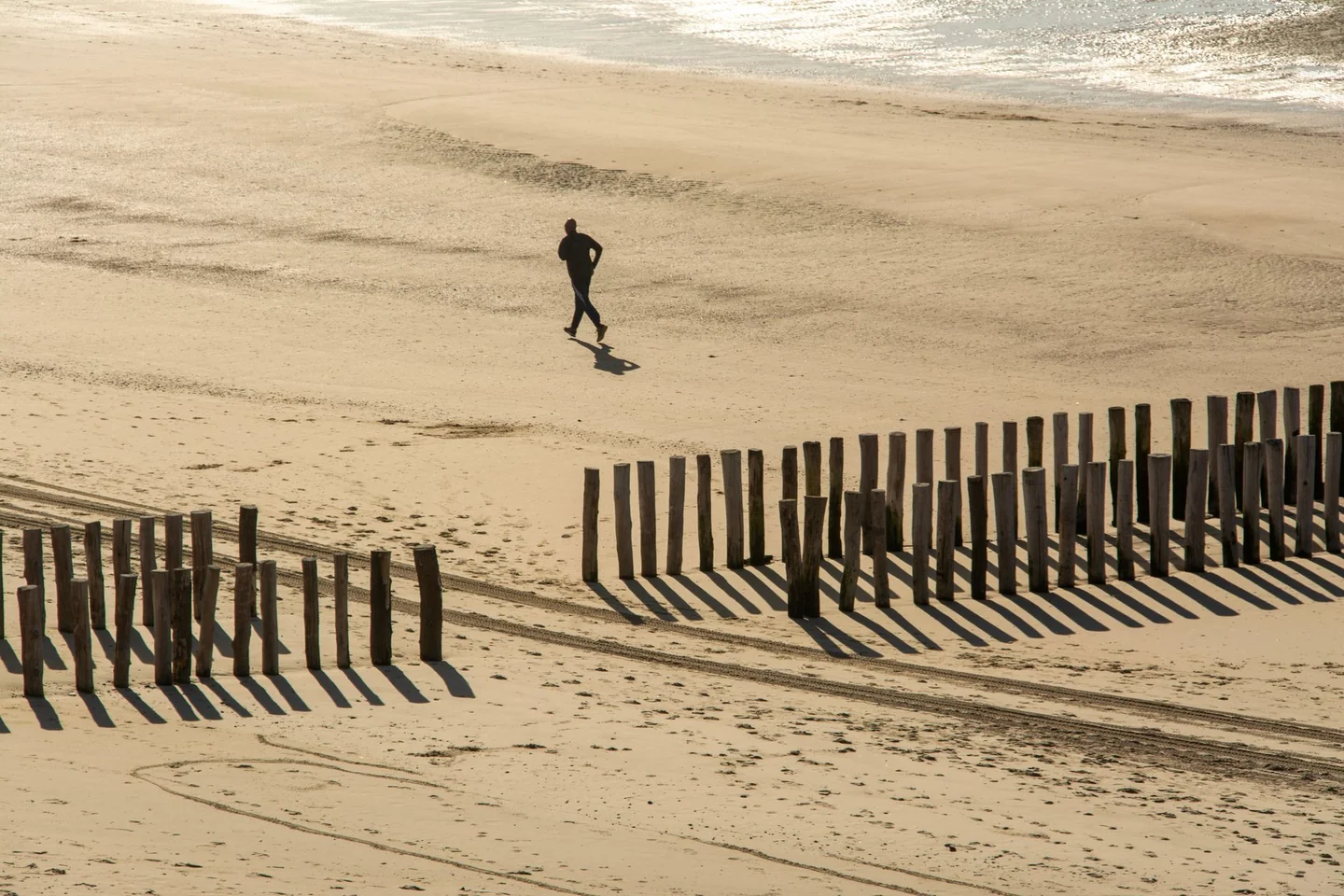
Imagen: Jan van der Wolf / Pexels
Vacations don’t force you to choose between resting or keeping on running. In summer, the body appreciates slowing down, but it’s also wise to avoid letting a long break cut off, all at once, the continuity built over months. The key is to understand that running changes scenery, it doesn’t disappear: it becomes more flexible, shorter and less ambitious, but it can still bring health, order and well-being.
The decision depends above all on the point in the season, the heat and the kind of rest you’re looking for. After a demanding race, stopping for a few days can be the best medicine; if, on the other hand, you have a goal coming up soon, it makes more sense to keep gentle stimuli so you don’t lose your feel. Between those two extremes there’s a very wide middle ground, and that’s where the smart runner finds their place.
Rest, continuity and that very fine line of summer
Rest is part of training just as much as stride or the long run. During periods of high load, a quiet week can help recover muscles, tendons and the nervous system. It also reduces the risk of overload, something especially useful when the calendar has been tight with half marathons, 10Ks or a longer build-up. The problem appears when a break meant to recover ends up stretching out more than it should.
On vacation, routine gets thrown off easily. Dinner is later, sleep changes, you walk a lot through new cities or go from the sand to the car and from the car to the table. That change in habits isn’t negative in itself, but it does alter the regularity that supports fitness. A runner doesn’t lose everything in a week, but they can notice stiffness, less spark and a certain laziness when they come back.
That’s why the question isn’t whether to run or not to run, but what the body really needs in that specific stretch of the year. After an important competition, stopping for several days isn’t just acceptable: it can be the most sensible thing. By contrast, if the sporting calendar is still alive in September or October, it’s worth keeping a minimum level of activity so the return doesn’t turn into too steep a climb.
When stopping adds more than insisting
There are vacations when leaving the shoes untouched is a perfectly logical decision. Anyone who arrives fatigued after a long training block usually benefits from a few days without demands, especially if they’re carrying aches, irregular sleep or a clear feeling of saturation. The body doesn’t just accumulate miles; it also accumulates tension, micro-impacts and small warnings that are sometimes overlooked when you only look at the watch.
In that context, resting doesn’t mean switching the engine off completely. It can mean walking, swimming, easy cycling or simply moving without a goal. That kind of activity keeps circulation going, supports recovery and clears the head, which also needs some air when the season has been intense. The beach, the mountains or an unfamiliar city offer stimuli that repetitive training rarely gives.
A complete break, moreover, has a mental value that is often underestimated. Sleeping without an alarm, not checking heart rate, not negotiating with intervals or paces, and letting the day set the rhythm can bring back the feeling of freshness that gets lost in the most demanding weeks. In experienced runners, that rest is usually noticeable on the return: the legs feel lighter, the mind comes back eager and motivation reappears without having to force it.
How to keep fit without turning the trip into an obligation
The best approach on vacation is usually not a rigid plan, but well-chosen minimum continuity. With two or three outings a week, short and easy, it’s enough to maintain much of the aerobic adaptations and avoid the return feeling like starting from zero. There’s no need to pile up miles; many times it’s enough to remind the body that it’s still a runner.
That continuity is built with shorter sessions, comfortable paces and a clear intention to enjoy the route. Getting up early to run by the sea, heading out at sunset when the light turns golden, or linking a coastal walk with an easy jog are ways to keep the habit without letting it take over the rest. The success isn’t in the volume, but in how easily you fit the outing into the day.
It also helps to change the goal. Instead of thinking about times, it’s better to think about sensations: breathing well, moving smoothly, finishing without fatigue and coming back hungry for more. That way of running makes a lot of sense in summer because heat, humidity and irregular schedules raise internal load even when the watch says otherwise. A 30-minute run under harsh sun can count for more, in terms of effort, than a longer session in April.
Heat changes the rules of the game
Summer doesn’t punish only because of temperature; it also does so because of the combination of heat, humidity and solar radiation. The body spends part of its energy regulating itself, and that makes any effort more costly. That’s why vacation sessions should be placed in the gentler parts of the day, usually at dawn or late in the afternoon, when the feels-like temperature drops and the pavement stops feeling like a hot plate.
Training in the middle of the day usually isn’t worth it. Dehydration comes sooner, heart rate shoots up more than it should and the perception of effort becomes misleading. The problem isn’t just performing worse, but exposing yourself to heatstroke or avoidable exhaustion. In coastal destinations, moreover, the breeze can give a false sense of coolness while the body keeps losing fluids without giving much warning.
Hydrating before, during and after running matters more in summer than in any other season. It’s not about drinking huge amounts by default, but about arriving at the start well hydrated and replenishing sensibly afterward. A light cap, breathable clothing and shaded routes help more than it seems. On very hot days, reducing distance, lowering intensity or swapping the run for a brisk walk is also a valid decision.
The beach and the mountains don’t ask for the same thing
Running by the sea and running at altitude are different experiences, almost two related sports. Soft sand demands a lot from calves, ankles and hips; firmer sand allows for more stable work, but it still asks for more concentration than asphalt. On the beach, a slightly shorter stride and a controlled pace are usually the best choice. The unstable surface makes the body work harder, even if the legs don’t tell the story at first glance.
The mountains, for their part, force you to think differently. The elevation changes the effort, the downhills punish more than they seem to and pace loses importance in favor of time and perceived effort. A kilometer of trail is not the same as a kilometer in the city; that’s a basic lesson many runners learn on vacation, sometimes by way of heavy legs the next day.
Both settings offer an added value that isn’t measured only in physical fitness. The beach clears the head with the vastness of the horizon; the mountains bring order with silence, shade and constant changes in terrain. In both cases, running stops being a mechanical task and becomes a way of reading the place. The body works, yes, but it also observes, listens and adapts.
Tourism, landscape and stride: a mix more useful than it seems
Going for a run on a trip can be the quietest way to get to know a city or a coastline. While others get stuck between maps, waits and tourist groups, the runner crosses streets that are still half empty, skirts squares that are just starting to open and discovers routes that a slow walk doesn’t show with the same clarity. Time seems to stretch when you run through new places, as if every corner left a sharper impression.
That advantage is especially noticeable in urban destinations. A short route at dawn lets you see facades, parks and seafront promenades in a different light, without the pressure of the schedule or the midday noise. The city becomes more livable when it hasn’t fully woken up yet, and running in that window has something of a privilege to it: less traffic, less heat and an almost intimate geography.
On family vacations, too, a short outing can fit better than it seems. While the rest of the group sleeps or gets ready for the day, the runner adds activity without taking real time away from the collective rest. That integration is one of running’s great virtues: it doesn’t require facilities, it barely depends on a pair of shoes in good condition and a minimum of organization.
What the body appreciates and what it doesn’t forgive
Vacations and running work well when moderation and body awareness are in charge. Excesses show up quickly: heart rates higher than usual, heavy legs, disturbed sleep or a strange fatigue that doesn’t go away after a quiet night. Those signals usually don’t come alone; they almost always warn that the load is out of balance, whether because of heat, insufficient hydration or too much ambition.
It’s also worth looking at the ground under your feet. Very worn shoes, an unstable sole or terrain that’s too hard for the planned session can turn an innocent jog into a bad afternoon. Footwear doesn’t solve everything, but it does affect comfort and safety. On vacation, where the body is already dealing with travel, different beds and other kinds of effort, that detail matters more.
Strength, though often forgotten in summer, is still an ally. A few minutes of mobility, core work or basic bodyweight exercises help support the stride and protect the joints. There’s no need to set up a gym session to notice the benefit: a few planks, squats and lunges done well are enough to remind the body that running doesn’t live on mileage alone.
The return matters almost as much as the departure
Coming back from vacation is less noticeable when the break has been smart. Anyone who has kept some movement, even if only a little, usually gets back into it sooner and with less stiffness. Anyone who has rested completely needs a few days of readjustment, but there’s no need to dramatize it either: the body recovers faster than the nostalgia of the pause sometimes suggests.
The most common trap on returning is trying to make up for what was lost in three workouts. That reaction usually comes at a cost. The sensible thing is to come back with short sessions, comfortable paces and without chasing the sensations of the very recent past. The legs take time to remember, but they do remember. The problem is usually impatience, not physiology.
From a sporting point of view, a well-managed vacation break can act as a useful hinge between blocks. It allows you to start the next stretch with a clearer head and a less saturated body. That combination, discreet but effective, explains why so many runners come back from summer with better feelings than they imagined when they closed the suitcase.
A well-run summer leaves more than miles
Running and vacations don’t contradict each other; they correct each other. Running in summer helps you avoid losing fitness altogether, but it also forces you to lower your ego, adjust schedules and understand that the body doesn’t perform the same under harsh sun as it does on a mild spring day. In return, it offers something very valuable: continuity without rigidity, movement without pressure and a different way of looking at the place where you are.
The runner who knows when to stop and when to move usually comes back with more resources than the one who confuses rest with abandonment or discipline with stubbornness. On vacation, the best decision is almost never the extreme one. Sometimes it will be resting, other times running little and very easy, and other times swapping asphalt for sand, the city for the mountains or the plan for a quiet morning by the sea. That balance, simple in appearance, is what sustains the habit over the long term.
In the end, summer leaves its best version when it doesn’t force you to choose between pleasure and habit. A well-lived vacation can hold both: the rest that renews and the run that reminds you who you are when the day begins and the air still doesn’t weigh much.



How to prevent thigh chafing: causes and real solutions

Women’s running windbreakers: seven jackets and how to choose

Do more workouts get rid of soreness? A guide for runners

Jaén Half Marathon 2026: Record 3,800 Runners Registered

Men’s short running tights: how to choose the right pair

World Triathlon confirms data breach involving medical data

Izan Edo targets podium at Miyazaki World Cup

María Pérez ranks ninth in World Athletics’ 2026 top ten

Dos Santos, Duplantis and Sawe: World Athlete of the Year finalists

San Silvestre Vallecana 2026: 42,000 places, prices and start times

 Races3 months ago
Valencia Half Marathon 2027: date and registration

 Races3 months ago
Valencia Marathon 2026: entry, ballot and course

 Reviews and Comparisons4 months ago
Asics Gel-Roadmiles 3 for men: review and current price

 Reviews and Comparisons4 months ago
Asics Gel Sonoma 8 Gore-Tex: complete analysis for trail and rain

 Sneakers3 months ago
Saucony Endorphin Pro 4: full review and verdict

 News5 months ago
Strava API 2026: what changes for clubs, challenges and runner apps?

 Reviews and Comparisons5 months ago
Nike Alphafly 3: opinions, sensations, and real key points

 Reviews and Comparisons4 months ago
Under Armour running shoes review 2025-2026: models and key features

 Sports Equipment4 months ago
Shoe sizes in cm: a clear guide to getting the right fit for your footwear

 Sneakers3 months ago
Skechers GO RUN Consistent 2.0 analysis: comfort and limits

 News5 months ago
Valencia Marathon 2026 route: key tips to train and run better

 Sneakers4 months ago
Adidas Adizero Boston 13 for men: review and verdict