Reviews and Comparisons
What is the best running shoe according to your foot strike type
The choice depends on your stride, weight, distance, and terrain. These are the keys to really getting it right.

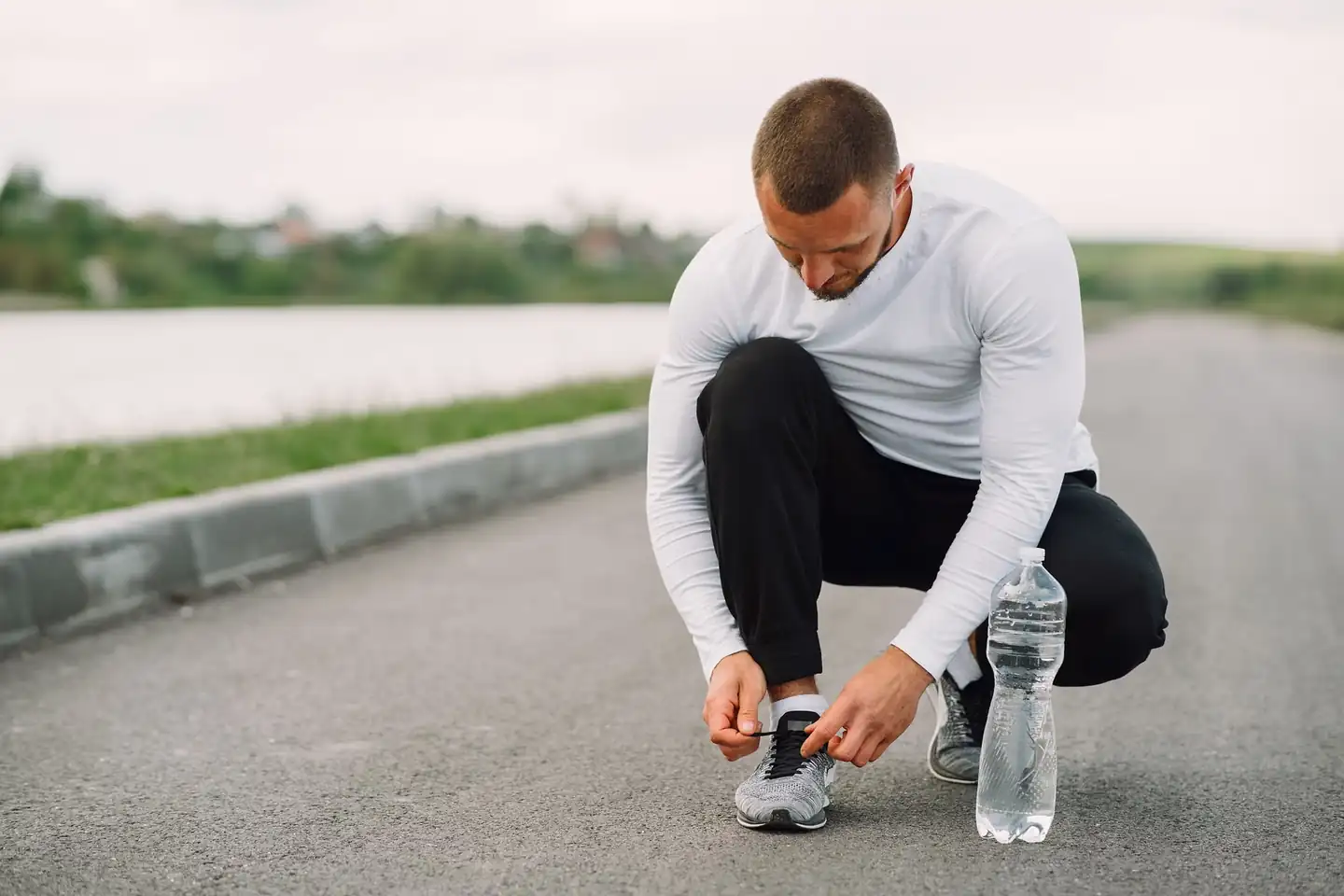
There is no single shoe that is the best for everyone. The answer changes depending on foot strike, the runner’s weight, the distance, the terrain, and even how often you go out to train. A very soft shoe may feel comfortable in the first few kilometers and clumsy on a long run; a firmer one may seem harsh at first and yet be more stable and durable when weekly volume increases. Choosing well is not about chasing the trendiest model, but about finding the balance between cushioning, fit, stability, and responsiveness.
In today’s market, the models most valued by road runners usually fall into three main families: neutral shoes for everyday use, stability shoes for those who need extra support, and tempo or racing shoes for specific days. That map helps you avoid getting lost among commercial names, acronym-filled foams, and futuristic-looking outsoles. What matters, in the end, is still the same as always: that the shoe follows your stride without forcing it.
What really makes a model a good choice
The best running shoe is the one that disappears during the run. That is the useful idea, much more than any marketing label. The foot should not have to fight the upper, the heel should not wobble inside the heel counter, and the midsole should not collapse by the third kilometer. When everything works together, the runner barely notices it; when it fails, every impact multiplies like an annoying echo on the asphalt.
Cushioning, for example, is not just about adding more foam and calling it a day. Its density, how it behaves over the kilometers, and the way it distributes load all matter. A responsive foam returns energy and encourages pace, but if it is too tall or unstable, it can become demanding on lateral landings. That is why many brands have refined their blends: they seek a soft feel without losing control, a middle ground that can handle easy runs, pace changes, and some accumulated fatigue.
Fit is just as decisive as the foam. A good last leaves room in the toe box, secures the midfoot, and holds the heel without rubbing. That seemingly small detail separates a smooth session from a run interrupted by blisters or battered toenails. On long races, where the foot naturally swells, leaving a few millimeters of space at the front can be the difference between finishing comfortably and finishing with a grimace.
Neutral, stability, or mixed: the first useful filter
Neutral shoes cover most runners. They are the most versatile option for someone with a relatively stable stride who wants to train without complications. They work well for easy runs, progression runs, and long runs, and they are usually the most sensible choice if there is no specific biomechanical need. Within this group you can find everything from highly cushioned models to lighter, more agile ones, but they all share the same logic: to accompany rather than strongly correct.
Stability shoes, on the other hand, include reinforcements or geometries designed to guide the foot strike better. They are not exclusive to runners with marked overpronation; they can also help heavier runners, people who feel their feet tiring at the end of a session, or those looking for a firmer platform to rack up mileage. Modern stability no longer looks like the old rigid posts of the past. Now it is usually integrated more subtly, through sidewalls, wider bases, or internal structures that soften excess motion.
Mixed or racing shoes operate on a different logic. They are made to run faster, not necessarily to run longer. Many rely on carbon plates or rigid compounds that improve transition and reduce energy expenditure at high speeds. They are excellent for 10K, half marathon, or marathon distances, but they demand a more refined technique and are not always the best purchase for a runner who does two easy outings a week. The more extreme the performance, the narrower the range of use usually is.
The most common mistake: buying for fame instead of context
The best-selling model does not have to be the most suitable. In fact, quite often the opposite is true. A shoe that is a hit with fast runners may feel unstable for someone who lands on the heel with a wide stride; a very soft, plush shoe may seem perfect in the store and then feel excessive in intervals or pace changes. The foot does not buy based on reviews; it buys based on sensations repeated over hundreds of impacts.
It also helps to look at the usual terrain. A shoe designed for smooth asphalt does not respond the same as one made for parks, gravel paths, or compact dirt sections. On hard surfaces, the outsole and geometry matter as much as cushioning; on mixed routes, grip and durability matter more than the trampoline effect. An outsole that bites well into the ground provides confidence, especially when rain appears or the pace increases and the landing becomes less precise.
The runner’s weight changes the equation completely. Not because there are good or bad models for certain weights, but because the midsole responds differently depending on the load. Heavier runners often appreciate a wide base and foam that does not sink too much; lighter runners may feel better in shoes that are livelier, less bulky, and have a faster transition. The key is not the number on the scale, but how it interacts with the model’s structure.
Which brands and models dominate the conversation now
ASICS, New Balance, Hoka, Nike, Saucony, adidas, and On are some of the names that come up most often when talking about reliable running shoes. Not because all their offerings are the same, but because they have refined complete lines for different profiles. In ASICS, easy-run models such as the Gel-Nimbus, Cumulus, or Novablast coexist with stability versions like the Gel-Kayano and GT-2000, while New Balance has established families such as the 1080, Rebel, and SuperComp to cover everything from daily comfort to racing.
Hoka has made cushioning a defining trait, with models like the Clifton, Bondi, or Skyflow, designed to provide a soft feel without completely sacrificing efficiency. Nike, for its part, maintains a very broad catalog, where the Structure remains a reference for stability and the Pegasus or Vaporfly lines retain a strong identity among recreational and competitive runners. Saucony has gained ground with the Triumph and Endorphin, two names that are now part of the everyday vocabulary of those who alternate training and racing.
In the 2026 range, the most repeated families in stores and comparisons look a lot like that. ASICS Novablast 5, Gel-Nimbus 28, Gel-Kayano 32, New Balance 1080 v15, FuelCell Rebel v5, Hoka Clifton 10, Hoka Rocket X 3, Saucony Endorphin Pro 5, adidas Adizero Dropset Elite, or On Cloudboom Max are examples of how the market has better differentiated uses. There are shoes for piling up comfortable miles, others for lively sessions, and others that call for a race bib. Abundance does not solve the problem; it makes it smarter if you know how to interpret it.
The best choice according to the type of runner
For beginners, the safest value usually lies in a neutral, cushioned, and stable shoe. There is no need to complicate a routine that is still developing. Models like the ASICS Gel-Cumulus, Hoka Clifton, or New Balance 1080 often fit well at this stage because they balance comfort and simplicity. They do not demand exquisite technique and allow you to build consistency without feeling punished on every outing.
Runners who already train consistently and alternate paces will appreciate a more versatile shoe, with a bit more liveliness. That is where models like the ASICS Novablast or New Balance FuelCell Rebel come in, which usually feel lighter and more dynamic without giving up daily use. These are shoes that work well for fartlek, short intervals, or brisk easy runs, almost as if the pace had been built into the midsole.
For runners who need support, stability remains a quiet ally. The Gel-Kayano, GT-2000, Nike Structure, or Brooks Adrenaline GTS offer that controlled-platform feeling that many appreciate on long runs or during heavy training weeks. They no longer correct aggressively like older models did; instead, they organize the motion. That difference matters: subtle guidance usually works better than blunt imposition.
And when it comes to racing, the answer changes again. If the goal is to run fast in a 10K, a half marathon or a marathon, shoes with plates and high-energy foams can make a real difference, as long as the runner tolerates them well. The feel is more agile, the transition cleaner, and the stride more economical at high speeds. But they are not a universal shortcut; they require adaptation and, in many cases, perform better on race day than in routine training.
Cushioning does not mean softness without control
One of the most widespread myths is that more cushioning always means more comfort. In practice, it depends on how it is built. A very generous foam can protect against repeated impacts, yes, but it can also create a feeling of instability if the base does not support it. That is why some runners describe certain shoes as mattresses with wheels: soft, yes, but not very precise underfoot.
The best current solutions try to combine different layers or geometries that guide movement. The midsole can be tall, but the internal chassis keeps control; the foot strike can feel soft, but the transition from heel to toe is carefully measured. That mix is especially noticeable over long distances, when technique loses sharpness and the shoe has to support the runner’s work almost silently.
At that point, details matter more than the promise. A wide base, a well-executed rocker, and durable outsole rubber usually matter more than a spectacular millimeter count of foam. Real comfort is not a temporary pillow; it is the feeling that the body keeps moving forward without strange resistance, with an economy of effort that becomes obvious when comparing how you feel at the end of a run.
The role of the drop, outsole, and upper
The drop, the difference in height between heel and forefoot, also has an influence. It does not change the magic of the shoe, but it does affect the running feel. A high drop can make the transition easier for runners who land on the heel or who want more protection for the Achilles tendon; a lower one tends to encourage a slightly more natural, ground-connected stride, though it should not be forced if the body is not used to it. What matters is that it does not cause new discomfort.
The outsole deserves more attention than it usually gets. Quality rubber and a well-thought-out tread help the shoe stay consistent over the kilometers, especially in rain or on polished surfaces. In an urban race, where the ground changes texture without warning, that security is appreciated almost as much as cushioning. Traction does not look impressive in photos, but it is very noticeable when the foot lands on wet ground or turns in a tight corner.
The upper, finally, determines much of the daily comfort. If the mesh is too stiff, the foot feels trapped; if it is too soft, it loses support. The best upper combines breathability, fit, and a certain tolerance for the foot’s natural movement. When the heat is on, a ventilated mesh prevents that oven-like feeling that turns a short outing into a small ordeal.
How long they last and when to replace running shoes
Typical lifespan is around 600 to 800 kilometers in many road models, although some shoes last a bit longer and others lose freshness sooner. It is not just about visible wear on the outsole. Foam also fatigues, and sometimes everything looks fine on the outside while inside the shoe has already lost part of its ability to absorb impact and respond cleanly.
In trail models or those with more robust outsoles, durability can stretch a bit further, but it always depends on terrain and use. A runner who runs on dry asphalt and takes rest days does not wear shoes down the same way as someone training four or five times a week, with speed work and a higher body weight. Mileage is therefore a reference, not an absolute verdict.
There are more reliable signs than the exact number. If new pains appear, if the midsole feels crooked, if the outsole loses grip, or if the shoe takes too long to spring back after compression, it is probably already nearing the end. Sometimes the body warns you before your eyes do. And in running, listening to that warning is usually cheaper than ignoring it.
A useful answer for buying with criteria instead of impulse
The best running shoe is, in practice, the one that fits your real use and not a fantasy of performance. For most people, that means a comfortable, reliable neutral shoe if easy runs and joint health are the priority; a stability shoe if support is needed; and a faster one only when you truly plan to put it to the test. The market offers enough nuance for almost any runner to find their place without having to go to extremes.
The smartest purchase is usually the one that matches a specific routine: how much you run, where you run, at what pace, and with what sense of fatigue. Runners who rack up easy kilometers will value generous cushioning and a stable stride; those who alternate intervals and easy runs will look for something livelier; racers will want a more aggressive shoe. There is no single crown, only a hierarchy that changes depending on the scene.
That is why the best shoes are not necessarily the most famous, the most expensive, or the flashiest. They are the ones that respect the runner’s biomechanics, support consistency, and do not turn every outing into a negotiation with the ground. In a sport where everything begins with repeated impact, the right footwear is not an accessory: it is the quiet foundation on which every kilometer is built.
Este artículo contiene enlaces de afiliado: si compras a través de ellos, se genera una pequeña comisión sin coste adicional para ti. Más información.



How to prevent thigh chafing: causes and real solutions

Women’s running windbreakers: seven jackets and how to choose

Do more workouts get rid of soreness? A guide for runners

Jaén Half Marathon 2026: Record 3,800 Runners Registered

Men’s short running tights: how to choose the right pair

World Triathlon confirms data breach involving medical data

Izan Edo targets podium at Miyazaki World Cup

María Pérez ranks ninth in World Athletics’ 2026 top ten

Dos Santos, Duplantis and Sawe: World Athlete of the Year finalists

San Silvestre Vallecana 2026: 42,000 places, prices and start times

 Races3 months ago
Valencia Half Marathon 2027: date and registration

 Races3 months ago
Valencia Marathon 2026: entry, ballot and course

 Reviews and Comparisons4 months ago
Asics Gel-Roadmiles 3 for men: review and current price

 Reviews and Comparisons4 months ago
Asics Gel Sonoma 8 Gore-Tex: complete analysis for trail and rain

 Sneakers3 months ago
Saucony Endorphin Pro 4: full review and verdict

 News5 months ago
Strava API 2026: what changes for clubs, challenges and runner apps?

 Reviews and Comparisons5 months ago
Nike Alphafly 3: opinions, sensations, and real key points

 Reviews and Comparisons4 months ago
Under Armour running shoes review 2025-2026: models and key features

 Sports Equipment4 months ago
Shoe sizes in cm: a clear guide to getting the right fit for your footwear

 Sneakers3 months ago
Skechers GO RUN Consistent 2.0 analysis: comfort and limits

 News5 months ago
Valencia Marathon 2026 route: key tips to train and run better

 Sneakers4 months ago
Adidas Adizero Boston 13 for men: review and verdict