Reviews and Comparisons
What is the best smartwatch for running and daily use
Featured models, battery life, health, GPS, and compatibility: what really changes when choosing a smartwatch.

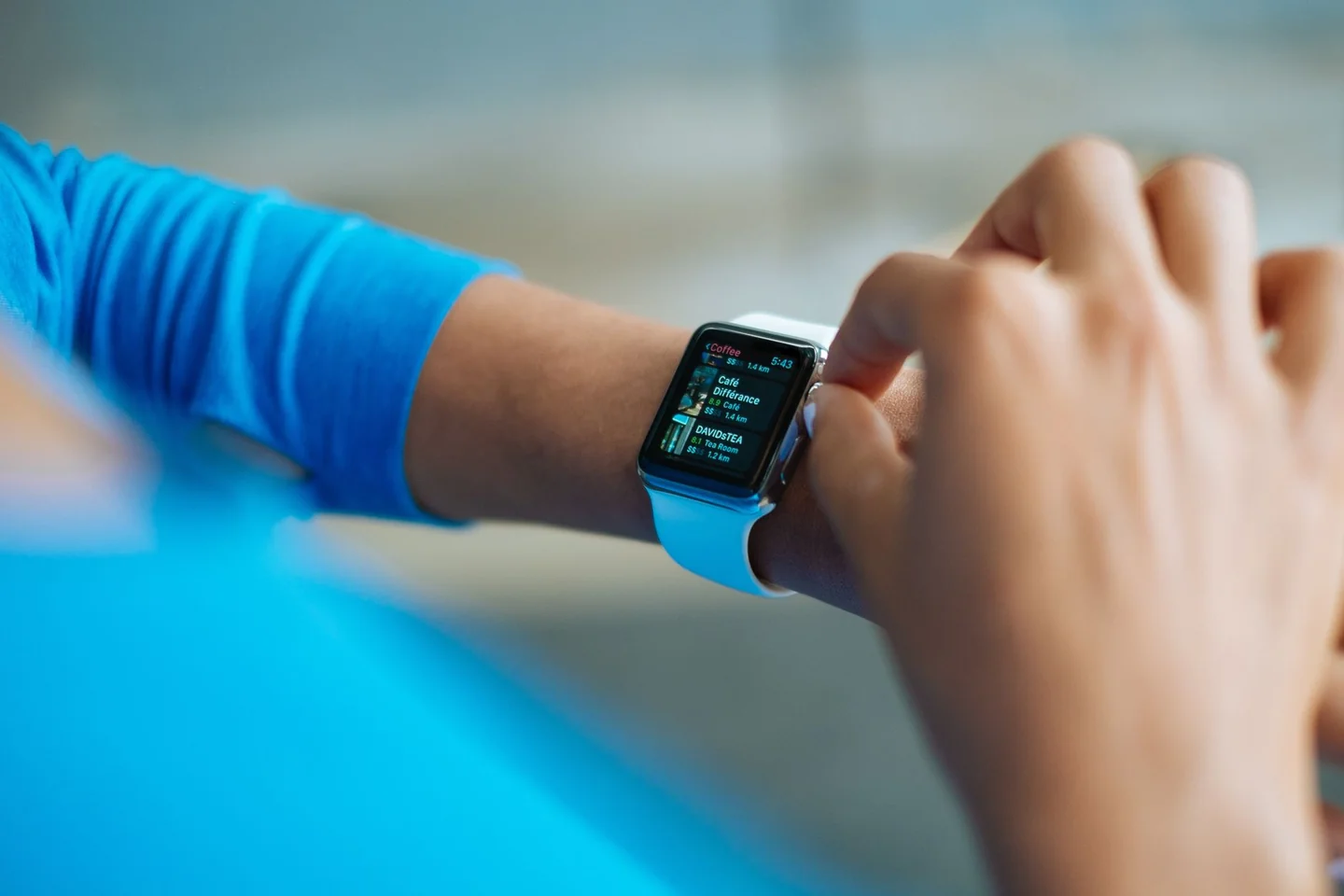
In the wearable showcase, the best smartwatch is not the most expensive or the one with the most features, but the one that fits the phone, daily use, and the priorities of the person wearing it on their wrist. For someone who runs, works, replies to notifications, and wants reliable health tracking, the difference between getting it right and buying on impulse shows up quickly: a battery that lasts too little, sensors that fail, or an awkward interface end up mattering more than the screen’s shine.
The right choice comes from balancing compatibility, battery life, sensor accuracy, comfort, and design. In 2026, the strongest models on the market are split between very distinct ecosystems, sports-oriented watches, and hybrid offerings that aim to look like a traditional watch without giving up technology. In Spain, and also among those who go out to train along the Paseo Marítimo, the Turia, or any urban route, the watch is no longer an accessory: it is a tool that records heart rate, sleep, physical load and, in the best cases, even recovery pace.
What really separates a good smartwatch from an average one
Compatibility with your phone is everything. Apple Watch works optimally with iPhone and does not sync with Android. Samsung, Garmin, Amazfit, Huawei, Fitbit, or Withings cover the cross-platform ground better, though each has its own nuances. That basic detail is what most shapes the real experience. A watch that promises a lot but doesn’t integrate with your apps, your payments, or your notifications ends up being a pretty screen with little usefulness.
Battery life is the second major filter. There are premium models with daily or near-daily charging, like Apple Watch, and others that stretch the battery for several days, even weeks, like some Garmin, Amazfit, or Withings models. In sports and health use, charging less is also using more: fewer interruptions, less mental wear, and more continuity in tracking. For someone who runs regularly, that’s no small detail, because GPS and sensors consume much more than it seems on paper.
Sensor accuracy also cannot be treated as a minor extra. Heart rate, SpO2, sleep, stress, ECG, or body composition are of little use if their readings are erratic. It’s best to see them as a compass, not as a medical diagnosis. Even so, when a watch is well tuned, it offers a useful picture of trends: how you sleep before a long run, whether you’re overloading yourself, or whether a week of work and heat has changed your resting heart rate.
Models that are setting the standard today
At the high end, Apple Watch Series 9 remains one of the clearest answers for anyone living inside the iPhone ecosystem. Its phone integration, the S9 chip’s performance, the always-on display, and features like Apple Pay, fall detection, ECG, blood oxygen measurement, and menstrual cycle tracking put it in a privileged position. It’s a watch that feels fast, polished, and very natural in everyday use, almost like an extension of the phone.
Its weak point, however, remains the same as always: the battery lasts around 18 hours. In practice, that means frequent trips to the charger, and people who train every day notice this especially when using GPS, music, and notifications in parallel. It’s an excellent device, yes, but it requires a charging habit. For iPhone users who value the most seamless experience and don’t prioritize battery life, it remains a very solid choice.
On the Android side, the Samsung Galaxy Watch6 stands out for balance. It has high-quality AMOLED screens, 40 and 44 mm versions, 5 ATM water resistance, GPS, calls, contactless payments, and a very broad set of health metrics. Samsung has put a lot of effort into sleep, stress, and body composition tracking, which makes it a very complete watch for anyone combining office work, the gym, and runs. Its battery can last up to about 40 hours, a reasonable figure for such an ambitious model.
The Galaxy Watch6 is convincing because it doesn’t give up on design. It doesn’t look like a small technical gadget strapped to the wrist, but rather a refined watch with presence that fits both sportswear and more formal settings. For anyone using Android and wanting a smartwatch with a premium feel, it is one of the most balanced candidates. The only real caution is that battery life drops when advanced features and mobile connectivity are pushed hard, a nearly universal rule in the premium range.
More discreet and distinctive is the Garmin Lily 2, designed for those who prefer smaller cases and an aesthetic closer to jewelry. It has a hidden screen that appears only when activated, a compact case, and a very clean reading of heart rate, sleep, stress, and menstrual cycle or pregnancy. Garmin usually shines in the sports field, but here it has refined the design so the watch doesn’t steal attention from the overall look. It’s a smartwatch that aims to go unnoticed until you need to check the data.
Its great virtue is comfort. On small wrists it is especially pleasant, and its battery life of up to 5 days avoids the anxiety of daily charging. In exchange, it depends more on the phone for certain functions and doesn’t offer the same level of independence as other more expensive models. Even so, for anyone who wants technology that is well dressed, the Lily 2 occupies a very unique position in the market.
In the budget-friendly range, Amazfit Bip 3 remains one of the most sensible options. It doesn’t aim to dazzle, only to deliver. It has a large display, light weight, 5 ATM water resistance, heart rate tracking, SpO2, stress, sleep, and a range of sports modes sufficient for most everyday uses. Its battery life, up to 14 days, makes it a comfortable watch for anyone who wants to forget about the charger for almost two weeks.
The right way to read the Bip 3 is simple: less glamour, more utility per euro spent. It doesn’t compete with Apple or Samsung in ecosystem terms, nor with Garmin in sports refinement, but it offers a very competent package for walking, casual running, tracking activity, and receiving basic notifications. For a rational purchase, it remains highly relevant.
Finally, the Withings ScanWatch Light plays in another aesthetic league. It’s a classic-looking hybrid, with an analog dial and a discreet digital screen, offering 24/7 heart monitoring, sleep, menstrual cycle tracking, and health alerts with battery life that can reach 30 days. It is probably one of the most elegant alternatives for those who don’t want a technological rectangle on their wrist, but rather a sober watch with invisible intelligence.
Its charm lies in its discretion. It doesn’t aim to be the flashiest or the most sporty, but the most balanced between a traditional watch and a wellness monitor. That said, its approach is less interactive, and it isn’t designed for those who want to answer calls or manage apps from the wrist with the same ease as an Apple Watch or a Galaxy Watch.
Health, sports, and notifications: the triangle that decides the purchase
Health has become the market’s big driver for smartwatches. Measuring heart rate, sleep, stress, or oxygen saturation is no longer a privilege of very expensive watches, and that widespread access has changed the type of user looking for one. Today buyers want to know whether they sleep well, whether their body recovers enough after training, and whether their weekly routine is affecting their energy, beyond counting steps or calories burned.
For women, many models also include menstrual and pregnancy tracking, a feature that is no longer presented as an add-on but as a central part of wellness. In high-end watches, the record can include cycle phases, ovulation estimation, symptoms, or reminders. It doesn’t replace a medical consultation, but it does help identify patterns. That longitudinal view is one of the reasons many users have moved from a basic band to a full watch.
Sports add another decisive layer. For running, built-in GPS is key if you want to go out without your phone. The more serious training watches offer more accurate metrics, varied sport profiles, water resistance, and recovery features. Garmin remains a very valued brand for its technical approach, while Apple, Samsung, and Huawei have been gaining ground in usability and visual fidelity. A watch can motivate, but it can also structure effort, and that’s a big part of its real value.
Notifications, though sometimes underestimated, change the relationship with the phone. Reading a short message, silencing a call, or checking an alert without taking the phone out of your pocket is especially useful at work, on public transport, or during training. In models with LTE or eSIM, that independence is even greater, although it requires an additional data plan and usually reduces battery life. Freedom has a cost, and the smartwatch market doesn’t hide it.
What to check before paying more than necessary
Size matters more than it seems. Cases from 34 to 40 mm are usually more comfortable on small or medium wrists, though there is no rigid rule. What matters is that the watch doesn’t bounce around, doesn’t invade the wrist, and doesn’t turn every movement into constant rubbing. Sometimes, a slightly smaller model is more useful than a flashier one, because it ends up becoming part of the routine without being noticed.
It’s also worth paying attention to the type of display. AMOLED panels offer deep blacks, strong contrast, and better readability in sunlight than more modest screens. If the watch is going to be used daily, a good display saves eye strain and improves the outdoor experience. On the other hand, if battery life is the priority, some hybrids sacrifice brightness or interaction to gain days of real use. It’s a classic negotiation between image and duration.
Materials matter too. Aluminum, stainless steel, reinforced glass, or sapphire change the feel on the wrist and the resistance to wear. An interchangeable strap seems like a minor detail, but it multiplies the watch’s aesthetic lifespan. Simply switching from silicone to leather or metal can take it from the gym to dinner without the device clashing with the setting. Aesthetic versatility is now part of the product, not an accessory.
In terms of price, the range is wide. Entry-level models range around 40 to 150 euros, mid-range ones usually sit between 150 and 350, and premium models can easily exceed that figure. But cost should be read together with use. A cheap watch that you end up replacing soon costs more than a slightly better one that lasts for years with support and updates. In wearables, cheap is rarely truly cheap if it doesn’t fit the user.
Which watch fits best according to the user profile
For those using iPhone and wanting the most polished experience, Apple Watch Series 9 remains the reference choice. It’s fast, highly integrated, and especially strong in health and safety features. If battery life isn’t an issue and the budget allows it, it offers the most complete experience within its ecosystem.
For Android and mixed use between sports, work, and daily life, the Samsung Galaxy Watch6 offers a very convincing balance. It has a good display, a good level of customization, and a health package broad enough for most people. It is the watch that most easily adapts to a general user without feeling like a compromise.
For small wrists and a preference for discreet design, Garmin Lily 2 is a well-executed oddity. For those who prioritize battery life and want to spend little without giving up basic functions, Amazfit Bip 3 remains a sensible purchase. And for those who don’t want a device that looks like a device, Withings ScanWatch Light offers an elegant, sober, and surprisingly long-lasting solution.
In the end, the best answer changes according to real use. A runner who goes out four times a week, listens to music, and needs training metrics is not looking for the same thing as someone who just wants to see notifications, monitor sleep, and wear a nice watch to work. The best smartwatch is the one that disappears as an object and appears as a tool: discreet when not needed, precise when it is.
What really changes when you wear it on your wrist every day
A well-chosen smartwatch does more than replace a classic watch; it reorganizes habits. It reminds you to move, shows whether you’re sleeping worse than usual, and records how your body responds to weeks of more heat, more work, or more miles. That day-by-day consistency has something of a silent notebook about it. It doesn’t judge, but it records.
The wrist then becomes a kind of small dashboard, always on or almost always ready. In running, that helps you understand pace, load, and recovery; in daily life, it reduces small frictions and saves you from looking at your phone. What matters isn’t the amount of data, but the ability to turn it into a habit. That’s where a smartwatch stops feeling like a whim and becomes part of the environment.
That’s why the answer to which model is best isn’t found in a standalone table, but in the sum of three elements: what the watch does, how it feels on the wrist, and how much it asks in return. When those pieces fit together, the device stops being a technological promise and starts behaving like a useful, almost invisible companion that helps more than it boasts.
In an increasingly mature market, the difference is no longer in having more icons on the screen, but in offering reliable data, comfortable use, and battery life that makes sense for the pace of real life. That is the true standard to look at before paying for a small control center for the wrist.
You may also like: Samsung Galaxy Watch Ultra and Watch 7: key features, prices, and differences.
Este artículo contiene enlaces de afiliado: si compras a través de ellos, se genera una pequeña comisión sin coste adicional para ti. Más información.



How to prevent thigh chafing: causes and real solutions

Women’s running windbreakers: seven jackets and how to choose

Do more workouts get rid of soreness? A guide for runners

Jaén Half Marathon 2026: Record 3,800 Runners Registered

Men’s short running tights: how to choose the right pair

World Triathlon confirms data breach involving medical data

Izan Edo targets podium at Miyazaki World Cup

María Pérez ranks ninth in World Athletics’ 2026 top ten

Dos Santos, Duplantis and Sawe: World Athlete of the Year finalists

San Silvestre Vallecana 2026: 42,000 places, prices and start times

 Races3 months ago
Valencia Half Marathon 2027: date and registration

 Races3 months ago
Valencia Marathon 2026: entry, ballot and course

 Reviews and Comparisons4 months ago
Asics Gel-Roadmiles 3 for men: review and current price

 Reviews and Comparisons4 months ago
Asics Gel Sonoma 8 Gore-Tex: complete analysis for trail and rain

 Sneakers3 months ago
Saucony Endorphin Pro 4: full review and verdict

 News5 months ago
Strava API 2026: what changes for clubs, challenges and runner apps?

 Reviews and Comparisons5 months ago
Nike Alphafly 3: opinions, sensations, and real key points

 Reviews and Comparisons4 months ago
Under Armour running shoes review 2025-2026: models and key features

 Sports Equipment4 months ago
Shoe sizes in cm: a clear guide to getting the right fit for your footwear

 Sneakers3 months ago
Skechers GO RUN Consistent 2.0 analysis: comfort and limits

 News5 months ago
Valencia Marathon 2026 route: key tips to train and run better

 Sneakers4 months ago
Adidas Adizero Boston 13 for men: review and verdict