Reviews and Comparisons
Best women’s smartwatch for the price: guide and models
Keys to choose a compact, attractive, and useful smartwatch without overspending, with standout models and real prices.

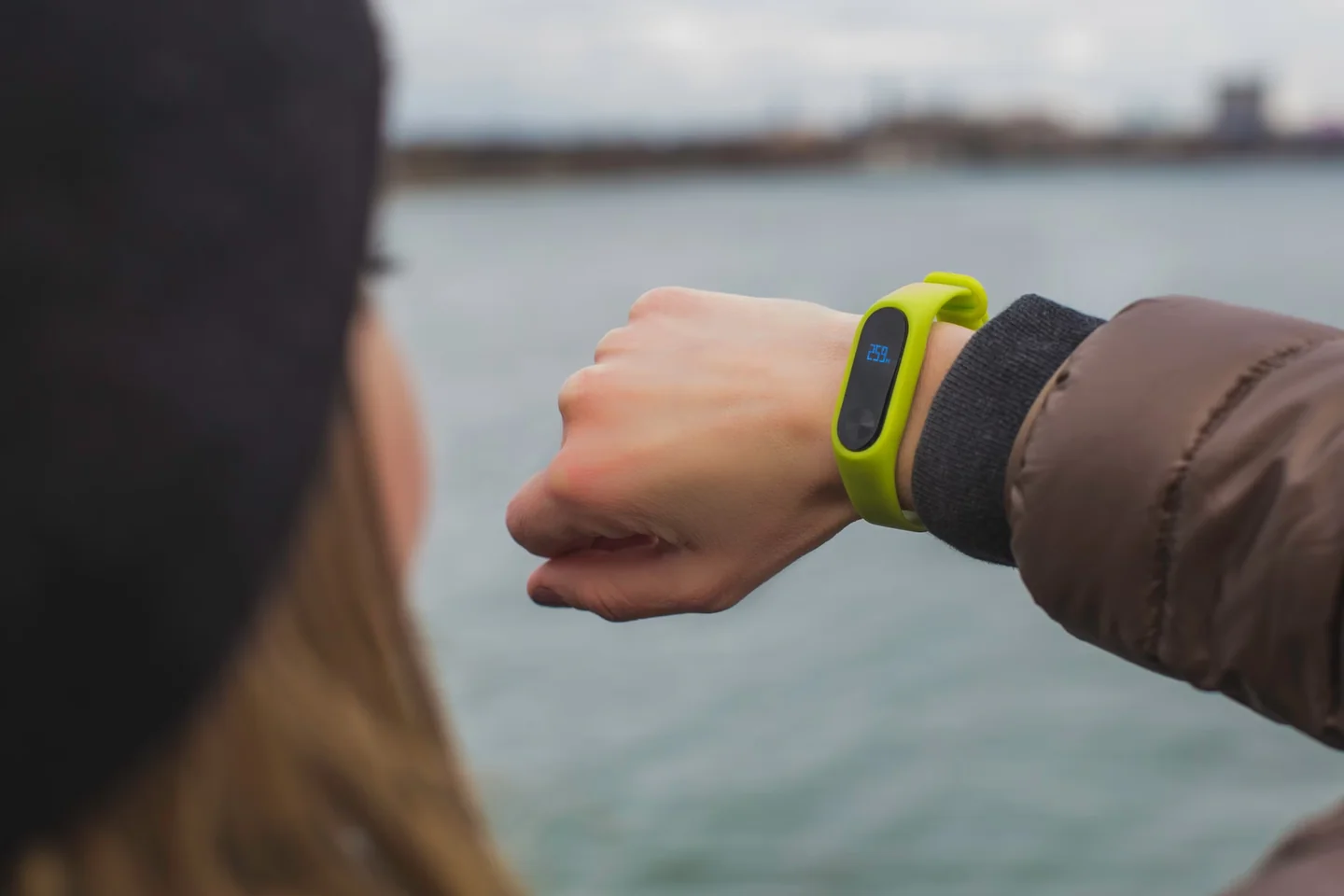
The smartwatch market for slender wrists has changed clearly in 2026. No longer do only expensive or oversized models dominate; now fit, battery life, compatibility with iPhone and Android, and a balance between features and price that does not hit the wallet matter more. In that range, the devices that fit best usually move between 30 and 120 euros, with some exceptions that go higher if they include GPS, AMOLED screens, or more advanced health features.
The sensible purchase is not about chasing the most complete model, but the most balanced one. For everyday use, walking, running, receiving alerts, measuring heart rate, and monitoring sleep, many watches in the 40 to 70 euro range are enough. If, in addition, you want a small case, comfortable straps, and a design that does not look like a brick on the wrist, brands such as Xiaomi, Amazfit, Huawei, Garmin, Samsung, or Apple make a difference, although each plays in a different league.
What really makes a watch worth it
The first clue is size and weight. On small or medium wrists, a 40 to 42 mm case usually feels more natural than a 46 or 48 mm one. Actual weight with the strap also matters, because a watch that is too heavy ends up bothering you during long workouts, in the office, or even while sleeping. Lighter models, under 35 grams without the strap, tend to go unnoticed more often and that, in daily use, is worth its weight in gold.
The screen is the second filter. AMOLED panels offer better contrast, deeper blacks, and pleasant readability outdoors, while LCDs make the product cheaper and can be enough for anyone who only wants to see notifications and basic data. In practice, a screen between 1.3 and 1.8 inches is usually the most comfortable range for a women’s watch for mixed sports and urban use. If the interface is clear, sleep scores, step counts, and heart rate cease to be decorative and become truly useful.
Battery life separates practical watches from tech whims. There are models that barely last a long day, especially if you use GPS, calls, or high brightness too much, and others that easily go beyond a week. Among the best-balanced options are models with 7, 10, 14, and even 18 days of battery life under moderate use, something that completely changes the experience. Charging the watch every night may be tolerable; doing it several times a week already affects the purchase decision.
The models that best fit the price-quality balance
At the most affordable end of the market, the Xiaomi Redmi Watch 5 Active has earned its place through pure logic. It costs around 29.49 euros on Amazon at the time of the consulted reference, offers Bluetooth calls, a 2-inch LCD screen, heart rate monitoring, and up to 18 days of battery life. It is not the thinnest or most sophisticated watch, but it is one of the most rational for anyone who wants to spend little and get a lot in return. Its great virtue is that it makes no inflated promises.
One step up, the Xiaomi Redmi Watch 5 Lite refines the package. The 1.96-inch AMOLED screen provides a more vivid reading experience and the observed price was around 42.90 euros, with up to 18 days of battery life and 150 sports modes. For a user who walks, goes to the gym, runs from time to time, and wants a watch that matches casual clothing well, this format makes a lot of sense. It is discreet, clear, and sufficiently complete without going overboard.
Among compact watches with the best overall balance appears the Amazfit Bip 6. Its observed price was around 56.13 euros, with a 1.97-inch AMOLED screen, 14-day battery life, GPS with maps, Bluetooth calls, and more than 140 sports modes. The brand has learned to make watches with a sober look and mid-to-high range features without pushing the price up. For anyone looking for something more serious than a band and cheaper than an Apple Watch, it is one of the names to watch.
If the priority is a more delicate format, the 41 mm Xiaomi Watch S4 plays that card very well. Its ultra-light 32-gram body, menstrual forecast, more than 150 sports modes, and safety features place it in a more refined category, with a reference price of 139.99 euros. It is not the cheapest, but it is one of the most coherent choices for anyone who wants an elegant, small, and modern watch without entering the premium territory of Apple or more advanced Garmin models.
In the entry-level range with high demand, generic watches from 35 to 50 euros have flooded Amazon. There are models such as Tensky, Cascho, LODIMEKE, aeac, RUIMEN, or Iaret that repeat a very similar formula: Bluetooth calls, WhatsApp alerts, sleep monitor, SpO2, heart rate sensor, and between 100 and 120 sports modes. Some include two or three straps, a voice assistant, or Alexa, but it is worth reading carefully because the performance of those features does not always match the specification sheet. The useful information is not how many promises they pile up, but what level of reliability they offer in everyday use.
What the more serious models offer when the budget goes up
Garmin remains a benchmark when the priority is running or training with more solid data. The Vívoactive 5, with an observed price of around 189 euros, offers a 1.2-inch AMOLED screen, built-in GPS, up to 11 days of battery life, and fairly refined metrics. The approach here is different: less decoration, more consistency in health, activity, and recovery. For anyone alternating runs, gym sessions, and long walks, the difference is not in brightness, but in the precision and stability of the measurements.
The Huawei family also maintains a strong presence thanks to design and balance. The Watch Fit 2 and other recent variants stand out for relatively compact cases, good battery life, and very clear readings of activity and sleep. In recent lists, the 46 mm Watch GT has appeared as an interesting option for cycling and mixed use, with 14 days of battery life under light use and 7 days under typical use, plus wireless charging and compatibility with Android and iOS. It is not the smallest profile, but it is one of the most well-rounded overall.
Samsung enters strongly when full integration with Android is desired. The Galaxy Watch7 and Galaxy Watch FE move in a more ambitious range, with advanced sensors, the possibility of taking electrocardiograms in certain markets, and a broad app ecosystem. The problem remains battery life: most of its more modest rivals stay away from the charger longer. In return, the level of screen quality, fluidity, and smart features is superior to that of many cheap watches.
Apple plays in another division, although not always in the best cost-benefit ratio. The Apple Watch Series 10 and the SE remain references for iPhone users, with a very polished experience, fall detection, calls, payments, and highly reliable activity tracking. The downside is clear: high price and shorter battery life than the average of its rivals. In smartwatches, technical excellence usually comes with a daily charging routine that not everyone wants to accept.
What really matters for running, walking, or everyday use
For a runner, GPS and battery life matter more than decorative features. A watch that loses signal, takes too long to lock onto satellites, or drains the battery during training sessions stops being a help and becomes a distraction. That is why models with built-in GPS, such as several Amazfit, Garmin, or some Huawei watches, usually enjoy a better reputation among those who train regularly. Measuring distance, pace, and heart rate on the same screen makes the routine much simpler.
For everyday use, receiving calls and notifications adds value, but it should not be misleading. A cheap smartwatch can show messages and accept calls, yes, but the quality of the microphone, speaker, and vibration varies a lot from one model to another. On entry-level watches, that experience can be decent enough to get by; in mid-range models, it already comes closer to what one expects from a device that accompanies you all day. If the watch will be worn in the office, on public transport, and during workouts, the comfort of the system ends up mattering more than the list of features.
Health works best when understood as a guidance tool, not a diagnosis. Heart rate sensors, SpO2, sleep, stress, blood pressure, or temperature appear more and more often in spec sheets, but not all measurements have the same reliability. The real value lies in detecting trends: sleeping worse for several days, noticing increases in resting heart rate, or recognizing activity patterns. As a mirror of habits, the watch helps a lot; as a substitute for a medical evaluation, it does not.
Water resistance is another point that is often misunderstood. IP68, 5 ATM, or 10 ATM do not mean the same thing. A watch with 5 ATM can usually handle pool swimming and splashes more confidently than a simple IP68, while 10 ATM already points to more demanding water use. For running in the rain or showering without fear, it is enough; for swimming, it is best to look at the actual specification and not generic waterproof labels.
Price guides, but does not decide on its own
Between 20 and 40 euros are the most basic and also the most unpredictable watches. This range is dominated by offers with large screens, lots of health features, and extra straps, but the user experience can vary a lot. They usually serve as a step up from a simple band, especially if the goal is to receive notifications, count steps, and monitor sleep without much technical demand. These are options that win on feature volume and aggressive pricing, not on refinement.
In the 40 to 80 euro range, the best balance point is found today. Xiaomi Redmi Watch 5 Lite, Amazfit Bip 6, or certain LODIMEKE, Tensky, and Cascho models compete precisely there. It is the segment where you can still find decent battery life, Bluetooth calls, GPS in some cases, and a look that does not feel out of place. For many people, it is the smartest purchase because it avoids paying for features that are barely used later.
Above 100 euros, the territory of customization and precision begins. Xiaomi Watch S4, Huawei Watch GT, or Garmin Vívoactive 5 add more carefully chosen materials, a better screen, more robust sensors, and a more complete app. The price jump is noticeable in fluidity, build quality, and the confidence the whole package conveys. At this point, you are not only buying a tool; you are also buying less friction in daily use.
The phrase value for money does not mean the cheapest or the most famous model. It means the watch that best solves the buyer’s real use case, with the fewest annoying compromises. In a women’s watch, that usually translates into three things: a proportional case, a battery that does not force you to live attached to the cable, and features that will actually be used. Everything else, no matter how flashy it looks, is secondary if that foundation fails.
How to read a spec sheet without being dazzled by the display
The first trap is round and repeated numbers. 110, 120, or 150 sports modes sound good, but they do not guarantee that every profile is well calibrated. In many watches, the difference between modes is minimal and what really matters is the stable measurement of steps, heart rate, distance, and sleep. A long spec sheet does not automatically mean a better watch.
The second trap is the overload of medical features. Blood pressure, ECG, HRV, or body temperature appear in increasingly flashy catalogs, but not all sensors have the same level of validity. In the best case, they serve to track trends; in the worst, they only decorate the spec sheet. A well-designed watch for an average user should prioritize battery life, comfort, a readable screen, and real compatibility with the phone.
The third trap is partial compatibility with iPhone or Android. Many cheap watches say they work with both systems, but then limit quick replies, app access, or detailed synchronization. That is why it is worth evaluating the ecosystem, not just the watch. On iPhone, Apple still leads; on Android, Xiaomi, Samsung, Huawei, Garmin, and Amazfit offer more room depending on what you are looking for.
It is also worth looking at the straps and the case design as part of the price. A watch with two straps, one silicone and one metal, can offer more versatility than another that is slightly cheaper. Rose gold, beige, green, or silver colors appear frequently because they soften the tech aesthetic and bring it closer to an everyday piece. On a small wrist, that detail counts almost as much as an extra sensor.
What the comparison between ranges and styles leaves us with
The overall market picture is clear: the best watch is not the one that promises the most, but the one that bothers the least and accompanies the most. In the budget options, Xiaomi Redmi Watch 5 Active and Redmi Watch 5 Lite stand out for price and adequacy. In the mid-range, Amazfit Bip 6 and Xiaomi Watch S4 41 mm improve the balance between design and features. If sport matters more than style, Garmin Vívoactive 5 makes more sense. And if iPhone integration is everything, the Apple Watch remains the benchmark, even if it is not the king of saving money.
For a user who wants a watch that is attractive, comfortable, and useful, the best starting point is usually between 35 and 70 euros. That is where you find models capable of tracking daily activity, receiving notifications, supporting light workouts, and lasting several days without charging. If you also find a small case, a crisp screen, and pleasant straps, the purchase is pretty much settled without needing to raise the budget much further.
On the other hand, for anyone who runs frequently or wants more reliable data, it is worth moving up a step. The difference between a showroom watch and a training watch shows up on the route, in sleep, and in battery life. And in that area, the more serious models justify part of their price with a more stable, less capricious, and more useful experience from day one.
The final key is not to confuse abundance with value. A well-chosen smartwatch does not need to be huge, cost a fortune, or come with twenty features that no one will open twice. It needs to fit well, measure consistently, and withstand the pace of the week without becoming another burden. That, in the end, is the real criterion for talking about the best possible value-for-money purchase.
A more mature market, but also harder to read
The current offering is so broad that it forces you to look calmly and critically. Amazon is full of models with similar names, aggressive prices, and very attractive numbers, but the reader gains more by comparing the complete experience than by being led by the number of sports modes or the largest screen. In the women’s segment, the ideal watch is usually the one that balances aesthetics, lightness, and reliability without demanding too many sacrifices.
In that balance, real value appears when the watch fits into the routine and not the other way around. Go for a run, reply to an alert, sleep with it on, charge it every few days, and then forget about it again. That is the practical test. When a smartwatch passes that test, it stops being a flashy accessory and becomes an everyday tool. And that is where the well-adjusted value-for-money models win quietly, almost without raising their hand.
Este artículo contiene enlaces de afiliado: si compras a través de ellos, se genera una pequeña comisión sin coste adicional para ti. Más información.



How to prevent thigh chafing: causes and real solutions

Women’s running windbreakers: seven jackets and how to choose

Do more workouts get rid of soreness? A guide for runners

Jaén Half Marathon 2026: Record 3,800 Runners Registered

Men’s short running tights: how to choose the right pair

World Triathlon confirms data breach involving medical data

Izan Edo targets podium at Miyazaki World Cup

María Pérez ranks ninth in World Athletics’ 2026 top ten

Dos Santos, Duplantis and Sawe: World Athlete of the Year finalists

San Silvestre Vallecana 2026: 42,000 places, prices and start times

 Races3 months ago
Valencia Half Marathon 2027: date and registration

 Races3 months ago
Valencia Marathon 2026: entry, ballot and course

 Reviews and Comparisons4 months ago
Asics Gel-Roadmiles 3 for men: review and current price

 Reviews and Comparisons4 months ago
Asics Gel Sonoma 8 Gore-Tex: complete analysis for trail and rain

 Sneakers3 months ago
Saucony Endorphin Pro 4: full review and verdict

 News5 months ago
Strava API 2026: what changes for clubs, challenges and runner apps?

 Reviews and Comparisons5 months ago
Nike Alphafly 3: opinions, sensations, and real key points

 Reviews and Comparisons4 months ago
Under Armour running shoes review 2025-2026: models and key features

 Sports Equipment4 months ago
Shoe sizes in cm: a clear guide to getting the right fit for your footwear

 Sneakers3 months ago
Skechers GO RUN Consistent 2.0 analysis: comfort and limits

 News5 months ago
Valencia Marathon 2026 route: key tips to train and run better

 Sneakers4 months ago
Adidas Adizero Boston 13 for men: review and verdict