Sports Equipment
Best running watches: a guide to getting the GPS right
GPS, battery, maps and heart rate: a clear selection to choose the watch that best fits each type of runner.

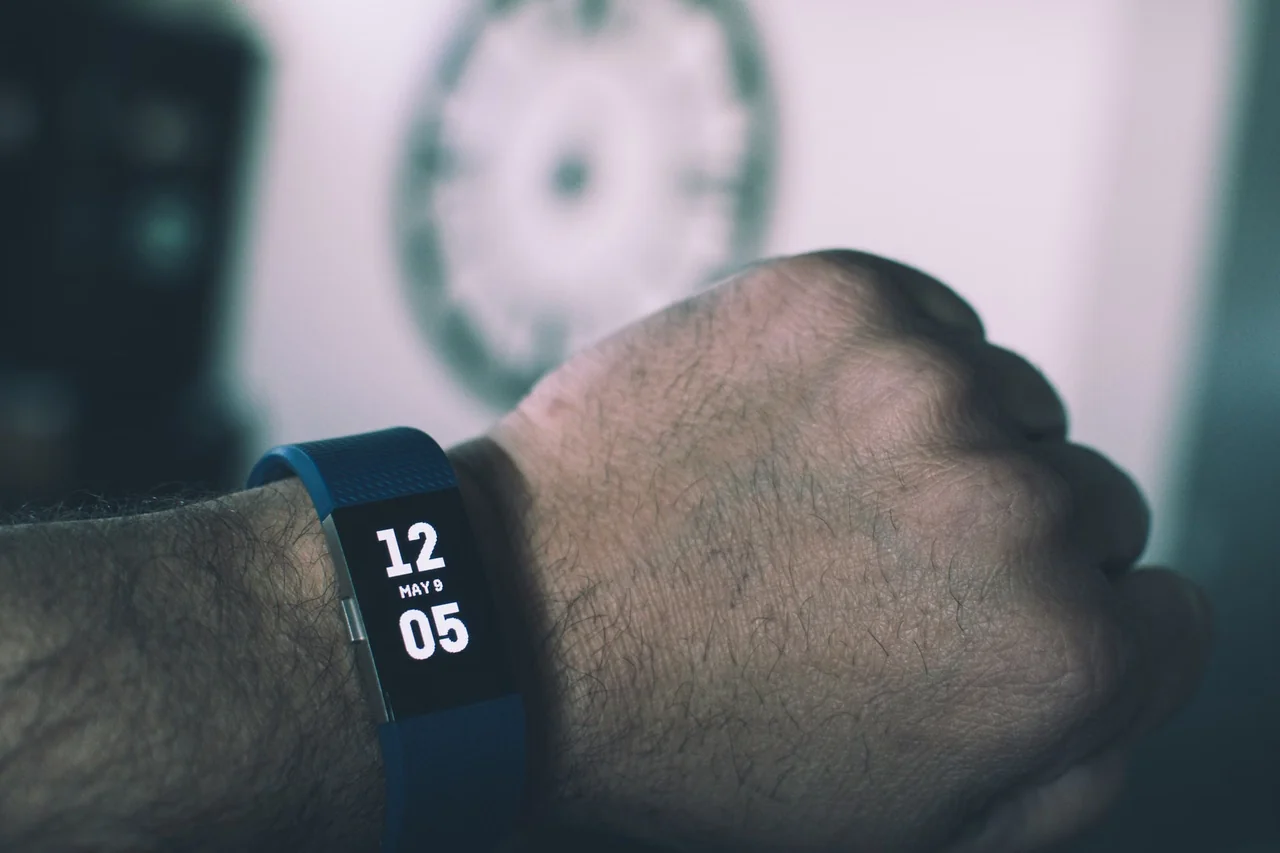
Imagen: Skica911 / Pixabay
The running watch has gone from being a useful accessory to becoming a central piece of training. It marks paces, logs kilometers, calculates workload and, in the more complete models, accompanies the runner through roads, parks and trails with a precision that a few years ago seemed reserved for much more expensive devices. The current offer is huge, but also more mature: it is no longer just about knowing how long a run lasts, but about understanding how the body responds, how the effort is distributed and what margin is left to push without going too far.
Among the best running watches of 2025, models from Garmin, Polar, Coros and Suunto stand out covering everything from getting started to advanced training. The right choice depends less on the prestige of the brand than on real use: someone who goes out three days a week on asphalt does not need the same thing as someone who alternates intervals, half marathons and mountains. That difference is the key. A good watch does not run for the athlete, but it does give them context, and that context is worth gold when the goal is to improve without flying blind.
What a good running watch should offer
GPS accuracy is the first filter. A watch can have a flashy app, lots of screens and dozens of sports, but if the distance or pace wobbles on every turn, the reading of the workout falls apart. In the city, among tall buildings, or in wooded areas, there is always a margin of error, although current mid-range and high-end models have improved a lot thanks to the combined use of satellites such as GPS, Galileo or GLONASS, and even dual-frequency systems in more advanced watches. For the runner, that translates into cleaner tracks, more believable splits and an overall sense of reliability.
The second major piece is heart rate. Optical wrist sensors have improved, but they still have limits in very intense intervals, sudden pace changes or sessions in cold weather. For those who work by heart rate zones with precision, a chest strap remains the most stable reference, even if it is not essential for everyone. The important thing is not to confuse comfort with absolute accuracy: the optical watch does well in most steady runs, but in short intervals or at threshold it is worth interpreting the data with common sense and not as mathematical truth.
Battery life also matters more than it seems. A watch that looks brilliant in the shop window falls short if it forces you to charge it every two or three days with intense sports use. To run with peace of mind, a reasonable benchmark is usually above 15 or 20 hours with GPS active, although there are models that comfortably exceed 30 hours and even much more in power-saving profiles. In daily use, the difference between reaching the weekend with battery left or with the charger in your pocket changes the experience completely.
The models that best balance accuracy and real-world use
Garmin continues to set the pace in the broadest range of the market, especially because of the maturity of its ecosystem. In practice, that means watches that work well from day one, sync quickly and offer understandable metrics for runners of different levels. The Garmin Forerunner 55 remains one of the most sensible options for anyone who wants to start with confidence: reliable GPS, wrist heart rate, basic sports profiles and enough battery life to train several times a week without obsessing over the battery. It is the kind of watch that does not try to impress with gimmicks, but rarely disappoints where it matters.
One step up is the Garmin Forerunner 255, one of the most balanced choices for those who already train with some structure. Its strong point is not just GPS, but the whole package: load metrics, training suggestions, multisport, compatibility with external sensors and a battery that holds up very well for long outings and demanding weeks. There are also versions with music and different sizes, a practical detail for small wrists or for those looking for something less bulky. It is a watch that fits very well with the logic of the runner who wants useful data without yet entering territory that is too technical.
Garmin Forerunner 265 raises the bar in screen quality and data reading. Its AMOLED panel offers excellent visibility, especially on cloudy days, at dusk or during early sessions. That visual improvement does not by itself change performance, but it does make checking pace, heart rate or splits on the move much more pleasant. It is a particularly interesting option for those who value the balance between modern design, serious metrics and a more comfortable day-to-day experience. In sports watches, visual ergonomics also matter, because looking at the screen during a thousand-meter interval should not require straining your eyes.
Polar still holds a very solid place among runners who prioritize control and recovery. The Polar Pacer has gained ground for being light, easy to use and very focused on the essentials: pace, heart rate, sleep and effort tracking. Polar has built a reputation over years tied to structured training, and that shows in the way it presents its metrics. It does not overwhelm with unnecessary extras. Its software tends to explain effort with a clear logic, something valuable for runners who prefer to interpret week-by-week progress rather than get lost in layers of data.
The Polar Vantage M3 represents a more ambitious proposal. It adds more muscle in navigation, workouts and performance tracking, and moves closer to a user profile that trains regularly and wants more than just a kilometer counter. In Polar, the idea of workload and recovery is expressed in a fairly understandable way, which helps avoid turning every outing into a pile of numbers without context. For the everyday runner who is not looking for a laboratory on the wrist, but does want a serious compass, it is usually a coherent choice.
Coros has built its reputation on battery life, lightness and simplicity well executed. The Coros Pace 3 is one of the most repeated names when talking about running watches with a good balance between features and price. It has very good GPS, good battery life and a clean interface that avoids complications. It also moves smoothly in running, cycling or triathlon sessions, so it appeals to profiles that are not limited to asphalt. Its great merit is that it feels like a tool, not a showroom piece: it does what it promises well, and it does so with a sobriety that many runners appreciate.
Suunto keeps its signature in rugged watches, very much geared toward the outdoors. The Suunto Race and the Suunto 9 Peak Pro are two frequent references for those looking for solid navigation, durability and convincing battery life on long outings. Suunto usually attracts trail runners, sporty hikers and users who value a compact, tough build with fewer gimmicks. Its maps, routes and elevation metrics are especially useful outside urban settings, where the watch stops being just an elegant stopwatch and becomes a wrist guide.
Beyond the top picks: which runner profiles fit each range best
Beginners usually benefit from a simple watch, not the most expensive one. A basic model with reliable GPS, wrist heart rate and decent battery life already covers the first months of training more than enough. In that stage, what matters is building the habit, understanding pace, learning to dose effort and observing how the body evolves. Paying for advanced maps or complex metrics can make little sense if you are still building a stable routine. That is why watches like the Forerunner 55 or some entry-level Polar models remain so relevant.
The intermediate runner usually asks for more context, not more noise. This is where training plans, recovery, weekly load and the watch’s ability to show trends come into play. That profile appreciates watches like the Forerunner 255, the Polar Pacer Pro or the Coros Pace 3, because they offer a finer reading without falling into saturation. At this stage, the watch becomes a kind of logbook: it shows which sessions add value, which ones wear you down and how much room is left to keep training smart.
Anyone preparing a half marathon, marathon or long runs needs more than instant pace. Battery life, navigation and GPS stability gain value as the kilometers add up. It also helps if the watch has alerts, clear automatic laps and a screen that is easy to read in full daylight. In long races, a bad alert or a confusing reading can alter the pace of the event. It is not about living glued to the device, but about reducing friction so the effort stays focused on running, not on deciphering menus.
The trail runner enters a different territory. There, the barometer, accumulated elevation gain, navigation and, above all, battery life with smart power-saving modes matter. In the mountains, a watch can fall short not because it lacks sensors, but because it lacks autonomy or because its mapping does not help at complex junctions. Suunto and Garmin dominate that area well, although Coros has advanced a lot. For demanding terrain, the balance between toughness and orientation matters as much as heart rate.
Value for money remains decisive
The best watch is not always the most complete or the most expensive. In 2025, the most sensible price range for most runners sits between 100 and 300 euros, with very competitive models in that bracket. Below 100 euros there are still valid options to get started, but they usually cut back on accuracy, sensors or long-term support. Above 300 euros, better screens, richer navigation, maps and a superior experience come into play, although that does not mean every user will make use of it.
Value for money is easier to understand when measured against real use. A watch that lasts for years, updates well, withstands training and does not force you to replace it after a few months ends up being more cost-effective than a cheap one with connectivity issues or weak battery life. It is also worth thinking about compatibility with external sensors, training apps and analysis platforms. In the end, the sum of small details weighs more than an endless list of functions that nobody ever touches.
In Spain, buying is often heavily influenced by temporary deals. Garmin, Polar, Coros and Suunto move prices frequently, and a model that seems expensive today can drop by several dozen euros in specific campaigns. That explains why many runners wait before upgrading. The tech running market is no longer defined only by the spec sheet, but also by the exact moment of purchase. A good watch at the right price becomes much more interesting than an excellent one that is out of budget.
Which metrics are worth it and which are used less than they seem
Cadence, estimated VO2 max and training load are useful metrics, but they should not be read like an exam. Cadence helps observe running economy; VO2 max offers a general fitness reference; training load indicates how much has accumulated over time. They are pieces of a board, not verdicts. When interpreted well, they help understand patterns and detect excesses. When interpreted badly, they only create noise and unnecessary comparisons.
Sleep and recovery have gained weight for an obvious reason: running does not end when the stopwatch stops. A watch that shows hours of rest, heart rate variability or fatigue trends provides a more complete view of the process. There is no need to obsess over every number, but it is worth looking at trends. Sleeping badly one night does not ruin anything; stringing together several weeks of poor recovery can explain why pace stalls or the legs feel heavy for no apparent reason.
Maps and navigation make sense in some cases and are overkill in others. For someone who always runs in the same park or circuit, a topographic map is a dispensable luxury. For someone who moves through the mountains, travels often or explores new routes, it completely changes the usefulness of the watch. In practical terms, mapping can be the difference between following a line on the screen or crossing a fork safely and without wasting time.
What is worth checking before deciding
Comfort on the wrist matters more than the spec sheets suggest. A watch that is too thick, with awkward buttons or a stiff strap ends up in a drawer or bothering you during long sessions. Weight, case shape and screen readability directly affect the daily experience. In running, a difference of just a few grams is more noticeable than in other sports, especially when the watch accompanies every stride for an hour or more.
It is also worth thinking about the software ecosystem. Garmin Connect, Polar Flow, Suunto App or Coros App are not just add-ons; they are part of the experience. That is where workouts, plans, splits and trends are stored. A clear and stable system saves time and avoids frustration. An excellent device with clumsy software quickly loses its appeal, because runners do not live only by seeing data on the wrist, but by understanding it later, calmly, on the phone or computer.
Durability and update support determine the watch’s useful life. A recent model, with room for software improvements and good future compatibility, is usually a stronger bet than an old watch sold as a bargain. In sports tech, sensors evolve, apps change and integrations get updated. Buying with two or three seasons in mind is usually more sensible than chasing a small saving on a product that is already outdated.
A mature market that now better distinguishes between need and excess
The big difference with this generation of watches is that they no longer promise only to measure, but to help interpret training. That evolution has changed the way many amateurs run: pace is no longer checked in the same way, intervals are compared with more criteria and recovery is seen as part of the process, not as unproductive downtime. The watch has become a kind of silent witness to progress, as discreet as it is constant.
Garmin, Polar, Coros and Suunto have fine-tuned their ranges for different audiences. That is the real richness of the current market. There are watches for those who are just starting and only want to log outings, for those who run methodically, for those preparing long events and for those who happily get lost on mountain trails. The abundance no longer confuses as much because the differences are clearer than they were a few years ago: battery, navigation, screen, recovery, weight and price draw fairly well-defined profiles.
Choosing well really means not buying too much or falling short. A modest but reliable watch can be the perfect companion for a consistent runner; a more ambitious model makes sense when volume, training variety and terrain demands justify it. In that balance, more than in the shine of a box or the number printed on it, lies the sensible purchase. And that is where the best running watches stop being a list of names and become tools with their own personality.
Este artículo contiene enlaces de afiliado: si compras a través de ellos, se genera una pequeña comisión sin coste adicional para ti. Más información.



How to prevent thigh chafing: causes and real solutions

Women’s running windbreakers: seven jackets and how to choose

Do more workouts get rid of soreness? A guide for runners

Jaén Half Marathon 2026: Record 3,800 Runners Registered

Men’s short running tights: how to choose the right pair

World Triathlon confirms data breach involving medical data

Izan Edo targets podium at Miyazaki World Cup

María Pérez ranks ninth in World Athletics’ 2026 top ten

Dos Santos, Duplantis and Sawe: World Athlete of the Year finalists

San Silvestre Vallecana 2026: 42,000 places, prices and start times

 Races3 months ago
Valencia Half Marathon 2027: date and registration

 Races3 months ago
Valencia Marathon 2026: entry, ballot and course

 Reviews and Comparisons4 months ago
Asics Gel-Roadmiles 3 for men: review and current price

 Reviews and Comparisons4 months ago
Asics Gel Sonoma 8 Gore-Tex: complete analysis for trail and rain

 Sneakers3 months ago
Saucony Endorphin Pro 4: full review and verdict

 News5 months ago
Strava API 2026: what changes for clubs, challenges and runner apps?

 Reviews and Comparisons5 months ago
Nike Alphafly 3: opinions, sensations, and real key points

 Reviews and Comparisons4 months ago
Under Armour running shoes review 2025-2026: models and key features

 Sports Equipment4 months ago
Shoe sizes in cm: a clear guide to getting the right fit for your footwear

 Sneakers3 months ago
Skechers GO RUN Consistent 2.0 analysis: comfort and limits

 News5 months ago
Valencia Marathon 2026 route: key tips to train and run better

 Sneakers4 months ago
Adidas Adizero Boston 13 for men: review and verdict