Health and Nutrition
Compression socks for men: useful guide and prices
Types, sizes, compression, and indicative prices of men’s stockings that relieve tired legs.

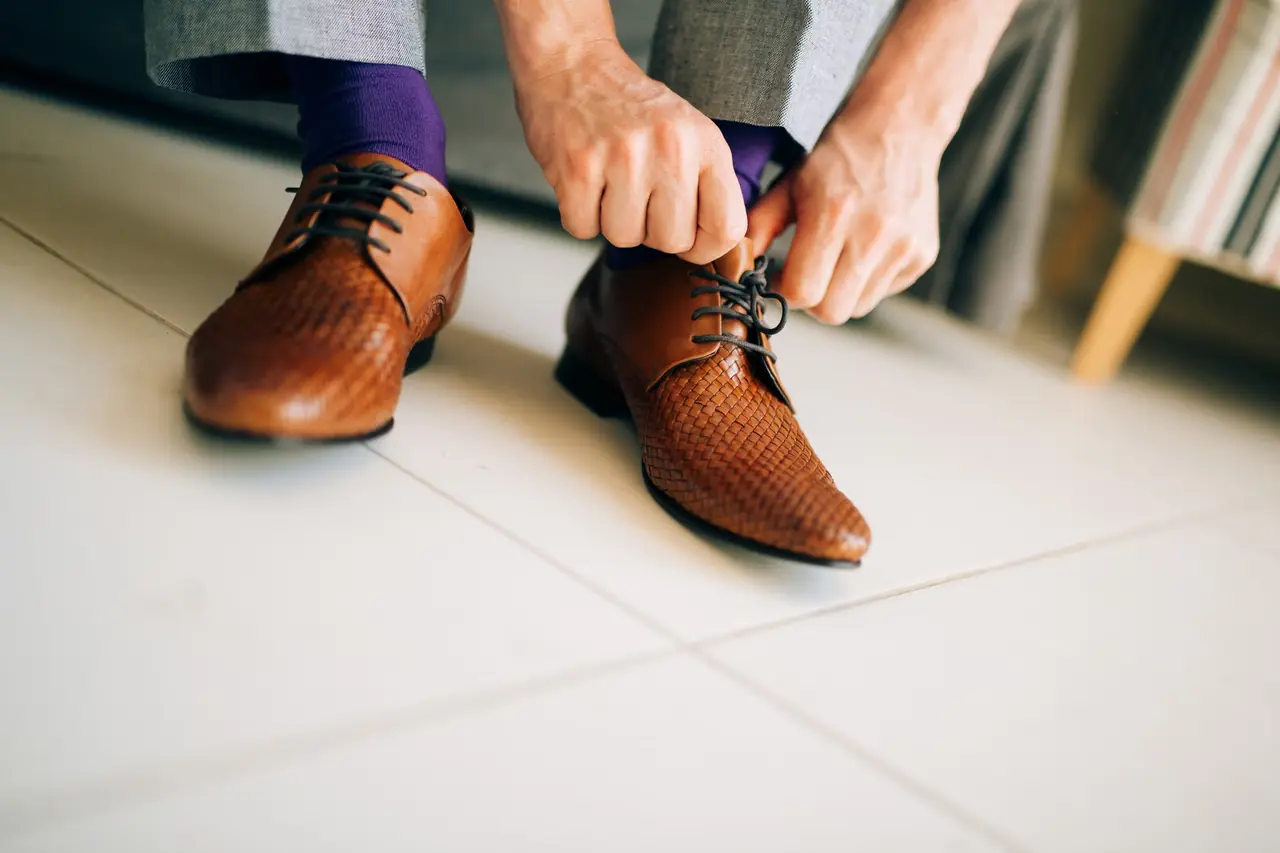
In today’s orthopedic showcase, men’s compression garments are no longer reserved for a rigid clinical setting. They have entered office routines, long shifts spent standing, multi-hour trips, and also sports, where the leg needs support without losing mobility or discretion. Their logic is simple: apply more pressure at the ankle and less as they move up the leg to promote venous return and reduce the sensation of heaviness.
The current offer combines very different formats, from knee-high socks to thigh-high stockings and pantyhose, with prices in the market ranging approximately between 24.70 and 131.15 euros depending on brand, model, and compression level. That range reveals something important: not all of them serve the same function or respond to the same profile. There are versions designed for daily use, others for medical settings, and some aimed at physical activity or specific situations such as long flights or prolonged immobility.
Graduated compression that makes the difference
The defining feature of these garments is graduated medical compression. Pressure is concentrated in the distal area, especially at the ankle, and decreases progressively toward the calf or thigh. This distribution helps the veins do their job and can relieve common symptoms such as heaviness, swelling, muscle fatigue, or nighttime cramps. The goal is not to squeeze for the sake of squeezing, but to apply measured, stable tension.
In practice, consumers commonly encounter two therapeutic levels: CCL1 and CCL2. The first usually suits mild or preventive needs, while the second addresses more pronounced conditions and normally requires a more precise clinical indication. Specialized catalogs also list values in mmHg, such as 15-20, 18-21, 20-30, or even 23-32 mmHg, which are useful for understanding the real intensity of pressure. The higher the level, the more demanding the garment is to put on and the more careful the use should be.
Material matters as much as pressure. Modern technical fabrics prioritize breathability, elasticity, anatomical fit, and wear resistance. In an everyday garment, a hard seam at the toe or a band that rolls down by the end of the day ruins the experience. That is why the best-rated models often include padded heels, anatomical toe boxes, reinforced areas, and fabrics capable of withstanding repeated washing without quickly losing their shape.
Which male profiles actually wear them
The most common use appears in men with tired legs, varicose veins, spider veins, or mild to moderate edema, but the real picture is broader. They are also worn by those who spend many hours standing, those who work seated with barely any movement, frequent travelers, and athletes seeking muscle support during repeated exertion. In all these cases, compression acts like an invisible railing: it does not replace movement, but it helps the leg pay less of the day’s toll.
In the workplace, the benefit is especially noticeable in professions with static нагрузка. A pharmacist, a retail worker, a driver, or a warehouse operator accumulates hours in which blood return loses mechanical assistance. There the garment is not an aesthetic accessory, but a comfort tool. In sports, its role shifts in nuance: it reduces muscle vibration, provides a feeling of support, and can favor a more comfortable recovery after effort, especially for runners, cyclists, and fans of repeated-impact sports.
They also have a place in specific healthcare contexts. After certain procedures, in diagnosed venous conditions, or in patients prone to swelling, these garments are part of compression therapy. The difference between preventive and therapeutic use is not minor: in the first, comfort matters more; in the second, clinical precision does. Hence the compression level and the garment length must be chosen carefully.
The formats that dominate the men’s market
The category is not limited to the classic sock. There are knee-high models, designed for those who want lightness and ease of use; thigh-high stockings, more suitable when venous involvement extends upward or greater coverage is desired; and pantyhose, which expand the support surface and can be useful in some specific clinical conditions. Each format changes the wearing experience, stability on the leg, and thermal sensation.
Among the products observed, versions with a more understated approach stand out, such as the discreet-looking men’s lines, and others with a technical cut, prepared for durability and continuous use. In a category like this, design is not a whim: a more elegant finish can make it easier for an office worker to wear them naturally, while a sturdier structure suits someone who endures a lot of friction, body weight, or prolonged activity. The best choice depends less on marketing and more on the physical reality of each day.
Models with anatomical toe boxes and right/left markings improve fit and reduce creasing. Those with a wide top band usually offer greater comfort in prolonged use, while lighter compression versions are easier to put on and better suited to beginners. At the opposite end, firmer fabrics with higher compression provide better support, but they require more precise sizing and some skill when putting them on.
What the best-known catalog models offer
The specialized market brings together very specific families. There are lines like Mediven For Men, designed for a formal male profile, with a discreet striped design and a visual feel similar to a conventional stocking. These garments often include details such as prolonged freshness, a soft band, and anatomical fit, with shoe sizes in some models ranging approximately from 39 to 46 and CCL1 or CCL2 compression.
Another frequent reference is Mediven Active, aimed at active men and more demanding uses. Its circular knit and resistant structure are intended to withstand high loads without losing softness. In technical catalogs, it is often recommended for men of normal weight or overweight, with mild to severe swelling and soft connective tissue. The combination of padded heel and sole, barely noticeable seams, and a wide top edge explains why it fits well into daily work and long days.
There are also variants such as Mediven Angio, focused on people with diabetes or specific care needs, and Jobst for men Explore, which opts for a more executive aesthetic. In the travel segment, the Medi Travel model targets flights and long journeys, where immobility becomes the enemy of circulation. Each one addresses a different problem; lumping them all under the same label would oversimplify matters too much.
How much they cost and what price says about the garment
Price alone does not guarantee that a garment is better, but it often anticipates differences in fabric, durability, and specialization. In the analyzed reference, prices range from 24.70 euros for basic rest or work models to 131.15 euros for higher-end pantyhose. In the middle range are travel options and technical-cut men’s stockings, with values around 35.40, 55.40, 56.20, 62.40, 65.10, or 123.50 euros.
That range shows a common reality in orthopedics: a more expensive garment is not always meant for the same person. It may offer greater coverage, more complex fabrics, or a more precise compression level. A more affordable model may be enough for occasional work or preventive use, while someone who needs to wear it daily will usually appreciate a sturdier construction even if the outlay is higher. In this case, economy is measured not only by the initial euro amount, but by repeated comfort, durability, and stable fit.
Availability is also worth checking. Some catalogs list sold-out items or temporarily unavailable models, a sign that demand in certain sizes or variants is high. In this category, the correct size matters more than color. A poorly fitting product shifts, squeezes where it shouldn’t, or loses effectiveness. The shoe-size or calf-circumference label is not an administrative detail: it is the central piece of the fit.
How to read sizes, compression, and technical details without getting lost
Choosing usually starts with three data points: compression level, length, and size. From there, the buyer should look at ankle, calf, and, if applicable, thigh circumference. Many mistakes come from relying only on shoe size or usual clothing size, which are not reliable measures in this field. Two men of the same height can have very different needs if one has wide calves and the other a slim leg.
Extended sizes, including plus-size offerings from some manufacturers, are a necessary response to avoid the tourniquet effect or the simple impossibility of putting the garment on. Likewise, the presence of open or closed toes changes the experience. Open toes can relieve pressure on sensitive toes or in certain treatments, while closed toes offer a more classic feel and, in some models, better thermal distribution. It is not a matter of fashion, but of comfort and tolerance.
There is another detail that often goes unnoticed: ease of putting them on. The higher the compression, the more force the garment exerts on the skin. That is why some designs include reinforcements, more slippery fabrics, or accessories that help put them on without damaging the material. In daily use, this factor is decisive. An excellent stocking that nobody can put on comfortably ends up relegated to a drawer, making it a bad purchase even if the fabric is flawless.
In sports, work, and travel, they play different roles
In sports, these garments are not a shortcut to perform without training. They function more as an auxiliary support, especially in repeated exertion, long runs, cycling, or sessions in which the calf works like a continuous piston. The goal is usually to contain muscle vibration, improve the feeling of stability, and make the post-effort phase more bearable, when the leg begins to collect the toll.
At work, their virtue lies in consistency. They do not stand out for a spectacular effect, but for a sum of small improvements: less heaviness by mid-shift, less swelling at the end of the day, a cleaner feeling in support. On a plane or during a long car or bus journey, the function changes again. Here compression helps compensate for hours of immobility, one of the factors that most severely affect venous return. That is why certain travel models gain popularity among frequent flyers.
Even within the same family, the differences are notable. A compression sock for running does not have to offer the same structure as a rest stocking for the office or a clinical pantyhose. The covered surface, elasticity, and ventilation are adjusted to the context. Thinking of them as interchangeable parts often leads to poor choices. Function comes before design, not the other way around.
Signs that separate a smart purchase from a poor one
A sensible purchase starts by distrusting the generic. If a garment claims to work for everything, it is probably not optimized for anything. The reasonable approach is to look for a compression level coherent with the real use, materials that withstand washing, and a size based on objective measurements. The finish at the ankle and top edge also matters, because many mediocre stockings reveal themselves there: they roll, give way, or leave unnecessary marks.
The second filter is personal context. A man with varicose veins and edema does not need the same product as another who spends eight hours walking around a warehouse or who runs occasional marathons. With the same appearance, the difference may lie in thread thickness, compression class, band width, or calf coverage. Choosing well is, in reality, translating everyday life into fabric.
In today’s market, apparent solutions abound, but the most reliable ones remain those that combine medical precision, comfort, and durability. That is the most useful benchmark. Price, brand, and finish help, but they do not replace the basic criterion: the garment should adapt to the leg, not the leg submit to the garment. That subtle but decisive difference is what separates a useful accessory from a drawer full of failed attempts.
Informed purchasing as the starting point for realistic use
Men’s compression stockings have ceased to be a rarity and have become a practical response to very common problems. They are useful in the clinic, at the office, on the plane, and on the track, but each setting calls for a different solution. Whoever buys with criteria discovers that the real value is not in the most eye-catching promise, but in the stability of the fit, the durability of the fabric, and the leg’s response at the end of the day.
That is why the most complete catalogs insist on variety: models for active men, elegant versions for professional wardrobes, options for diabetes, travel, work, and rest. That diversity is not excess, but recognition that circulation, anatomy, and routine are not the same for everyone. In a category so closely tied to the body, good design starts by accepting the variety of bodies and uses. And that is where a well-planned purchase stops being an accessory and becomes a quiet tool for well-being.
Compression Socks and Running Training
For runners, compression socks may be a useful supportive layer if they feel comfortable during exercise. The article distinguishes sports models from medical-grade garments, which are not necessarily interchangeable. Graduated compression may provide a sense of support and ease feelings of heaviness for some people, but it does not guarantee faster running or quicker recovery. Try the fit during a regular training session and check that the socks do not feel too tight, roll down or cause rubbing.
They may also be practical for long journeys or days spent sitting or standing for hours, but they do not replace movement or the basics of recovery. The appropriate pressure depends on the purpose and the individual; if you are considering them for varicose veins, swelling or other symptoms, it is sensible to consult a healthcare professional before choosing a therapeutic level. Seek professional advice if pain or discomfort persists.
Medical reference: Compression socks: benefits and how to choose them, Cleveland Clinic.



How to prevent thigh chafing: causes and real solutions

Women’s running windbreakers: seven jackets and how to choose

Do more workouts get rid of soreness? A guide for runners

Jaén Half Marathon 2026: Record 3,800 Runners Registered

Men’s short running tights: how to choose the right pair

World Triathlon confirms data breach involving medical data

Izan Edo targets podium at Miyazaki World Cup

María Pérez ranks ninth in World Athletics’ 2026 top ten

Dos Santos, Duplantis and Sawe: World Athlete of the Year finalists

San Silvestre Vallecana 2026: 42,000 places, prices and start times

 Races3 months ago
Valencia Half Marathon 2027: date and registration

 Races3 months ago
Valencia Marathon 2026: entry, ballot and course

 Reviews and Comparisons4 months ago
Asics Gel-Roadmiles 3 for men: review and current price

 Reviews and Comparisons4 months ago
Asics Gel Sonoma 8 Gore-Tex: complete analysis for trail and rain

 Sneakers3 months ago
Saucony Endorphin Pro 4: full review and verdict

 News5 months ago
Strava API 2026: what changes for clubs, challenges and runner apps?

 Reviews and Comparisons5 months ago
Nike Alphafly 3: opinions, sensations, and real key points

 Reviews and Comparisons4 months ago
Under Armour running shoes review 2025-2026: models and key features

 Sports Equipment4 months ago
Shoe sizes in cm: a clear guide to getting the right fit for your footwear

 Sneakers3 months ago
Skechers GO RUN Consistent 2.0 analysis: comfort and limits

 News5 months ago
Valencia Marathon 2026 route: key tips to train and run better

 Sneakers4 months ago
Adidas Adizero Boston 13 for men: review and verdict