Health and Nutrition
Itchy top of the foot when running: causes and care
Itching on the top of the foot can come from the skin, footwear, or a broader medical problem.

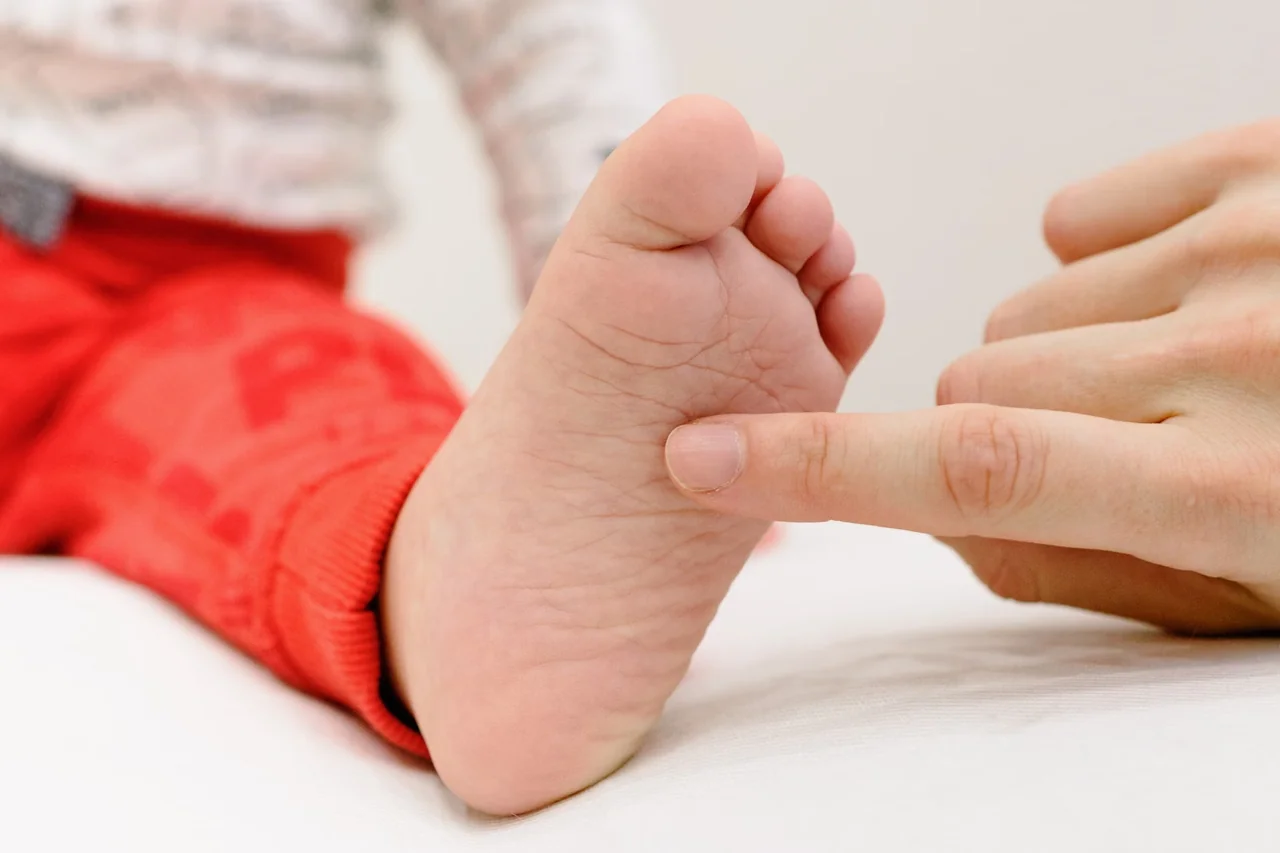
Itching on the top of the foot can be more than a minor annoyance when it persists, wakes you at night, or leaves your skin irritated by running shoes. Thin skin, pressure and sweat meet in this area, making even minor irritation more noticeable. The cause may be as simple as dryness, or it may be a fungal infection, contact dermatitis or a condition that affects more than the skin.
The key is not to scratch blindly, but to read the body’s signals with some precision. Redness, flaking, blisters, burning, a feeling of tightness, or night itching point to different causes, and the treatment changes completely depending on the origin. In some cases, simply changing footwear or moisturizing the skin better is enough; in others, specific creams, medical tests, and a broader review of overall health are needed.
When the skin on the top of the foot dries out and starts demanding attention
The skin on the top of the foot has a clear anatomical disadvantage: it lacks abundant sebaceous glands, so it dehydrates easily. If, in addition, it is washed with very hot water, dried quickly with a rough towel, or spends the day trapped in poorly breathable shoes, the skin barrier suffers. The result can be constant itching, a feeling of stiff, papery skin, and, at times, small cracks that worsen with every step.
This type of discomfort usually develops silently. First comes mild discomfort, then the urge to scratch more than necessary, and finally more sensitive skin that enters a vicious cycle. Regular moisturizing after bathing, preferably with emollient and nourishing formulas, is usually a basic measure, although not always enough if there is another underlying cause. In a runner, sweat and sock friction can also make the problem flare up precisely on days of heavier training.
It is also worth looking at the context: very dry skin on the hands, elbows, or legs, frequent showers, cold environments, or prolonged exposure to air conditioning. When the top of the foot becomes the first area to itch, it is often simply asking for better skin barrier care, not an aggressive remedy.
Fungus, moisture, and the perfect ground for itching that won’t go away
Among the most common causes is athlete’s foot, a fungal infection that does not always begin between the toes. It can start on the top of the foot, with reddish patches, fine scaling, stinging, and more intense itching when the foot is warm or enclosed for hours. Locker rooms, shared showers, and swimming pools remain classic places of contagion, because fungi take advantage of damp surfaces and contact with exposed skin.
In those who train regularly, the risk increases when several conditions are repeated: heavy sweating, poorly ventilated shoes, socks that retain moisture, and not changing clothes enough after exercise. Not all discomfort on the top of the foot is caused by fungus, but when itching is accompanied by scaling, fissures, or persistent redness, suspicion grows stronger. An antifungal cream may be helpful, although it is wise to confirm the diagnosis if the lesions recur or do not respond.
Prevention here is mostly common sense, but common sense often fails due to haste. Drying the feet well, changing socks after training, letting shoes air out, and avoiding sharing towels or shoes helps more than it seems. Fungus does not care about excuses; it finds its chance in a damp environment, like a seed in a crack.
Footwear can also be the source of the problem
The top of the foot is especially sensitive to pressure from a shoe that is tight, stiff, or has poorly placed seams. Sometimes the discomfort does not come from a true allergy, but from a repeated mechanical irritation: the material rubs, compresses, or hits the same area over and over until it becomes inflamed. In people with a high instep, this conflict with footwear is even more common, because the arch of the foot gets trapped as if the shoe had not been designed for that particular shape.
A contact dermatitis can also be involved, that is, a skin reaction to components of the shoe, the lining, the adhesive, the rubber, or even the socks and detergents used to wash them. The picture usually includes itching, redness, and sometimes small blisters or scaling. If the discomfort always appears with a specific pair of shoes and disappears when you change them, the clue is quite clear.
For runners, this takes on a very recognizable nuance. A shoe that is a little too tight may seem bearable at first, but on long runs it ends up behaving like a stone in your pocket: small, persistent, and capable of ruining the whole outing. Shoe shape matters as much as size, and the material, forefoot width, and instep flexibility are not minor details.
When the skin responds with eczema, psoriasis, or hives
Atopic eczema can affect the feet in people with sensitive skin or a history of dermatitis. It usually appears with marked dryness, intense itching, irritation, and flare-ups that come and go. The skin becomes more vulnerable, and any rubbing, harsh soap, or sudden change in temperature can trigger a crisis. On the top of the foot, the itch blends with a burning or tight sensation that worsens when walking or after taking off the shoes after hours of wear.
Psoriasis, for its part, can appear on the feet as thickened, scaly, and bothersome plaques. In some cases it also affects the hands and soles, in a pattern that suggests an underlying chronic inflammatory autoimmune disease. It does not always itch intensely, but when it does, the top of the foot can feel rough, red, and visibly changed in texture. The important point is that this is not just irritated skin: it is a more persistent process with a tendency to recur.
Hives present a different picture: wheals or welts that move around, appear and disappear quickly, and are usually accompanied by strong itching. They may be due to foods, medications, infections, or immune reactions. If itching is accompanied by swelling of the lips or tongue or difficulty breathing, the urgency is no longer dermatological but immediate medical care. On the top of the foot, the skin may look like it has been brushed with irritation, but the overall context matters more than the isolated image.
Parasites, insects, and lesions that are mistaken for an allergy
Mosquito, flea, or bedbug bites can be located on the top of the foot without the entry point being obvious at first. The itching is usually very bothersome, and scratching ends up causing more inflammation than the bite itself. Often, the skin reacts with welts, small bumps, or local redness. If exposure to insects coincides with nights outdoors, travel, or the presence of pets, the clue becomes stronger.
Beyond insects, there is scabies, a mite infestation that can affect skin folds, wrists, armpits, the waist, and also the feet. The itching usually worsens at night, when the warmth of the bed intensifies the sensation. It is also contagious and may require treatment for household members or close contacts. The important thing is that it does not resolve with any random cream; it needs diagnosis and a specific approach.
Cutaneous larva migrans is less common, but worth mentioning because it can appear after contact with soil contaminated with dog or cat feces. It leaves a striking skin track and persistent itching that sometimes is located on the feet. Its appearance is more suggestive than that of simple irritation, and it is a reminder that not all itching comes from dry skin or a new shoe.
When the source is not the skin but the whole body
Sometimes the top of the foot itches because the body is warning of something broader. Liver disease can cause generalized itching due to alterations in the elimination of substances such as bilirubin and other compounds that accumulate in the blood. It does not usually stay limited to one spot, but the foot can be one of the places where the discomfort becomes noticeable before the full picture is obvious.
Something similar happens with kidney disease, in which the buildup of toxins can cause intense itching, dry skin, and sometimes swelling in the ankles and feet. Here, the local symptom should not mislead you: the top of the foot acts as a sensitive antenna for an internal disorder. The simultaneous presence of fatigue, changes in urination, or edema points toward a broader medical evaluation.
Diabetes and neurological disorders can also play a role. Neuropathy, in particular, can cause tingling, burning, itching, or strange sensations without the skin showing a noticeable lesion. In this scenario, the body is giving an electrical signal, not necessarily a visible one. When itching is mixed with burning, numbness, or a sensation of current in just one foot, the possibility of an irritated nerve becomes more relevant.
Which clues are more useful than others when looking for the cause
The time when itching appears changes the approach a lot. If it starts after showering, it may point to sensitive skin, water that is too hot, or irritating soap. If it appears only when wearing certain shoes, the balance tips toward the footwear. If it worsens at night, it is worth thinking about scabies, severe dryness, circulatory problems, or simply increased bodily awareness when the noise of the day fades. The timing pattern is almost as useful as the appearance of the skin.
It also matters whether only one area is affected or both feet equally. Unilateral, persistent itching with burning can suggest nerve compression, localized rubbing, or a specific lesion; a bilateral picture invites a look at systemic causes, dermatitis from a common exposure, or a more diffuse skin problem. And if there is also pain, swelling, or scratch wounds, the scenario becomes more complicated and a secondary infection may be added.
In sports, there is a very telling detail: many discomforts on the top of the foot become more noticeable at the end of the day or after running, when the foot is more swollen and the shoe fits tighter than at the start. What seems like simple sensitivity in the morning turns into a piece of fabric and pressure by the afternoon that shows no mercy.
How it is approached in consultation and why improvising is not a good idea
Management depends on the cause, and that is the least flashy but most important part. If it is a fungus, the basis is usually a topical antifungal; if it is contact dermatitis, the essential step is to remove the trigger and, in some cases, use topical corticosteroids for a limited time. In eczema and hives, antihistamines or anti-inflammatory treatments may come into play, always assessed by a professional. In neuropathic problems, the approach changes completely and is aimed at calming the nerve or treating the underlying cause.
Improvisation is usually a poor companion because many conditions look similar at the beginning. An antifungal cream may not help in dermatitis; a badly used corticosteroid can mask an infection; a home remedy can worsen already fragile skin. Not all itching improves with the same treatment, even if the symptoms look alike. In fact, the top of the foot is an area where skin, mechanical, and neurological signals easily overlap, so a quick reading can fail.
That is why, when itching is persistent, comes in repeated flare-ups, or is accompanied by striking lesions, clinical evaluation is more useful than a chain of home experiments. The examination allows you to distinguish between dry skin, dermatitis, infection, bites, scabies, neuropathy, or a skin manifestation of an internal problem. Diagnosis is the least visible part of the process, but also the one that prevents weeks of mistaken remedies.
The top of the foot is not a minor area when itching becomes persistent
The top of the foot usually stays in the background until it starts complaining. Then it becomes hard to ignore: the shoe rubbing, the bedsheet at night, or the simple act of walking remind you that something is wrong. Itching, redness, cracks, burning, or scaling are not just isolated annoyances; they are signals that help distinguish between dry skin, infection, allergy, or a deeper problem.
The good news is that most causes have a solution, or at least clear relief, once the origin is identified. The bad news is that trying to cover up the symptom without understanding it usually prolongs the problem. In such a small area as the top of the foot, a minor cause can create major discomfort, and a major annoyance can hide an even broader disorder. Carefully observing the type of itching, its context, and what comes with it remains the most useful tool for not wasting time or making the skin worse.
In the end, the top of the foot acts as a visible border between the outside and the inside: it receives the friction of the world, but it can also reflect what is happening within the body. When it itches again and again, it is rarely a coincidence. It is the body, in a low voice, asking to be read more carefully.
How an itchy top of the foot can affect your running
When you run, sweat, sock friction and pressure from your shoes can irritate the skin on the top of your foot, particularly during longer sessions or in warm weather. If it starts itching, note when it happens: during a run, afterwards, or after wearing new shoes. Check whether the laces are tight, a seam is rubbing, or your socks stay damp. These details may help you spot possible triggers, but they cannot confirm the cause on their own.
Look at the skin in good light and check for redness, flaking, cracks, blisters or stinging as well as itching. Dryness can cause tightness, while ongoing moisture and poorly ventilated shoes may contribute to irritation or other skin problems. Do not assume that every itch is caused by a fungal infection, or start treatment without advice: the right approach depends on the cause.
After a run, change your socks, dry your feet gently—including between the toes—and let your shoes air out. Adjust the laces to reduce pressure without letting the shoe slip, and choose socks and shoes that do not rub or squeeze the top of your foot. If a particular pair seems to trigger the irritation, stop wearing it while you check the fit. If the itching persists, returns, or comes with skin lesions, pain or significant irritation, consult a healthcare professional rather than continuing to try remedies on your own.
Medical reference: Athlete’s foot, Mayo Clinic.



How to prevent thigh chafing: causes and real solutions

Women’s running windbreakers: seven jackets and how to choose

Do more workouts get rid of soreness? A guide for runners

Jaén Half Marathon 2026: Record 3,800 Runners Registered

Men’s short running tights: how to choose the right pair

World Triathlon confirms data breach involving medical data

Izan Edo targets podium at Miyazaki World Cup

María Pérez ranks ninth in World Athletics’ 2026 top ten

Dos Santos, Duplantis and Sawe: World Athlete of the Year finalists

San Silvestre Vallecana 2026: 42,000 places, prices and start times

 Races4 months ago
Valencia Half Marathon 2027: date and registration

 Races4 months ago
Valencia Marathon 2026: entry, ballot and course

 Reviews and Comparisons4 months ago
Asics Gel-Roadmiles 3 for men: review and current price

 Reviews and Comparisons4 months ago
Asics Gel Sonoma 8 Gore-Tex: complete analysis for trail and rain

 Sneakers4 months ago
Saucony Endorphin Pro 4: full review and verdict

 News5 months ago
Strava API 2026: what changes for clubs, challenges and runner apps?

 Reviews and Comparisons5 months ago
Nike Alphafly 3: opinions, sensations, and real key points

 Reviews and Comparisons4 months ago
Under Armour running shoes review 2025-2026: models and key features

 Sports Equipment4 months ago
Shoe sizes in cm: a clear guide to getting the right fit for your footwear

 Sneakers3 months ago
Skechers GO RUN Consistent 2.0 analysis: comfort and limits

 News5 months ago
Valencia Marathon 2026 route: key tips to train and run better

 Sneakers4 months ago
Adidas Adizero Boston 13 for men: review and verdict