Health and Nutrition
What is the top of the foot, and why can it hurt when running?
The top of the foot contains key structures and explains discomfort when walking, running, or wearing overly tight footwear.

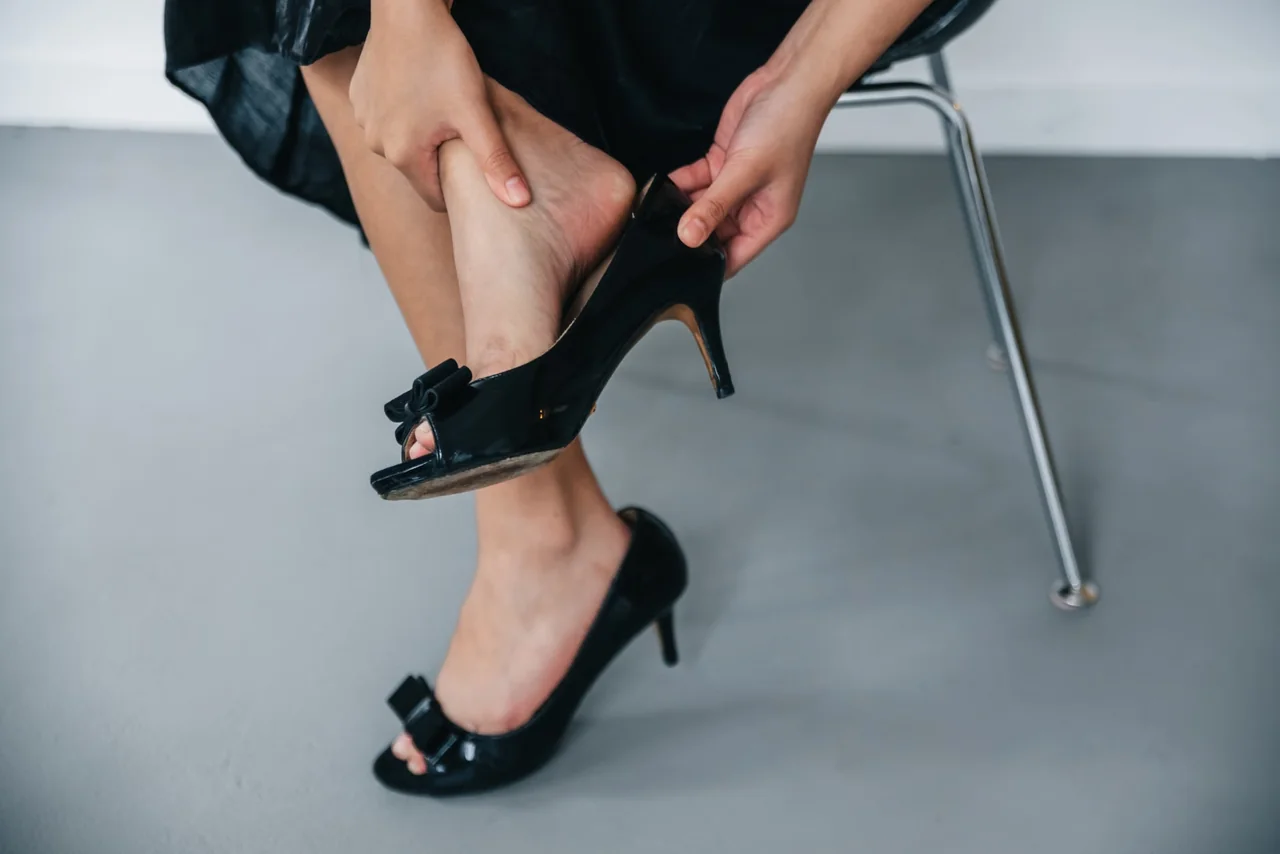
The top of the foot is the area from the base of the toes to the ankle. For runners, this small region plays an important role in walking, absorbing impact, and completing each stride. Bones, joints, tendons, and soft tissues meet there and work under constant tension.
In practice, that area functions as a movable bridge between the leg and the forefoot. When something goes wrong, the body notices quickly: pain when bearing weight, discomfort with footwear, swelling after a knock, or tenderness that appears when moving the toes. In active people, and especially in runners, it is often one of those complaints that starts out subtle and ends up affecting the stride.
A small area with a lot of work to do
The top of the foot is neither a smooth nor a simple surface. Beneath the skin, the metatarsals, the tarsal bones closest to the ankle, ligaments that provide stability, and extensor tendons that lift the toes during walking are arranged. All of this moves and adapts to every change in pace, slope, or surface.
Its function is mechanical and silent: to allow the foot to flex, propel itself, and regain its shape after each step. Even on a leisurely walk it bears repeated loads; in a running session, the work multiplies. That is why, when the top of the foot becomes overloaded, the discomfort can feel like a dull pressure, a pinpoint stab, or a tightness that spreads across the top of the foot.
That multifactorial nature explains why pain in this area does not have a single interpretation. Sometimes the cause is footwear; other times, tendinitis, a stress fracture, or irritation stemming from the way a person walks. The same word, top of the foot, brings very different conditions together under one visible surface.
What structures are behind that discomfort
The extensor tendons run across the top of the foot like thin, taut cables. They are responsible for lifting the toes and helping with the fine control of the step. If there is overuse, sudden changes in activity, or constant rubbing from the shoe, they can become inflamed and cause very localized discomfort in the upper part of the foot.
The metatarsal bones are also involved, bearing much of the load during the push-off phase. A stress fracture in that region does not always begin with a clear blow; often it appears after weeks of repeated impact, especially in runners who increase volume or intensity too quickly. The pain is usually persistent, well localized, and worsens with loading.
Footwear adds another chapter. A high instep, a stiff tongue, or overly tight laces can compress the top of the foot like an over-tight strap. That detail, which seems minor, is sometimes enough to trigger pain, a tingling sensation, or even superficial swelling.
Why it hurts when walking, running, or even at rest
Walking forces the foot to repeat a complex cycle of support, swing, and propulsion. If the top of the foot is irritated, each step acts as a small reminder. Shoe rubbing, toe flexion, and pressure against the ground add up as micro-aggressions that turn a mild discomfort into a clearer pain throughout the day.
In runners, the load is even more obvious. Intervals, hills, changes of pace, and road workouts increase the strain on the extensors and metatarsals. When the discomfort appears while running and disappears when stopping, it usually points to a mechanical overload; if it already hurts at rest, the condition deserves more attention because the irritation is no longer just functional.
Swelling adds another clue. An inflamed top of the foot may feel warm, tender to the touch, or bulkier inside the shoe. After a knock, that reaction is common; it can also appear with sustained overload or soft tissue injuries. What matters is not to mistake mild inflammation for an unimportant sign: in a foot, any change in volume alters the way weight is borne.
The most common causes seen in clinic and in sports
One of the most frequent causes is extensor tendinitis, common in people who walk a lot, resume training, or suddenly increase their workload. The pain is usually diffuse, centered on the top of the foot, and worsens with repeated movement of the toes or with shoe rubbing.
Another possibility is a stress fracture. There is not always an obvious trauma or noticeable swelling from the start. It often begins as a subtle discomfort that never quite goes away, especially if the person keeps training. As the days pass, the painful point becomes more defined and bearing weight becomes uncomfortable.
There are also cases in which the problem starts elsewhere and shows up there. A high-arched foot, for example, concentrates loads in specific areas and can increase pressure on the top of the foot. Likewise, metatarsalgia or an altered gait can send discomfort toward the upper part, giving the impression that the source is in a different area than it really is.
A direct blow is another very clear cause. An impact on the top of the foot can inflame soft tissues, produce bruising, and cause pain when moving or rubbing the area for several days. If the blow is strong and swelling persists, it is wise to rule out something more serious, such as a bone or joint injury.
How to recognize what kind of pain you are feeling
The way the pain appears provides useful clues. If it is triggered when tying your shoes, bending the foot, or lifting the toes, it usually points to irritation of the extensor tendons. If, instead, the pain is very localized and increases when pressing on a specific metatarsal point, suspicion of a bone injury carries more weight.
Visible swelling is not always essential. There are painful tops of the foot that show almost no external changes, but hurt when touched, while walking, or at the end of the day. In other cases, the area looks more swollen, with a feeling of surface tension or of the foot being squeezed inside the shoe. Both situations deserve attention, even if the outward appearance differs.
Stiffness when moving the toes is also a clue. If flexing or extending the toes reproduces the discomfort, the problem may lie in the tendons or the tissue around them. If the pain appears when walking but not so much when moving the foot at rest, the source may depend more on loading than on an acute structural injury.
The role of footwear in a discomfort that is often overlooked
In sports and in everyday life, the shoe is a kind of second skin. When it presses on the upper part, the area receives constant pressure that adds to the load of weight-bearing. Poorly distributed laces can have the same effect as a hand holding the foot too tightly for hours.
That is why, in many cases of pain on the top of the foot, reviewing footwear is almost as important as reviewing the injury. A narrow last, a stiff tongue, or a closure that is too tight can worsen the condition without the person connecting the two things. After all, the foot needs not only cushioning; it also needs space.
A wide toe box helps keep the toes from working under compression, and a flexible upper reduces repeated rubbing on the top of the foot. In runners, urban boots, or everyday sneakers, that detail makes a noticeable difference. The goal is not to find a perfect model for everyone, but to avoid any structure that adds pressure where irritation already exists.
What is usually done when the top of the foot becomes inflamed or painful
The initial approach is usually conservative. Reducing load, cutting back on long walks, pausing running for a few days, and applying ice locally can help when the problem comes from overload or a recent knock. The aim is to break the irritation cycle before the tissue becomes even more sensitive.
In repeated-use injuries, complete rest is not always the best strategy. Often, a smart reduction in activity works better: less impact, fewer hills, less time on your feet, and more attention to footwear. That adjustment allows the foot to keep moving without continuing to accumulate unnecessary strain.
If the pain persists, professional assessment helps rule out a stress fracture, significant tendinitis, or biomechanical issues. Depending on the case, orthotics, temporary offloading, mobility exercises, or a gradual return-to-activity plan may be considered. The key is not to turn a treatable discomfort into a long-lasting injury by pushing too soon.
What the foot structures do during running
In a stride there is a precise choreography. The foot absorbs impact, adapts, stabilizes, and pushes off. The top of the foot takes part in that process through the tendons that lift the toes and the bones that distribute the load. When the movement is repeated hundreds or thousands of times, any small imbalance ends up taking center stage.
That explains why pain on the top of the foot often appears after changes in pace, volume, or surface. The body tolerates progression well, but protests against sudden jumps. A sudden increase in mileage, track intervals after weeks of rest, or a change to shoes that are too stiff can trigger the problem.
Less visible details also matter: tight calves, limited ankle mobility, or a running technique that overloads the forefoot. The source is not always where it hurts. The foot, like a hinge that is either well lubricated or badly aligned, often pays the price for what happens a little higher up.
When discomfort deserves more than patience
If the pain worsens over the days, noticeable swelling appears, or walking normally becomes difficult, it should not be ignored. A complaint that does not improve with reduced load may hide something more than a simple temporary irritation. In a runner, that matters especially because continuing to train on a bone or tendon injury usually prolongs recovery.
It is also wise to pay attention when the pain is very well localized, increases when pressing a specific point, or returns every time running resumes. Persistence is a more useful sign than isolated intensity. A moderate pain that lasts for weeks may be more relevant than a sharp but brief stab after a clear blow.
After a trauma, any deformity, extensive bruising, or inability to bear weight deserves evaluation. The foot is a small structure with a lot of room to compensate, but not enough to ignore an injury that alters the way it works.
The top of the foot in the daily life of a runner
For a runner, understanding this area is not a minor anatomical issue. The top of the foot supports the fit of the shoe, toe movement, the final push, and part of the effort that turns a stride into forward motion. When it fails, the sensation can be deceptive: it seems like a small problem, but it changes cadence, confidence, and even the way weight is borne.
Prevention comes from respecting progression, choosing footwear that does not compress, watching lace pressure, and not normalizing persistent pain as if it were the inevitable price of training. A foot free of pressure works better, distributes effort better, and recovers faster between sessions.
In simple terms, the top of the foot is not just the upper part of the foot. It is a passage point where load, mobility, and equipment fit converge. When that mix is understood, so are many complaints that at first seem vague but in reality have a very specific logic.
Top-of-foot pain in runners: signs to watch and adjustments to make
When you run, the top of the foot is involved in toe movement and in adapting to each foot strike. Long runs, intervals, hills, or a sudden increase in training load can make discomfort in this area more noticeable. Pressure or rubbing from your shoes may also contribute, particularly if the laces press on the top of your foot or the tongue feels stiff. The discomfort might feel like pressure, tightness, or a tender spot, and may sometimes come with swelling or tingling.
Notice when the pain starts and how it changes: does it begin during a run, build as the session goes on, return on each outing, or continue after you stop? Check whether walking or moving your toes also hurts, and whether the area looks swollen or feels more sensitive. These details can help you decide what to do, but they cannot identify the cause on their own. Pay particular attention to well-localised pain that worsens with weight-bearing or is present even at rest.
If running brings on pain, do not try to compensate by changing your stride or push through intervals and hills to see if it settles. Reduce or pause the sessions that trigger it, and check your shoe fit: try loosening the laces over the sore area and make sure the shoe does not press on the top of your foot. Return to running gradually when everyday activities are comfortable. If the pain persists or worsens, there is significant swelling, or putting weight on the foot is difficult, consult a healthcare professional.
When pain on the top of the foot forces a broader look
The journalistic reading of this problem is clear: behind an apparently minor discomfort may lie a history of overuse, shoe pressure, altered gait, or impact injury. The foot gives warning with precision, even if it sometimes does so late and in a low voice. Knowing how to interpret that signal prevents a simple overload from turning into a long break.
The top of the foot is a delicate boundary between protection and exposure. Protected by footwear and exposed to every step, it bears a function that is rarely appreciated until it hurts. Understanding it better helps you read the body more intelligently, both in sports and in everyday life.
Ultimately, that upper part of the foot sums up a simple and useful idea: the most discreet anatomy is often the one that does the most work. And when it becomes irritated, it usually does not stay silent for very long.
Medical reference: Foot pain and problems, Johns Hopkins Medicine.



How to prevent thigh chafing: causes and real solutions

Women’s running windbreakers: seven jackets and how to choose

Do more workouts get rid of soreness? A guide for runners

Jaén Half Marathon 2026: Record 3,800 Runners Registered

Men’s short running tights: how to choose the right pair

World Triathlon confirms data breach involving medical data

Izan Edo targets podium at Miyazaki World Cup

María Pérez ranks ninth in World Athletics’ 2026 top ten

Dos Santos, Duplantis and Sawe: World Athlete of the Year finalists

San Silvestre Vallecana 2026: 42,000 places, prices and start times

 Races4 months ago
Valencia Half Marathon 2027: date and registration

 Reviews and Comparisons4 months ago
Asics Gel-Roadmiles 3 for men: review and current price

 Races4 months ago
Valencia Marathon 2026: entry, ballot and course

 Reviews and Comparisons4 months ago
Asics Gel Sonoma 8 Gore-Tex: complete analysis for trail and rain

 Sneakers3 months ago
Saucony Endorphin Pro 4: full review and verdict

 News5 months ago
Strava API 2026: what changes for clubs, challenges and runner apps?

 Reviews and Comparisons5 months ago
Nike Alphafly 3: opinions, sensations, and real key points

 Reviews and Comparisons4 months ago
Under Armour running shoes review 2025-2026: models and key features

 Sports Equipment4 months ago
Shoe sizes in cm: a clear guide to getting the right fit for your footwear

 Sneakers3 months ago
Skechers GO RUN Consistent 2.0 analysis: comfort and limits

 News5 months ago
Valencia Marathon 2026 route: key tips to train and run better

 Sneakers4 months ago
Adidas Adizero Boston 13 for men: review and verdict