Health and Nutrition
Big toe pain: causes, signs, and relief
Injuries, gout, bunions, ingrown toenails, or osteoarthritis: the most common causes and the warning signs you shouldn’t overlook.

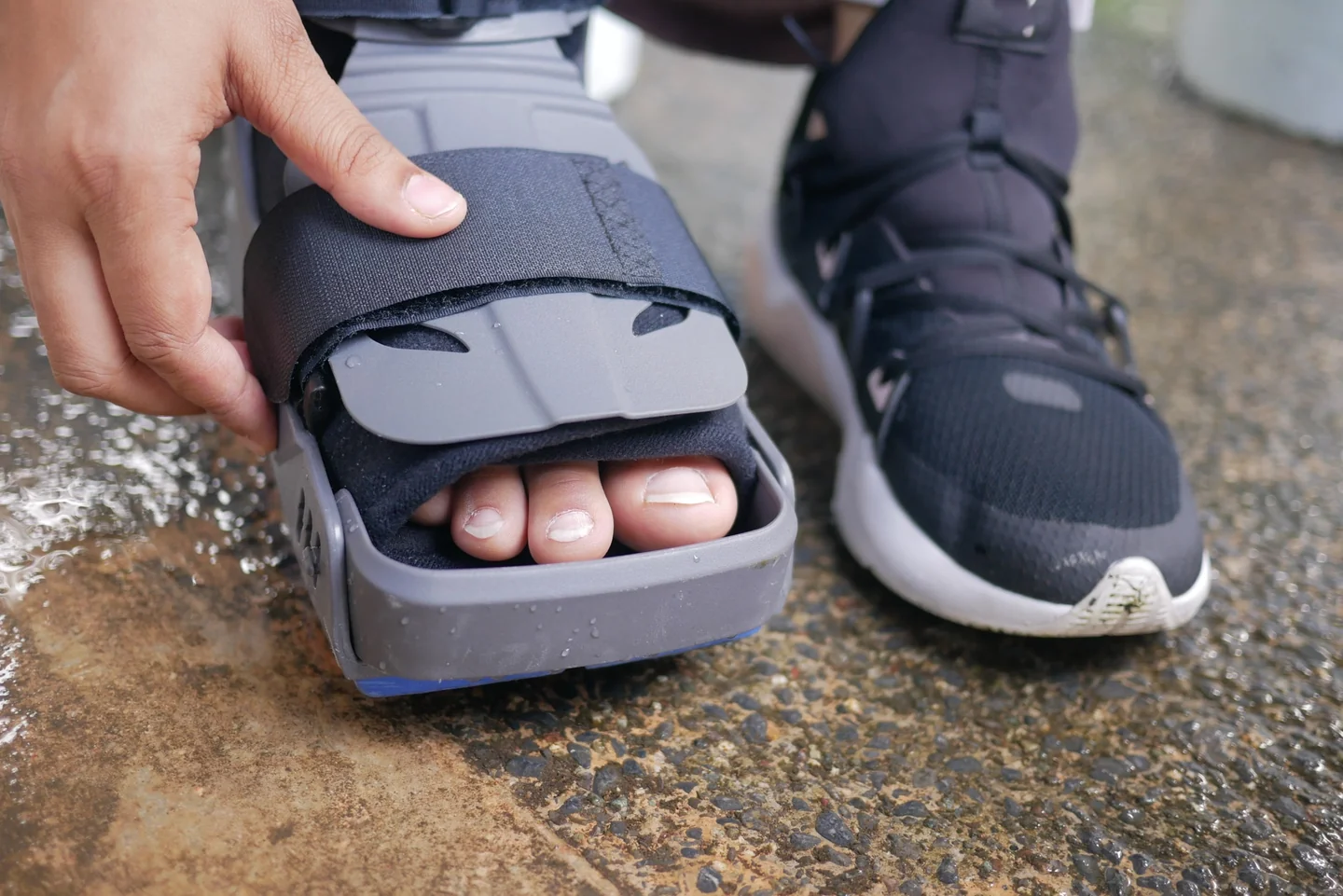
The big toe supports a decisive part of the push-off when walking and running. That is why, when pain appears in that area, the most ordinary gesture — stepping down, turning, braking, or taking off — becomes uncomfortable and, sometimes, frankly limiting. In running, where each stride multiplies the load on the forefoot, that discomfort can ruin an easy run or warn of a bigger problem that is only just beginning.
The most common causes range from a knock, an ingrown toenail, or a bunion to gout, osteoarthritis, a stress fracture, or tendon inflammation. The key is not just the pain, but how it presents: whether it appears suddenly, whether it hurts when walking, whether the area is warm, swollen, red, or stiff, or whether footwear makes it worse. That combination of signs is much more informative than pain in isolation.
What is really happening when the first toe hurts
The first toe is small in size, but huge in function. It participates in foot stability, the final propulsive phase of walking, and the absorption of part of the impact as the body moves forward. With every step, that toe works together with the first metatarsophalangeal joint, several tendons, ligaments, and the small sesamoid bones that act like a pulley under the base of the toe. When something fails in that precise machinery, the pain is usually felt right away.
In daily life, that discomfort may feel like a stab when lifting the foot off the ground, a dull ache at the base of the toe, an annoying pressure inside the shoe, or intense sensitivity when touching the area. In runners, the problem often appears after increasing volume, wearing new shoes, running uphill, or accumulating fatigue. The tissue becomes irritated, the load-bearing pattern changes, and the body tries to compensate, sometimes with a silent overload that shifts to the sole, ankle, or knee.
Not all pain in this area has the same origin or the same clinical course. A blow can leave a visible bruise within hours; an ingrown toenail causes very localized, superficial pain; gout often flares like a nighttime fire; a bunion develops over months; osteoarthritis stiffens the joint little by little. Understanding that pattern helps avoid confusing a temporary problem with one that requires medical evaluation.
Signs that point toward one cause or another
The shape of the pain gives more clues than its intensity. If the discomfort began after a blow, a twist, or a particularly hard run, suspicion leans toward a contusion, sprain, or even a fracture. If the pain is concentrated at the edge of the nail, with redness and sensitivity to touch, the cause is usually an ingrown toenail or an infection around the nail. If the toe looks deviated and rubs against the shoe, the problem is usually structural.
The appearance of the skin and mobility also matter a great deal. Redness, local heat, and marked swelling point to acute inflammation, such as gout or an infection. Stiffness, on the other hand, is more often related to osteoarthritis or to a mechanical problem that has been developing for some time. When the pain appears only when walking barefoot or pushing off in a run, the sesamoids, the flexor tendon, or overload in the front of the foot may be involved.
In people who train frequently, recent history matters almost as much as the symptom. A sudden change in intervals, more hills, more pavement, a shoe that is too narrow in the toe box, or a quick return after time off can trigger what seemed like a minor issue. The foot, after all, is a system of sensors and levers; if one of its elements becomes irritated, the whole system loses finesse.
Injuries, blows, and stress fractures
A direct impact is one of the easiest causes to recognize. Bumping the toe against furniture, having an object fall on it, stepping badly off a curb, or twisting it during a run can cause a contusion, sprain, or fracture. In those cases, immediate pain, swelling, difficulty bearing weight, and sometimes bruising usually appear. If there is visible deformity or the toe is misaligned, a more serious injury should be considered.
Fractures of the toe or the base of the first toe are not always dramatic. In runners, especially, there is the stress fracture, a crack from repeated loading that develops without a single clear blow. The runner usually notices that the pain increases with training and eases somewhat with rest, until eventually even walking becomes uncomfortable. It is a treacherous injury because it can seem like simple overuse for days or weeks.
When trauma affects the joint or the weight-bearing area of the first toe, it is worth paying attention to the way you walk. If you change your step to avoid pain, the body compensates and the overload is redistributed. That shift can load the second metatarsal, tighten the calves, or visibly alter your gait. In running, that small change is enough for a localized problem to become a chain of discomfort.
Gout, osteoarthritis, and arthritis: when inflammation comes from within
Gout usually hits the base of the big toe with very striking intensity. It typically begins with sudden pain, swelling, redness, and heat, often at night or at dawn. The joint looks inflamed. The cause is uric acid crystals, which deposit in the joint and trigger a very intense inflammatory response. It is not uncommon for the patient to remember the episode as pain impossible to ignore, even with the touch of a bedsheet.
Osteoarthritis, by contrast, progresses at a different pace. Its hallmark is stiffness and progressive loss of mobility, especially in the joint at the base of the toe. At first, it hurts when starting to walk after sitting; later, it hurts with shorter efforts and is accompanied by a feeling of a worn-down, less flexible joint. In some cases, a bony prominence or a hard lump appears, revealing joint wear.
There are also inflammatory arthritides that affect the toes, such as rheumatoid arthritis. They usually cause pain, stiffness, swelling, and sometimes involvement of other joints. In these cases, toe pain is not an isolated event, but part of a broader picture. That is why it is worth noting whether there is fatigue, prolonged morning stiffness, or problems in other areas of the body.
Bunions, deviations, and constant rubbing against footwear
A bunion is not just a visible bump; it is a deformity that alters toe mechanics. The base of the big toe shifts, the joint protrudes, and rubbing against the shoe becomes almost inevitable. At first, the pain appears mainly with closed or narrow shoes; over time, it may be felt even at rest or when walking barefoot because of accumulated inflammation.
In runners and people who spend many hours on their feet, bunions have a very specific impact: they change the push-off phase. The big toe no longer acts freely and works in a less efficient position. That loss of leverage not only hurts, but can also reduce running economy and favor compensations in the metatarsals and plantar fascia. The foot, which normally distributes loads precisely, begins to work in a disordered way, like a forced hinge.
Narrow footwear, a stiff toe box, or models that squeeze the front of the foot act as an amplifier of the problem. They do not always create the deformity by themselves, but they can accelerate pain and make a latent problem more obvious. In practice, the affected toe has less room to expand with each step, and that repeated pressure eventually irritates the soft tissues and joint.
Ingrown toenail, paronychia, and superficial pain that deceives
Not all big toe pain starts in the joint. Sometimes the origin is the nail. An ingrown toenail causes very localized pain at the edge, redness, and sensitivity to even the slightest touch. If infection develops around the nail as well, the skin becomes inflamed and pus may even appear. In these cases, the problem is more superficial, but no less annoying.
An ingrown toenail is especially common in the big toe because it bears the greatest load and because the front of the shoe is often insufficiently spacious. Cutting the nails too short or in an overly curved shape also encourages the edge to grow into the skin. The pain can be misleading at first, because it seems small and very localized, but every step reactivates it like an invisible splinter.
The difference from a joint injury is clear when the pain increases on touching the nail edge. If the discomfort is concentrated in the skin, the problem is usually at the periphery of the toe; if it appears when bending it or pushing off, the origin is usually deeper. That distinction is useful because it guides care and avoids inappropriate home treatments, which sometimes make the irritation worse.
Sesamoiditis, tendons, and the pain that appears when lifting off the ground
Under the base of the big toe there are two small bones that bear a great deal of load. They are the sesamoids, and when they become inflamed, sesamoiditis occurs. The pain is usually felt on the plantar side, just beneath the first metatarsal, and worsens with running, jumping, or push-off when walking. In a runner, it is the kind of discomfort that forces a shorter stride without intending to, as if the foot lost its spark at takeoff.
The tendons that move the toe can also hurt, especially the flexor and extensor tendons. Tightness on the top of the foot or beneath the first toe may signal an overuse tendinopathy, very common after sudden changes in training. If the movement that hurts most is flexing or extending the toe against resistance, a tendon injury or irritation of nearby structures should be considered.
These discomforts are easily confused with ordinary overuse. However, when the pain repeats on every outing, disappears with rest, and returns when activity resumes, the body is warning that the tissue does not tolerate the current load well. In running, that pattern is often more revealing than the intensity of the pain itself.
What usually helps and what should not be improvised
The first useful step is usually to reduce load and observe. If the pain started after a hard session or a blow, resting for a few days, applying ice briefly, and avoiding footwear that compresses the area can help quite a lot. The foot appreciates rest, especially if swelling is recent. Elevating the limb also helps when there is visible inflammation, because it reduces edema.
For mild discomfort, a shoe with a wide toe box and a stable sole changes the picture more than it seems. Frontal pressure decreases, the toe has room, and stepping no longer feels like a struggle. In cases of ingrown toenail, keeping the edge clean and avoiding excessive manipulation of the nail corner is prudent. If there are signs of infection, the problem is no longer something to handle at home and needs professional evaluation.
It is wise to avoid the idea that all big toe pain can be solved by stretching more or pushing training harder. If the problem is a stress fracture, pushing through makes it worse; if it is gout, the pain needs a diagnosis; if there is osteoarthritis or a bunion, mechanical correction matters more than simply enduring it. Treatment depends on the cause, not on the isolated symptom.
Why footwear matters so much in a painful foot
For the foot, a shoe is not an accessory: it is part of the biomechanical environment. A model that is narrow at the toe box, excessively stiff, or with poorly placed seams can irritate a nail, press on a bunion, or worsen an already sensitive joint. In runners, moreover, a shoe that is too rigid or unfriendly to the forefoot can concentrate load at the base of the first toe and increase discomfort with each stride.
The relationship between footwear and pain is not as simple as choosing a softer shoe. Sometimes excessive cushioning also alters the foot’s response, especially if the runner already has an unfavorable mechanics pattern. What matters is that the first toe has enough space and that the overall setup does not force constant pressure on the painful area. In an irritated foot, fit matters almost as much as mileage.
The practical test is usually simple: if the pain improves when taking off the shoe and worsens when putting it back on, the mechanical clue becomes more important. That observation does not replace a clinical assessment, but it does help explain why the same foot may hurt more in some shoes than in others, or more on the road than on the track, or more on hills than on flat ground.
When it should not be ignored
There are signs that deserve prompt medical attention. Very intense pain, inability to bear weight, visible deformity, fever, marked redness, heat with severe swelling, an open wound, or discharge around the nail are clear signs that the problem may be more than a simple discomfort. If the toe changes color or persistent numbness appears, a prompt check-up is also advisable.
In runners, pain that does not improve after a week of reduced load, or that comes back every time activity is resumed, deserves investigation. The persistence of the symptom often reveals a structural or inflammatory injury that needs a more precise approach. Ignoring it prolongs recovery and can turn a reversible condition into a chronic one, with the resulting cost to walking and training.
Age, diabetes, a history of gout or arthritis, and circulation problems add clinical context. A sore toe after a run is not the same as a sore toe in someone with fever, joint stiffness, or poor blood flow. Context changes how the symptom is interpreted and, with it, the urgency of evaluation.
A small symptom that changes the whole stride
Pain in the big toe is only small in appearance. In reality, it has a disproportionate impact on the way we walk, run, and stay stable. A limited toe changes the load-bearing pattern, alters propulsion, and forces the rest of the body to improvise. What begins at the edge of a nail, in an inflamed joint, or in a worn bone can end up changing the entire mechanics of the step.
That is why the value of this symptom lies in reading it in context. Location, timing of onset, relationship to exertion, presence of inflammation, and the effect of footwear build a fairly accurate picture of what is happening. There is no single explanation, but there are recognizable patterns that separate a passing irritation from an injury that needs evaluation.
In running, where the foot functions as spring, rudder, and shock absorber at the same time, paying attention to that signal matters more than it may seem. The big toe does not usually draw attention when it is working well; when it complains, however, it is often saying much more than it appears to.
Medical reference: Toe injuries and disorders, MedlinePlus (U.S. National Library of Medicine).



How to prevent thigh chafing: causes and real solutions

Women’s running windbreakers: seven jackets and how to choose

Do more workouts get rid of soreness? A guide for runners

Jaén Half Marathon 2026: Record 3,800 Runners Registered

Men’s short running tights: how to choose the right pair

World Triathlon confirms data breach involving medical data

Izan Edo targets podium at Miyazaki World Cup

María Pérez ranks ninth in World Athletics’ 2026 top ten

Dos Santos, Duplantis and Sawe: World Athlete of the Year finalists

San Silvestre Vallecana 2026: 42,000 places, prices and start times

 Races3 months ago
Valencia Half Marathon 2027: date and registration

 Races3 months ago
Valencia Marathon 2026: entry, ballot and course

 Reviews and Comparisons4 months ago
Asics Gel-Roadmiles 3 for men: review and current price

 Reviews and Comparisons4 months ago
Asics Gel Sonoma 8 Gore-Tex: complete analysis for trail and rain

 Sneakers3 months ago
Saucony Endorphin Pro 4: full review and verdict

 News5 months ago
Strava API 2026: what changes for clubs, challenges and runner apps?

 Reviews and Comparisons5 months ago
Nike Alphafly 3: opinions, sensations, and real key points

 Reviews and Comparisons4 months ago
Under Armour running shoes review 2025-2026: models and key features

 Sports Equipment4 months ago
Shoe sizes in cm: a clear guide to getting the right fit for your footwear

 Sneakers3 months ago
Skechers GO RUN Consistent 2.0 analysis: comfort and limits

 News5 months ago
Valencia Marathon 2026 route: key tips to train and run better

 Sneakers4 months ago
Adidas Adizero Boston 13 for men: review and verdict