Health and Nutrition
Pronator or supinator: shoe wear and foot strike
The sole matters more than it seems: identify your gait and reduce the risk of discomfort and injuries.

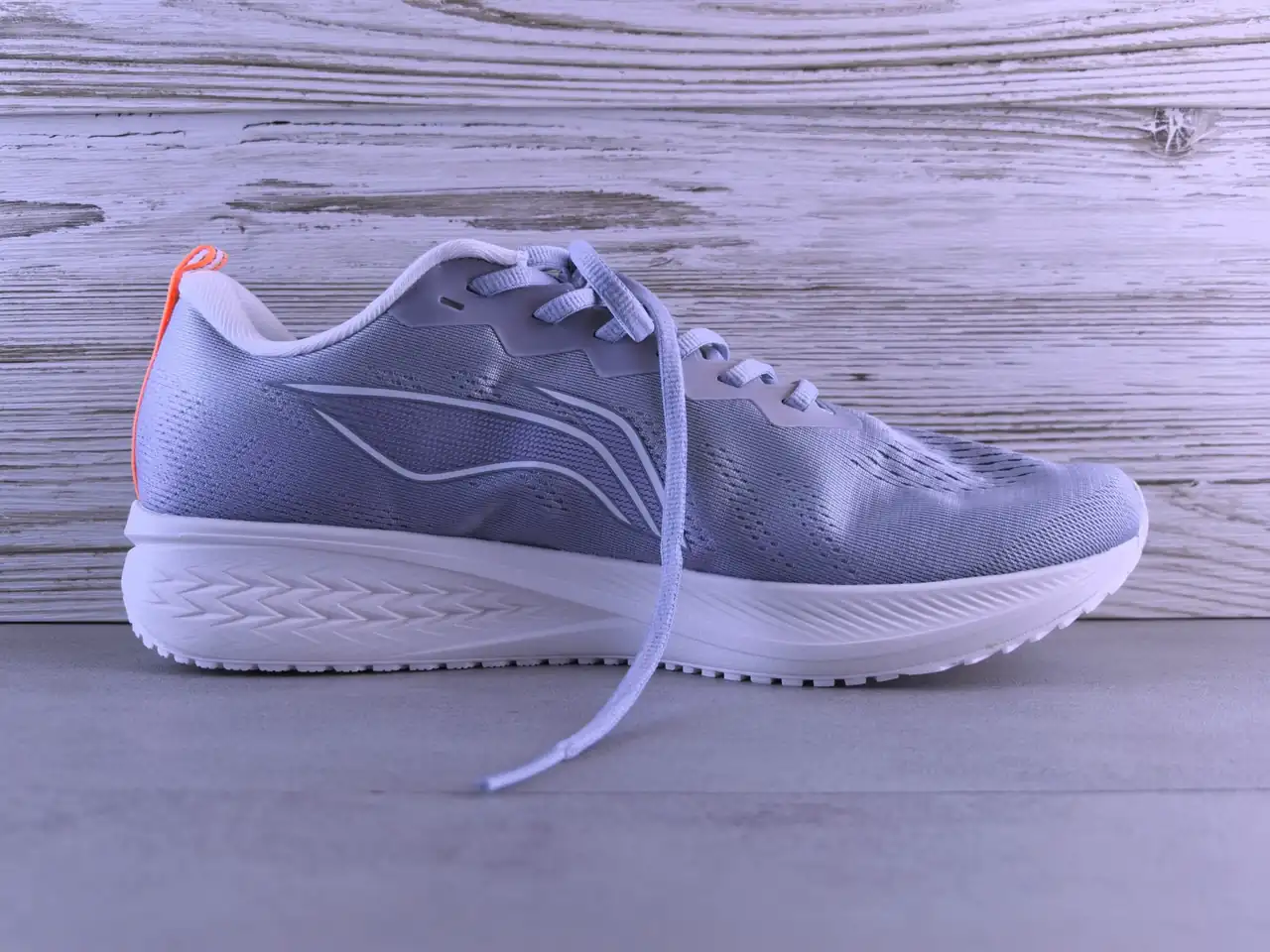
Running shoe wear can offer clues about whether a runner tends towards overpronation or supination, but it cannot establish this with certainty. Wear on the inside may occur with a foot that moves further inwards; a worn strip along the outside may appear with a more lateral pattern of support. Neither mark is a diagnosis on its own.
The distinction matters particularly when choosing shoes or assessing a recurring ache. The outsole records friction accumulated against the ground, not the complete movement of the foot or the exact pressure it bears. Terrain, shoe design and everyday walking also leave their mark.
What each part of the outsole can reveal
The marks on a pair used for training over several months offer more context than those on shoes worn for a single run. Look at the heel and forefoot, then compare the right and left shoes. A photograph of one isolated area can suggest an explanation that does not fit the rest of the footwear.
Wear on the inside
Pronounced wear along the inner edge may occur when the foot tends to move further inwards during the stance phase. This can be associated with pronation, although worn rubber cannot measure how much the foot pronates or establish whether that movement is a problem.
A mark beneath the big toe, for example, can also appear during an ordinary push-off. It is not enough to attribute it to overpronation. The shape of the outsole, the placement of the rubber and the way a runner pushes forwards all affect which area wears first.
Wear on the outside
When wear extends prominently across the outer heel and forefoot, it may suggest that support remains relatively further towards the outside. Runners often describe this as a tendency to supinate or as reduced pronation during the loading phase.
By contrast, wear on the outer corner of the heel alone is common and does not show that a runner stays on the outside of the foot throughout the stride. It may simply reflect initial contact in someone who lands on the heel; other runners land first on the middle or front of the foot.
Wear spread across the sole
Wear distributed across the outsole may occur with what is described as a neutral gait. Some runners show wear on the outer heel as well as the forefoot, but there is no single normal pattern: the initial contact point, the shoe and the surface all affect the marks.
Nor does the absence of conspicuous wear guarantee freedom from pain or injury. A shoe that looks evenly worn cannot reveal training load, recovery or the condition of the body’s tissues on its own.
Pronation and supination are movements, not diagnoses
The stance phase begins when the foot touches the ground and ends when it pushes off. Between those moments, its joints move to adapt to the surface and transmit the forces of running. Initial contact is only one part of that sequence.
Pronation combines movements often accompanied by a lowering of the arch and an inward tilt of the heel. It is a normal part of loading. Supination combines movements in the opposite direction and also occurs naturally at different points in the stride.
The terms overpronator, supinator and neutral simplify a more complex reality: the foot moves in several planes, and pressure patterns do not describe the exact position of each joint. Assessing overpronation means considering movement in context, not identifying a fault from one image or a universal number of degrees.
A high arch can coexist with a relatively rigid foot and more lateral support, but this is not always the case. Equally, a low arch does not prove that pronation is harmful. A runner can have any of these characteristics and train without pain for years.
How to compare both shoes
Placing the pair on a flat surface makes it possible to see whether a base has become distorted or one shoe visibly leans to one side. Turning them over then allows a comparison of smooth areas, tread depth and the difference between heel and forefoot. A lean shows how the shoe has deformed; it does not establish a gait type on its own.
A moderate difference between sides is not necessarily a sign of a problem. It may relate to movement, a previous injury or unequal use. If one shoe wears out much sooner and there is also pain or instability in that leg, taking the pair to a healthcare assessment provides useful information without assuming the cause.
Context changes the reading too. Trail shoe lugs wear differently from the rubber on road shoes; descents, repeated turns and rough pavement all affect wear. A pair worn for daily walking combines those movement patterns with running.
Even two models used by the same person can age differently. Rubber placement, geometry and material firmness affect the visible marks. That is why more wear on one sole does not automatically prove that running technique has worsened.
The limits of wet footprints and video
Stepping onto paper or cardboard with a wet foot leaves an image of the areas that made contact with the surface. A narrow print through the middle may suggest a high arch, while a wider one may indicate more contact there. The amount of water and pressure applied also affect the result.
The test describes a static position, not how the foot moves while running. It cannot be used to prescribe insoles or establish that a particular arch needs correcting. Walking, speed, gradient and fatigue can all change the way the foot loads compared with its position at rest.
Video filmed from behind or the front may show differences between sides or changes at different speeds. Camera angle and image quality nevertheless affect what can be seen. A squat cannot reliably classify running gait either: knee position depends on several factors and does not necessarily reproduce the running movement.
When a gait assessment may be worthwhile
A clinical assessment can be particularly useful for recurring pain, repeated sprains or instability, or when returning to running after an injury is difficult. Not every symptom-free runner needs an extensive assessment simply because rubber wears faster on one side.
A podiatrist or physiotherapist experienced in working with runners can review injury history, training and footwear, as well as examine mobility and strength. Where appropriate, they may observe walking or running; a treadmill, video or pressure-measuring system can provide additional information.
Technology does not turn a single measurement into a diagnosis. A pressure map shows where load is concentrated during that test, but it cannot explain on its own why a structure hurts or reliably predict a future injury. Its value lies in relating observations to symptoms and the physical examination.
A specialist running shop can help compare the fit of different models, but that retail advice is not a healthcare assessment. If pain is clearly localised to a bone or there is significant swelling, a medical evaluation may be needed.
Pain and wear are not automatically linked
Runners can experience plantar pain, tendon problems and pain in the knee or on the outside of the foot. Metatarsal stress injuries and ankle sprains can also occur, but none can be diagnosed from an outsole pattern.
Repeated loading, a sudden rise in training volume or intensity, insufficient recovery, terrain and previous injuries can all play a part alongside movement. A neutral gait does not eliminate risk, just as a more lateral pattern does not condemn someone to injury.
If localised pain increases while running, it is sensible to reduce or stop the activity that causes it and seek an assessment. Pain precisely localised over a bone, especially if it also occurs when walking or is accompanied by swelling, needs evaluation to rule out a stress injury; continuing to train through it can make it worse.
An acute injury involving deformity, inability to bear weight, severe pain or marked swelling requires urgent medical attention. A cold, very pale foot or a significant loss of sensation should not be attributed to gait either.
What matters when choosing running shoes
For a runner without symptoms, a comfortable neutral shoe can be a reasonable starting point, including when there is wear on the outside. Wear on the inside alone does not make a motion-control model compulsory either. The decision is more useful when it considers fit, perceived stability and intended use, rather than a label alone.
A wide base can provide a more stable feeling underfoot. Some models incorporate support features intended to influence certain movements; others achieve stability through their geometry. Whether either option suits a runner depends on how it interacts with the foot, not on a promise to correct a gait category.
Cushioning also calls for nuance. Very soft foam or a high stack can feel comfortable to some runners and unstable to others. More cushioning does not guarantee fewer injuries, and a lateral loading pattern does not automatically require the maximum amount of foam available.
The front of the shoe should leave room for the toes without pressure, while the heel should be secure without uncomfortable rubbing. Trying shoes in motion, where possible, can reveal slipping or a rolling sensation that is not apparent when holding them.
Terrain matters as much as fit: an outsole designed for roads will not necessarily provide suitable grip on wet dirt or rock. If a new model differs substantially from the previous one, introducing it gradually gives the runner a chance to observe the response without immediately attributing every ache to the shoe.
When to replace a worn pair
A very smooth outsole can lose grip; a distorted base or sunken area can affect the feeling of stability. It is also worth looking at the midsole, the layer between the foot and the rubber: visible deformation or a clear change in feel may matter even when some outer tread remains.
An approximate range of 500 to 800 kilometres is often mentioned for replacing running shoes, but it is neither an expiry date nor a reliable measure of remaining protection. Terrain, the model, runner weight and everyday use mean some pairs last longer and others less.
Distance can be a prompt to start checking a shoe’s condition, not proof that it remains safe until a particular number is reached. Nor is there a home test that can precisely determine how much protection the foam still provides. If the pair has lost grip or its base has become distorted, its actual condition matters more than recorded mileage.
Insoles, strength and technique changes
Loading the outside of the foot more does not make insoles compulsory. They may form part of treatment for some problems, whether prefabricated or custom-made, depending on the condition and examination. If they are already in use, they should fit inside the shoe without squeezing the toes or lifting the heel too much; an insole that causes pain or pressure needs reassessment.
Strength work for the feet, calves and hips can form part of balanced running preparation. Exercises such as calf raises or single-leg balance can be matched to the runner’s ability, but they do not guarantee a change in arch shape or turn one gait pattern into another.
Deliberately changing the landing pattern also changes how loads are distributed. Heel striking is not necessarily wrong, and switching to a forefoot strike does not automatically protect against injury; it can increase demands on the calf and Achilles tendon. Changes make more sense when they address a specific need and are introduced gradually.
Foot strike is only part of the story
Running shoes retain signs of distance, surfaces and usage habits. They help describe what happens to the footwear, but they cannot on their own show what happens in every joint or predict when an injury will occur.
When symptoms are present, recording where and when they occur, together with recent training changes, provides fuller context for an appointment. Without symptoms, a gait that differs from an idealised image does not need to be corrected as a matter of course: comfort and the ability to run without limitations are also part of the assessment.



How to prevent thigh chafing: causes and real solutions

Women’s running windbreakers: seven jackets and how to choose

Do more workouts get rid of soreness? A guide for runners

Jaén Half Marathon 2026: Record 3,800 Runners Registered

Men’s short running tights: how to choose the right pair

World Triathlon confirms data breach involving medical data

Izan Edo targets podium at Miyazaki World Cup

María Pérez ranks ninth in World Athletics’ 2026 top ten

Dos Santos, Duplantis and Sawe: World Athlete of the Year finalists

San Silvestre Vallecana 2026: 42,000 places, prices and start times

 Races4 months ago
Valencia Half Marathon 2027: date and registration

 Races4 months ago
Valencia Marathon 2026: entry, ballot and course

 Reviews and Comparisons4 months ago
Asics Gel-Roadmiles 3 for men: review and current price

 Reviews and Comparisons4 months ago
Asics Gel Sonoma 8 Gore-Tex: complete analysis for trail and rain

 Sneakers3 months ago
Saucony Endorphin Pro 4: full review and verdict

 News5 months ago
Strava API 2026: what changes for clubs, challenges and runner apps?

 Reviews and Comparisons5 months ago
Nike Alphafly 3: opinions, sensations, and real key points

 Reviews and Comparisons4 months ago
Under Armour running shoes review 2025-2026: models and key features

 Sports Equipment4 months ago
Shoe sizes in cm: a clear guide to getting the right fit for your footwear

 Sneakers3 months ago
Skechers GO RUN Consistent 2.0 analysis: comfort and limits

 News5 months ago
Valencia Marathon 2026 route: key tips to train and run better

 Sneakers4 months ago
Adidas Adizero Boston 13 for men: review and verdict