Health and Nutrition
Heel pain in the right foot: causes, signs, and relief
Common causes, warning signs, and useful guidelines to relieve discomfort in the right heel.

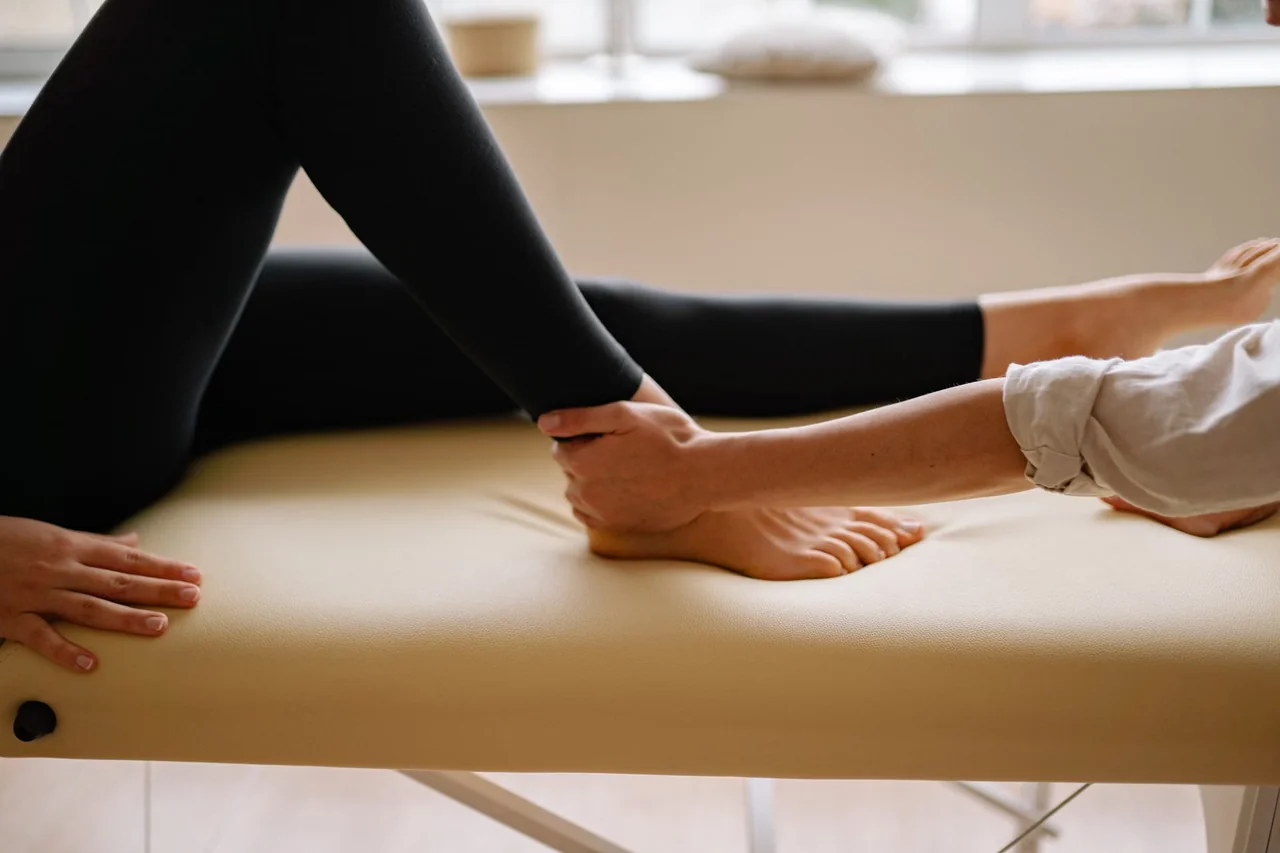
Pain in the right heel often appears after adding impact, spending hours on your feet, or wearing shoes that do not support your gait. In many cases it starts in the sole of the foot, near the plantar fascia, but it can also come from the back of the heel, the Achilles tendon, or irritation from repeated overuse.
The exact location and the moment when it hurts give more clues than the intensity. A sharp pain in the first steps of the morning is not the same as discomfort that builds up while running or climbing hills; behind it may be plantar fasciitis, Achilles tendinopathy, bursitis, a stress fracture, or simply a foot that has been bearing more load than it can tolerate for too long.
When the right heel starts complaining
The heel is a biological shock absorber. Every time the foot hits the ground, it receives a load that is distributed through bones, tendons, fascia, and muscles. If one of those parts fails, or if the demand rises too quickly, the area protests with a dull ache, a stabbing pain on weight-bearing, or stiffness that becomes more noticeable after rest.
In the right foot, that load can be felt especially clearly in people who drive a lot, push off more with that leg, train on hard surfaces, or have changed their routine without adapting. The body does not understand coincidences: it repeats and accumulates, like a rope that slowly frays if it is always pulled from the same side.
The good news is that this type of pain usually gives early warning signs. The bad news is that, if ignored, those signs turn into a longer and heavier story. A heel that hurts when getting up, walking barefoot at home, or at the end of the day is not asking for heroics; it is warning of an overload that should be interpreted calmly.
What is usually behind the pain
Plantar fasciitis tops the list of common causes. The fascia is a band of tissue that runs along the sole of the foot and helps support the arch. When it becomes irritated, the pain is usually felt in the underside of the heel and appears more strongly in the first steps after sleeping or after sitting for a while. The foot then behaves like an old door: at first it squeaks, and then, with movement, it seems to loosen up.
Achilles tendinopathy usually maps out a different pattern. The pain is located behind the heel, near the tendon insertion, and may worsen with running, hills, jumps, or sudden changes of pace. It is sometimes accompanied by morning tightness, a feeling of stiffness, or tenderness when the back of the shoe rubs against it.
Retrocalcaneal bursitis and other friction-related irritations also come into play, especially when the shoe counter presses too much or there is a bony prominence that increases mechanical conflict. In those cases, the problem does not always start from pure effort, but from the small repeated impact between tissues that should not be rubbing against each other like that day after day.
There are less common but important causes, such as a heel spur, which often accompanies other conditions and does not on its own explain the pain; or a calcaneal stress fracture, which is more suspicious if the pain flares up with weight-bearing and does not ease with relative rest. Discomfort may also arise from nerve entrapment, arthritis, or gait abnormalities that change the way weight is transferred into the foot.
The clue given by the first step
Pain when getting up is one of the most recognizable patterns. After hours without loading the foot, tissues lose part of their functional elasticity and the first step lands like a short lash. Many people describe a feeling of a nailed-down heel, a sharp discomfort that improves after a few minutes and returns as the effort accumulates.
That behavior often fits plantar fascia problems, but it does not define them completely. It can also appear in Achilles tendon issues, calf stiffness, or general overuse of the foot. That is why it is worth looking at the whole picture: where it hurts, when it starts, and what makes it worse. One symptom can mislead; several aligned clues tell the story better.
If the discomfort appears at the end of the day, after many hours on your feet or after walking on concrete, the interpretation changes. In that case, the heel is not complaining because it was asleep, but because it is tired. It is the difference between a stiff hinge opening up and a worn-out sole that no longer distributes impact properly.
Why the right side matters less than it seems
That the pain is in the right heel does not change most diagnoses by itself. The side helps locate it, not determine it. What can provide clues is the context: whether that leg takes more load in everyday movements, whether it is used more often for braking, turning, or pushing off, or whether there is a difference in stride mechanics.
In runners, the dominant side does not always match the stronger one; often it is the one that compensates the most. And what compensates today may hurt tomorrow. If the right foot’s support becomes harder, shorter, or more twisted, the heel ends up paying the bill even if the source is a few centimeters higher up, in the ankle, the hip, or even in a poorly balanced training routine.
Shoes are also worth checking. A shoe worn down more on one side, a sneaker without enough cushioning, or a sole that is too flat can make the right foot work under a different load. Pain does not always start where it is felt; sometimes it only signs the final bill.
Overload, impact, and habits that drive the problem
Running on hard surfaces, increasing distance too quickly, or spending many hours on your feet are three common triggers in clinical practice and the medical literature. Heel tissue tolerates load well when it is properly dosed, but it suffers when the sum of steps exceeds its ability to adapt. Concrete, lack of rest, and a continuous pace make for an unfriendly mix for the foot.
Shoes matter more than they seem. Worn-out trainers, models with poor cushioning, or shoes that press at the back can turn each step into a small failed negotiation. If there is also stiffness in the calves or Achilles tendon, the heel takes even more tension than necessary.
Another key factor is a sudden change in activity. Returning to running, resuming long walks, or moving from a quiet week to one full of impact can wake up an area that had been silent. The body responds to the speed at which it is asked to adapt, not to the optimism of the plan.
Signs that deserve medical attention
Not all heel pain is an emergency, but some signs mean you should stop waiting. If the discomfort does not improve after two or three weeks of simple measures, if it worsens despite relative rest, or if it appears suddenly and very intensely, it deserves a clinical assessment. The heel should not dictate a permanent limp or prevent you from bearing weight normally.
It is also wise to seek advice if there is redness, visible swelling, local warmth, or inability to bear weight. In those situations, the problem may be more than simple overload. A stress fracture, marked bursitis, or a soft tissue injury needs a more precise look than home self-management.
Persistent night pain, loss of strength, or the feeling that the way you step is changing are signs that the foot is already compensating. When the body starts twisting its movement to protect one area, the problem rarely stays still.
What is usually done in a clinical evaluation
The physical examination focuses on locating the pain, measuring sensitivity to weight-bearing, and observing how the foot responds to movement. Questions are asked about when the symptoms began, the type of pain, and the activities that trigger it. The details of the first steps in the morning, recent training, or the shoes worn can guide the assessment as much as an image can.
In some cases, an X-ray is requested to rule out fractures, bone abnormalities, or associated findings. When the suspicion falls on soft tissues, ultrasound may provide useful information. The key is not to look only for a label, but to understand which structure is bearing the load poorly.
Medical history matters because the heel does not live in isolation. A runner who has increased volume, someone who works standing on hard floors, or a person with calf stiffness do not share the same mechanics, even if the pain feels similar. The useful diagnosis is the one that connects symptoms, habits, and context.
Measures that often relieve symptoms without making things worse
Reducing the load for a few days can make a difference, as long as it does not turn into complete immobilization. Resting more, walking less on hard surfaces, and avoiding movements that trigger pain allows the tissue to quiet down. Often, a smart reduction in volume helps more than a complete stop that then forces you to start over from scratch.
Ice applied for 10 to 15 minutes, two or more times a day, may relieve pain in recent stages. Paracetamol or ibuprofen are sometimes used for symptom control, always with caution and according to personal circumstances. None of these measures fix the cause on their own, but they can soften the friction while the foot settles.
Comfortable shoes, with good support and cushioning, help more than it may seem. So do heel pads, insoles, or a localized cushion when the problem is mechanical and the load needs to be redistributed. The idea is not to hide the symptom, but to reduce the pounding the tissue receives each time the foot touches the ground.
Exercise, mobility, and strength: what usually helps
Calf and soleus stretches are a common component because they reduce some of the tension pulling on the heel. If the calf is stiff, support becomes less efficient and the fascia or Achilles tendon takes on more than it should. A muscle that does not yield passes its stiffness downward, like an overly tight cable.
Progressive strength work also plays a central role. Heel raises, support-control exercises, and simple stability drills help the foot tolerate everyday load better. The goal is not just less pain, but to be able to walk, run, or stand again without immediate relapse.
It is worth remembering that not every exercise is right for every stage. If a movement triggers pain for hours or leaves the heel more sensitive the next day, that level of demand is probably not appropriate yet. Good recovery does not feel like punishment; it feels like a well-lit staircase, with short and clear steps.
Realistic prevention for runners and active people
Preventing heel pain rarely depends on a single trick. It usually works better as a sum of modest habits: increase the load gradually, respect rest periods, alternate surfaces, and check the condition of your shoes before the sole is worn out. The foot appreciates a stable routine, not sudden jolts.
Strength in the foot, ankle, and calf muscles matters as much as the distance covered. A runner who works on strength and controls volume usually protects the heel better than someone who only adds miles. The same is true for someone who spends many hours standing: taking breaks, changing posture, and not always overloading the same support is a simple and effective measure.
It also helps to watch for small changes. Pain when getting up, discomfort at the end of a walk, or the need to alter your stride are early warnings. Catching them early prevents the problem from becoming that discreet companion that changes the way you walk without asking permission.
When the right heel speaks for the whole foot
Pain in the right heel is usually a mechanical symptom, but not a trivial one. It speaks of load, tolerance, and the balance between what the body bears and what is asked of it. Sometimes the cause is local; other times, the problem starts in a longer chain that begins in the calf or in the way you move throughout the day.
Addressing it in time helps prevent it from becoming chronic and reduces the risk of compensations in the knees, hip, or back. The heel does not just support the step: it also reflects how effort is distributed. When the pain persists, the sensible approach is to read that warning precisely, not resign yourself to it.
Most of these conditions improve best when relative rest, load adjustment, appropriate footwear, and progressive exercise are combined. There is no need to dramatize, but it should not be minimized either. When the right foot protests, it is usually saying something worth listening to carefully.
Medical reference: Heel injuries and disorders, MedlinePlus (U.S. National Library of Medicine).



How to prevent thigh chafing: causes and real solutions

Women’s running windbreakers: seven jackets and how to choose

Do more workouts get rid of soreness? A guide for runners

Jaén Half Marathon 2026: Record 3,800 Runners Registered

Men’s short running tights: how to choose the right pair

World Triathlon confirms data breach involving medical data

Izan Edo targets podium at Miyazaki World Cup

María Pérez ranks ninth in World Athletics’ 2026 top ten

Dos Santos, Duplantis and Sawe: World Athlete of the Year finalists

San Silvestre Vallecana 2026: 42,000 places, prices and start times

 Races3 months ago
Valencia Half Marathon 2027: date and registration

 Races3 months ago
Valencia Marathon 2026: entry, ballot and course

 Reviews and Comparisons4 months ago
Asics Gel-Roadmiles 3 for men: review and current price

 Reviews and Comparisons4 months ago
Asics Gel Sonoma 8 Gore-Tex: complete analysis for trail and rain

 Sneakers3 months ago
Saucony Endorphin Pro 4: full review and verdict

 News5 months ago
Strava API 2026: what changes for clubs, challenges and runner apps?

 Reviews and Comparisons5 months ago
Nike Alphafly 3: opinions, sensations, and real key points

 Reviews and Comparisons4 months ago
Under Armour running shoes review 2025-2026: models and key features

 Sports Equipment4 months ago
Shoe sizes in cm: a clear guide to getting the right fit for your footwear

 Sneakers3 months ago
Skechers GO RUN Consistent 2.0 analysis: comfort and limits

 News5 months ago
Valencia Marathon 2026 route: key tips to train and run better

 Sneakers4 months ago
Adidas Adizero Boston 13 for men: review and verdict