Health and Nutrition
Sauna for runners: real benefits and how to use it properly
Heat can help you recover better, tolerate high temperatures, and take care of the cardiovascular system, but it’s not a good idea to improvise.

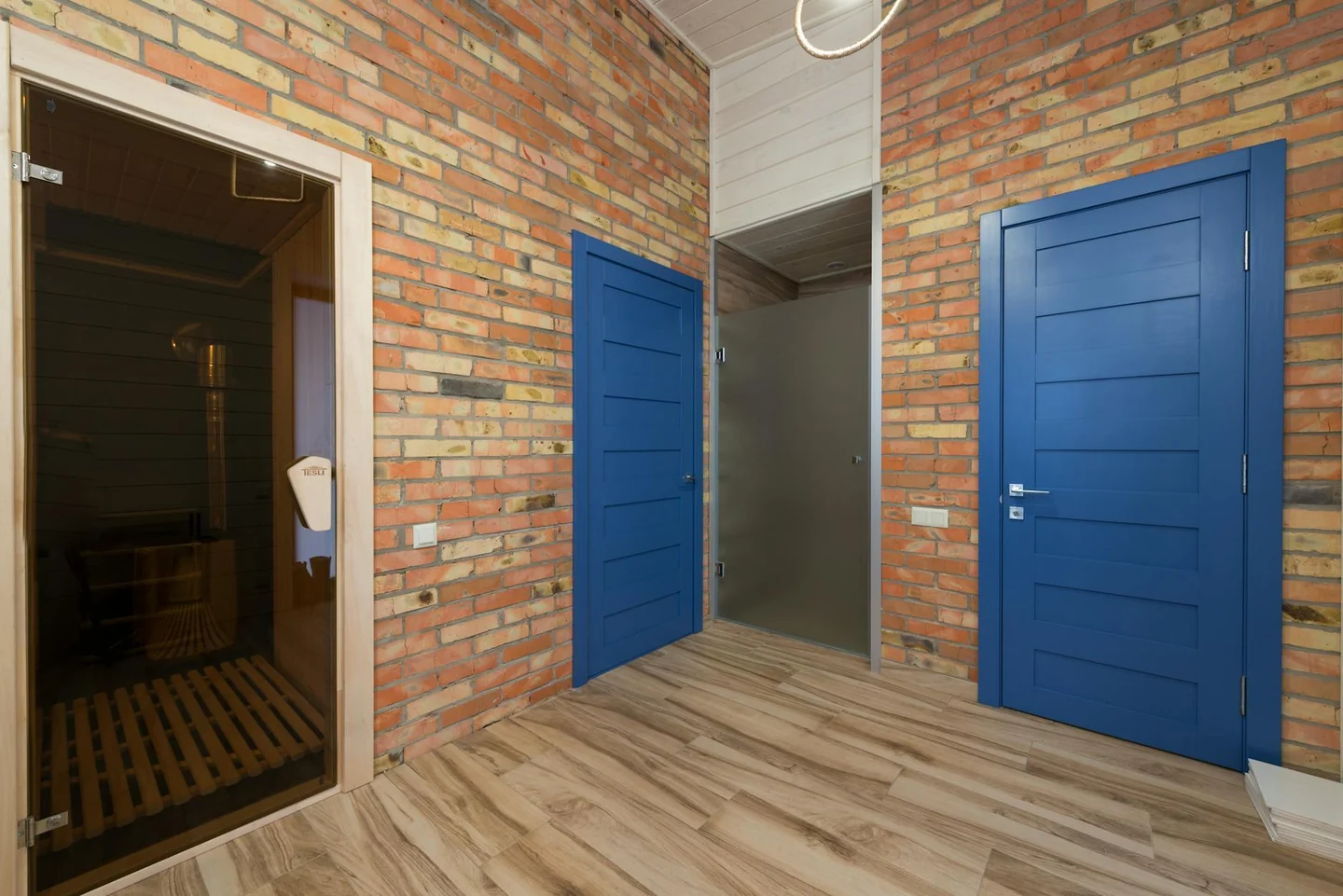
Imagen: Max Vakhtbovych / Pexels
Sauna has evolved from a spa luxury to a common tool in gyms, sports centers, and endurance athletes’ routines. For many runners, the interest is not in relaxation alone but in its effects on recovery, heat tolerance, and certain performance indicators. The available evidence points to concrete benefits, though not miraculous ones: the body responds to heat with a mild cardiovascular effort, increased sweating, and activation of adaptations useful in long races and demanding training sessions.
Its real value lies in being used with judgment. Poorly applied, sauna sessions can lead to dehydration, dizziness, or unnecessary fatigue; used wisely, they complement aerobic work and the cool-down phase. This subtle balance is key—not heat for heat’s sake, but what that heat does for runners of all levels—from trained athletes to amateurs preparing for a marathon in the Mediterranean summer.
What heat does to a runner’s body
A sauna session raises heart rate, increases body temperature, and activates the circulatory system similarly to light or moderate exercise. While it is not running itself, the body must redistribute blood toward the skin to dissipate heat, sweat intensely, and sustain this response without movement. This combination triggers adaptation mechanisms valuable to endurance athletes, especially those accumulating many kilometers.
Heat acts as a controlled stress load. The body adapts to prevent overheating by improving temperature regulation, expanding plasma volume, and sustaining effort better in warm environments. In long races, where cardiac drift and dehydration can impair performance, these adaptations can make a practical difference. Sauna use complements aerobic training rather than replacing it.
From a cardiovascular perspective, frequent sauna bathing has been linked in observational studies to lower heart disease risk and reduced overall mortality. Heat causes vasodilation, improves circulation, and repeatedly stimulates the cardiovascular system. Although this is not a medical shortcut, it helps explain why sauna habits have gained popularity among athletes and non-athletes alike.
For runners, improved heat tolerance means less suffering in high humidity, radiant heat from the asphalt, or unexpectedly long runs on hot days. These benefits may not be immediate or spectacular but are measurable through reduced feelings of overwhelm, lower perceived exertion, and more stable physiological responses aligned with training.
Concrete benefits for runners
Muscle recovery and relaxation
One of the most cited reasons runners use the sauna post-training is muscle recovery. Heat promotes blood flow, increasing oxygen and nutrient delivery to tissues shortly after effort. It can reduce stiffness and heaviness from intervals, hills, or intense runs. While it does not erase muscle damage, it softens the transition from effort to rest.
Sauna also provides an environment of overall relaxation. After training, when the nervous system is still activated, the gradual drop in pace helps lower heart rate, slow breathing, and exit alert mode. For many athletes, this heat phase is less a technique than a recovery ritual—a quiet pause where the body shifts from asking to repairing.
Heat acclimation and performance
Heat acclimation is perhaps the most useful benefit for summer races or warm climates. Training or sauna sessions in high temperatures demand a more efficient thermoregulatory system. Repeated sauna exposure teaches the body to sweat better, maintain performance at the same temperature, and handle muggy heat with greater ease—a crucial advantage in the Comunitat Valenciana, where many popular races coincide with humidity and strong radiation.
Endurance performance may also improve. Studies with long-distance runners who completed 30-minute sauna sessions several times a week after workouts showed improvements in 5K times and endurance markers. The main mechanism is increased plasma volume, enhancing blood transport and supporting sustained effort. While these studies involve small groups and specific contexts, they offer valuable clues as to why many distance runners incorporate sauna into their routines.
Mental health benefits
Heat, stillness, and sensory absence make the sauna a decompression chamber for the mind. After hard workouts, this pause helps reduce mental activation, which is often overlooked in recovery discussions. Better sleep, lower tension, and a genuine sense of rest influence next-day performance. In endurance sports, quality sleep is nearly as valuable as a well-executed training session.
How sauna fits into a training week
The sauna works best as a post-exercise complement, not a substitute for training. Most runners use it after easy runs, long runs, or moderately loaded sessions to encourage adaptation and relaxation. Timing matters: entering the sauna before intense sessions can dull sensations, increase fatigue, and make workouts feel harder than necessary.
The post-workout window is ideal because the body is already warmed, with a slightly elevated heart rate and mild fluid loss. Adding a thermal stimulus then reinforces heat adaptations and extends physiological load without joint impact. The goal is not exhaustion but sufficient exposure to send the right signal. Like track workouts, more is not always better—excess exposure dilutes benefits.
Typical sauna sessions last between 10 and 20 minutes, with some experienced runners reaching 25 to 30 minutes. Starting gradually and allowing tolerance to build naturally is advisable. Perceived heat, heart rate, and dizziness should guide duration more than fixed times. Listening to the body prevents sweat from shifting from an adaptive signal to a warning sign.
The type of training week matters. If a runner is carrying heavy training loads, performing demanding intervals, or stringing together tough days, sauna sessions may add too much physiological stress. Consequently, sauna fits better in base phases, heat-acclimation blocks, or weeks without a focus on absolute freshness. Balance is essential: what looks beneficial on paper can become detrimental if combined with poorly distributed training loads.
Types of saunas and their impact
Not all saunas provide the same experience or tolerance levels. The classic dry sauna features high temperatures (typically 70–90°C) with low humidity and is most associated with traditional sports use. Steam saunas operate at lower temperatures but have high humidity, producing a denser, stickier heat sensation. Infrared saunas heat the body more directly at lower air temperatures, allowing slightly longer sessions for some users.
The body’s response varies with sauna type, but in all cases, prudence is paramount. Leaving early is not failure; it is responding to fundamental physiological signals.
Hydration, electrolytes, and avoiding common mistakes
Dehydration is the easiest risk to underestimate. Runners already lose fluids during exercise, and sauna sessions add extra sweating that decreases circulating blood volume, potentially causing dizziness, headache, or weakness—symptoms incompatible with effective recovery.
Hydration before and after sauna use is as important as session duration. It is not enough to rehydrate quickly upon exit; gradual fluid replacement over hours is more effective. In very sweaty sessions, electrolyte supplementation is advisable because sweat removes not only water but also sodium and other minerals. Failure to replace these can slow recovery and cause post-exercise weakness.
Summary of best practices and realistic expectations
- Use the sauna primarily after training or on easy days—not before intense workouts.
- Start with 10–20 minute sessions, adjusting based on tolerance and heat perception.
- Hydrate well before, during (if possible), and after sauna sessions; consider electrolytes when sweating heavily.
- Integrate sauna use within a balanced training plan, avoiding overload during heavy training blocks.
- Recognize that sauna complements but does not replace training; benefits accrue over time with consistent use.
- Choose the sauna type that best fits your comfort and goals, respecting your body’s signals.
In conclusion, sauna use is a valuable tool for runners seeking improved heat tolerance, enhanced recovery, and mental relaxation. When integrated thoughtfully into training routines, it supports cardiovascular health and endurance performance, especially for those preparing for races in warm or humid environments. The key lies in moderation, timing, and listening to the body.



How to prevent thigh chafing: causes and real solutions

Women’s running windbreakers: seven jackets and how to choose

Do more workouts get rid of soreness? A guide for runners

Jaén Half Marathon 2026: Record 3,800 Runners Registered

Men’s short running tights: how to choose the right pair

World Triathlon confirms data breach involving medical data

Izan Edo targets podium at Miyazaki World Cup

María Pérez ranks ninth in World Athletics’ 2026 top ten

Dos Santos, Duplantis and Sawe: World Athlete of the Year finalists

San Silvestre Vallecana 2026: 42,000 places, prices and start times

 Races3 months ago
Valencia Half Marathon 2027: date and registration

 Races3 months ago
Valencia Marathon 2026: entry, ballot and course

 Reviews and Comparisons4 months ago
Asics Gel-Roadmiles 3 for men: review and current price

 Reviews and Comparisons4 months ago
Asics Gel Sonoma 8 Gore-Tex: complete analysis for trail and rain

 Sneakers3 months ago
Saucony Endorphin Pro 4: full review and verdict

 News5 months ago
Strava API 2026: what changes for clubs, challenges and runner apps?

 Reviews and Comparisons5 months ago
Nike Alphafly 3: opinions, sensations, and real key points

 Reviews and Comparisons4 months ago
Under Armour running shoes review 2025-2026: models and key features

 Sports Equipment4 months ago
Shoe sizes in cm: a clear guide to getting the right fit for your footwear

 Sneakers3 months ago
Skechers GO RUN Consistent 2.0 analysis: comfort and limits

 News5 months ago
Valencia Marathon 2026 route: key tips to train and run better

 Sneakers4 months ago
Adidas Adizero Boston 13 for men: review and verdict