Health and Nutrition
Top-of-foot pain without visible swelling: causes and how to assess it
Causes of pain on top of the foot without swelling and what to check: footwear, tendons, nerves, and when medical evaluation is needed.

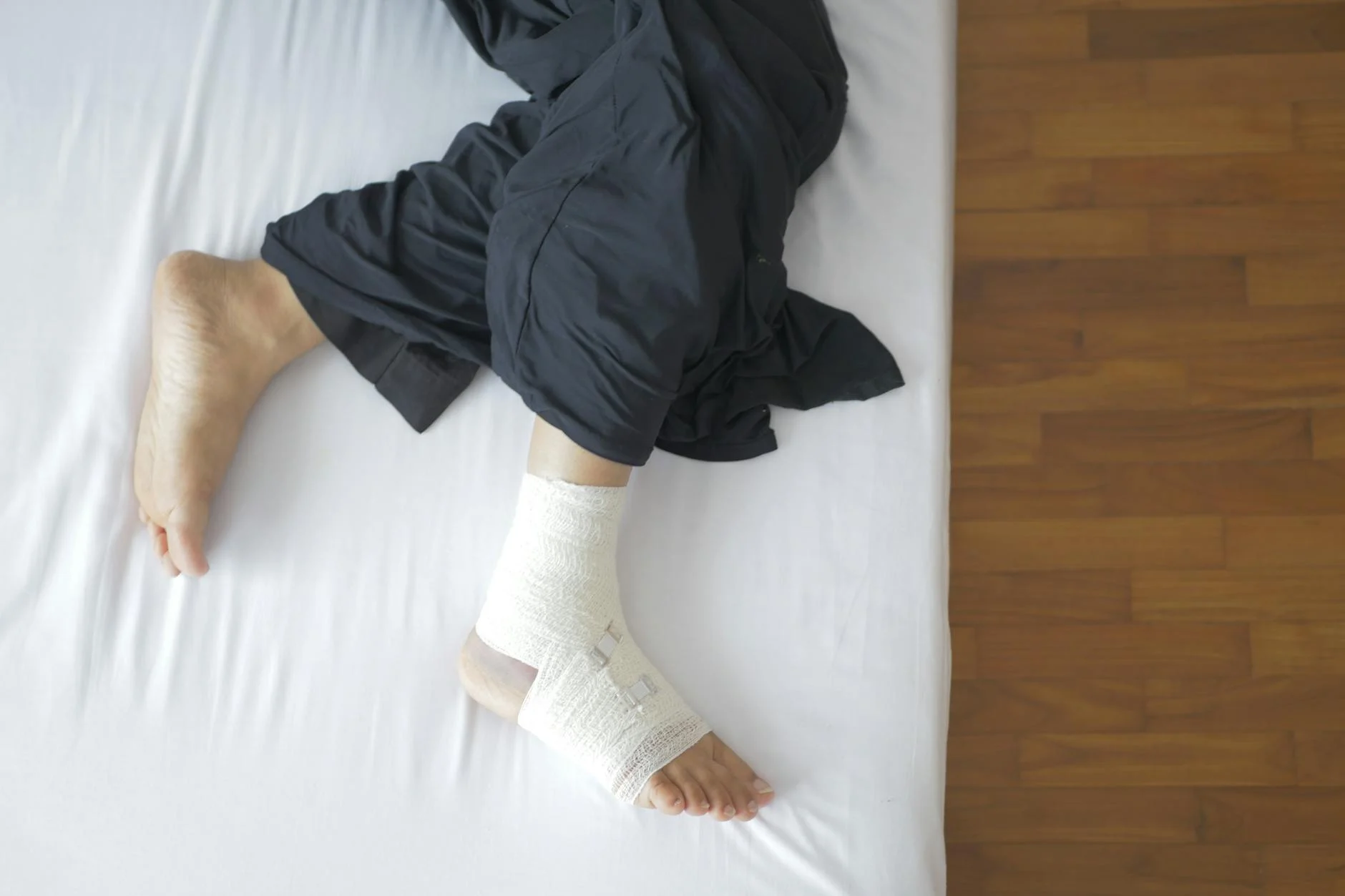
Top-of-foot pain without visible swelling often follows a very specific pattern: it is noticeable when walking, running or wearing a certain type of footwear, but the area does not look red or clearly swollen. This combination confuses many people, because we tend to associate joint or soft-tissue pain with external signs such as heat, redness or increased volume. However, the top of the foot contains structures that can become irritated or compressed without the body showing obvious inflammation.
that can become irritated or compressed without the body showing obvious inflammation.
The top of the foot is an anatomical crossroads: tendons that lift the foot, nerves that provide sensation and structures that connect the bones to one another all pass through it. When any of these components is overloaded, rubbed or compressed, a sharp, burning or even cramp-like discomfort may appear. And importantly, when there is no swelling, diagnosis relies more on the type of pain, its precise location and the factors that trigger it.
This article reviews the most common causes of pain in the upper part of the foot, which clues help distinguish between them and how treatment is usually approached. It also explains warning signs that should not be overlooked when medical assessment is needed. The aim is not to replace a consultation, but to offer a useful mental map for understanding what may be happening.
What is in the top of the foot and why can it hurt without swelling?
The top of the foot, the area between the toes and the ankle, is made up of a relatively small but highly active structure. It contains the metatarsals, a group of long bones, as well as proximal phalanges that contribute to the mechanics of the front of the foot. On top of this framework, different tendons and ligaments support movement and stability.
Among the structures most relevant to top-of-foot pain are the extensor tendons, which allow the toes to be lifted, and the tibialis anterior tendon, which is essential for dorsiflexion—in other words, bringing the front of the foot upward. If these tendons become irritated by repeated loading or poor alignment, they can hurt when the foot is used. Tendon pain is not always accompanied by visible swelling, especially in the early stages or when irritation is more prominent than an intense inflammatory response.
In addition, the top of the foot is supplied by nerve branches that provide sensation. A nerve can become irritated through compression, rubbing from footwear or certain sustained postures; the result may be electric pain, burning, tingling or abnormal sensitivity to touch. In these cases, there does not have to be a lump or a change in volume, because the problem may involve nerve function rather than tissue that is swelling.
The most common causes when the upper part of the foot hurts and there is no swelling
When the top of the foot hurts but does not look inflamed, several possible causes come up repeatedly in consultations. The first major group is usually overuse and overloading: the tissue is experiencing microstress, but has not yet reached the point of obvious inflammation. The second group concerns footwear and the mechanics of the foot strike: localized pressure, not enough room in the toe box or a sole that does not provide the right support. The third includes nerve problems and certain bone or joint injuries that may begin with focal pain without major visible signs.
In running and during long walks, it is common for the top of the foot to complain when intensity is increased abruptly or when training takes place on hard surfaces. This context can increase the demands placed on the extensors and also change the way the foot absorbs impact. Instead of swelling, a more “load-related” pain appears, becoming more bothersome during exertion and improving with rest. The most useful clue is often the direct relationship with use.
Footwear is another everyday factor. A shoe that is too narrow can compress the top of the foot; a rigid upper or internal seams can cause rubbing; and a toe box that does not leave enough room can affect the top of the foot even when there are no obvious marks. Sometimes, pain when putting the shoe on and relief when taking it off provide a fairly clear indication. When footwear is part of the problem, the pattern is often reproducible.
Overload and fatigue in the tendons and tissues of the top of the foot
Overload occurs when demand exceeds the body’s ability to recover. It can happen because of changes to a training plan, going from occasional walking to running frequently, or adding hills or sprints without adjusting progression. Spending many hours standing also plays a role, because the extensors and muscles of the foot constantly make adjustments to maintain balance. In these situations, the top of the foot may hurt as a dull or sharp discomfort, with tenderness to touch but no clear increase in volume.
Muscle fatigue is not always visible. It is like asking a hinge to respond more quickly and more frequently: at first it “responds,” and then it starts to protest. With rest, the pain decreases; when activity resumes, it returns. If the cause is mechanical and there is no infection or serious injury, gradual improvement usually follows a reduction in load and better recovery. How the pain evolves over time is a diagnostic clue.
To get a better sense of what is going on, observe whether the pain is concentrated in one specific spot or is more diffuse. The extensor tendons often complain during certain toe movements or when lifting the front of the foot. The tibialis anterior tendon, besides functioning in dorsiflexion, can cause discomfort in the front of the ankle and extend toward the top of the foot in some cases. The specific movement that makes the discomfort worse helps pinpoint its origin.
Footwear that compresses or rubs: pressure on nerves and tendons
Footwear can be the trigger even without inflammation. If the top of the foot feels tight, especially where the shoe tongue or upper straps press, the pain may result from tendon compression or irritation of nerve endings. Often, the problem is not noticeable during the first few minutes but appears after wearing the shoe for longer or increasing the pace. A narrow toe box can affect exactly where the foot bends when it bears weight.
In running shoes, a sole that does not absorb impact well or transmits vibration can increase the work performed by the tissues on the top of the foot to stabilize themselves. In addition, if the laces are tightened too much, the top of the foot loses space and the tissue becomes trapped between the tongue and the upper layers. The result may be pressure-like pain, a stabbing sensation or even tingling. Neurological and sensory symptoms often point to irritation from compression or rubbing.
Socks also play a role. Thick seams or materials that retain heat can increase sensitivity and rubbing, especially in feet that are prone to irritation. If this is combined with elevated heels or sudden changes in height and support, the distribution of forces in the forefoot changes and the top of the foot pays the price. Many top-of-foot complaints disappear when the fit is corrected.
Morton’s neuroma and pain referred toward the upper part of the foot
Morton’s neuroma is frequently associated with pain between the toes, often between the third and fourth. However, the pain can radiate toward the front of the foot and may even be felt on the top of the foot, especially when wearing tight footwear. It is caused by thickening and irritation of a digital nerve due to chronic compression. Although there is not always visible inflammation, the pain can be sharp or burning and may be accompanied by the sensation of having a small stone in the shoe.
A common feature is that the pain worsens with narrow shoes or long walks and improves when the footwear is removed or the way the foot bears weight is changed. Sometimes it is accompanied by numbness or tingling in the toes, although this does not have to occur. When the discomfort has an electric or burning quality, nerve involvement becomes more likely.
In the top of the foot, this possibility can go unnoticed if one focuses only on looking for a lump. That is why the description of the pain and its relationship with the type of shoe are key. If this pattern is identified and persists, assessment by a professional can help confirm whether the problem is in fact a neuroma or another nerve- or tendon-related cause.
Peroneal nerve compression or similar nerve irritation
Nerves that provide sensation run through the upper part of the foot. When a nerve is compressed or irritated, the pain may be described as burning, stabbing or electric shocks. This type of discomfort is usually less “muscular” and more like a “nerve signal,” and it can occur without external signs. It may also change with sustained postures, such as crossing the legs, or with the way the top of the foot is tightened inside the shoe.
Compression may be caused directly by footwear, repeated minor trauma or pressure on certain areas. Sometimes the culprit is not only the shoe, but also the way a person sits or bears weight during the day. If the top of the foot feels sensitive to touch along a specific strip, or if the pain is accompanied by tingling, this possibility should be considered. The absence of inflammation does not rule out a neurological problem.
Another useful detail is the rhythm of the pain. Purely mechanical problems tend to follow the load more strictly and usually improve with complete rest. Nerve problems may fluctuate even at rest, and the pain can become more intense or sudden at certain moments.
Extensor or tibialis anterior tendinitis in its early stages
Tendinitis is usually associated with inflammation, but in its early stages or in mild cases, pain may be the main symptom. Inflammation can be subtle and not noticeable to the naked eye. If the problem affects the toe extensors, the top of the foot may hurt more when trying to lift the toes upward or when walking with a weight-bearing phase that places excessive demands on this action. In the case of the tibialis anterior, pain may coexist with discomfort in the front of the ankle and extend toward the top of the foot.
In consultations, it is common for patients to report an increase in activity or a change of footwear. At first, it may be a discomfort that does not limit them very much, but over the days it becomes more persistent. Pain related to a specific movement suggests tendon involvement.
Persistence without improvement despite reducing the load, or progressively worsening pain, makes an assessment advisable. With tendons, the sooner the mechanical factor is corrected and appropriate rehabilitation is prescribed, the easier it is to recover without lasting problems. In the absence of visible inflammation, the aim is to identify the functional cause before the problem becomes chronic.
Stress fractures: pinpoint pain without swelling can also be a sign
Stress fractures are small bone injuries caused by repeated loading. In the top of the foot, the metatarsals can be affected by repeated impacts or rapid increases in training volume. What matters here is that there may be no obvious swelling at first. The pain is usually gradual, worsens with activity and produces a very tender spot when pressed. It may improve with rest and return when running or walking begins again.
This pattern is not exclusive, but it is an important warning sign. If the pain is precisely localized and the person notices a spot that hurts a great deal when touched, this possibility should be considered. Ignoring a stress fracture can prolong recovery and even worsen the injury.
Confirmation usually requires a clinical examination and, depending on the level of suspicion, imaging tests. In some cases, X-rays may not be conclusive at first; for this reason, the decision to order an MRI or ultrasound depends on clinical judgment and how the condition evolves.
Arthritis or osteoarthritis in the top of the foot: pain with stiffness, without major signs
The top of the foot also contributes to joints in the midfoot and forefoot. Some joint conditions can cause pain without obvious acute inflammation. Osteoarthritis, for example, may appear as morning stiffness or pain that worsens with movement and improves when the foot is relaxed. Sometimes the area feels “tight” rather than swollen. Stiffness and the pattern of pain throughout the day point toward a joint-related origin.
In certain types of arthritis, the condition may include flare-ups with more pronounced inflammation. But in the early stages or in less acute presentations, pain is the first complaint. In addition, biomechanical changes in the foot, together with wear and tear, can increase the load on the top of the foot when walking.
If the pain is accompanied by a feeling of cracking or grinding, restricted movement or persistent discomfort even at relative rest, it deserves an evaluation. Not because it is always serious, but because treatment changes according to the cause: an irritated tendon is one thing, while a joint with wear and tear or underlying inflammation is another.
How to guide the diagnosis: signs that matter more than appearance
With a problem such as top-of-foot pain without obvious inflammation, appearance is not the deciding factor. What usually carries more weight is the patient’s account and the findings from the examination. That is why it is useful to focus on details such as the type of pain. If it feels like a stab, burning or electric shock, nerve irritation is considered. If pain mainly occurs with weight-bearing and a specific movement, the focus may shift toward the tendons or biomechanics. And if the pain is highly localized and increases when a particular spot is pressed, a bone injury must be ruled out. Describing the pain speeds up the process of identifying the most likely cause.
When it started also matters. Sudden pain after a sharp increase in activity or following a blow suggests an immediate mechanism. If it has been present for weeks and is progressing slowly, overuse or a stress fracture become more likely. In the first case, adjusting the load and footwear may be enough; in the second, it is not advisable to delay diagnosis if the pain does not settle. The duration and progression of the pain matter just as much as its location.
The influence of footwear often serves as a daily “test.” If the pain clearly improves with different footwear, the likelihood of compression or rubbing increases. If, on the other hand, it appears with every shoe and continues even when activity is reduced, the investigation needs to be broadened. In addition, tingling or numbness in the toes or on the top of the foot points toward a nerve component.
Examination and tests: what a professional usually does
The usual assessment begins with a detailed interview: what the pain feels like, exactly where it is, what makes it worse and what relieves it. Questions are also asked about recent changes in physical activity, training surface, type of footwear and any previous injuries. In people with diabetes, circulatory problems or a history of arthritis, greater attention is paid because the foot may respond differently to overload. Medical history changes the diagnostic reasoning.
Next comes the physical examination. The posture and alignment of the foot are observed, the top of the foot is palpated, and the range of motion of the ankle and forefoot is assessed. Basic neurological tests are also often performed to check sensation and rule out nerve compression. If the gait or the way the foot bears weight appears altered, this is incorporated into the plan because forces reach the top of the foot as a result of the body’s mechanical choices. Examination is essential when there are no visible external signs.
Depending on the suspected cause, imaging tests may be ordered. X-rays are useful for some bone injuries and for detecting signs of osteoarthritis or more obvious fractures. MRI is especially valuable for soft tissues and stress fractures in their early stages, as well as tendon problems. Ultrasound can help assess tendons and superficial structures, and in nerve problems it can be useful when thickening or altered tissue is present. In specific cases, electromyography and nerve conduction studies may be considered if the neurological component is the main concern.
Which treatments usually work depending on the cause
The treatment approach depends on the source of the problem. In pain caused by tendon overload or mechanical adjustments, changing habits is central: temporarily reducing the load, correcting technique if necessary and restoring mobility and strength through rehabilitation. When irritation is caused by footwear, treatment involves finding a fit that does not compress the top of the foot and avoiding seams or tongues that rub. The goal is to remove the stimulus that keeps the discomfort going.
Physical therapy usually includes stretching and strengthening exercises. For the foot and lower leg, flexibility in the calf muscles and related areas is addressed, because a tight calf alters mechanics and increases demand on the top of the foot. The intrinsic muscles of the foot and coordination are also strengthened to stabilize the foot strike. In some cases, manual techniques are used to reduce local tension. When rehabilitation is properly planned, pain usually responds better than it does to rest alone.
When it comes to footwear, the most effective option is a fit that leaves room over the top of the foot while providing adequate support. Insoles may be useful if there is a high arch or flat foot with altered pressure distribution. They are not always necessary, but when the problem is biomechanical, an orthotic can reduce the load on the exact point that hurts. An insole will not cure the problem on its own if the cause is nerve-related or a fracture, but it helps when the mechanics require it.
For pain control, a professional may consider analgesics and, in some cases, nonsteroidal anti-inflammatory drugs. The general recommendation is to use them under medical guidance, especially if there is a gastrointestinal or kidney history or if the person takes anticoagulants. The aim is not to mask the symptom indefinitely, but to allow the person to move with less pain while the cause is corrected.
In selected situations, if tendinopathies, neuromas or other specific causes persist, guided injections may be considered when the specialist deems them appropriate. And in serious or treatment-resistant problems, surgery may be an option, but it is not usually the first step. The logic is clear: first, the source is identified and conservative treatment is attempted.
What to do day to day when the top of the foot hurts and is not swollen
In real life, the first step is usually to observe the pattern and adjust what is within your control: activity, footwear and daily load. If the pain appears during training, reducing volume or switching to lower-impact activities may help while the cause is clarified. If the pain arises with very tight shoes, correcting the fit will often improve the condition. After all, the top of the foot is designed to function, but not to be repeatedly compressed. Adjusting the stimulus is part of treatment, even before a definitive diagnosis is available.
A common mistake is to keep pushing through the pain to the limit as if it were simply something to get through. An irritated tissue performs less effectively as the load is repeated. If the pain does not improve or worsens within a few days despite reducing the stimulus, it is best to stop improvising and seek an assessment. It is also important to avoid excessive stretching if the pain is very sharp and localized, because some injuries require relative rest and progressive rehabilitation. Caution is not fear: it is a strategy to prevent the problem from becoming chronic.
As for home measures, relative rest and changing footwear are the most sensible options. Some people find cold soothing when the pain is recent and caused by irritation, while others prefer heat when muscle stiffness predominates. But if neurological symptoms such as persistent tingling appear, or if the pain becomes concentrated in one spot and continues to intensify, the next step should be a clinical evaluation.
When it is time to consult a professional
There are signs that should not be minimized, even when there is no swelling. If the pain lasts longer than a week or two without a clear trend toward improvement, limits walking or climbing stairs, or becomes progressively more intense, a check-up is recommended. This is especially important for athletes who increase their training volume: an ignored complaint can become more complicated. Time is not on your side when pain does not improve with reasonable adjustments.
A consultation is also a priority if there is highly localized pain with tenderness to touch suggesting a bone injury, if persistent tingling or electric shocks appear and point to nerve involvement, or if the pain begins after a direct blow. In people with diabetes or sensory problems, any change in the foot should be assessed more cautiously because injuries may progress silently. Neurological symptoms and suspected bone injuries justify early assessment.
If the pain is accompanied by fever, progressive redness, a wound or unusual discoloration of the foot, the situation changes and medical attention should be sought more urgently. Although this article focuses on the absence of visible inflammation, the appearance of systemic symptoms or skin changes should change the priority. The absence of swelling at the beginning is not a guarantee that the problem is harmless.
A key point to consider: the foot gives you warning signs even when nothing is visible
The top of the foot is an area that works like a finely tuned mechanism: tendons that create tension and control movement, nerves that transmit information and joints that adjust motion. That is why pain in this region can appear without external signs as clear as swelling. What can be seen does not always reflect what is being affected underneath.
Understanding the pattern of the pain, its relationship with footwear and how it responds to changes in load helps you make better-informed decisions and avoid both alarmism and resignation. If the pain persists, intensifies or takes on a nerve-like or highly localized character, it is worth seeking an assessment to reach a more precise diagnosis. The foot does not hurt for no reason: it is usually signaling overload, irritation or compression that can be corrected.
Medical reference: Foot pain, MedlinePlus (U.S. National Library of Medicine).



How to prevent thigh chafing: causes and real solutions

Women’s running windbreakers: seven jackets and how to choose

Do more workouts get rid of soreness? A guide for runners

Jaén Half Marathon 2026: Record 3,800 Runners Registered

Men’s short running tights: how to choose the right pair

World Triathlon confirms data breach involving medical data

Izan Edo targets podium at Miyazaki World Cup

María Pérez ranks ninth in World Athletics’ 2026 top ten

Dos Santos, Duplantis and Sawe: World Athlete of the Year finalists

San Silvestre Vallecana 2026: 42,000 places, prices and start times

 Races4 months ago
Valencia Half Marathon 2027: date and registration

 Races4 months ago
Valencia Marathon 2026: entry, ballot and course

 Reviews and Comparisons4 months ago
Asics Gel-Roadmiles 3 for men: review and current price

 Reviews and Comparisons4 months ago
Asics Gel Sonoma 8 Gore-Tex: complete analysis for trail and rain

 Sneakers4 months ago
Saucony Endorphin Pro 4: full review and verdict

 News5 months ago
Strava API 2026: what changes for clubs, challenges and runner apps?

 Reviews and Comparisons5 months ago
Nike Alphafly 3: opinions, sensations, and real key points

 Reviews and Comparisons4 months ago
Under Armour running shoes review 2025-2026: models and key features

 Sports Equipment4 months ago
Shoe sizes in cm: a clear guide to getting the right fit for your footwear

 Sneakers3 months ago
Skechers GO RUN Consistent 2.0 analysis: comfort and limits

 News5 months ago
Valencia Marathon 2026 route: key tips to train and run better

 Sneakers4 months ago
Adidas Adizero Boston 13 for men: review and verdict