Health and Nutrition
Why do my heels hurt when running? Causes and relief
The heel hurts for several common reasons: fascia, Achilles tendon, overuse, or footwear. Key signs to recognize it.

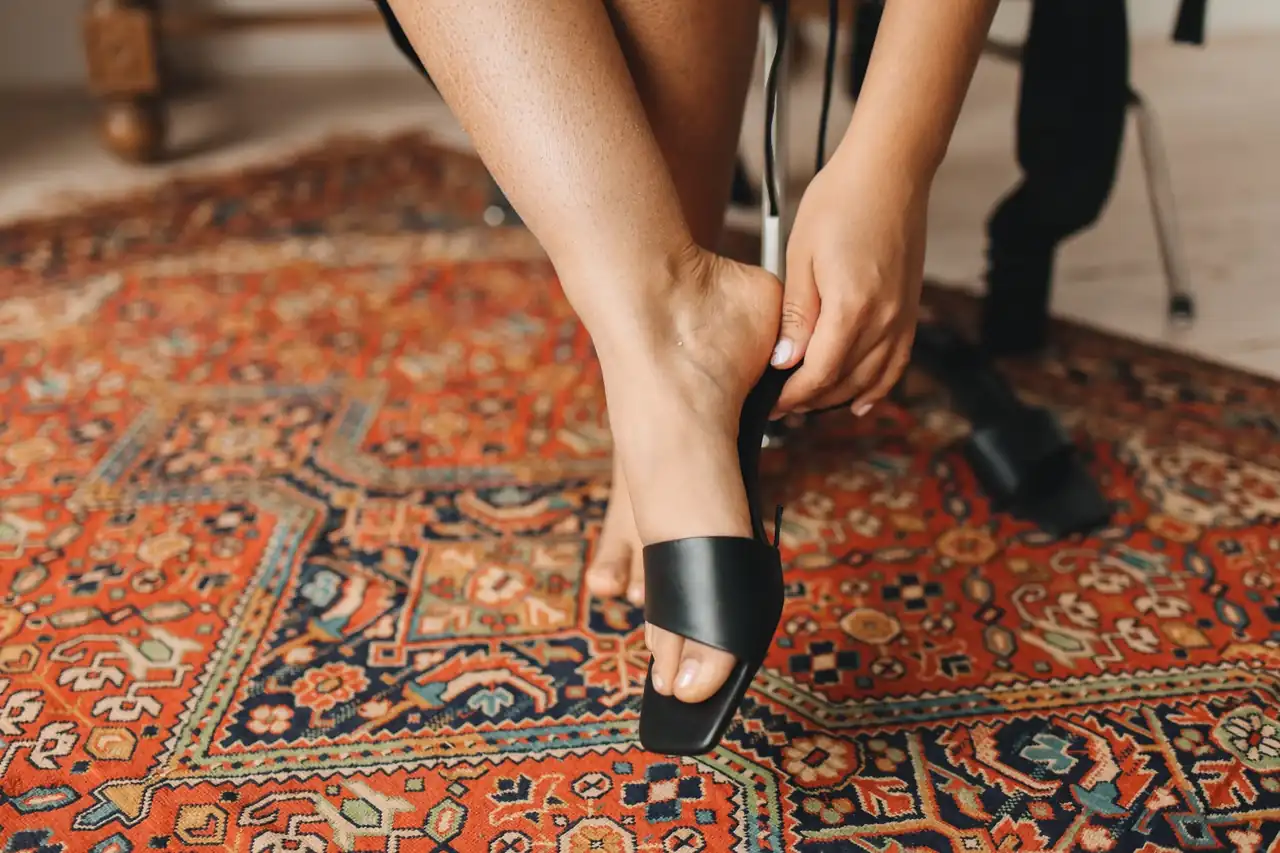
Heel pain rarely appears by chance. For runners, it can signal that a structure under repeated load, such as the plantar fascia, Achilles tendon or calcaneus, is under too much pressure. It may feel like a sharp stab when you land, stiffness during your first steps in the morning, or a burning sensation that builds with each stride.
The location of the pain gives many clues. It is not the same to notice discomfort under the heel, at the back, on the side, or in both feet. Each area points to different problems, and that detail, which may seem minor, completely changes the approach. The moment it appears also matters: when getting up, while running, after training, or after a long day in unsupportive footwear.
The heel area bears more work than it seems
The heel is a cushioning structure, but not an invulnerable one. Every time the foot lands, that area absorbs impact and redistributes forces to the rest of the sole. If the load is repeated thousands of times, as happens when running or walking for hours, the tissues can become irritated. It is a simple mechanism: the more stress the area accumulates, the more likely pain is to appear.
In running, the problem usually becomes visible when several factors coincide at once: a sudden increase in mileage, changes in surface, worn-out shoes, lack of rest, or a technique that punishes the rearfoot more than it should. Outside sport, the same script plays out with a different backdrop: long shifts on your feet, excess weight, poor arch support, or rigid, narrow footwear.
That is why the heel usually does not hurt for just one reason. In many cases, the body adds up small loads until the alarm goes off. The symptom, then, is not an isolated failure but the visible result of accumulated wear that is worth reading before it becomes persistent.
The most common causes behind the pain
Plantar fasciitis is the most frequent cause. The plantar fascia is a thick band of tissue that runs along the sole of the foot and helps support the arch. When it becomes inflamed or irritated by overuse, it usually causes a very typical pain in the inner and lower part of the heel. The classic hallmark is the first step in the morning, that moment when the foot seems to protest with a brief stab before gradually loosening up خلال the day.
Very close to that story is the heel spur, a bony formation at the base of the heel that is often found in people with fasciitis, although it is not always the true cause of the pain. Having a spur does not automatically mean it hurts. The X-ray may show it, yes, but the important symptom is still the irritated soft tissue around it.
The Achilles tendon is also frequently involved. When its insertion into the calcaneus becomes inflamed or chronically degenerated, the pain is usually felt behind the heel, especially when starting to walk, going uphill, or picking up the pace. In runners, the discomfort may appear as tightness that becomes sharper when training intensifies or when the calf is overly loaded.
Another very common cause is bursitis, an inflammation of the small sacs that reduce friction at the back of the heel. It usually hurts more with shoe rubbing, when pressing on that area, or when staying active for a long time. It is a more superficial pain, sometimes accompanied by visible swelling, as if the shoe were touching a very sensitive area.
Stress fractures can also be involved, less common but important, especially in athletes who have increased load too quickly. Here the pain is usually more persistent, worsens with impact, and does not always fully improve with short rest. In people with weakened bones or a high training volume, this diagnosis deserves attention because it completely changes the recovery plan.
Neurological and systemic causes complete the picture. Nerve compression can cause burning, tingling, or an electric sensation in the heel; rheumatic diseases, gout, or certain inflammatory disorders can also trigger discomfort in the area. In active children and adolescents, Sever’s disease appears as heel pain associated with growth and repeated impact, especially during periods of heavy sports activity.
What the pain says depending on when it appears
The time pattern of the pain is almost as important as its location. If it hurts mainly when taking the first steps after sleeping or after sitting for a while, plantar fascia becomes more likely. If it flares up with running, hills, or at the end of an intense session, the Achilles tendon and mechanical overload become more suspect. If it appears when the shoe presses at the back, bursitis or Haglund’s deformity come into the picture.
When the discomfort comes and goes throughout the day, the body is usually warning of ongoing mechanical irritation. It is not unusual for the pain to lessen after a few minutes of gentle movement and then return more intensely if the load continues. That fluctuation, so typical of overuse processes, sometimes misleads the sufferer because it allows them to keep walking before the pain comes back again.
The heel can also hurt on both sides at once. This does not always mean something serious, but it does point to a more global cause: excess load, poor distribution of support, weight gain, or unsuitable footwear. When the pain is bilateral, a localized injury is usually less likely and the problem is more likely to lie in how the foot is being used every day.
The influence of footwear, weight, and habits
Footwear matters more than many runners want to admit. Shoes that are too worn out, with too little cushioning or a shape that pinches the back of the foot, can irritate the heel continuously. In summer, thin soles and flat flip-flops make matters worse because they leave the foot practically undefended against impact.
Body weight also matters. Every extra kilo increases the load that the heels and forefoot receive when walking. It does not take a large increase for it to be noticeable: the mechanics of support change and the soft tissues work harder than they should. In people with excess weight, the plantar fascia and Achilles tendon are often two of the most stressed structures.
Daily habits complete the circle. Spending a lot of time barefoot on hard surfaces, alternating sedentary periods with demanding workouts, or ignoring an early discomfort makes the problem more stubborn. Heel pain is often patient; it does not warn loudly from the first day, but grows through repetition.
How a reliable diagnosis is reached
Physical examination is usually the basis of the diagnosis. A professional checks where it hurts, which movements trigger it, whether there is inflammation, whether tenderness is concentrated in the inner or posterior part of the heel, and how the area responds to weight-bearing. That clinical conversation, brief but precise, often distinguishes plantar fasciitis from tendinopathy or bursitis.
In some cases, imaging tests are requested. X-rays help identify spurs, bone deformities, or fractures, while ultrasound can show thickening of the fascia, inflammation of the Achilles tendon, or fluid in a bursa. MRI is reserved for more difficult questions, suspected stress fractures, or cases that do not fully match what is expected.
The diagnosis does not depend on a single test, but on the full history. A heel that hurts when running, improves with rest, and worsens the next day is not interpreted the same way as one that hurts with fever, redness, or inability to bear weight. The context changes the meaning of the same discomfort a great deal.
What usually helps and what should not be rushed
The first measure is usually to reduce the load. That does not always mean stopping completely, but it does mean reducing impact, avoiding hills, decreasing running volume, or cutting standing time if work allows it. An irritated heel needs less pounding and more room for the tissues to recover.
Proper footwear can make a quick difference in some cases. A model with good cushioning, enough room, and a stable heel can unload the area considerably. Sometimes silicone heel cups, insoles, or small supports are added to redistribute pressure, especially if the pain is concentrated in the sole or if there is an altered gait pattern.
Stretching and rehabilitation help, but they are not magic. When the plantar fascia or Achilles tendon is irritated, a progressive program of mobility, strengthening, and calf and soleus work can be useful. The problem arises when it starts too aggressively or too soon. The area does not need heroics; it needs appropriately dosed load.
Ice can provide temporary relief in acute episodes, and anti-inflammatory medications, when indicated, help control pain. In very localized pain, some injections may be considered, although they are neither the first option nor the best one for every case. The key is not to let quick relief become an excuse to ignore the real cause.
When the pain stops being a minor annoyance
There are warning signs that call for a more serious look at the problem. Severe pain that does not ease, marked swelling, redness, local heat, tingling, fever, inability to bear weight, or discomfort that persists for more than two weeks without improvement are reasons not to let it slide. Any pain at the back of the heel that appears after a sudden increase in training or after a clear blow also deserves attention.
In runners, a common mistake is to confuse pain tolerance with absence of injury. Sometimes you can keep running for a few days despite fasciitis or tendinopathy, but the tissue remains inflamed and each session adds fuel. The result is predictable: more stiffness, worse performance, and a longer recovery.
Surgery is reserved for very specific cases. In heel pain, it is rarely the first option. It is only considered when there are structural injuries that do not respond to conservative measures or when the problem is clearly identified and has been blocking function for a long time. Most cases resolve without reaching that point, although not all do so at the same pace.
What most distinguishes a passing pain from an injury that needs control
The heel warns in many ways, but almost always logically. If the pain changes with load, improves with relative rest, and is linked to a recent change in activity, mechanical overload is likely behind it. If it appears with morning stiffness, the fascia takes center stage. If it is concentrated at the back and gets worse with footwear, the Achilles tendon or the bursa are usually on the map. If it hurts while walking even slowly and does not behave like a typical overuse injury, further investigation is advisable.
At its core, the heel acts like a very basic sensor: it collects the sum of impacts, rushes, and poor support. That is why pain in this area is as much about mechanics as it is about patience. It does not usually come from a single gesture, but from a chain of small gestures repeated over days or weeks.
Understanding that pattern is what prevents blind treatment. Sometimes the problem is in the fascia, other times in the Achilles tendon, a stress fracture, or nerve compression. Proper reading of the symptom, based on location, time of onset, and recent history, is what allows one to distinguish a passing discomfort from an injury that needs more than improvised rest.
How heel pain affects your running and what to do
When you run, your heel takes repeated loads with every foot strike. A sudden increase in mileage, more hills or intervals, a change of surface, insufficient recovery or heavily worn shoes may coincide with the onset of discomfort. That does not mean one factor is necessarily to blame. Look at what has changed in recent weeks and avoid adding more training load while the area is painful.
Notice where and when the pain occurs. Pain under the heel or during your first steps after getting up can make the start of a run difficult; pain at the back may become more noticeable on hills or when you pick up the pace. Also pay attention to whether it worsens during a session, starts earlier in each run or lingers afterwards. Keep track of these changes and whether walking or standing also makes it worse.
If the pain is mild and does not increase, consider temporarily shortening and easing your runs, skipping hills and speed work, and resting or choosing an activity that does not provoke symptoms. Do not make up for a missed session or keep running in the hope that worsening pain will “warm up”. Check that your shoes fit and are not excessively worn, but avoid abrupt footwear or running-form changes as a quick fix. If the pain persists or worsens, there is significant swelling, or bearing weight is difficult, consult a healthcare professional before returning to your usual training load.
The heel speaks before giving out
Heel pain is not a minor detail of the foot. It can stop walks, break training sessions, and turn a simple act like getting out of bed into a small test of endurance. But that is precisely its value: it points to the problem before it has a chance to grow fully.
Most cases have a mechanical explanation and a conservative solution, although not an immediate one. Changing support, reducing load, reviewing training, and giving the tissues time is usually more effective than enduring it through resignation. When the pain persists, changes in character, or appears with other symptoms, clinical evaluation is no longer optional and becomes the sensible way to organize the problem.
The heel usually does not ask for miracles; it asks for correct interpretation and time. Those who read its signals well usually reach relief sooner and, above all, prevent a repeated annoyance from becoming a long-lasting injury.
You may also like: Heel pain in the right foot: causes, signs, and relief.
Medical reference: Heel injuries and disorders, MedlinePlus (U.S. National Library of Medicine).



How to prevent thigh chafing: causes and real solutions

Women’s running windbreakers: seven jackets and how to choose

Do more workouts get rid of soreness? A guide for runners

Jaén Half Marathon 2026: Record 3,800 Runners Registered

Men’s short running tights: how to choose the right pair

World Triathlon confirms data breach involving medical data

Izan Edo targets podium at Miyazaki World Cup

María Pérez ranks ninth in World Athletics’ 2026 top ten

Dos Santos, Duplantis and Sawe: World Athlete of the Year finalists

San Silvestre Vallecana 2026: 42,000 places, prices and start times

 Races3 months ago
Valencia Half Marathon 2027: date and registration

 Races3 months ago
Valencia Marathon 2026: entry, ballot and course

 Reviews and Comparisons4 months ago
Asics Gel-Roadmiles 3 for men: review and current price

 Reviews and Comparisons4 months ago
Asics Gel Sonoma 8 Gore-Tex: complete analysis for trail and rain

 Sneakers3 months ago
Saucony Endorphin Pro 4: full review and verdict

 News5 months ago
Strava API 2026: what changes for clubs, challenges and runner apps?

 Reviews and Comparisons5 months ago
Nike Alphafly 3: opinions, sensations, and real key points

 Reviews and Comparisons4 months ago
Under Armour running shoes review 2025-2026: models and key features

 Sports Equipment4 months ago
Shoe sizes in cm: a clear guide to getting the right fit for your footwear

 Sneakers3 months ago
Skechers GO RUN Consistent 2.0 analysis: comfort and limits

 News5 months ago
Valencia Marathon 2026 route: key tips to train and run better

 Sneakers4 months ago
Adidas Adizero Boston 13 for men: review and verdict