Sports Equipment
Anti-blister trail running socks: how to protect your feet in the mountains
The choice of sock matters as much as the shoe in the mountains: fabrics, fit, height, and reinforcements.

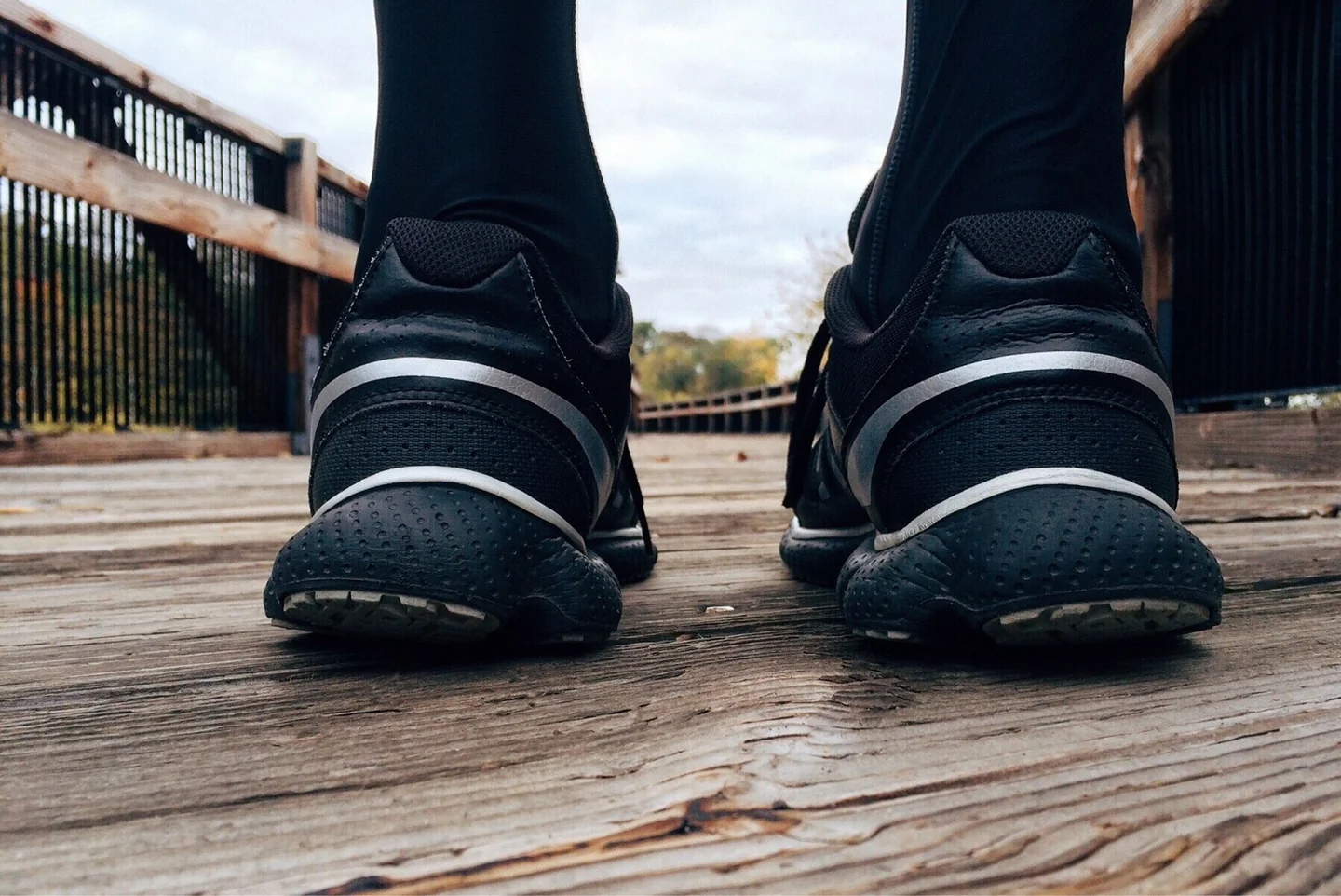
In trail running, the foot pays for every meter: moisture, loose stones, mud, long descents, and changes of pace turn any small friction into a blister capable of ruining a long outing. That is why the sock is not a minor accessory, but a technical piece that influences stability, ventilation, and the runner’s real protection.
Models designed for the mountains work on three fronts at once: reducing internal movement inside the shoe, wicking sweat away quickly, and protecting the areas that take the most punishment, such as the heel, toe box, instep, and arch. That combination makes the difference between finishing with your feet intact or with skin softened after a few hours of effort.
What really makes a trail sock blister-resistant
There is no single miracle technology. What protects the foot is usually the sum of a fast-drying fabric, a construction without annoying seams, and a fit that prevents folds. If the sock wrinkles, shifts, or traps moisture, the skin softens and friction appears easily, especially on long descents, when the foot is constantly braking inside the shoe.
In the mountains, terrain also changes the mechanics of the stride. A technical trail forces the ankle to constantly correct foot placement, and that microactivity is transmitted to the sock. That is why the most serious models incorporate strategic reinforcements and support zones in the midfoot or ankle, so the garment acts like a second skin and not like a loose piece that moves around inside the shoe.
Moisture is the silent enemy. Not just sweat, but also rain, morning dew, or puddles in a winter race. When the fabric retains water, weight increases, the foot gets cold, and the risk of chafing goes up. That is why technical trail socks use synthetic fibers designed to dry quickly and maintain a more stable feel during effort.
Materials that work best in the mountains
Polyamide, polypropylene, and elastane dominate this terrain for a simple reason: they combine durability, lightness, and elasticity. Polyamide provides durability and a fine feel; polypropylene helps wick away moisture; elastane allows the sock to regain its shape and hug the foot without constricting it. In some models, recycled yarns or antibacterial treatments also appear to control odor, although their presence does not replace good sweat management.
It is wise to be wary of cotton in trail running. Although it may feel pleasant in everyday use, it absorbs moisture and keeps it against the skin, exactly the opposite of what a runner who spends hours climbing and descending needs. The result may seem small at first, a feeling of heavy feet, a tiny wrinkle, but in the mountains that minimal friction ends up multiplying like a stone rolling downhill.
Thickness also matters. A very thick sock can provide cushioning, but it does not always protect better. If it takes up too much volume inside the shoe, it increases pressure on the foot and can worsen airflow. By contrast, a thin, well-constructed model can be more effective because it leaves room for the foot to settle without excess material or unnecessary seams.
Height, fit, and support: the three keys you notice during a race
Mid-calf socks remain the kings of trail running because they better protect against rubbing from vegetation, stones, and dust. They also help the garment stay stable when the ankle works at odd angles. On cleaner routes or in summer, some runners prefer lower versions, but in open mountain terrain the extra height usually pays off for pure functionality, not aesthetics.
The fit should be firm, not aggressive. A sock that is too tight can cut into comfort and leave marks, while a loose one creates folds. The arch area often incorporates an elastic band or gentle compression to support the midfoot and reduce micro-movement. That small, well-designed pressure has a huge effect: it prevents the garment from sliding with every step.
The correct size leaves no room for shortcuts. Going up a size to be comfortable can become a trap, because the extra material wrinkles in the toe box or heel. Nor is it wise to squeeze into a smaller size, since excessive tension eventually fatigues both the fabric and the foot. In trail running, fit precision is worth more than any generic promise of comfort.
The areas of the foot that suffer most on a long trail run
The heel and the toe box are the battleground. The heel absorbs the impact of every landing, and the toe box suffers when the runner brakes on technical descents. If the sock lacks reinforcements in those areas, the skin receives more pressure and more rubbing. A seamless toe, or one with a very flat seam, is one of the most valuable solutions for limiting heat and irritation.
The arch and the instep matter too. When the shoe presses on a damp area, friction appears as a vague discomfort, almost invisible at first, but constant. Technical models often add ventilation zones right there to improve airflow and lower the foot’s internal temperature, a simple strategy that usually works better than it sounds.
The ankles are not left out of the equation. In trail running, branches, rocks, and mud strike easily. A slightly higher sock protects the skin, but it also creates a barrier against small external aggressions. It is not armor, of course, but it is a useful layer that reduces scrapes and scratches for runners who spend many hours off the pavement.
What the specialized ranges of technical brands say
The most complete trail collections repeat a pattern: thin fabric, ventilation zones, reinforcements in critical points, and support elements in the midfoot or ankle. Some brands work with cushioning systems by density, others with more open knit structures on the instep and more compact ones under the foot. The goal is the same, even if the marketing language changes: minimize friction and keep the foot dry and stable.
In the market, you can find proposals with light compression, ultralight versions, and others that are more protective for ultras or long-duration training. Prices usually range, depending on technical level and materials, from about 15 to 32 euros per pair in the most visible ranges of the European market. That range does not by itself guarantee better performance, but it often reflects differences in construction, reinforcements, and finishes.
Internal grip technologies have also gained ground. Some brands add anti-slip bands or structures that hold the foot better inside the sock, not inside the shoe. It is a subtle but important difference: the less the skin moves relative to the fabric, the lower the risk of blisters. Friction always seeks the path of least resistance; good design interrupts it.
Models and use profiles that make the most sense
For short, fast workouts, thin socks with high breathability and almost imperceptible seams usually work best. They are less intrusive, weigh little, and feel comfortable when the runner prioritizes sensitivity underfoot. By contrast, for long runs or races with lots of elevation gain, models with extra reinforcement in the heel, metatarsal area, and toe box gain ground, because they better cushion repeated impact.
In ultras, sock performance is no longer judged only by initial comfort. What matters is how it responds after three, four, or six hours. That is where garments that keep their shape, do not give way with sweat, and do not create folds as the foot swells with effort stand out. Long trail running punishes stability more than speed, and the sock has to be ready for that slow wear.
The time of year changes the priorities. In summer, lightness and heat evacuation take precedence; in winter, thermal protection and effective drying. A model that is too dense can turn into a stove inside the shoe, while an extremely thin one may fall short on cold, wet routes. The best choice depends on the balance between climate, distance, and trail type.
Why blisters appear even with good shoes
A good shoe does not solve the problem on its own. If the sock retains sweat or shifts, friction will still be there. In addition, the foot expands with heat and effort, so a correct fit at the start can worsen as the kilometers go by. The runner who leaves with a feeling of perfect fit at the beginning may discover, two hours later, that a small wrinkle has become a painful spot.
Running technique on uneven terrain also plays a role. On descents, the foot hits the toe box more often; on climbs, pressure is concentrated and the instep may suffer more; on side slopes, the foot moves to seek balance. Each change increases the sock’s workload and, if it is of poor quality, the skin ends up paying the bill.
Blisters are not a minor detail. They can force you to change your stride, degrade running mechanics, and, in severe cases, cause a DNF. A problem that starts as a localized discomfort can end up reducing overall performance, because the body compensates for pain by loading other areas more than it should. In trail running, where wear and tear is already high, that alteration matters a lot.
How to read a technical sheet without getting lost in the noise
The most useful words on a label are usually simple: seamless, breathable, reinforced toe and heel, midfoot support, quick-drying, mid-calf or high cut. Those concepts describe real performance. By contrast, flashy names or visual references say little if they are not backed by coherent construction. A pretty sock can end up being an average one; a well-made one, on the other hand, goes unnoticed because it does its job.
The feel of the fabric also helps predict its behavior. A very plush fabric may offer initial comfort, but it does not always wick moisture better. A very smooth fabric usually dries faster, though it requires better reinforcements so it does not feel fragile. The key is to find a garment that combines softness, firmness, and ventilation without overdoing any single characteristic.
Durability deserves attention. A sock that loses elasticity after just a few washes stops supporting the foot and increases friction. The most consistent models keep their fit after repeated use, something especially important in trail running, where runners train frequently and subject their clothing to harsher washes because of mud and sweat. Real lifespan matters as much as the first impression.
What has changed in the real-world use of mountain runners
The trail runner no longer wants just coverage. They want precision. That is why more specific models have gained ground, with anatomically shaped design for the right and left foot, stability bands, and materials that provide a cleaner reading of the terrain. This evolution responds to a very simple fact: the better the sock performs, the less the runner thinks about their feet.
The perception of comfort has also changed. In the past, many runners accepted blisters as part of the price of effort. Today, with more information and more technical options, that resignation makes less sense. The right sock does not eliminate all trail problems, but it does remove a source of wear and tear that was too normalized. In a discipline where every detail counts, that is a lot.
The right choice does not always match the most expensive model. Sometimes a thinner, better-ventilated, and more stable garment is enough to notice a clear improvement. The real criterion is how the sock responds to the type of outing, the weather, and the terrain. In the mountains, where the body is already busy dealing with rocks, climbs, and descents, the foot appreciates anything that takes work away from the skin.
The foot as a working zone, not as a secondary piece
The mountain begins with contact with the ground. Before the runner thinks about heart rate, gels, or pace, the foot is already absorbing impact, moisture, and friction. The sock acts there as a first line of defense and, in a sense, as a small textile architecture. Well designed, it organizes the foot inside the shoe; poorly chosen, it multiplies the punishment of a long day.
That is why talking about trail socks with blister protection is not a matter of fashion or catalog language. It is about a garment that modulates temperature, rubbing, and stability with an effectiveness you can feel in silence. When a runner reaches the finish of a technical outing with their feet intact, they almost never think about the sock. And that is precisely where its value lies: in working without noise, like a discreet piece that prevents effort from turning into useless wear.
In trail running, the details rule. A flat seam, the correct size, a fiber that dries quickly, or a well-chosen cuff may seem like small nuances. On the trail, however, those nuances separate a protected foot from a punished one. And in a race where every step counts, that difference weighs more than the display window usually admits.
The balance that matters when the terrain gets tough
The best choice is the one you stop noticing. A good technical sock disappears from the runner’s awareness because it does not move, does not chafe, and does not trap moisture. That functional invisibility is its greatest virtue. In mountain races, where the landscape changes without warning and the body operates at the limit of its tolerance, reliable comfort is not imposed through grand gestures, but through a chain of small successes.
The logic is clear: if the sock controls friction, ventilation, and fit, the foot better preserves its integrity. That reduces discomfort, improves the feel of support, and helps sustain effort with fewer interruptions. It does not solve the harshness of trail running, but it does remove one of its most annoying consequences. And in a sport where mud, heat, and stone never give you a break, that relief is appreciated like a brief patch of shade on a midday climb.
Protection begins with the smallest things. Between rock and pace, between rain and descent, between rubbing and skin, the sock makes more of a difference than it seems. Anyone who has finished a trail run with intact feet knows that, many times, the difference was not in the shine of the most visible material, but in a discreet garment, well thought out and faithful to the terrain.



How to prevent thigh chafing: causes and real solutions

Women’s running windbreakers: seven jackets and how to choose

Do more workouts get rid of soreness? A guide for runners

Jaén Half Marathon 2026: Record 3,800 Runners Registered

Men’s short running tights: how to choose the right pair

World Triathlon confirms data breach involving medical data

Izan Edo targets podium at Miyazaki World Cup

María Pérez ranks ninth in World Athletics’ 2026 top ten

Dos Santos, Duplantis and Sawe: World Athlete of the Year finalists

San Silvestre Vallecana 2026: 42,000 places, prices and start times

 Races3 months ago
Valencia Half Marathon 2027: date and registration

 Races3 months ago
Valencia Marathon 2026: entry, ballot and course

 Reviews and Comparisons4 months ago
Asics Gel-Roadmiles 3 for men: review and current price

 Reviews and Comparisons4 months ago
Asics Gel Sonoma 8 Gore-Tex: complete analysis for trail and rain

 Sneakers3 months ago
Saucony Endorphin Pro 4: full review and verdict

 News5 months ago
Strava API 2026: what changes for clubs, challenges and runner apps?

 Reviews and Comparisons5 months ago
Nike Alphafly 3: opinions, sensations, and real key points

 Reviews and Comparisons4 months ago
Under Armour running shoes review 2025-2026: models and key features

 Sports Equipment4 months ago
Shoe sizes in cm: a clear guide to getting the right fit for your footwear

 Sneakers3 months ago
Skechers GO RUN Consistent 2.0 analysis: comfort and limits

 News5 months ago
Valencia Marathon 2026 route: key tips to train and run better

 Sneakers4 months ago
Adidas Adizero Boston 13 for men: review and verdict