Health and Nutrition
How to heal blisters on your feet without making the injury worse
Step by step to relieve a blister, protect it, and detect signs of infection in time.

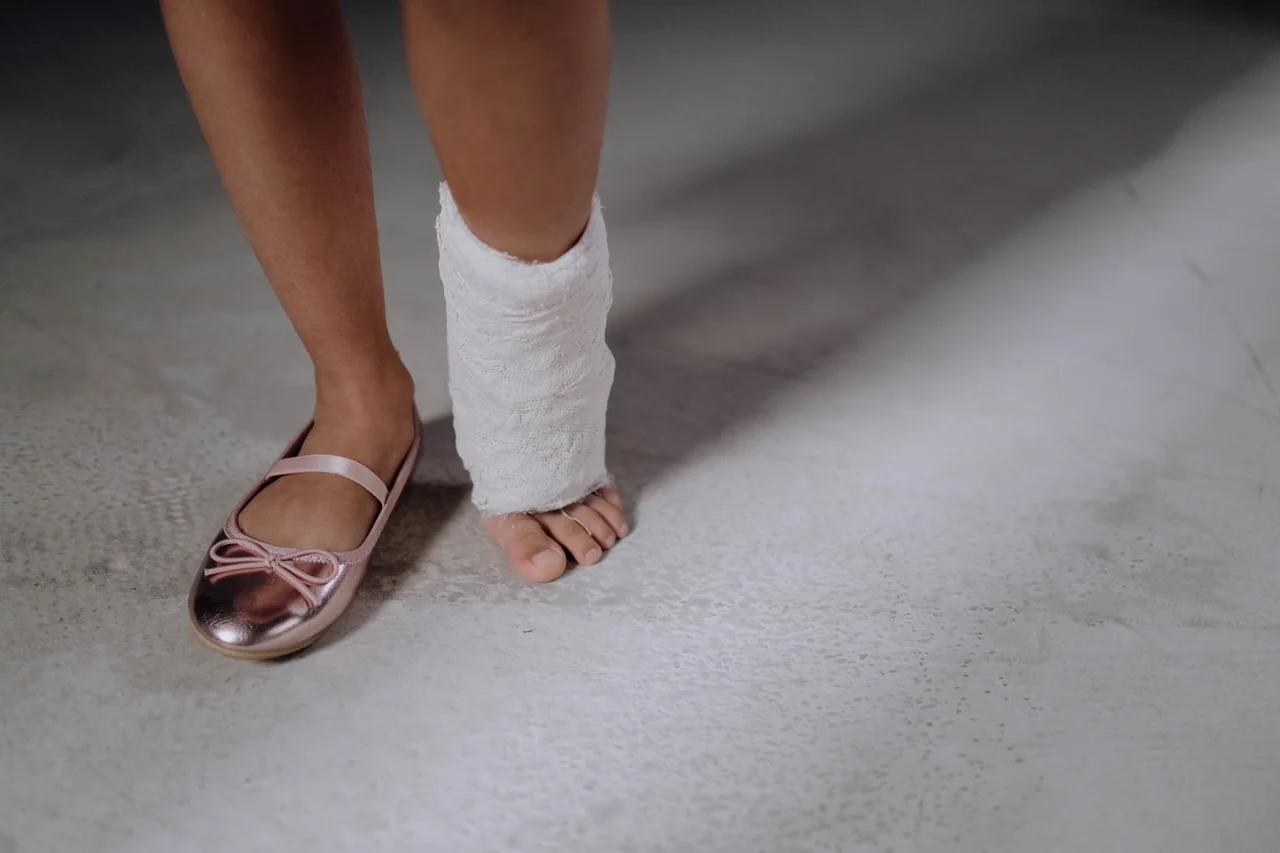
A blister on the foot is no minor detail: it can turn a short walk into a string of twisted steps, or a gentle run into a small mechanical torture. The injury appears when the skin responds to rubbing, heat, or a local insult by separating its layers and filling with fluid. In sport, and especially in running, the usual culprit is always the same: repeated friction against the shoe, the sock, or a poorly resolved pressure point.
The most prudent way to treat it is to think first about protecting it, then relieving it, and only lastly about draining it. Most small, intact blisters heal on their own if they are kept clean, dry, and free from further rubbing. When they are handled carelessly, the problem stops being a simple fluid bubble and becomes an open wound with a higher risk of infection and more days of discomfort.
What happens inside the skin when the injury appears
A blister is a microscopic separation of skin layers. The body responds to that friction as best it can: it isolates the area and accumulates serous fluid to cushion the damage. That is why it hurts so much when walking; each step presses again on a small sensitive chamber, as if the foot were carrying a drop of water trapped beneath a very thin film. That mechanism, although uncomfortable, is part of the skin’s natural defense.
On the feet, location matters a great deal. Heel, arch, toes, the outer part of the fifth metatarsal, and rubbed nails are classic areas. In runners, a shoe that is a little too tight, a badly placed seam, or moisture building up over several kilometers may be enough to upset the balance. On hikes or during long days standing at work, the pattern repeats: sustained pressure, heat, and rubbing. The result is usually the same, even if the context changes.
Not every injury that looks like a blister is one. Sometimes there are reddened calluses, abrasions without fluid, or small superficial wounds that evolve differently. That difference matters because the treatment is not identical. A closed blister protects; torn skin leaves tissue exposed; an area with pus or a bad smell already points to infection and requires a different clinical assessment.
The first decision: leave it alone or intervene
If the blister is small, closed, and barely bothersome, the wisest course is usually to leave it alone. The skin covering it acts like a biological roof: it keeps bacteria out, reduces direct friction, and helps the fluid be reabsorbed. In many cases, that fluid disappears in a few days and the surface regenerates without leaving a trace. The temptation to pop it too soon is often more impulse than necessity.
Intervention only makes sense when the pain prevents normal walking or the pressure from the fluid makes the injury almost unmanageable. Even then, the priority is not to empty it just for the sake of it, but to do so cleanly and without tearing off the surface skin. That covering, though wrinkled or lifted, remains a useful shield while the area recovers.
Bursting it for immediate relief can be costly. The sensation improves for a few hours, but the tissue is left more exposed to friction, to the dirty moisture inside the shoe, and to germs. In a runner who keeps training, the typical sequence is easy to imagine: brief relief, renewed rubbing, an open wound, and several days of setback. The quick fix ends up becoming the long problem.
How to treat it safely at home
The correct order is clean, protect, and reduce friction. Before touching the area, wash your hands thoroughly with soap and water. Then clean the skin around the blister with warm water and mild soap. Harsh products or irritating antiseptics are not needed on a closed, intact blister; they often complicate things more than they help. Cleaning should be gentle, without rubbing or scraping.
If the injury is closed and does not hurt too much, it can be covered with a dressing that cushions contact with the shoe. Hydrocolloid patches, for example, help maintain a controlled moist environment and protect against rubbing. At that point, their main usefulness is not aesthetic but mechanical: they reduce direct pressure and allow the skin to do its job. In many cases, they visibly change the course of the discomfort.
If the blister is already open, hygiene becomes more important. It should be washed carefully, patted dry, and covered with gauze or a non-adherent dressing. The area should not be left exposed to shoe friction or accumulated sweat. For runners, this matters more than it may seem: moisture inside the sock turns the wound into a small whirlpool of maceration, and the skin takes longer to close.
When drainage is chosen, the at-home technique must be very cautious. Use clean, disinfected material, make a minimal puncture at the edge, and let the fluid out without removing the skin roof. After that, clean again and cover it. What is not advisable is cutting the loose skin, tearing off strips, or forcefully emptying the injury. The remaining skin, however useless it may seem, is still the best barrier available.
Common mistakes that delay healing
The worst mistake is to keep rubbing the area as if nothing had happened. Many blisters worsen not because of the initial injury, but because of what comes afterward: continuing with the same shoes, repeating the same workout, or keeping the foot trapped in a wet, rigid shoe. Healing needs relative rest. Without that margin, the skin does not close and the fluid builds up again.
Another common mistake is using harsh substances unnecessarily. Alcohol, hydrogen peroxide, or very strong antiseptics can irritate more than they solve if applied indiscriminately to sensitive tissue. The sensible approach is to keep the area clean with water and mild soap, and reserve specific treatments for particular situations, such as open wounds or medical advice.
Removing dead skin too early also causes harm. That covering, even if no longer fully attached, may protect the base while new skin forms. Taking it off for appearance or comfort often leaves the wound bed more exposed. It seems like a minor detail, but it makes the difference between an orderly recovery and a stubborn wound that opens at the slightest rubbing.
Which shoes and socks change the outlook
Treatment does not end at the blister: it starts at the feet and ends with the footwear. A shoe that is too tight in the toe box, that slips at the heel, or that concentrates pressure on one seam acts like a file. In running, this becomes obvious when the shoes are newly broken in, when the foot swells with effort, or when the fit does not match the runner’s anatomy.
Socks also play a decisive role. Those made from breathable, well-fitting materials help wick away sweat and reduce internal folds. Loose socks, by contrast, bunch up and create small friction points that seem harmless until, kilometer by kilometer, they lift the skin. In long races, a good sock can be as important as a comfortable shoe, though it rarely gets the same attention.
Moisture is fuel for friction. A wet foot slips more inside the shoe and the skin becomes more vulnerable. That is why it helps to dry well between the toes, change socks if they get soaked, and ventilate the gear after exertion. In prolonged activities, even a small amount of petroleum jelly on rubbing points can make a useful difference by creating a film that reduces direct contact. It is not magic; it is basic physics applied to the foot.
When to watch for infection
Spreading redness, local heat, and increasing pain are warning signs. If pus, a bad smell, or growing sensitivity appears, the blister is no longer behaving like a simple friction injury. In that scenario, the skin has stopped being a safe barrier and infection may be entering through a vulnerable point. The sooner it is checked, the better.
Infections in this area can become complicated easily because the foot continues to bear weight, suffer rubbing, and sweat. An infected blister can progress to cellulitis, abscesses, or open ulcers if not treated. The difference between a trivial annoyance and something more serious often depends on when the change in appearance is recognized. The foot gives warning before it breaks down completely; it is worth reading those warnings.
People with diabetes, poor circulation, or weakened immunity must be especially careful. In them, a small injury may take longer to close and become imbalanced more easily. Medical attention is also warranted for any blister that appears without a clear cause, recurs frequently, or changes color and pain suddenly. On delicate feet, harmlessness does not last long.
Why blisters are so persistent in running
Running multiplies a simple equation: pressure, sweat, and repetition. Each foot strike makes the foot slide a little inside the shoe; each kilometer adds heat; each uphill or downhill alters how the toes and heel are loaded. That is why a blister does not always appear at the start of effort. Sometimes it forms silently and only warns you late, when the skin has already given way.
In long races, the runner does not always notice the problem right away. Adrenaline, concentration, and pace can mask the initial signal. Then comes that sharp pain that forces a change in stride, a sideways landing, or a focus solely on finishing. At that point, the injury is no longer just skin-deep: it affects mechanics, running economy, and morale itself.
Prevention has an almost tactical value. Choosing the right size, testing the gear before racing, avoiding brand-new shoes on a long run, and paying attention to moisture are small decisions with enormous impact. Anyone who runs regularly quickly learns that a blister does not form all at once; it cooks slowly, like a stone heating water through persistence.
Aftercare so it does not reopen
Once treated, the area needs less heroics and more discipline. It must be kept clean, dry, and protected until the new skin forms solidly. The dressing should be changed if it becomes damp or dirty, and the foot should rest from the same friction that caused the problem. Returning too soon to the same pattern is an invitation to relapse.
During recovery, it is worth reviewing the footwear used at the time of the injury. Sometimes the cause is a tiny detail: an internal seam, an insole that shifts, a lacing adjustment that is too tight over the instep, or a sock that does not wick sweat well. These small failures, accumulated, become a kind of invisible saw. Identifying them changes more than any improvised remedy.
The goal is not only to close the blister, but to shut the door on the next one. That means drying the feet well after showering, using breathable fabrics, checking rubbing areas before long efforts, and promptly addressing any new discomfort. In a discipline as repetitive as running, foot care is almost a logistics operation: quiet, but decisive.
A minor injury that calls for method and patience
A blister is best resolved when its logic is respected. It is not an enemy to attack, but a warning that something has rubbed too much. Protecting it, keeping it clean, draining it only if necessary, and avoiding the same friction that caused it are simple but effective steps. The skin, when given room, usually responds well.
In practice, the difference between clean healing and relapse lies in the details: washed hands, clean material, well-chosen shoes, a dry sock, and patience. The foot does not need drama; it needs conditions. And when you provide them, the blister stops being a stone in the shoe and becomes what it really is: a minor injury that, treated wisely, rarely leaves more than a story to tell.
Medical reference: Blisters, MedlinePlus (U.S. National Library of Medicine).



How to prevent thigh chafing: causes and real solutions

Women’s running windbreakers: seven jackets and how to choose

Do more workouts get rid of soreness? A guide for runners

Jaén Half Marathon 2026: Record 3,800 Runners Registered

Men’s short running tights: how to choose the right pair

World Triathlon confirms data breach involving medical data

Izan Edo targets podium at Miyazaki World Cup

María Pérez ranks ninth in World Athletics’ 2026 top ten

Dos Santos, Duplantis and Sawe: World Athlete of the Year finalists

San Silvestre Vallecana 2026: 42,000 places, prices and start times

 Races4 months ago
Valencia Half Marathon 2027: date and registration

 Races4 months ago
Valencia Marathon 2026: entry, ballot and course

 Reviews and Comparisons4 months ago
Asics Gel-Roadmiles 3 for men: review and current price

 Reviews and Comparisons4 months ago
Asics Gel Sonoma 8 Gore-Tex: complete analysis for trail and rain

 Sneakers3 months ago
Saucony Endorphin Pro 4: full review and verdict

 News5 months ago
Strava API 2026: what changes for clubs, challenges and runner apps?

 Reviews and Comparisons5 months ago
Nike Alphafly 3: opinions, sensations, and real key points

 Reviews and Comparisons4 months ago
Under Armour running shoes review 2025-2026: models and key features

 Sports Equipment4 months ago
Shoe sizes in cm: a clear guide to getting the right fit for your footwear

 Sneakers3 months ago
Skechers GO RUN Consistent 2.0 analysis: comfort and limits

 News5 months ago
Valencia Marathon 2026 route: key tips to train and run better

 Sneakers4 months ago
Adidas Adizero Boston 13 for men: review and verdict