Sports Equipment
Brooks High Point 2.0 Waterproof Jacket: Review
Rain protection, ventilation and fit: everything this Brooks trail jacket offers for runners.

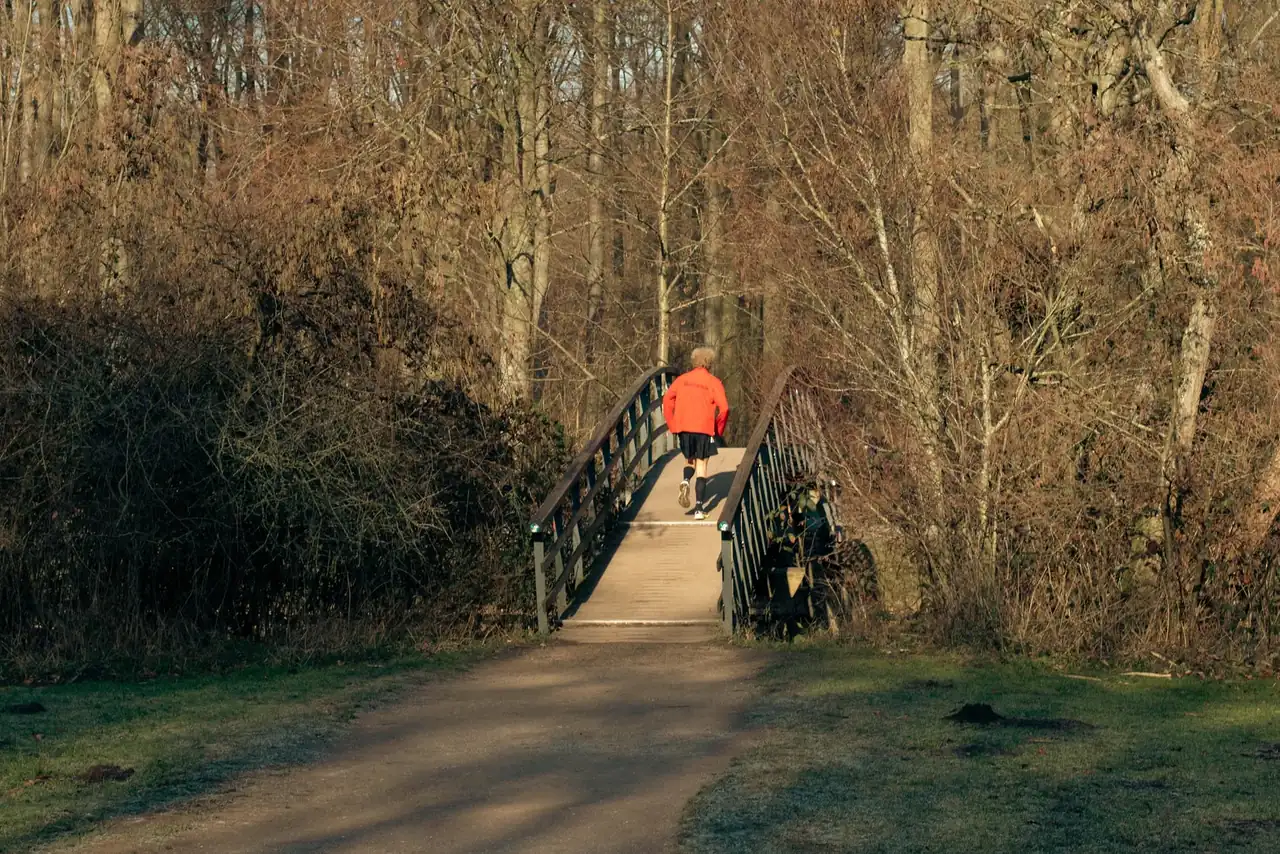
The Brooks High Point 2.0 Waterproof is a trail jacket designed to protect runners from rain without turning every outing into a battle against heat and moisture. Its proposal combines waterproof fabric, rear ventilation and low weight, three particularly valuable features when weather changes halfway through a route. It is not an insulated garment and does not aim to replace a warm layer: it works as an outer barrier that keeps water away while preserving freedom of movement.
The design also addresses one of the common problems with running jackets: carrying enough protection without adding a bulky item. The model has a semi-fitted cut, can be packed down and provides storage options for essentials. Available reference information places its recommended price at 180 euros, although it has been seen at 117 euros in a specific offer. That figure is a market reference, not a guarantee of current price or availability.
An outer layer designed for trail running
In the mountains, a waterproof jacket has to do more than repel a few drops. A runner can move from a wind-exposed track to a damp sheltered section, climb a slope that quickly raises body temperature and then face a cold descent. The High Point 2.0 is designed for that changing environment, with a construction that prioritizes rain protection and movement during exertion.
Waterproof fabric creates a barrier between the body and outside water, while breathability aims to help vapor produced during running escape. These goals often conflict: the more closed a garment is, the better it blocks rain, but it may also accumulate more heat. In this case, Brooks adds ventilation openings at the back to encourage airflow without giving up full torso coverage.
The difference between a waterproof jacket and a simple windbreaker is important. A windbreaker may block air and cope with brief drizzle, but it is not necessarily designed for sustained rainfall. The High Point 2.0 is presented as a waterproof trail option, so it makes more sense for training and routes where rain is a foreseeable part of the environment, rather than only for cool windy mornings.
Waterproofing and breathability: the key balance
Water protection does not depend only on a product name. Seams, zippers, cuffs, hood, fit and the condition of the outer finish also matter. The reference material does not provide water-column or breathability figures, so it is not possible to assign specific values or compare it technically with membranes that publish those measurements. What is confirmed is a waterproof and breathable construction aimed at mountain running.
Rear ventilation becomes important when the pace increases. During a long climb, sweat can soak a base layer even when rainfall is not heavy. A well-positioned opening can relieve some of that enclosed feeling, although it cannot eliminate condensation completely. The result will depend on temperature, humidity, intensity and the layers worn underneath. The garment may improve comfort, but no waterproof jacket keeps the body completely dry inside during prolonged hard efforts.
It is also useful to distinguish falling rain from moisture entering through contact. A tightly fitted backpack, a rubbing strap or a wet sleeve can place pressure on the fabric and affect perceived protection. For that reason, the High Point 2.0 is best understood as a lightweight outer layer for running in rain, not as an absolute shelter for every condition. Its design aims for a reasonable relationship between water resistance, ventilation and active comfort.
Semi-fitted cut and freedom of movement
The semi-fitted cut sits between a close-fitting garment and a loose jacket. The intention is to follow the shape of the body without clinging too tightly, leaving room for a technical shirt or thin mid layer underneath. On trails, this balance prevents excessive movement on uneven ground while still allowing the runner to raise their arms, use poles or adjust a pack without constant restriction.
Mobility does not depend only on a jacket being light. Sleeve construction, torso length and fabric stretch also matter. A pattern that is too short can expose the lower back when bending, while one that is too wide can create folds that collect water and air. Brooks takes a functional approach, with enough room for natural movement during pace changes and steep climbs.
The reference listing includes sizes S, M and L for one available configuration, but a complete measurement chart does not appear in the analysed data. Choosing a size by letter alone may therefore be insufficient. Anyone planning to wear the jacket over a second layer should check chest circumference, sleeve length and shoulder room. The correct fit should allow the zipper to close without tension and prevent the fabric from flapping in the wind.
A lightweight garment for carrying in a pack
Packability is one of the clearest arguments for this model. During a long outing, the jacket can remain stored through a dry section and come out when the sky darkens. That possibility changes the relationship with the garment: there is no need to wear it from the start or tie it awkwardly around the waist. Its compact format can fit into a hydration pack or small compartment, provided the folded dimensions fit.
Low bulk is especially useful in trail races and hilly routes. A runner may start with sunshine in the valley, reach an exposed section and encounter wind or rain on the ridge. A jacket that stores easily becomes a safety and comfort tool, rather than dead weight. In that context, how easily the jacket can be carried may matter as much as the protection it provides once worn.
Frequent folding requires some care. Storing it wet for hours can encourage odours and damage finishes, while compressing it with hard objects may mark the fabric or strain the zipper. The sensible approach is to air it after the outing and follow the care instructions on the label. A compact design helps, but does not make the garment indestructible. Durability will depend on frequency of use, backpack abrasion and preserving the outer treatment.
Storage and useful details during a run
Available information indicates that the jacket includes storage options intended for essentials. In a trail garment, that space may hold keys, identification, gels or a phone, although its practical value depends on pocket size and closure system. When running over uneven ground, a closed compartment is safer than an open one, especially if the item is small or heavy.
Storage should also be assessed alongside a backpack. If the runner uses a hydration vest, jacket pockets may be partly covered or become uncomfortable beneath the straps. For a short outing without a pack, however, integrated storage may eliminate the need for an additional belt. The High Point 2.0 appears designed for flexible use, with room for small items without making the torso feel rigid.
Ventilation and pockets reveal a design philosophy focused on activity rather than urban wear. The jacket is not simply a conventional raincoat pattern; it aims to accompany repeated running movements. Even so, runners should assess the whole system: a lightweight garment may be enough for a mild storm, but it will need a warm layer underneath in cold conditions. Waterproof does not mean insulated, a distinction that prevents many poor purchases.
How it fits different weather conditions
In light rain and mild temperatures, the High Point 2.0 can work as a single outer layer over a technical shirt. In that situation, rear ventilation helps limit the damp feeling and the semi-fitted cut prevents the garment from becoming an air-filled bag. Experience will depend on pace, but the model suits spring, autumn and unsettled days when insulation is not required.
When temperatures drop, the jacket can act as a third layer over a shirt and thin mid layer. Its job is to block rain and retain some of the heat produced by the body, not to provide insulation of its own. The extra space of a semi-fitted cut can make that combination easier, although too many layers will increase condensation and reduce breathability. The key is to keep a base layer that moves sweat away and not use the jacket as a substitute for a warm garment.
In summer, its usefulness will depend on rainfall intensity and available ventilation. A brief storm may justify carrying it in a pack, especially in exposed areas where wind quickly cools the body. For a short city session in drizzle, its trail-oriented features may be more than necessary. On a long mountain route, however, changing weather makes a packable jacket a sensible form of preventive protection.
Wind deserves separate consideration. Although the product is mainly defined by waterproofing, a closed outer barrier will usually also reduce air penetration. That improves thermal comfort on ridges and exposed passes, but can increase heat on climbs. Opening the zipper as effort rises and using the rear ventilation helps manage that contrast. The garment performs best when used dynamically, adjusting coverage to effort level and route profile.
Advantages over a conventional windbreaker
A lightweight windbreaker is often simpler, more breathable and less expensive, but its protection against persistent rain is limited. The High Point 2.0 adds a barrier designed to deal with water, making it relevant on routes where the forecast is changeable. The difference becomes clear when drops stop sliding away and begin saturating a surface that was not prepared for prolonged exposure.
The drawback of a waterproof jacket is that it normally involves compromises in ventilation, price and maintenance. The runner may feel better protected but notice heat build-up sooner. This model’s rear opening attempts to reduce that cost, although it cannot remove it. The choice depends on the forecast, activity duration and exposure level. There is no universal outer layer for every day.
There is also a practical and psychological difference. Carrying a jacket that handles rain allows a route to continue without improvising with bags or cotton clothing, but it can lead runners to pay less attention to the forecast. Clothing does not replace planning in the mountains. The High Point 2.0 should be understood as one part of a system including a technical shirt, insulation when needed, a pack and visibility equipment. The garment protects the torso, but does not solve exposure on its own.
Price, availability and purchase value
The analysed reference shows a recommended price of 180 euros and a specific offer at 117 euros, representing a reduction of 63 euros, or 35%. That promotional price appeared at one retailer and with certain size and colour combinations. It should not be understood as a permanent price, particularly because other product pages indicated a lack of availability. Stock and price can change depending on date, size and retailer.
The jacket’s value depends on how often waterproof protection is needed. For someone who regularly runs in the mountains, enters long races or trains in wet regions, a packable technical garment may make sense over several seasons. For a runner who usually goes out in stable weather, a simpler windbreaker may cover most needs. The comparison should be based on real use, not only on the visible discount.
Before buying, it is worth checking the product composition, size chart, return conditions and availability of the chosen combination. The model is associated with colours such as Flame/Deep Sea and sizes S, M and L in the examined data, but that offer does not guarantee that every variant remains active. Checking these details avoids receiving a garment that is too tight for layering or too loose for windy running.
Care to preserve the protection
A waterproof jacket needs maintenance even when used only occasionally. Sweat, trail dust and accumulated oils around the neck and cuffs can affect fabric performance. Washing it only when necessary, using a suitable programme and avoiding harsh products helps preserve its properties. It is also important to avoid fabric softener when the manufacturer’s instructions advise against it, since residues may alter the outer finish.
Drying should be done patiently. Leaving the garment wet in a pack after a race is one of the quickest ways to create odours and stress the materials. The better approach is to spread it out in a ventilated place, away from intense heat. Constant contact with branches, rocks and shoulder straps can wear the surface, so it is worth checking seams, zippers and backpack contact areas regularly.
Perceived waterproofing can also decline over time. When water stops forming droplets and begins to darken the fabric quickly, the outer water-repellent finish may need attention according to Brooks’ specific instructions. That does not necessarily mean the membrane or construction has failed, but it does suggest that the outer surface needs care. Regular maintenance extends the garment’s life and reduces the need to replace a jacket that still retains good structure and mobility.
Who should consider this model
The Brooks High Point 2.0 Waterproof mainly suits trail runners who need a lightweight outer layer for rain, wind and rapid temperature changes. Its combination of packability, semi-fitted cut and rear ventilation works well on routes where the jacket stays stored for part of the outing and comes out when conditions worsen. It can also be used for urban training, although its natural setting is away from asphalt.
It is not the obvious choice for someone seeking a warm winter jacket, a garment with extensive technical figures or alpine protection for extreme conditions. Available information does not provide exact weight, water column or breathability figures, so it should not be compared with high-spec models using unconfirmed numbers. Its appeal lies in the practical combination of waterproofing, low weight and packability.
The overall balance is positive when priorities are clear. The garment offers a versatile way to protect against rain during trail running, is easy to carry and keeps a construction focused on running rather than simply walking under an umbrella. Its limits are equally clear: it does not replace an insulating layer, ventilation does not eliminate all condensation and the price should be judged against frequency of use. For runners who need a compact and functional barrier, the High Point 2.0 is a balanced option among waterproof running jackets.
You may also like: Under Armour OutRun The Storm jacket: review and verdict.
Este artículo contiene enlaces de afiliado: si compras a través de ellos, se genera una pequeña comisión sin coste adicional para ti. Más información.



How to prevent thigh chafing: causes and real solutions

Women’s running windbreakers: seven jackets and how to choose

Do more workouts get rid of soreness? A guide for runners

Jaén Half Marathon 2026: Record 3,800 Runners Registered

Men’s short running tights: how to choose the right pair

World Triathlon confirms data breach involving medical data

Izan Edo targets podium at Miyazaki World Cup

María Pérez ranks ninth in World Athletics’ 2026 top ten

Dos Santos, Duplantis and Sawe: World Athlete of the Year finalists

San Silvestre Vallecana 2026: 42,000 places, prices and start times

 Races3 months ago
Valencia Half Marathon 2027: date and registration

 Races3 months ago
Valencia Marathon 2026: entry, ballot and course

 Reviews and Comparisons4 months ago
Asics Gel-Roadmiles 3 for men: review and current price

 Reviews and Comparisons4 months ago
Asics Gel Sonoma 8 Gore-Tex: complete analysis for trail and rain

 Sneakers3 months ago
Saucony Endorphin Pro 4: full review and verdict

 News5 months ago
Strava API 2026: what changes for clubs, challenges and runner apps?

 Reviews and Comparisons5 months ago
Nike Alphafly 3: opinions, sensations, and real key points

 Reviews and Comparisons4 months ago
Under Armour running shoes review 2025-2026: models and key features

 Sports Equipment4 months ago
Shoe sizes in cm: a clear guide to getting the right fit for your footwear

 Sneakers3 months ago
Skechers GO RUN Consistent 2.0 analysis: comfort and limits

 News5 months ago
Valencia Marathon 2026 route: key tips to train and run better

 Sneakers4 months ago
Adidas Adizero Boston 13 for men: review and verdict