Sports Equipment
Women’s running socks: how to choose the best ones for running
Keys to choosing technical socks that reduce chafing, improve fit, and support you with every stride.

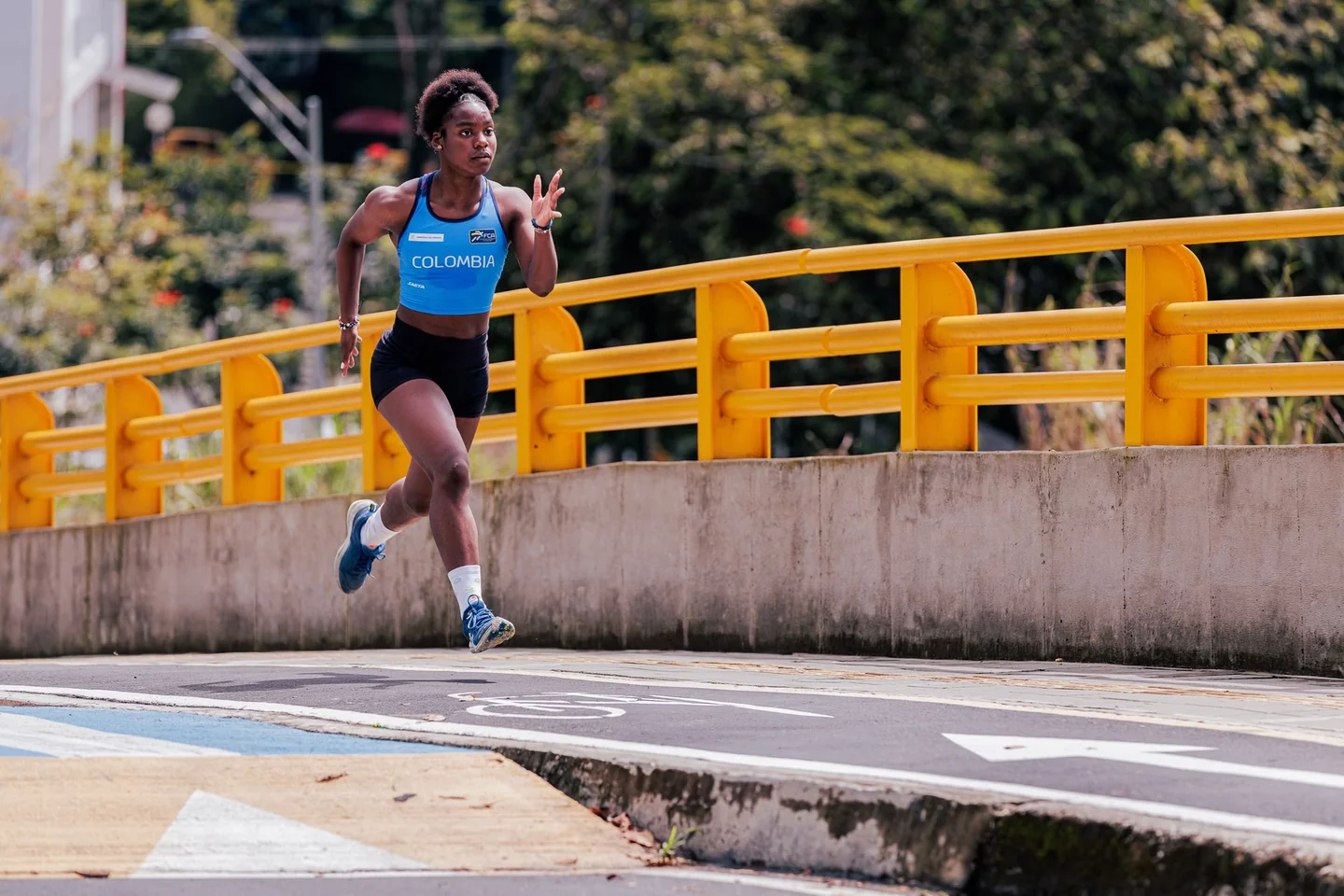
The female foot withstands the same impact as that of any runner, but it does not always respond the same way to the same fit pattern. In a short run or a half marathon, the detail that separates a clean outing from an afternoon of blisters often hides in a small and decisive garment: the sock. Choosing good women’s running socks influences temperature, friction, the feeling of support, and stability inside the shoe.
The difference between an ordinary model and a technical one is noticed quickly: less rubbing at the heel, less accumulated sweat, better foot control when the effort intensifies, and a more precise fit to the shoe’s last. The market is full of eye-catching designs, lightweight fabrics, and specific options for road running, trail, or long runs, but not all solve the same problems or with the same quality. That is the key.
Why the sock matters more than it seems
The shoe does not work alone. Between the foot and the shoe floor there is a thin layer that acts as a barrier, cushion, and shield. When that layer fails, the skin becomes damp, the fabric shifts, and friction ends up doing its work. That wear may seem small in the first few kilometers, but it multiplies with heat, humidity, or a long-distance run.
Sweat is a silent actor. It does not just create discomfort; it also softens the skin and makes it more vulnerable to chafing. That is why technical models rely on synthetic fibers or advanced blends that wick moisture away quickly. Cotton, by contrast, tends to retain it and behaves like a heavy sponge when training lasts longer or the temperature rises.
Women runners also tend to look for a more refined fit at the instep, ankle, and shaft. This is not an aesthetic issue, but a functional one. A sock that wrinkles, slips, or leaves slack creates micro-frictions that, repeated hundreds of times per minute, end up becoming real discomfort. The good news is that today there are designs with gentle compression, reinforced toe and heel, flat seams, and ventilation zones designed to reduce that wear.
What a good technical running sock should have
Breathability is the first filter. A fabric that releases heat well helps keep the foot drier and more stable. Polyamide, technical polyester, polypropylene, elastane, or fibers like Coolmax appear again and again in the best-rated models because they combine lightness, quick drying, and durability. When the composition is well resolved, the sensation is that of a second skin that does not feel heavy even when the workout is long.
Fit also matters. A sock that is too loose moves inside the shoe; one that is too tight can press at the top of the shaft or in the arch. The ideal balance is usually found in anatomical patterns that distinguish between the right and left foot, or at least incorporate elastic zones in the midfoot to hold the garment in place without squeezing. That support reduces internal movement and improves the feeling of control.
The absence of annoying seams is no longer a luxury, but almost a technical standard. The flat or seamless toe prevents rubbing in a particularly sensitive area, especially when the foot swells with heat or after many minutes of impact. Added to that are strategic reinforcements in the heel, metatarsal area, and Achilles tendon, useful for distributing pressure and extending the product’s lifespan.
Height matters less than function, but it is not a minor detail. Ankle socks are common on the road and in daily training because they are lighter and allow more thermal freedom. Mid-calf models protect better against dust, vegetation, or rubbing against the tongue. In trail running, that extra coverage can be a useful barrier against small stones, brush, or dirt from the terrain.
Materials and fabrics that make the difference
The fabric composition often matters more than the brand label. A good women’s running sock rarely depends on a single material. It is normal to find blends where a main fiber provides structure and another improves elasticity or ventilation. That combination balances three needs that often compete with one another: freshness, durability, and support.
Polyamide stands out for its durability and lightweight feel. It is one of the most common bases in technical socks because it handles repeated use well and adapts easily to the foot. Elastane, in small amounts, adds elasticity so the garment regains its shape and does not deform after washing. Polypropylene, for its part, is valued for its ability to wick moisture away and maintain a drier feeling during effort.
In warm climates, ventilation becomes almost as important as cushioning. Some models include mesh panels on the instep or a more open weave in low-load areas. That solution lets heat escape where it builds up most without sacrificing support in the heel or forefoot. It is a simple but effective strategy, like opening a crack in a window on a heavy summer afternoon.
Cushioning, however, does not always need to be abundant. Too much padding can feel comfortable at first, but it also adds bulk and heat. Road runners often prefer a slimmer, more precise profile, while in trail running or long distances, a bit more protection is often appreciated in the heel, toe, and sole. The choice depends on the terrain, distance, and each foot’s sensitivity.
How to get the size and real fit right
Choosing the correct size prevents more problems than an extra cushioned sole solves. A sock that is too short pulls on the toe box; one that is too large creates folds. Those folds, invisible when looking at the garment in your hand, become wrinkles inside the shoe and translate into rubbing. The size should match the manufacturer’s foot range, not a generic idea of small, medium, or large.
Arch support is usually a good indicator of quality. That elastic band in the midfoot should not bother or leave an excessive mark, but it should keep the garment in place when stride length increases. Proper support gives a feeling of firmness without turning the sock into a bandage. In motion, that difference is felt in how it follows movement without fighting it.
The shaft can also affect women runners’ comfort. Many users prefer a low height for lightness and aesthetics, but others find a mid-calf sock more useful because it better protects the ankle and covers part of the instep. In cold sessions or mountain running, the taller format adds a light barrier against small external aggressions. In summer, by contrast, a shorter profile helps the foot breathe better.
It is also worth checking how the sock sits at the top of the ankle. If it is too tight, it can leave a mark and reduce comfort; if it gives too much, it slides down with movement. The key is for it to stay stable without feeling pressure. The ideal fit is perceived almost like a discreet background note, not an intrusive presence.
Models according to distance, terrain, and season
There is no single perfect sock for the whole year. A gentle 5-kilometer run does not create the same wear as a long workout in August or a mountain run with elevation gain. Runners who accumulate miles in summer usually appreciate very thin, highly breathable fabrics, while in long runs or marathons moisture management and protection in impact zones matter more.
On the road, lightness usually takes priority. Thin, well-ventilated, seam-free socks help the foot feel less burdened and less hot. They are a good choice for those who prioritize contact with the shoe and want a clean stride. In interval sessions or high paces, that lightness feels as if the foot has less ballast.
In the mountains, a mid or high shaft makes more sense. Uneven terrain, vegetation, and moisture call for a garment that better protects the skin and keeps the foot stable when support changes with every step. Reinforcements in the toe and heel are useful here, along with a fabric that continues to wick sweat well even when the effort lasts and the climb gets tough.
For long distances, the priority changes again. It is no longer enough for the sock to be light; it must remain comfortable at hour two, three, or four. The best endurance models combine cushioned zones in pressure points with a structure that avoids overheating. The goal is simple to say and difficult to achieve: for the foot not to notice its presence.
What the market’s top-rated models say
The most recognized running brands repeat a series of very similar technical patterns. Many are made in Spain or Europe, rely on high-performance synthetic fibers, and focus on blister prevention. In the broadest collections, you find anti-blister options, ultra-light versions, cushioned models for long distances, and mid-calf proposals with greater coverage.
The added value is usually in the details. An extra reinforcement in the heel, a seamless toe box, a soft compression band in the midfoot, or a more open mesh on the instep may seem like small nuances, but in running they add up a lot. The user experience is not determined by a single feature, but by the sum of all of them, like the notes of a well-balanced recipe.
Design has also gained importance. In women’s running, color and pattern are no longer considered mere decoration. Some runners look for a sober model for racing, while others prefer a sock with personality for daily training. That variety does not reduce technical quality; on the contrary, it shows that the industry has understood that performance and style do not have to live separately.
Prices in the technical segment generally range from 13.65 to 20.95 euros per pair, and some packs lower the unit cost. In the Spanish market, it is common to find multi-pair packs at around 19.50 euros per unit in high-performance ranges, while models with specific technologies or more advanced designs can cost a bit more. The difference is not always in the name, but in the fabric and finish.
Common mistakes when buying and using technical socks
The most common is to be guided only by aesthetics. An attractive design does not guarantee breathability, fit, or durability. The opposite also happens: a technically impeccable sock can disappoint if it is too thick for the climate or if the size is not right. A useful purchase starts with real use, not with the product photo.
Another very common mistake is using the same model for everything. A sock that works well on easy runs may feel inadequate in a long race, and a very cushioned one may be too much on hot days. The foot changes with temperature, effort, and terrain type, so the garment should adapt to those variations instead of ignoring them.
It is also worth not underestimating washing. Technical fabrics hold up well in the washing machine, but perform better if washed in cold or low-temperature water and air-dried. Excessive heat damages elastane and can shorten the product’s life. A well-cared-for sock keeps its fit, elasticity, and moisture-wicking ability better.
And there is one last, more subtle trap: wearing them for the first time in a race. A new model may feel fine on a short walk and yet show an annoying edge after kilometer eight. It is worth knowing the real feel before an important race. Technical fabric also needs a few strides to reveal its true character.
Why the women’s market has grown so much in this segment
The boom is the result of a combination of specialization and sporting habit. More and more women run regularly, alternate between road and trail, take part in popular races, and place more importance on the gear they use every day. That continuous use forces a look beyond the shoe. The sock stopped being a secondary accessory and became a piece of comfort maintenance.
Brands have also understood that female demand is not a reduced version of male demand. Foot shape, preferred height, taste for certain colors, or the search for more precise midfoot support have driven the development of more carefully designed collections. In some cases, the models are unisex; in others, sizing and design are refined to offer a clearer fit.
That change has enriched the category. Today you can find socks designed for speed work, marathon running, trail, cycling, or mixed use. The line between performance and style has blurred, but the useful criterion remains the same: for the foot to reach the end of the workout dry, stable, and free of irritation.
The small garment that supports much of the run
A good sock does not promise miracles; it offers something more valuable, which is reliability. It repeats its role stride after stride, keeps sweat at bay, reduces rubbing, and follows movement without getting in the way. In a discipline where every detail counts, that discretion carries a lot of weight. It does not stand out in the shop window, but it does when the watch marks the final kilometer.
The smartest choice is the one that fits the foot, the climate, and the distance. Those who run in summer need ventilation and quick drying; those who accumulate miles in the mountains need protection; those who prioritize long runs look for a balance between cushioning and lightness. The best model is not the flashiest or the most expensive, but the one that disappears during the run and leaves only the feeling of being well held.
At this intersection between textile technology and everyday comfort is where the women’s running sock category now lives. A small garment, yes, but one capable of deciding whether a session ends with tired feet or with the clean feeling of having gone a step farther without extra punishment.
Este artículo contiene enlaces de afiliado: si compras a través de ellos, se genera una pequeña comisión sin coste adicional para ti. Más información.



Reebok runs large or small: a real fit guide

Hoka Challenger ATR 7 GTX: complete review of the all-terrain shoe

How to clean white sneakers without ruining them

Altus Pirineos 40-liter backpack: analysis, use, and key points

20,000 mm waterproof jacket for men: key points to get it right

Under Armour HOVR Sonic 6: complete review of the shoe

incline treadmills: guide to choosing better

Achilles tendonitis: real recovery time

Pain in the Achilles heel: causes, signs, and relief

What to take for calf pain: real relief and when to worry

 Races3 months ago
Valencia Half Marathon 2026: date and registration

 Reviews and Comparisons4 months ago
Asics Gel-Roadmiles 3 for men: review and current price

 Races3 months ago
Valencia Marathon 2026: entry, ballot and course

 Reviews and Comparisons4 months ago
Asics Gel Sonoma 8 Gore-Tex: complete analysis for trail and rain
- Sneakers3 months ago
Saucony Endorphin Pro 4: full review and verdict

 News5 months ago
Strava API 2026: what changes for clubs, challenges and runner apps?

 Reviews and Comparisons5 months ago
Nike Alphafly 3: opinions, sensations, and real key points

 Reviews and Comparisons4 months ago
Under Armour running shoes review 2025-2026: models and key features

 Sports Equipment4 months ago
Shoe sizes in cm: a clear guide to getting the right fit for your footwear
- Sneakers4 months ago
Adidas Adizero Boston 13 for men: review and verdict
- Sneakers3 months ago
Neutral running shoes with lots of cushioning: the best of 2026

 News4 months ago
Where is the Hoka brand from and why was it born in France