News
Cheap running watch with GPS: useful metrics without overpaying anymore
Reliable models, real prices, and key points to get it right with a budget racing watch without overpaying.

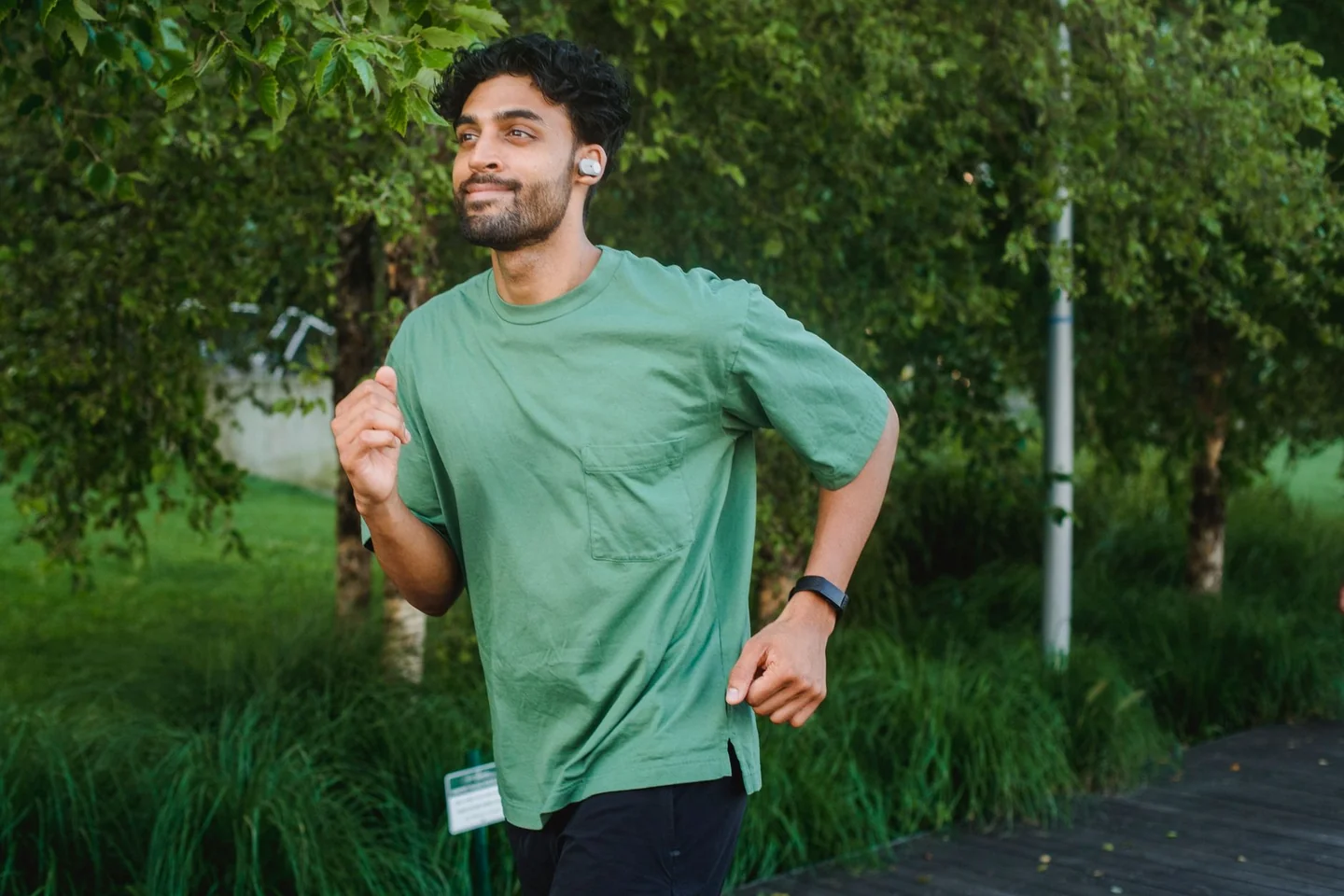
Imagen: Ketut Subiyanto / Pexels
The budget running watch market is no longer full of flimsy watches with temperamental GPS and short battery life. Today there are models under 200 euros that track distance, pace, heart rate, and workouts with enough reliability for most recreational runners, from someone just starting to add three runs a week to someone training for a 10K or a half marathon without having to empty their wallet.
The key is knowing what to sacrifice and what not to. In this price range, there are very complete watches, others more basic, and some hybrids that shine in everyday life but fall short in sport. The real difference usually isn’t the logo, but the accuracy of positioning, battery life, comfort on the wrist, and the type of screen, four details that completely change the experience when you head out to run in rain, heat, or among tall buildings.
What a budget running watch really offers
A cheap GPS model is not a toy or a watered-down version of the high-end ones. In 2026, even entry-level watches usually track daily activity, heart rate, sleep, phone alerts, and several sports profiles. What changes is the level of detail, the quality of navigation, and the consistency of some sensors when pushed harder than usual.
For running, what matters is that it measures the basics well. A good device should lock onto the route quickly, keep pace steady, and not invent extra meters on turns, tunnels, or avenues lined with buildings. It’s also worth making sure the battery doesn’t force you to charge it every two days, because a watch that dies halfway through the week ends up being more decoration than tool.
In this segment, the differences between families are very clear. Garmin usually wins on simplicity and ecosystem; Polar keeps a very clean sports-focused approach; COROS often stands out for battery life and lightness; Suunto offers good ruggedness; and brands like Amazfit or Huawei push hard on the balance between price, screen, and smart features. The buyer, then, isn’t looking for the best in the abstract, but the one that fits their real use.
Price ranges that make sense today
Below 100 euros, the margin is tight, but there are surprises. In that territory you’ll find watches like the Amazfit Bip 6, which sits around 70 euros depending on the store, or entry-level options that prioritize screen, basic heart rate, and battery over advanced metrics. They’re valid choices for anyone who wants to get started without pressure, although GPS and heart-rate readings don’t always respond equally well during intervals or pace changes.
Between 100 and 150 euros is usually the sweet spot for many runners. There you’ll find models like the Amazfit Active 2 from around 84.50 euros, Polar Pacer from 132.47 euros, Garmin Forerunner 55 from 139 euros, or Garmin Forerunner 165 from 144.44 euros in some deals. In this range, you already get a very reasonable mix of accuracy, battery life, and comfort, enough for most daily workouts.
From 150 to 200 euros begins the most interesting range for anyone wanting to step up without entering the mid-high end. Here you’ll find the Polar Ignite 3 at around 184.19 euros, Suunto 9 Peak Pro from 179.10 euros, Amazfit Balance 2 XT from 179 euros, or Huawei Watch Fit 4 from 115 euros. The Garmin Forerunner 165 Music also appears here, and can come close to 227 euros in some stores, so it’s worth watching for deals if the budget is strict.
Models that fit best in terms of quality, price, and real-world use
The Garmin Forerunner 55 remains a sensible buy for running without complications. It doesn’t have maps or exotic features, but it does have fast GPS, good battery life of up to 20 hours in GPS mode, and an interface that doesn’t require learning a manual. It’s light, simple, and very reliable for easy runs, intervals, and popular races. Its charm is precisely there: it does few things, but it does them properly.
The Polar Pacer is one of the most solid names when the priority is training for real. Its design is discreet, the watch is light, and the Polar Flow ecosystem remains a benchmark for viewing workouts, sleep, and training load. With prices that usually start at 132.47 euros, it offers a very clear sports reading and handling that doesn’t overwhelm. It doesn’t boast extras, but it performs seriously.
The COROS PACE 2 remains a quiet benchmark for its lightness and battery life. Even though it isn’t the newest model, it’s still a very interesting option if it shows up at a good price. Its big strength is the combination of low weight, long battery life, and a GPS capable of responding with enough accuracy even in long sessions. For anyone who wants to run without noticing the watch, few things feel as clean on the wrist.
Garmin Forerunner 165 has pushed the entry-level market down with a more visually modern price point. The AMOLED screen gives it a more current, brighter, and more pleasant feel on the street or at dusk. In many deals it hovers around 144 to 153 euros, although some music versions go quite a bit higher. It’s an especially attractive option for anyone who values the screen and wants a watch that feels less sober than the classic button-operated Garmin.
Suunto Run and Suunto 9 Peak Pro bring a more compact and robust reading. The first, from around 179.10 euros, has a clear focus for the runner looking for a clean interface and a very sporty look. The second adds more of a serious-watch feel, with battery life and durability that are very convincing for anyone mixing road, tracks, and long outings. Suunto doesn’t usually seduce through excess, but through that sobriety that holds up well over time.
Amazfit Active 2 and Amazfit Bip 6 play a different game: screen, features, and aggressive pricing. In very specific deals they drop to figures that are hard to ignore. These are watches that help keep spending down while still offering GPS, heart-rate monitoring, and a fairly pleasant user experience. Their limit appears when compared with more purely sports-focused watches in metric detail or consistency under stress.
Which models fall short even if they tempt with price
Not every cheap GPS watch is equally good for running regularly. Some smartwatch-style models prioritize notifications, design, and wellness features, but they fall short in sports accuracy when the route gets complicated. That doesn’t mean they’re bad, just that their focus is different. A nice watch in the office may not be the best companion on a 15-kilometer run with pace changes.
It’s worth looking closely at watches that are too general-purpose. Some Samsung Galaxy Watch models or mixed-use watches have excellent screens, mobile payments, and lots of apps, but their battery usually suffers more than that of a pure sports watch. In a training environment, that matters. If the main use is running, paying for features that will barely be used makes little sense unless the watch also needs to serve as a very complete everyday accessory.
The other common trap is poorly optimized single-band GPS. Not all cheap watches implement it equally, and the difference shows in areas with trees, tall buildings, or frequent turns. In a city like Valencia, with seafront promenades, open avenues, and more enclosed stretches, a watch that loses the line when entering between buildings can ruin the average pace reading and the final distance. That’s why accuracy matters more than the list of features.
How to choose without overpaying
The first filter should be battery life, not aesthetics. For regular use, a watch that reaches between 15 and 20 hours of GPS already covers marathons, half marathons, long workouts, and several weekly sessions with room to spare. If the watch mode also lasts well over a week, the daily experience improves a lot because the charger anxiety disappears.
Then comes the screen, which matters more than it seems. AMOLED screens are flashy and bright; MIP screens are more understated, but they usually offer excellent readability in the sun and lower power consumption. If you run a lot during the day, on open routes, or in summer, a screen that stays readable in strong light can matter more than a spectacular panel indoors.
Weight also changes the feeling of training. A watch weighing 29 to 37 grams is much less noticeable than one at 50 grams or more, especially during fast intervals or long runs. It doesn’t improve performance on its own, of course, but it avoids that dangling-object feeling that sometimes breaks concentration. In running, comfort is a form of invisible precision.
The companion app deserves attention because where the data is viewed is also where the quality of the product is felt. Garmin Connect, Polar Flow, COROS App, or Suunto app don’t offer the same experience, and that difference shows when reviewing workouts, creating sessions, or checking trends. A cheap watch that then leaves the data in a confusing interface loses a lot of value, no matter how good its sensor is.
Features worth paying for and those that only inflate the price
There are extras that really add value for runners. Estimated running power, basic navigation, pace alerts, time predictions, or load metrics can make useful differences in a structured training plan. They’re not essential for going out for a run, but they do help you understand effort better and avoid training blindly all the time.
By contrast, some additions matter more on the spec sheet than in day-to-day use. Built-in music, NFC payments, quick replies, or advanced health sensors can be practical, but they don’t improve training quality by themselves. For many users, paying extra for these features only makes sense if the watch will also be used as a full smartwatch outside the track or park.
Swimming and trail running change the equation. If use includes water, it’s worth looking for 5 ATM resistance or higher and specific swimming profiles. If the terrain is mountains or trails, barometer, compass, and navigation capability become important. A cheap GPS watch can serve for many things, but the farther it moves from asphalt, the more important it is that the hardware keeps up without excuses.
Real prices that help guide the purchase
Market prices move, but the overall picture is already quite clear. Amazfit Bip 6 is around 70 euros, Amazfit Active 2 can be found from about 84.50 euros, Huawei Watch Fit 4 appears around 115 euros, and Polar Pacer drops to the 132-euro range. These names form a very solid base for anyone who wants to spend little and still have a serious device on the wrist.
In the 140 to 180 euro range, the watches with the best balance for running appear. Garmin Forerunner 55, Garmin Forerunner 165, Polar Ignite 3, and Suunto 9 Peak Pro share that space with important differences in screen, app, and usage style. Here you’re no longer just buying price; you’re also buying a specific way of understanding training, simpler, more visual, or more sports-focused depending on the brand.
When the budget gets close to 200 euros, the purchase demands looking at the whole package and not just one number. A cheaper watch may fall short on battery or screen, while one that’s only slightly more expensive can open the door to a much better experience for years. Value isn’t measured only in euros, but in sessions where the watch works without fighting the route, sweat, or the passage of time.
What a smart purchase in this range reveals
The most useful budget watch isn’t the one that looks best, but the one that makes you think the least. It starts quickly, records reliably, lasts through several outings, and leaves the data clear in the app. That combination, as simple as it seems, is what turns a moderate purchase into a sensible one. The runner doesn’t need a display case on the wrist; they need an instrument that doesn’t distract.
The best balance in 2026 is usually found in pure sports watches from brands with a track record. Garmin, Polar, COROS, and Suunto still set the pace in this area because they understand runner use more precisely than many general-purpose smartwatches. Even so, Amazfit and Huawei have narrowed the gap and now make it possible to find very decent options for much less money, something that a few years ago seemed unthinkable.
Anyone comparing only by price risks buying twice. A cheap GPS watch that fails in distance, battery life, or heart-rate reading ends up opening the door to an early replacement. By contrast, a well-chosen purchase within these ranges can last several seasons and accompany workouts, races, and daily routines without demanding attention.
The real picture of the segment is this: there are cheap watches that are already enough to run seriously, but not all of them suit the same runner. The beginner looking to move with order, the half-marathon enthusiast, or the user who wants clear data without spending too much now have more options than ever. What matters is not chasing the newest model, but the one that best balances price, battery life, and accuracy before heading out into the street.
Este artículo contiene enlaces de afiliado: si compras a través de ellos, se genera una pequeña comisión sin coste adicional para ti. Más información.



How to prevent thigh chafing: causes and real solutions

Women’s running windbreakers: seven jackets and how to choose

Do more workouts get rid of soreness? A guide for runners

Jaén Half Marathon 2026: Record 3,800 Runners Registered

Men’s short running tights: how to choose the right pair

World Triathlon confirms data breach involving medical data

Izan Edo targets podium at Miyazaki World Cup

María Pérez ranks ninth in World Athletics’ 2026 top ten

Dos Santos, Duplantis and Sawe: World Athlete of the Year finalists

San Silvestre Vallecana 2026: 42,000 places, prices and start times

 Races3 months ago
Valencia Half Marathon 2027: date and registration

 Races3 months ago
Valencia Marathon 2026: entry, ballot and course

 Reviews and Comparisons4 months ago
Asics Gel-Roadmiles 3 for men: review and current price

 Reviews and Comparisons4 months ago
Asics Gel Sonoma 8 Gore-Tex: complete analysis for trail and rain

 Sneakers3 months ago
Saucony Endorphin Pro 4: full review and verdict

 News5 months ago
Strava API 2026: what changes for clubs, challenges and runner apps?

 Reviews and Comparisons5 months ago
Nike Alphafly 3: opinions, sensations, and real key points

 Reviews and Comparisons4 months ago
Under Armour running shoes review 2025-2026: models and key features

 Sports Equipment4 months ago
Shoe sizes in cm: a clear guide to getting the right fit for your footwear

 Sneakers3 months ago
Skechers GO RUN Consistent 2.0 analysis: comfort and limits

 News5 months ago
Valencia Marathon 2026 route: key tips to train and run better

 Sneakers4 months ago
Adidas Adizero Boston 13 for men: review and verdict