News
Walking With Plantar Fasciitis: When It Helps and When to Stop
Adapted activity may support recovery, but pain and its progression set the limits.

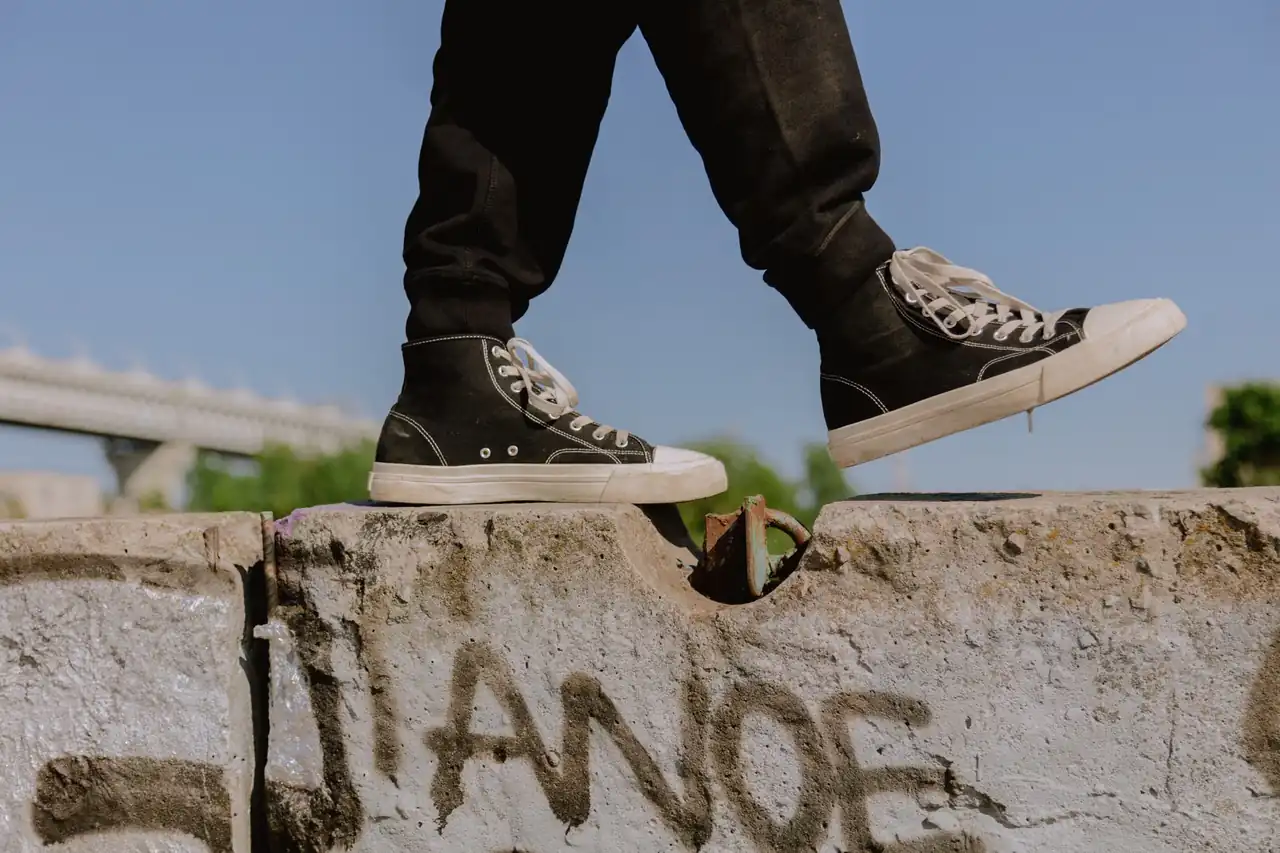
Walking with plantar fasciitis is often possible, but activity should not be treated as though every foot can tolerate the same load. The key is to maintain movement that the tissue can handle without causing a lasting flare-up. Complete rest is usually unnecessary, although continuing to walk long distances despite increasing pain does not support recovery.
The plantar fascia is a strong band beneath the foot, running from the heel to the base of the toes. It helps maintain the arch and transfer forces with every step. For that reason, the most useful approach is neither to walk regardless nor to stop completely, but to adjust duration, terrain, footwear and pace according to the foot’s response. The reaction over the following 24 hours is more informative than a fixed distance.
Walking Can Be Part of Recovery
Plantar fasciitis is linked to overload of the fascia and to the foot’s temporary inability to tolerate the forces placed on it. In many cases, the term describes plantar fasciopathy: a tissue adaptation problem that may involve irritation, thickening and degenerative changes, rather than only a brief episode of inflammation. This explains why a few days of rest may ease symptoms but not always solve the underlying issue.
The foot is designed to bear weight and move. Temporarily reducing demanding walks can be reasonable when pain is severe, but prolonged immobilisation may reduce calf strength, limit ankle movement and make a return to normal activity more difficult. A progressive, tolerable load helps preserve function without asking the tissue to handle more than it can recover from.
Walking does not cure plantar fasciitis on its own. Its value is that it preserves mobility, function and confidence while weight-bearing, provided it stays within a reasonable range. The aim is not to prove how much pain can be endured, but to avoid the cycle of overload, worsening symptoms, complete inactivity and renewed overload when daily life resumes.
How to Know Whether the Load Is Appropriate
Pain during a walk should not be interpreted in isolation. Mild discomfort that remains stable and settles when activity is reduced may be compatible with gradual exposure. By contrast, pain that increases step by step, changes the way you walk or makes you shift weight to the outside of the foot suggests that the demand currently exceeds tolerance.
The most practical check comes later. Notice how the foot feels in the afternoon and, especially, when you first get up the next morning. If the first steps are clearly worse for several days, if stiffness lasts longer or pain takes more than 24 hours to return to its usual level, the walk was probably too long, too fast or too frequent.
The weekly trend matters too. One bad day may follow a long period standing, a footwear change or an unusually hard surface. A steady rise in symptoms, limping or a continuing reduction in normal activities, however, is a reason to reduce load and review the diagnosis or treatment. Pain is a control signal, not an endurance test.
There Is No Universal Distance Limit
No single number of minutes or miles applies to everyone with plantar pain. Tolerance depends on symptom intensity, how long the problem has been present, body weight, ankle mobility, leg strength, footwear and previous activity levels. Someone used to daily walks may tolerate a load that is excessive for a person who has avoided weight-bearing for weeks.
A cautious progression involves short, regular walks before adding time or hills. If the foot remains stable, increases should be small and leave room to observe the later response. It is better to change one variable at a time: duration first, then pace, and only later slopes or uneven ground.
Daily obligations make this difficult. Going to work, shopping or standing cannot always be stopped. In those situations, spread out trips, take seated breaks and avoid concentrating all the load in one part of the day. Planning will not remove pain, but it can prevent many small exposures from becoming an excessive day.
Footwear and Terrain Change the Experience
A comfortable shoe can reduce demands on the heel, although there is no universal model for this condition. In general, people often tolerate shoes with a stable sole, adequate cushioning and room for the toes better. Moderate arch support may feel helpful, but a rigid insole or sudden footwear change can also increase symptoms. Gradual adaptation matters more than the product label.
During a painful phase, walking barefoot on hard floors or wearing very flat, flexible shoes may feel uncomfortable because it increases demand on the fascia and calf. Some people, however, tolerate short barefoot periods on soft surfaces. The reference should be the individual response, not a blanket rule. If the first morning steps hurt, avoiding barefoot walking around the house may be useful.
Terrain also changes the load. Smooth, even surfaces make foot placement easier to control than rocks, slopes or constantly changing levels. Asphalt is not automatically harmful, but a long walk on a hard surface may be less tolerable than a short, flat route. Pace, stride length and accumulated time can matter as much as the ground itself.
What to Do When Pain Appears While Walking
When discomfort develops during a walk, there is no need to move immediately from full activity to complete rest. Slow down, shorten the route and check whether you can walk without limping. If pain decreases after stopping and does not worsen later, the next session can be shorter. Walking with an altered gait creates uneven loading and may transfer the problem to the toes, ankle, knee, hip or back.
Cold may provide temporary relief after a demanding day, but it does not replace load management. Gentle ankle movements and moderate calf and plantar-foot stretches may also help, as long as they do not reproduce severe pain. Forcing the fascia until it produces a sharp sting does not speed repair and may irritate an already sensitive area.
Strength becomes important once the most painful phase is controlled. Progressive work for the calf and foot muscles improves the ability to tolerate load, although exercises should be adapted to each situation. Controlled discomfort is not the same as sharp pain: the difference lies in intensity, technique and the reaction over the following hours.
Rest, Exercise and Daily Life
Temporarily stopping running or jumping can be sensible if those activities sharply increase symptoms, but it does not mean abandoning all movement. Stationary cycling, swimming or water exercise often allow cardiovascular activity with less direct impact, although these options must also be adapted if they place the foot in an uncomfortable position.
Standing work deserves separate attention. A shift on a hard surface adds many hours of loading even without a long walk. Changing position, sitting during breaks, alternating tasks and wearing stable footwear may reduce accumulated pressure. Daily work load counts as much as planned exercise and often explains why pain does not improve despite reduced training.
For runners, returning to running should wait until walking and climbing stairs are tolerable and symptoms do not worsen the next day. After that, a combination of walking and running on flat ground can be introduced. Suddenly increasing volume, hills or speed is one of the most common ways to exceed the tissue’s adaptive capacity.
Symptoms That Guide You and Symptoms That Need Review
The classic pattern includes pain under or on the inner side of the heel, especially during the first steps in the morning or after sitting. It may ease after a few minutes of movement and return later in the day. Tenderness when pressing the fascia’s heel attachment and stiffness after rest are also common, although no single symptom confirms the diagnosis.
Heel pain can have other causes. A stress fracture, fat-pad injury, tendinopathy, nerve irritation or inflammatory disease may produce similar symptoms. A heel spur seen on an X-ray does not by itself prove that it causes the pain. Diagnosis must connect symptoms with examination, rather than relying only on an image.
Seek medical assessment when pain prevents normal weight-bearing, follows trauma, includes tingling or loss of sensation, wakes you at night or steadily worsens. Review is also appropriate if symptoms persist for several weeks despite reducing load or if work and basic activities are limited. Early assessment may prevent a painful gait from becoming a broader problem.
A Sensible Strategy for Walking More Again
Recovery is usually gradual. First identify which activities irritate the foot and which are tolerated. Then establish a comfortable walking baseline and repeat it for several days before increasing duration. Controlled consistency is usually more useful than isolated efforts followed by one or two days of severe pain.
Tracking the response can be simple: note the approximate walk duration, pain at the end and how the first steps feel the next day. There is no need to turn this into an obsessive measurement; recognising trends is enough. If the response remains stable, the next change can be small. If it worsens, return for a few days to the last well-tolerated level.
Stretching, strengthening, load education and, in some cases, orthoses or night splints may be part of management. No measure works equally for everyone, and products do not replace assessment when the diagnosis is uncertain. Recovery does not depend on finding one isolated trick, but on combining manageable loading with measures that improve the foot’s capacity.
The Road Toward Walking Without Fear
Plantar pain does not force a choice between ignoring symptoms and staying still. In most cases, adapted activity is compatible with recovery, while long walks, demanding terrain and pushing through increasing pain may prolong irritation. The most reliable guide is how the foot responds throughout the day and when you first get up.
Stable footwear, cautious progression and maintaining other forms of exercise make it possible to remain active without turning every step into a test. The goal is to rebuild tolerance, not immediately eliminate every sensation. When pain changes gait or fails to improve, assessment by a healthcare professional can rule out other causes and guide appropriate treatment.
The plantar fascia carries a significant share of daily life: standing up, walking, running and remaining on your feet. Treating it patiently does not mean protecting it from every load, but restoring capacity in an orderly way. The most useful step is often the simplest: adjust what the foot receives today so it can tolerate a little more tomorrow.



How to prevent thigh chafing: causes and real solutions

Women’s running windbreakers: seven jackets and how to choose

Do more workouts get rid of soreness? A guide for runners

Jaén Half Marathon 2026: Record 3,800 Runners Registered

Men’s short running tights: how to choose the right pair

World Triathlon confirms data breach involving medical data

Izan Edo targets podium at Miyazaki World Cup

María Pérez ranks ninth in World Athletics’ 2026 top ten

Dos Santos, Duplantis and Sawe: World Athlete of the Year finalists

San Silvestre Vallecana 2026: 42,000 places, prices and start times

 Races4 months ago
Valencia Half Marathon 2027: date and registration

 Reviews and Comparisons4 months ago
Asics Gel-Roadmiles 3 for men: review and current price

 Races4 months ago
Valencia Marathon 2026: entry, ballot and course

 Reviews and Comparisons4 months ago
Asics Gel Sonoma 8 Gore-Tex: complete analysis for trail and rain

 Sneakers3 months ago
Saucony Endorphin Pro 4: full review and verdict

 News5 months ago
Strava API 2026: what changes for clubs, challenges and runner apps?

 Reviews and Comparisons5 months ago
Nike Alphafly 3: opinions, sensations, and real key points

 Reviews and Comparisons4 months ago
Under Armour running shoes review 2025-2026: models and key features

 Sports Equipment4 months ago
Shoe sizes in cm: a clear guide to getting the right fit for your footwear

 Sneakers3 months ago
Skechers GO RUN Consistent 2.0 analysis: comfort and limits

 News5 months ago
Valencia Marathon 2026 route: key tips to train and run better

 Sneakers4 months ago
Adidas Adizero Boston 13 for men: review and verdict