News
Men’s running tights: buying guide and real-world use with useful tips
Fabrics, fit, pockets, cold and compression: everything that changes the experience of running in these garments.

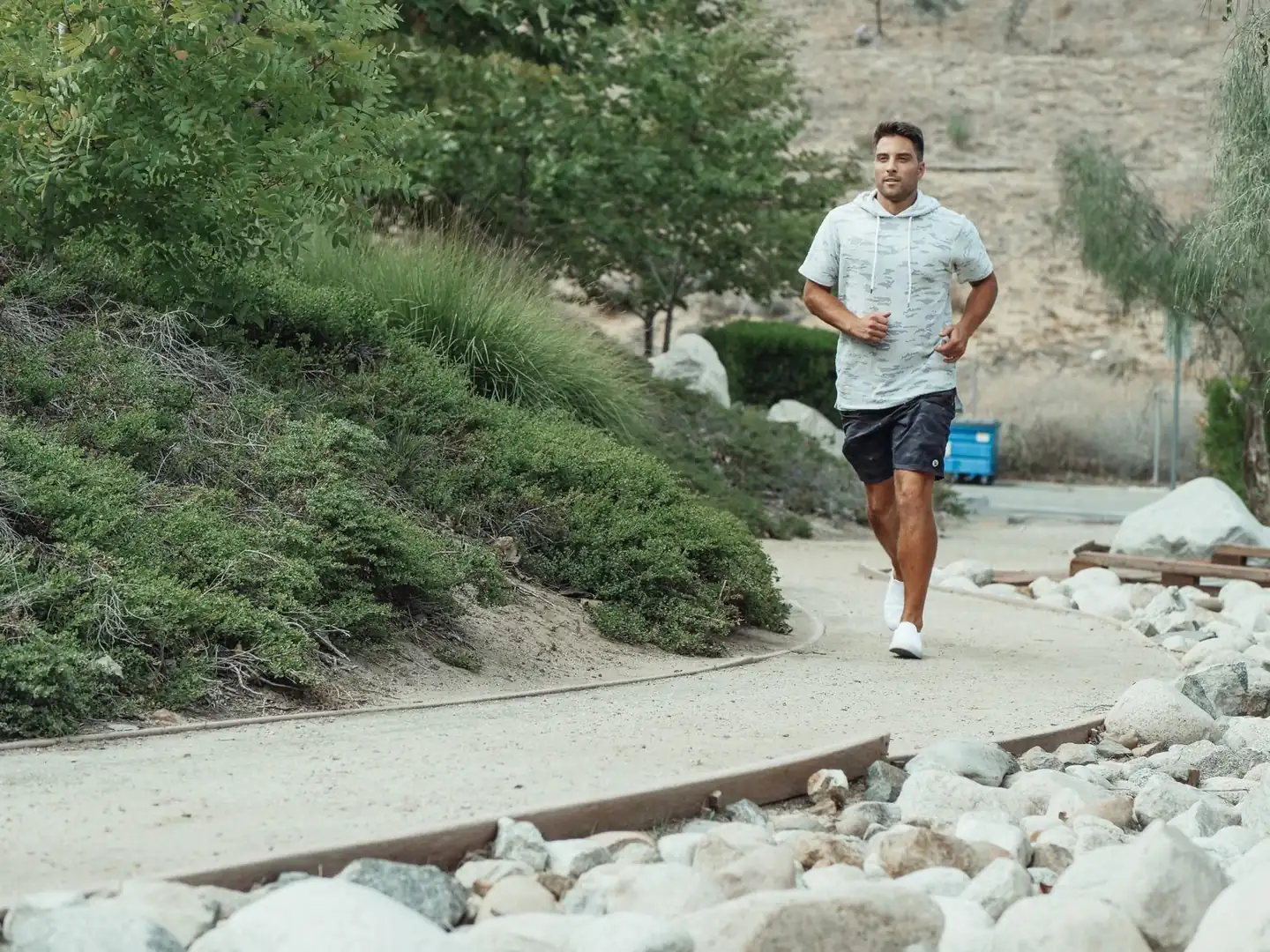
Men’s running tights differ in length, fabric and how closely they fit. Short tights are often practical in warm weather; full-length tights provide coverage against the cold, while compression tights offer a firmer sense of support. Choosing well means considering the weather and distance as well as a secure waistband and seams that do not irritate.
In Spain, prices can start at around €14 for basic garments and exceed €200 for technical, high-support designs. Between those extremes are options for road running, mountain trails and winter training. Price alone does not determine whether tights will fit better or make you run faster.
What close-fitting clothing offers runners
Well-fitting tights move with the leg and reduce the amount of fabric shifting against the skin. Compared with loose shorts, they provide a steady feeling of support that some runners prefer for training or racing. Their main advantage is practical: they stay in place without needing to be pulled up every few strides.
Coverage also affects comfort. A leg that reaches the area where the thighs touch can reduce direct rubbing, but it will not eliminate all chafing: poorly placed seams, folds or trapped moisture can cause it too. On a long run, a detail that seemed insignificant during a fitting at home can become noticeable.
Conventional running shorts remain a valid alternative for anyone who prefers a looser feel. Two-in-one shorts combine an inner tight with a loose outer layer; they offer a different look and more coverage, but add fabric and can feel warmer. The inner layer should not ride up or bunch.
Short, three-quarter and full-length tights
Short tights for warmth and freedom of movement
Short tights cover the hips and part of the thigh. Some end at mid-thigh, while others come close to the knee. The former leave more skin exposed; the latter provide more inner-thigh coverage, which may appeal to runners who experience friction there.
They are common in summer, on the track and during hard sessions, although length is not the whole story. Short tights made from thick fabric can feel warmer than a pair with light, ventilated panels. The width and finish of the leg opening matter too: if it rolls up or grips too tightly, discomfort can appear even on a short run.
Three-quarter and full-length tights for more coverage
Three-quarter tights usually end below the knee. They offer an intermediate option for changing seasons or for anyone who wants more leg coverage without going down to the ankle. When the knee bends, the hem should remain comfortable; if it pulls or moves, that length may interfere with the stride.
Full-length tights normally reach the ankle and cover more skin against cold air. Some are thin enough to work as a light layer; others have a brushed lining or thermal fabric. They can also provide coverage against branches and vegetation on trails, without being resistant to every kind of abrasion.
Some full-length designs have ankle zips that make them easier to put on and take off. These can be useful when dressing over other layers, but they add a component that should sit comfortably against the skin and not catch on the fabric.
Valencia’s climate and training intensity
Along the Valencian coast, warm and humid days make lightweight short tights practical for much of the year. Inland in the Valencian Community, a cold or windy morning may make full-length tights more appealing. The time of day and the route can change how conditions feel even within the same province.
The body also produces more heat during a fast session than on an easy run. A garment that feels comfortable for the first few minutes can become too warm as intensity rises. There is no universal temperature for switching between short and long tights: wind, humidity and individual tolerance all play a part.
Breathable fabrics help move moisture towards the surface, where it can evaporate. That does not mean skin will stay dry: in high humidity, with heavy sweating or little wind, evaporation is slower and the fabric can become soaked.
Some garments have a water-repellent finish for splashes or light rain. Water-repellent does not mean waterproof: prolonged exposure can soak the fabric, and the treatment becomes less effective with use. Likewise, anyone looking for sun protection should check that the garment specifies it; exposed skin still needs sun protection.
Size and fit: what a fitting should reveal
Tights should fit closely without making it difficult to breathe comfortably or restricting the hips and knees. The waistband should not dig in, roll over or continually slip down. A drawcord can fine-tune the fit, but it cannot fix the wrong size or a cut that does not suit the body.
Measurements vary between brands and models. A size chart, particularly one that includes waist and hip measurements, is more useful than always choosing the same letter. When trying tights on, walking, lifting the knees and doing a squat can reveal tight spots, show where the seams sit and indicate whether the fabric remains sufficiently opaque when stretched.
When between sizes, automatically choosing the smaller one for more compression is a poor rule. Excess pressure can restrict movement or leave lasting marks. For compression garments, the manufacturer’s sizing guidance and comfort in motion matter more than the idea that tighter is always better.
Online shopping makes the home fitting especially important: tights that feel right while standing may move once the pockets are loaded or the hips are flexed. Before buying, check the exchange and returns policy, including any requirements concerning tags and the garment’s condition, as these vary between retailers.
Compression and support: realistic expectations
Compression tights are designed to apply pressure to particular areas and provide a firm sensation. Some offer graduated compression, meaning pressure varies along the garment. A close fit alone does not mean tights provide measurable graduated compression.
Research into these garments has produced mixed results. Improved performance, reduced muscle damage and faster recovery cannot be guaranteed for every runner. A feeling of support can be a valid reason to choose them, but they are no substitute for rest, adequate nutrition or an appropriate training load.
Sports compression clothing is not the same as a prescribed medical garment. If there is pain, persistent swelling, tingling or a known vascular condition, do not try to resolve it by choosing a smaller size: it should be assessed by a healthcare professional.
Fabrics and seams that affect comfort
Many tights combine polyester or polyamide with elastane. The first two fibres have different properties depending on their construction and finish; elastane helps the fabric stretch and recover its shape. Thickness, density and ventilation panels influence the feel as much as the composition on the label.
Commercial technology names can help identify a function, but they do not replace a close look at the garment. Thin fabric generally prioritises lightness; denser fabric can provide more coverage or warmth and take longer to dry. Stretch should accommodate a long stride without pulling at the crotch or behind the knee.
Flat or reduced seams can limit friction points, but their position is as important as their shape. The inner thigh, waistband and crotch are sensitive areas. A wide waistband can distribute pressure more evenly, while a rigid hem or bulky seam may become uncomfortable as the miles pass.
Pockets for roads, long runs and trails
Carrying capacity varies considerably between tights. A small key pocket may be enough for a short outing; on a long run, a phone, card and gels need more space. A zipped pocket can keep small objects more secure, while a stretchy side pocket makes them easy to reach.
The presence of a pocket does not guarantee that every phone will fit or that its contents will stay stable. The most useful test is to insert the objects usually carried on a run and move with them: bouncing, weight on the waistband or a hard edge against the hip can completely change how the garment feels.
Trail designs sometimes include several pockets and an integrated belt around the waist. They allow light objects to be distributed, although too much weight can pull the garment down. Compatibility with a hydration vest also matters: a full rear pocket may be uncomfortable under a pack or when sitting down.
A lined pocket or splash-resistant fabric does not necessarily make its contents waterproof. A suitable pouch may be needed to protect a phone from rain or sweat. In trail races, pockets do not replace mandatory equipment required by the organiser.
Prices and what changes between ranges
There is a wide price range in Spain. Basic options can be found from around €14, while garments around €35–€70 may combine pockets, reflective details or specialist fabrics. Technical ranges include items at €120, €180 and over €200. These are indicative ranges and vary with the season, retailer and discounts.
The difference can reflect construction, a thermal lining, carrying capacity or a more elaborate compression design, but also the brand and its pricing. A simple pair that stays in place and does not chafe may be more useful for daily training than a more expensive pair with features the runner will not use.
Nike, adidas, Asics, Brooks, Saucony, Mizuno and New Balance are among the brands in this category, alongside compression and trail specialists. Their ranges contain different cuts and features; comparing specific garments for the same use is more informative than assigning one fixed advantage to an entire brand.
Visibility and other training sessions
Reflective details help other road users identify a runner when light falls on them. They do not produce light or guarantee visibility from every angle. On dark streets or roads, a personal light and an appropriate route complement the reflective strips or logos on clothing.
Running tights can also work for the gym, running drills or strength training if they allow unrestricted hip movement and squats. For cycling, however, they do not necessarily replace padded cycling shorts designed for prolonged contact with the saddle.
Underwear is another personal choice. Some garments have a liner, while others can be worn with sports underwear. In that case, the extra layer should not bunch or place uncomfortable seams against contact areas; adding more fabric does not automatically solve friction.
Garment life is shaped after the run too
The garment’s care label takes priority when washing. As a general guide, turning it inside out, using a gentle cycle and avoiding fabric softener helps protect fibres and finishes. A wash at 30 degrees Celsius may be appropriate if the manufacturer permits it. Air-drying avoids unnecessary heat exposure for elastic fabrics.
Leaving damp clothing in a bag for a long time encourages unpleasant odours. Airing it after training and checking the seams occasionally helps keep it in good condition. Age alone tells less than a waistband that has lost tension, a worn area or a seam that has begun to rub: these are signs that the garment no longer performs as it once did.
Este artículo contiene enlaces de afiliado: si compras a través de ellos, se genera una pequeña comisión sin coste adicional para ti. Más información.



How to prevent thigh chafing: causes and real solutions

Women’s running windbreakers: seven jackets and how to choose

Do more workouts get rid of soreness? A guide for runners

Jaén Half Marathon 2026: Record 3,800 Runners Registered

Men’s short running tights: how to choose the right pair

World Triathlon confirms data breach involving medical data

Izan Edo targets podium at Miyazaki World Cup

María Pérez ranks ninth in World Athletics’ 2026 top ten

Dos Santos, Duplantis and Sawe: World Athlete of the Year finalists

San Silvestre Vallecana 2026: 42,000 places, prices and start times

 Races3 months ago
Valencia Half Marathon 2027: date and registration

 Races3 months ago
Valencia Marathon 2026: entry, ballot and course

 Reviews and Comparisons4 months ago
Asics Gel-Roadmiles 3 for men: review and current price

 Reviews and Comparisons4 months ago
Asics Gel Sonoma 8 Gore-Tex: complete analysis for trail and rain

 Sneakers3 months ago
Saucony Endorphin Pro 4: full review and verdict

 News5 months ago
Strava API 2026: what changes for clubs, challenges and runner apps?

 Reviews and Comparisons5 months ago
Nike Alphafly 3: opinions, sensations, and real key points

 Reviews and Comparisons4 months ago
Under Armour running shoes review 2025-2026: models and key features

 Sports Equipment4 months ago
Shoe sizes in cm: a clear guide to getting the right fit for your footwear

 Sneakers3 months ago
Skechers GO RUN Consistent 2.0 analysis: comfort and limits

 News5 months ago
Valencia Marathon 2026 route: key tips to train and run better

 Sneakers4 months ago
Adidas Adizero Boston 13 for men: review and verdict