News
Recover after a night run: dinner, sleep and legs the next day
Keys to hydrate, eat, cool down the body, and rest better after running at night without dragging fatigue.

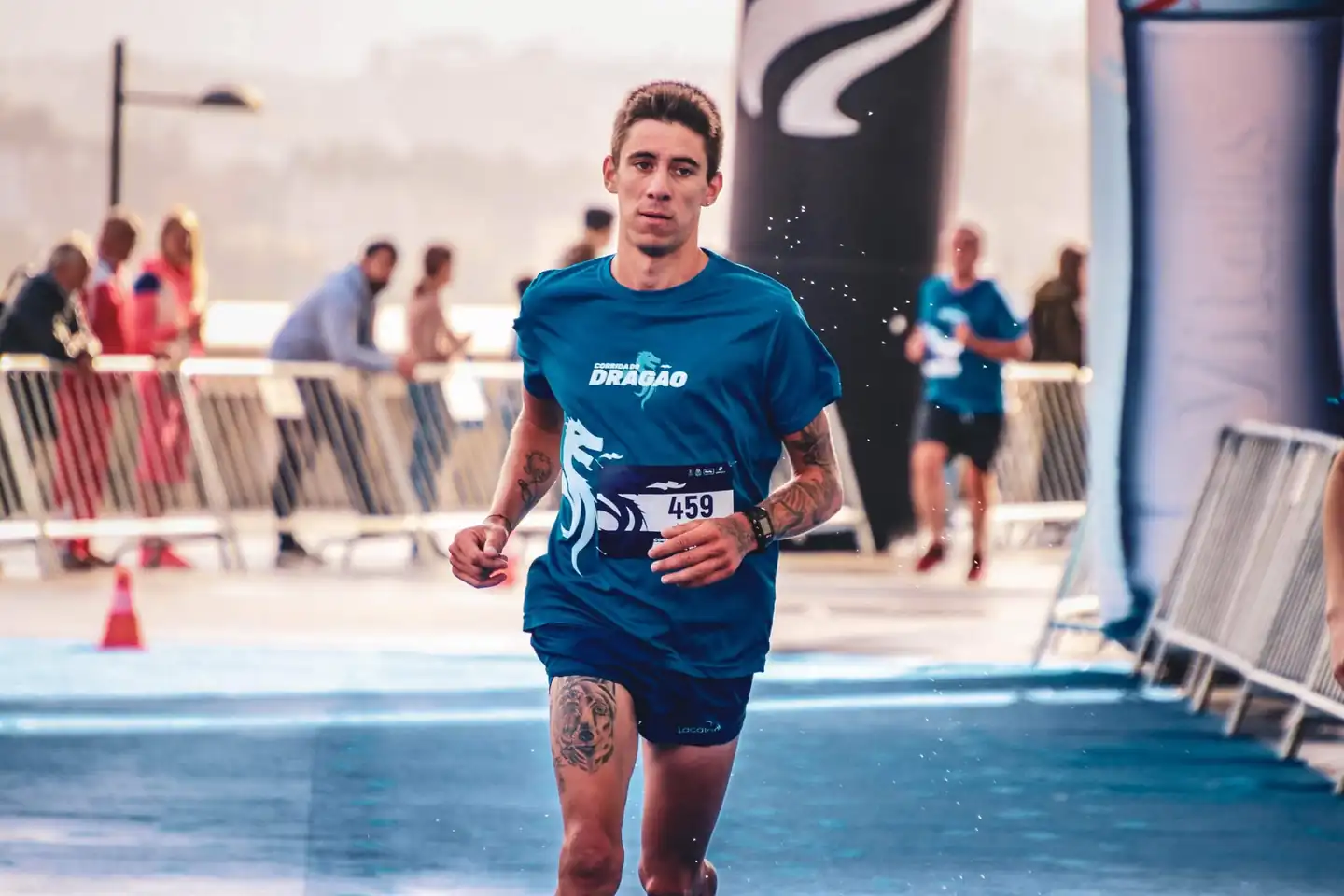
The finish of a night race leaves a very particular mix of fatigue and clarity. The body comes in loaded, the breathing is still sounding inside the chest and, at the same time, the adrenaline from the finish line doesn’t shut off all at once. In that stretch of minutes, recovery starts before getting back home: how the body is cooled down, what is drunk, what is eaten and how much rest is taken makes the difference between waking up with heavy legs or with manageable fatigue.
In a race run at night, moreover, the margin for error gets tighter. The runner has usually spent hours adjusting schedules, meals and caffeine; then comes exposure to humidity, the late-night cold or a dehydration that sometimes shows up late. That is why recovering after a night race is not just about stretching and sleeping, but about putting in order a short, sensible sequence to restore stability to the body and reduce the blow of the effort.
What the body asks for when the lights go out
After crossing the finish line, the cardiovascular system is still racing, the muscles are warm and the glycogen stores have been affected to a greater or lesser extent depending on the distance and intensity. The first goal is to move from competition mode to repair mode without sudden changes. Walking for a few minutes, lowering the heart rate and recovering nasal breathing if possible helps the blood keep moving and keeps all the work from staying trapped in exhausted muscle.
In a night race, that transition has an extra layer: the environment is misleading. It may feel cool, but the body is still producing heat; it may seem like everything is fine because you’re no longer running, but the nervous system is still excited. That combination explains why so many people get home with a high pulse, a dry mouth and a feeling of emptiness that doesn’t go away just by sitting down. You shouldn’t go straight from the finish line to the sofa without a cool-down, because the body needs a few minutes to reset tension, fluids and temperature.
There’s also a practical detail that gets underestimated. If clothing stays damp from sweat or rain, changing as soon as possible avoids uncomfortable chills and helps preserve mobility. A dry T-shirt and a light layer may seem like a small gesture, but in night recovery they work almost like a switch: the body gets the signal that the load is over and can start to slow down.
Hydrating is not drinking by inertia
After running, drinking water is usually the first reaction, but it’s not always enough to take a couple of random sips. In long efforts or in heat, sweat carries away water and electrolytes, especially sodium, and that loss turns into persistent thirst, cramps or that strange fatigue that doesn’t go away even when you sit down to rest. The most useful thing is to drink in spaced-out amounts during the first hour and keep going through the night without emptying a bottle all at once.
In night races, the risk of underestimating dehydration is greater because the ambient temperature can be misleading. The body has been producing internal heat for a while and, if the race was intense, the feeling of dryness shows up late. Urine is still a very basic but useful indicator after a few hours: a lighter color usually points to better rehydration, while a very concentrated tone suggests there is still fluid missing.
Mineral drinks can be useful when the race has been long, sweating has been heavy or the pre-race meal was small. It’s not about turning any race finish into a laboratory, but about understanding that water alone sometimes doesn’t fully replace what has been lost. Fruit, light broths or a drink with sodium may fit better than keeping on with coffee, sugary soft drinks or alcohol, which make replenishment harder and disrupt the sleep that follows.
Eating after running at night without punishing digestion
The most practical window to replenish energy opens in the first hour after the effort, although there’s no need to turn it into an exact countdown. What matters is giving the body carbohydrates to restore glycogen and protein to repair muscle tissue. In short races the demand is lower; in a half marathon or marathon, that intake matters more because the fuel tank comes out much more depleted.
At night, the key is lightness. A huge plate at eleven or midnight can sit worse than a simple, warm and easy-to-digest meal. Rice, potatoes, pasta, bread, yogurt, eggs, turkey, ripe fruit or a shake with a dairy or plant-based base may fit better than fried foods, heavy sauces or too much fiber. Recovery doesn’t require eating a lot, but eating with judgment.
It’s also worth remembering that the body doesn’t process a 5K the same way it does a 21K or a marathon. In short distances, the priority may be to hydrate, have something and sleep. In longer distances, repair needs more room and more consistency in the hours afterward. If the race ended very late, a split dinner can work better: something right after finishing and another light intake when getting home, instead of one heavy meal that steals sleep.
Cooling the body down without shutting it off all at once
The legs seem to ask for stillness, but in reality they appreciate a gradual drop in activity. A short walk, some joint mobility and a few minutes of calm breathing help more than stopping dead right away. That gesture keeps blood flowing and helps venous return from stalling, something especially useful after efforts with pace changes or built-up heat.
Stretching deserves an important nuance. No forcing a tissue that is already fatigued just after finishing. In practice, gentle mobility is usually more useful than intense stretching in the first few minutes. Moving ankles, knees, hips and back through a comfortable range can ease the feeling of stiffness without adding micro-strains to muscles that are already loaded. The job is to lower tension, not to gain flexibility at the last minute.
Cold baths or showers alternating warm and cold water are still a strategy widely used by many runners, especially when the legs are overloaded. Their main value is easing the feeling of heaviness and helping control subjective inflammation. Even so, they are not an obligation or a universal recipe. If the race was short and the body isn’t too beaten up, a normal bath, dry clothes and rest may be enough.
Sleep decides more than it seems
The night after a race is not just any night. The nervous system is still activated, body temperature takes time to drop and, in some runners, the mix of euphoria and exhaustion makes it hard to fall asleep. The goal there is not to sleep perfectly the first time, but to set the stage for rest to arrive: low light, screens out of sight, a cool room and a routine without surprises.
Sleep is the great repair workshop. During those hours the body regenerates tissues, reorganizes hormones and resets the accumulated effort. Sleeping between seven and nine hours is usually a reasonable reference for most adults, although after a long race more continuity or even a short nap the next day may be needed. If the night was late, recovery gains a lot from a calm morning, without rushing or immediate training.
What is avoided also matters. Alcohol, even if it’s the social temptation at the finish line, makes hydration harder and worsens sleep quality. Late caffeine can do something similar. After running at night, the smart thing is to think of rest as a second half of the race: invisible, but decisive. Without enough sleep, repair comes late and fatigue drags on.
The signs that show recovery is going well
Recovery is not measured only by soreness. A runner may feel heavy legs and still be progressing well if thirst goes down, appetite returns and the pulse normalizes. The best reference is usually how things feel upon waking: less stiffness, a looser stride and a general fatigue that doesn’t spike when getting out of bed. All of that points to the body reordering the effort.
It’s worth paying attention to symptoms that no longer belong in the usual territory of tiredness. Persistent dizziness, strong nausea, sharp localized pain, cramps that won’t ease or a disproportionate feeling of weakness call for caution. The fatigue from a long race shouldn’t come with medical alarm. If recovery turns into discomfort that doesn’t ease with hydration, food and rest, the right thing is to seek medical assessment.
It also matters to compare yourself with yourself, not with other runners. Some people can walk easily the next day and others need 48 hours to notice a clear improvement. Age, fitness level, distance, elevation gain and the night’s heat all change the picture. That’s why shortcuts and universal formulas usually fail: the body doesn’t sign the same contract in every race.
What hits a night runner hardest and how it shows up afterward
Night races have a mix of factors that can leave a mark beyond muscular effort. A poorly planned pre-race meal, irregular hydration, temperature changes at the finish and the adrenaline of the late hour can upset the stomach, sleep and the perception of fatigue. In some people, artificial light and the noise at the finish line also prolong mental activation as if the brain were still in competition.
That is why, after running at night, recovery doesn’t start in bed but at the finish line. If the body is cooled down carefully, if fluids are replaced little by little, if food is simple and the false reward of excess is avoided, the next morning usually arrives less harshly. The feeling is not that the effort has been erased, but that it has been ordered so it leaves less of a bill.
The runner who gets home, changes, drinks sensibly, eats without heaviness and sleeps enough is not doing a sophisticated ritual. They are simply respecting biology. And in a night race that matters a lot: when the clock moves toward dawn, the best medicine is still the same as always, rest, useful food, proper hydration and patience.
The race ends, but repair goes on for hours
The most common mistake after a night race is to think everything was settled once the finish line was crossed. In reality, the effort keeps working inside the body for hours and even into the next day. Muscle fibers repair small damage, energy stores are replenished and the nervous system gradually lets go of the accumulated tension. That repair is not visible, but it can be felt when the next day the body responds with less stiffness and more ease.
That is why it’s so important not to confuse recovery with absolute inactivity. Sometimes a short walk, a warm shower, a light dinner and a few hours of sleep are worth more than a string of improvised remedies. What works is usually less flashy than what looks impressive: drink, eat, cool down, rest. The rest is decoration.
Night races have a special beauty because they turn the city into something else and the runner into someone who reaches the finish at an unusual hour. But that magic has a very concrete biological cost. Taking care of it is not a secondary detail or a luxury sports gesture; it is what keeps the effort from turning into a drag for several days and lets the next workout find the body ready, not broken.
Este artículo contiene enlaces de afiliado: si compras a través de ellos, se genera una pequeña comisión sin coste adicional para ti. Más información.



How to prevent thigh chafing: causes and real solutions

Women’s running windbreakers: seven jackets and how to choose

Do more workouts get rid of soreness? A guide for runners

Jaén Half Marathon 2026: Record 3,800 Runners Registered

Men’s short running tights: how to choose the right pair

World Triathlon confirms data breach involving medical data

Izan Edo targets podium at Miyazaki World Cup

María Pérez ranks ninth in World Athletics’ 2026 top ten

Dos Santos, Duplantis and Sawe: World Athlete of the Year finalists

San Silvestre Vallecana 2026: 42,000 places, prices and start times

 Races3 months ago
Valencia Half Marathon 2027: date and registration

 Races3 months ago
Valencia Marathon 2026: entry, ballot and course

 Reviews and Comparisons4 months ago
Asics Gel-Roadmiles 3 for men: review and current price

 Reviews and Comparisons4 months ago
Asics Gel Sonoma 8 Gore-Tex: complete analysis for trail and rain

 Sneakers3 months ago
Saucony Endorphin Pro 4: full review and verdict

 News5 months ago
Strava API 2026: what changes for clubs, challenges and runner apps?

 Reviews and Comparisons5 months ago
Nike Alphafly 3: opinions, sensations, and real key points

 Reviews and Comparisons4 months ago
Under Armour running shoes review 2025-2026: models and key features

 Sports Equipment4 months ago
Shoe sizes in cm: a clear guide to getting the right fit for your footwear

 Sneakers3 months ago
Skechers GO RUN Consistent 2.0 analysis: comfort and limits

 News5 months ago
Valencia Marathon 2026 route: key tips to train and run better

 Sneakers4 months ago
Adidas Adizero Boston 13 for men: review and verdict