News
The best running shoes for shin splints
Cushioning, stability and heel-to-toe drop: the key points when choosing shoes for painful shins.

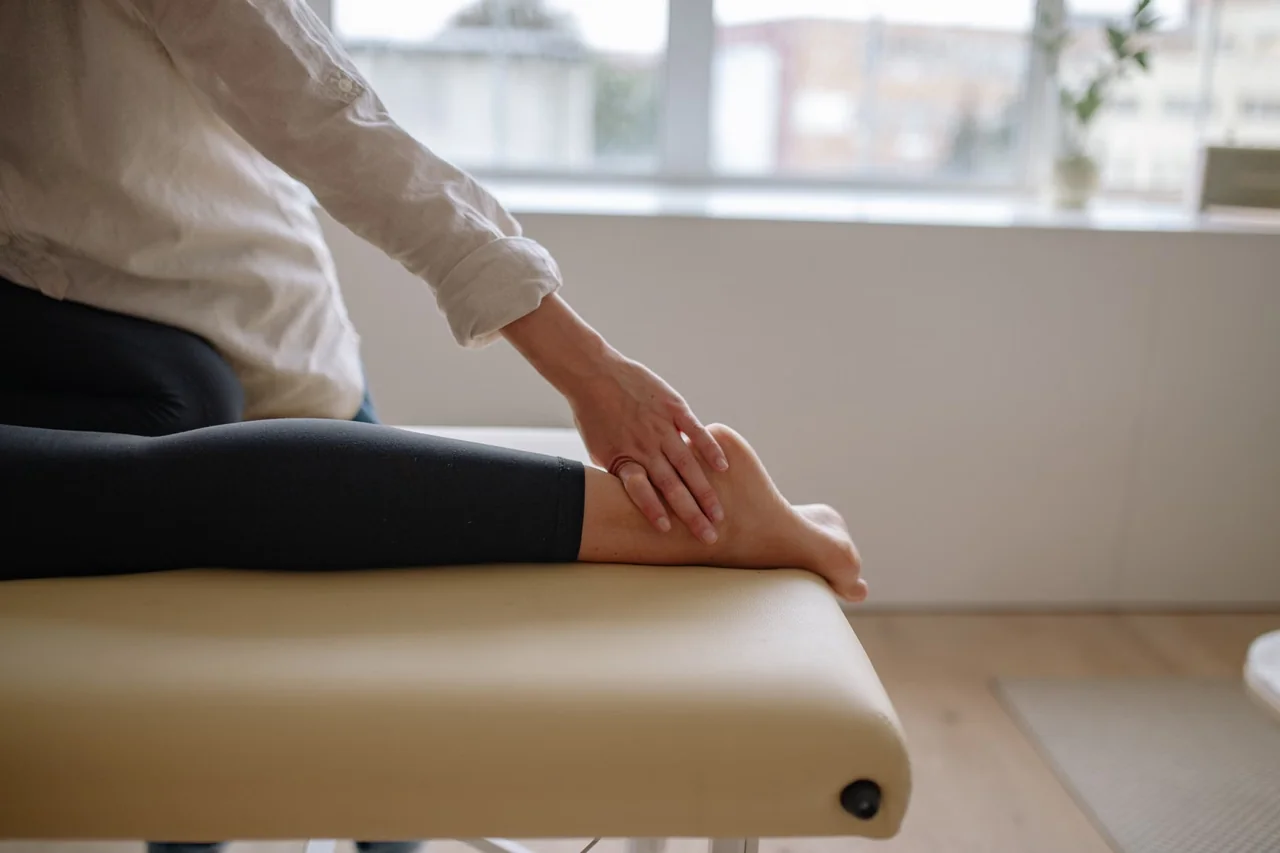
Shoes can significantly change how a run feels when pain appears along the inside of the shin, but they cannot turn an injury into a resolved problem. Running with shin splints usually calls for a shoe with enough cushioning, a stable base and a fit that does not make the foot work harder than necessary. The choice should also match the runner’s weight, pace, surface and natural stride.
Models that fit this profile include very different options such as HOKA Clifton 10, ASICS GEL-Kayano 33, Brooks Glycerin GTS 23, Mizuno Wave Sky 9, HOKA Speedgoat 7 and Salomon Aero Glide 4 GRVL. They are not interchangeable and do not suit every runner: some are designed for roads, others for trails, and some provide more guidance. The right shoe is the one that removes unnecessary demands without suddenly changing familiar mechanics.
What really happens when the shin hurts
The condition commonly called shin splints usually refers to medial tibial stress syndrome, an overload problem that causes pain along the inner lower leg, between the ankle and knee. It may appear at the start of a session, become stronger as the miles pass or remain uncomfortable after running. In its early stages it often feels diffuse; as it progresses, walking or pressing the area may also hurt.
The popular name can suggest a single cause, but the problem usually follows several changes combined. Increasing mileage too quickly, adding hills or intervals, moving from the gym to asphalt, running in heavily worn shoes or returning from a break without adaptation are common situations. Footwear matters, although it rarely explains the origin of the pain on its own.
The shin absorbs repeated loads with every landing, while the calf muscles control how the foot moves. If the load exceeds the tissues’ ability to adapt for several weeks, the structures around the bone may become irritated. Very localized pain, pain at night, pain while walking or pain that increases when hopping deserves medical assessment, because a bone stress injury can resemble ordinary shin splints.
What a good running shoe should provide
The midsole is the first element to examine. Ample, consistent foam can filter some ground vibration, particularly on asphalt and sidewalks, while a broad platform helps spread pressure. There is no need to choose the softest shoe available: useful cushioning combines protection with a predictable response, without excessive sinking that forces the body to stabilize at every step.
Heel-to-toe drop, the height difference between the heel and forefoot, also changes how effort is distributed. An approximate range of 8 to 12 millimeters feels comfortable for many runners with calf or shin overload because it reduces some tension in the Achilles complex. It is not a universal rule. Moving suddenly from a high-drop shoe to a zero-drop model can load exactly the muscles that need protection.
Stability does not necessarily mean a rigid piece forcing the foot into one position. In current designs it may come from a broad base, sidewalls, guidance geometry or an outsole that limits excessive movement. Runners whose ankles roll inward noticeably or who feel the foot collapsing may benefit from more guided construction, but natural pronation does not automatically need correction.
Fit completes the package. The toe box should allow the toes to spread, with roughly a thumb’s width between the longest toe and the front of the shoe. The heel, by contrast, should remain secure without painful pressure. A foot sliding inside the shoe makes the lower-leg muscles perform constant small adjustments; a cramped foot can create compensations and change the stride.
HOKA Clifton 10, a balanced road option
The Clifton stands out by offering substantial foam without becoming an especially heavy shoe. Its rocker-style transition geometry makes the movement from heel to forefoot easier and can feel comfortable when the lower leg is tired. It has a neutral ride, so it suits runners who do not need a specific control system.
Its tall profile creates a generous barrier against hard asphalt and makes it suitable for easy runs, walking and recovery sessions. It is a reasonable option for runners seeking protection and smooth transitions without choosing a stability shoe. The cushioned feel will not suit everyone, however, especially runners who prefer direct ground contact or a sharper response during intervals.
The Clifton fit usually works best for feet of average width. Runners who need considerable forefoot room should try the shoe first, because a comfortable midsole cannot compensate for a cramped toe box. Height should also be considered: the more voluminous a shoe is, the more different it may feel during corners, direction changes and uneven terrain.
ASICS GEL-Kayano 33 and Brooks Glycerin GTS 23: comfort with guidance
The GEL-Kayano 33 is aimed at runners who need additional guidance during the stride. Its 4D Guidance system works with the shoe’s geometry to control excessive movement without the abrupt feeling associated with older medial supports. FF BLAST PLUS foam and PureGEL under the heel complete a design intended for long runs and daily training.
Its stable platform can help when fatigue makes the ankle roll inward and the shin muscles work continuously. A stable shoe is not automatically better for every runner with pain. The Kayano may feel cumbersome to someone with a neutral stride who prefers a lighter or more flexible model.
The Brooks Glycerin GTS 23 follows a similar approach through GuideRails, which acts as a lateral guide when the leg loses alignment. Its DNA Tuned foam seeks a blend of softness and energy return, with a plusher feel than a performance-focused shoe. It is an interesting option for runners who prioritize comfort on long routes and notice their stride control deteriorating as the miles accumulate.
The difference between the two should not be decided by the pronation label alone. Width, weight, flexibility and heel feel all matter. A stability shoe should feel unobtrusive while walking, not like a fight against your own stride. Trying it while walking and jogging for a few minutes provides more information than simply reading about midsole technology.
Mizuno Wave Sky 9 for cushioning with response
The Wave Sky 9 provides a protected ride without feeling as soft as some runners expect from a maximum-cushioning shoe. MIZUNO ENERZY NXT foam supplies an elastic response, while the Wave structure gives the foot a sense of direction. The result suits daily training at moderate paces and runners who do not want to lose all feeling of forward movement.
Its construction can reduce the sensation of harsh impact on hard surfaces, although comfort depends on the individual. A responsive shoe is not automatically aggressive toward the shin; what matters is that it does not encourage running faster than the tissues can currently tolerate. During a painful phase, a lively response should make the stride comfortable, not turn every easy run into a speed workout.
The upper and shape provide a secure fit for runners who want the foot held in place over long routes. People with high insteps or a strong need for lateral room should check for pressure across the upper. A good lockdown keeps the heel stable but should never cause tingling, numbness or friction points.
Salomon Aero Glide 4 GRVL for roads and compact paths
Runners who combine bike lanes, asphalt, parks and gravel paths need something different from a purely urban shoe or a technical trail model. The Aero Glide 4 GRVL uses a substantial midsole and a moderate outsole pattern, enough to improve grip on compact surfaces without feeling as clumsy as a shoe with deep lugs.
This balance is useful when the terrain changes during one session. Repeated slipping makes the calf contract abruptly and can increase the load on a painful area. Reliable traction does not cure shin splints, but it prevents every insecure landing from adding unnecessary muscular work.
The quick-lacing system keeps the foot secure, although it should not be tightened excessively. A gravel shoe is not the obvious choice for runners who only use tracks or smooth asphalt, since its outsole may sacrifice a little lightness. For mixed routes, urban parks and firm dirt, however, it is a coherent solution.
HOKA Speedgoat 7 when the problem appears on trails
On trails, impact absorption is not the only priority. Rocks, roots, gradients and changing foot placements require a secure platform, a grippy outsole and enough protection against irregular surfaces. The Speedgoat 7 combines a generous midsole with a Vibram Megagrip outsole and pronounced lugs, a package intended for technical paths and demanding descents.
The cushioning helps soften landings on rocky ground, while grip limits the small slips that make the calf contract suddenly. For a sensitive shin, secure footing can be as important as the amount of foam under the foot. Even so, the model may be excessive for city walking or running only on asphalt.
Trail running also brings an important warning: protective shoes do not allow runners to ignore the accumulated load of descents. Elevation and uneven ground increase the work performed by the muscles controlling the ankle. If pain appears in the mountains, temporarily shortening the route and choosing less technical terrain is usually wiser than looking for an even more robust outsole.
Choosing according to stride, terrain and timing
The choice should begin with real use. For asphalt and easy runs, a cushioned neutral shoe such as the Clifton 10 or Wave Sky 9 may offer a suitable balance. Runners needing lateral guidance may find more sense in the Kayano 33 or Glycerin GTS 23. On mixed paths, the Aero Glide GRVL adds versatility, while the Speedgoat 7 belongs to a mountain setting with different demands.
Body weight and distance matter, although they do not decide the shoe by themselves. A heavier runner may value a broad platform and foam that does not collapse too much, while a lighter runner may prefer a more agile model. In both cases, stability should remain present when fatigue increases, not only during the first minutes of a store test.
Heel-to-toe drop deserves a gradual transition. If someone has run for years in a high-drop shoe, suddenly moving to a minimalist or zero-drop model can overload the calves and soleus. There is no demonstrated automatic benefit for preventing medial tibial stress syndrome. Minimalist shoes are not a universal solution either: they require adaptation, strength and careful progression.
Try the size late in the day, when the foot is slightly more swollen, and wear the socks normally used for running. Leave room at the front, check that the heel does not lift and look for irritating seams. An excellent shoe on paper becomes unsuitable if the size, shape or closure does not match the actual foot.
The shoe does not replace recovery
Changing shoes may reduce discomfort, but it cannot compensate for a sudden mileage increase, a series of hill sessions or several consecutive high-intensity days. Temporarily reducing load, returning gradually and strengthening the calf, soleus, glutes and foot muscles are part of a more complete recovery. Rest is not lost fitness; it is the period when tissue absorbs the training stimulus.
It also helps to review the surface and session structure. Alternating easy runs with non-impact days, introducing hills gradually and avoiding intervals while pain remains makes it easier to distinguish a passing irritation from a worsening problem. The 10% rule can be a cautious reference, but it is not a medical law: even a smaller increase may be too much after an injury or extended break.
Worn footwear deserves attention. There is no identical mileage limit for everyone, although many shoes lose some of their properties between approximately 400 and 800 kilometers depending on runner weight, surface, technique and outsole compound. Visible deformation, reduced grip and a midsole that no longer springs back are more useful signs than any fixed number.
Persistent pain, pain in one precise spot, swelling, pain at rest or an inability to hop on one leg requires assessment by a healthcare professional. Shin splints and a stress fracture are not managed in the same way. Continuing to run because a shoe provides more cushioning can delay diagnosis and lengthen recovery.
A decision that should protect consistency
The best running shoes for shin discomfort are not necessarily the tallest, softest or most technologically advanced. They are the shoes that allow a comfortable and stable stride within the training the body can tolerate. For one runner that may be a Clifton 10; for another, a Kayano 33, Glycerin GTS 23, Wave Sky 9, Aero Glide GRVL or Speedgoat 7.
The choice becomes more precise when three variables are considered together: which movement the foot needs to control, what surface you run on and how the pain changes after each session. A shoe can be a useful filter between the ground and the leg, but it should not become an excuse to ignore the body’s signals. During recovery, carefully measured consistency matters more than any promise of cushioning.
Este artículo contiene enlaces de afiliado: si compras a través de ellos, se genera una pequeña comisión sin coste adicional para ti. Más información.



How to prevent thigh chafing: causes and real solutions

Women’s running windbreakers: seven jackets and how to choose

Do more workouts get rid of soreness? A guide for runners

Jaén Half Marathon 2026: Record 3,800 Runners Registered

Men’s short running tights: how to choose the right pair

World Triathlon confirms data breach involving medical data

Izan Edo targets podium at Miyazaki World Cup

María Pérez ranks ninth in World Athletics’ 2026 top ten

Dos Santos, Duplantis and Sawe: World Athlete of the Year finalists

San Silvestre Vallecana 2026: 42,000 places, prices and start times

 Races3 months ago
Valencia Half Marathon 2027: date and registration

 Races3 months ago
Valencia Marathon 2026: entry, ballot and course

 Reviews and Comparisons4 months ago
Asics Gel-Roadmiles 3 for men: review and current price

 Reviews and Comparisons4 months ago
Asics Gel Sonoma 8 Gore-Tex: complete analysis for trail and rain

 Sneakers3 months ago
Saucony Endorphin Pro 4: full review and verdict

 News5 months ago
Strava API 2026: what changes for clubs, challenges and runner apps?

 Reviews and Comparisons5 months ago
Nike Alphafly 3: opinions, sensations, and real key points

 Reviews and Comparisons4 months ago
Under Armour running shoes review 2025-2026: models and key features

 Sports Equipment4 months ago
Shoe sizes in cm: a clear guide to getting the right fit for your footwear

 Sneakers3 months ago
Skechers GO RUN Consistent 2.0 analysis: comfort and limits

 News5 months ago
Valencia Marathon 2026 route: key tips to train and run better

 Sneakers4 months ago
Adidas Adizero Boston 13 for men: review and verdict