News
Stretching After Running: Key Tips to Train and Run Better
A useful routine to loosen your legs, improve recovery and understand what to do after each run without wasting time.

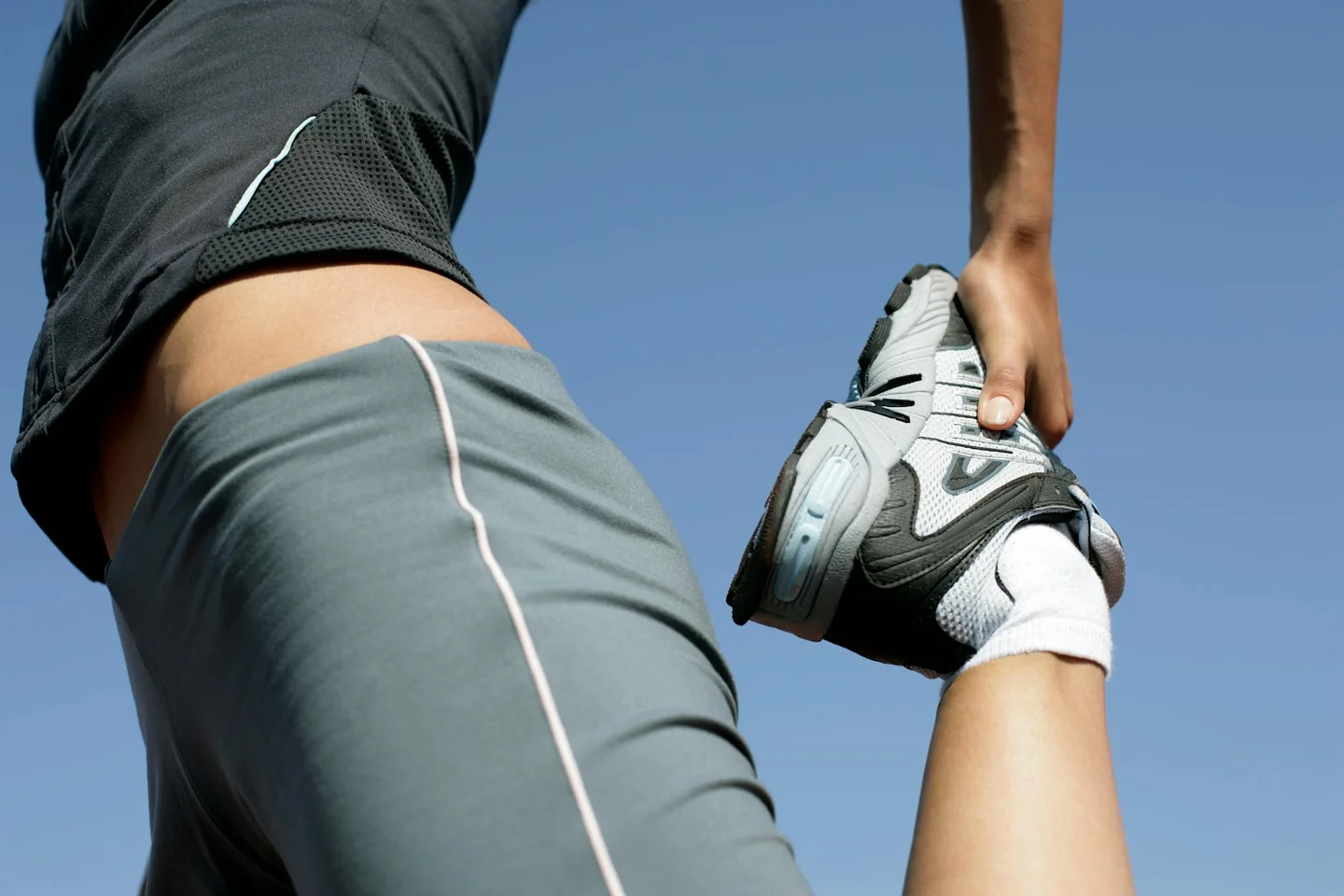
Imagen: BOOM 💥 Photography / Pexels
Stretching after running: the keys to training and running better
Finishing a run does not mean the session is over: it marks the beginning of another decisive phase, recovery. During this stage, post-exercise stretching is a widely used tool among runners because it helps reduce the feeling of stiffness, improve mobility and bring things down a notch when the body is still holding onto a high pulse. It is not a miracle formula or an absolute shield against injuries, but it is a useful habit, especially when done thoughtfully and without rushing.
Why the end of a run matters just as much as the miles
The feeling of heavy legs does not appear by chance. When running, the impact is repeated thousands of times, and the body responds with tension in the muscles and tendons that absorb each foot strike. When the intensity has been moderate or high, or when the session has included hills, pace changes or long runs, that load is felt even more at the finish. Stretching at that point does not erase the effort, but it can help make the transition into rest gentler.
The most immediate benefit is usually sensory: less tightness in the calves, hamstrings, hips or lower back. While the muscle is still warm, it is easier to work on range of motion without forcing it. Circulation is also still active, which supports a gradual recovery. That is why many specialists place static stretching after the cool-down, not as a substitute for returning to a calm state, but as a complement. First lower the pace, then lengthen.
In addition, walking for a couple of minutes before getting down on the floor, breathing slowly and holding each position for between 15 and 30 seconds allows the cardiovascular system to slow down a gear without any abruptness. That transition is especially useful after intense runs, intervals or runs in hot weather, when the body is still buzzing from the effort.
For runners who spend many hours sitting or who carry an inefficient running technique, this routine makes even more sense. The hips tighten, the lower back takes on more load and the calves assume more tension than is desirable. There is no need to turn the end of every run into a long mobility session, but it is worth avoiding the habit of leaving training and going straight back into daily life, as if the body had not absorbed any impact at all.
The usefulness and limitations of post-running stretches
Stretching after running occupies a space between habit and science. For years, it was presented as universal insurance against injuries; later, evidence added nuance and forced a more precise look at the issue. Sports research has gradually refined the message: stretching does not, by itself, eliminate the risk of injury, but it can help improve range of motion and ease some of the muscle discomfort that appears later.
In practical terms, stretching helps lower your heart rate, relax the muscles that have been working against the clock and organize the fatigue left by repeated strides. It does not replace rest or a sound progression of training loads, but it does fit as a sensible habit at the end of a run, especially after demanding, long or hilly sessions.
How to create a useful routine without turning it into a burdensome obligation
The key is not to stretch more, but to stretch better. After running, the most sensible approach is to spend between 10 and 15 minutes on a calm sequence, with controlled breathing and no bouncing. Each position should seek a pleasant feeling of tension, never pain. If a sharp twinge, acute tightness or unusual response appears, the right thing to do is reduce the intensity or leave that movement for another time. The goal is to loosen up, not to force flexibility with a hammer.
There should be no bouncing, pulling or violent movements. The muscle should feel a clear tension, never sharp pain. If the body stiffens to protect itself, the effect is lost and the position stops being recovery and becomes a fight. Breathing sets the rhythm for everything: exhaling as you move into the position and holding it calmly helps the muscles give way little by little.
Context matters too. After a very demanding session, the body may benefit more from a prolonged cool-down than from an ambitious round of stretching. After an easy run, there is more room to spend a few minutes on the muscles that have worked hardest. There is no single sequence that is right for every day. What tends to work is a combination of calm breathing, held positions and attention to the areas that have taken on the most work.
It is worth thinking of stretching as part of the run, not as decorative add-on. If the body is very tired, a short, focused sequence is better than a long, careless session. And if one particular area is protesting more than it should, that day it is enough to reduce the intensity or let it rest. Prudence helps recovery too.
The muscle groups that deserve the most attention at the finish
The legs take on most of the work, but they are not the only areas that become tense. For most runners, the hamstrings and calves are among the most sensitive after training, followed by the quadriceps, glutes and hip flexors. If the run was long or there was hard asphalt involved, the lower back may also ask for attention.
Although the arms contribute less, repeated arm movement and sustained posture can leave the shoulders and neck stiffer than expected. Stretching only the legs leaves the job half done, because the body runs as a whole, not as a collection of separate parts. That is why it is so practical to think in terms of areas rather than a rigid list of exercises.
The hips call for mobility, the calves need to regain length, the back of the thigh benefits from gentle lengthening and the lower back appreciates positions that take the load off. A tense back or hunched shoulders alter overall posture, especially when fatigue quietly starts doing its work at the end of the session.
Movements that fit best after running
A good post-running stretch should feel controlled, clean and easy to breathe through. Here is a selection of classic and effective positions:
- Seated hamstring stretch: sit with one leg extended and bend your torso from the hips, keeping your back long. The idea is to feel the lengthening along the back of the thigh, not to chase a flexibility record. It also works to rest the heel on a low surface, such as a bench, without sharply rounding the lower back.
- Standing quadriceps stretch: bend one knee, bring the heel toward the glute and keep the pelvis stable. The knee should not open outward, nor should the back arch to compensate. If balancing is difficult, use a wall or firm support.
- Calf stretch against a wall: place your hands against a wall with one leg behind you and the heel pressed to the floor. To target the soleus, slightly bend the back knee, working the deeper part of the calf.
- Glutes and hips: lying positions with one leg crossed or drawn toward the chest, such as the pigeon or figure-four position, and the butterfly stretch for the adductors and hips.
- Lower back: knees to the chest to release the lower back.
- Upper body: gentle arm crosses over the chest or an overhead triceps stretch to relieve the shoulders and neck.
How long to hold each position and when to do it
The most practical times generally range between 15 and 30 seconds per side. For beginner runners, that is enough time to notice tension and relaxation without turning the session into an endurance test. More experienced runners can repeat a position twice, as long as the execution remains clean and breathing does not speed up.
The best time to stretch is usually within the first 10 minutes after finishing the run, while the muscles are still warm. Walking for a few minutes, loosening the arms and breathing before lying down or placing your hands against a wall is a sensible way to begin. There is no need to drop straight to the floor or put it off for too long, because waiting too long reduces part of the benefit.
Additional tips for optimal recovery
Hydration goes along with this process: drinking water after exercise helps compensate for fluid losses and supports a more orderly recovery, although it does not replace rest or correct a poorly managed session on its own. Stretching while dehydrated, tense and still rushing makes less sense than doing it calmly and with a little breathing room.
During high-volume weeks, stretching can also serve as a mental closing signal, helping the runner shift focus and prepare for the next session with greater body awareness.
In short, the usefulness of post-run stretching lies in the habit: a little, done well and regularly. That consistency matters more than a long, occasional session, as is almost always the case in endurance sports.



How to prevent thigh chafing: causes and real solutions

Women’s running windbreakers: seven jackets and how to choose

Do more workouts get rid of soreness? A guide for runners

Jaén Half Marathon 2026: Record 3,800 Runners Registered

Men’s short running tights: how to choose the right pair

World Triathlon confirms data breach involving medical data

Izan Edo targets podium at Miyazaki World Cup

María Pérez ranks ninth in World Athletics’ 2026 top ten

Dos Santos, Duplantis and Sawe: World Athlete of the Year finalists

San Silvestre Vallecana 2026: 42,000 places, prices and start times

 Races4 months ago
Valencia Half Marathon 2027: date and registration

 Races4 months ago
Valencia Marathon 2026: entry, ballot and course

 Reviews and Comparisons4 months ago
Asics Gel-Roadmiles 3 for men: review and current price

 Reviews and Comparisons4 months ago
Asics Gel Sonoma 8 Gore-Tex: complete analysis for trail and rain

 Sneakers3 months ago
Saucony Endorphin Pro 4: full review and verdict

 News5 months ago
Strava API 2026: what changes for clubs, challenges and runner apps?

 Reviews and Comparisons5 months ago
Nike Alphafly 3: opinions, sensations, and real key points

 Reviews and Comparisons4 months ago
Under Armour running shoes review 2025-2026: models and key features

 Sports Equipment4 months ago
Shoe sizes in cm: a clear guide to getting the right fit for your footwear

 Sneakers3 months ago
Skechers GO RUN Consistent 2.0 analysis: comfort and limits

 News5 months ago
Valencia Marathon 2026 route: key tips to train and run better

 Sneakers4 months ago
Adidas Adizero Boston 13 for men: review and verdict