News
Treadmills: uses, prices and key buying considerations, with useful tips
Key points to help you choose a reliable machine based on intended use, motor, running surface, cushioning, folding design and budget.

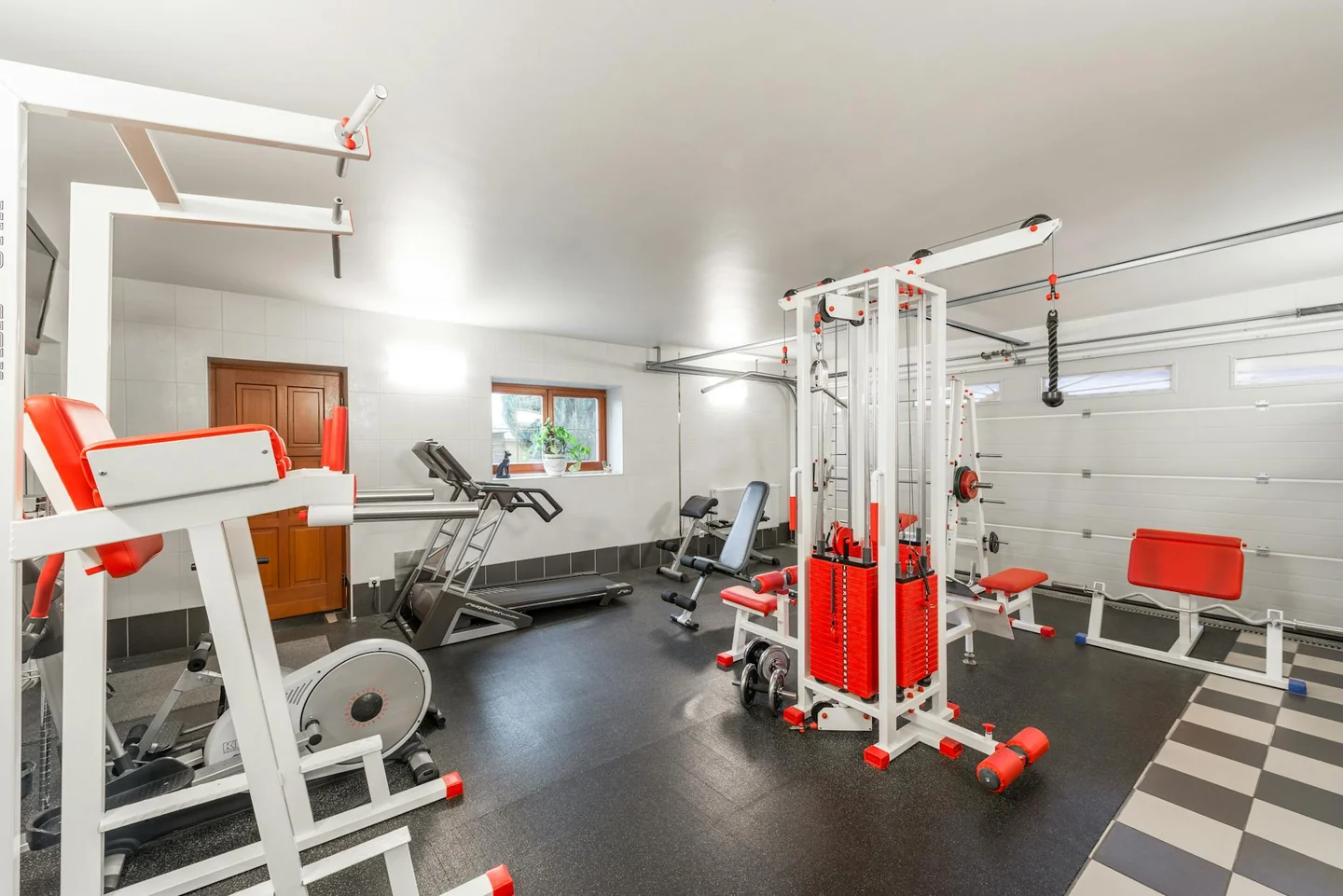
Imagen: Max Vakhtbovych / Pexels
Treadmills: uses, prices and buying essentials with useful tips
Treadmills have ceased to be a simple piece of gym equipment and have become a central part of home workouts, especially in Spain. The interest in training without depending on schedules or the weather has driven their use at home, with a market offering everything from compact, foldable models for daily walking to almost professional machines with powerful motors, touchscreens, advanced connectivity and structures designed to withstand many hours of use.
Treadmill types and real-world uses
Behind the generic name “treadmill” lie very different product families. There are walking pads for very light use and under-desk workouts, compact foldable treadmills for walking and jogging, and robust machines with automatic incline and high speeds designed for intense training.
The key is to adapt your choice to your actual use:
- Walking and daily mobility: Lightweight, compact models with maximum speeds between 1 and 8 km/h and modest power.
- Jogging and basic workouts: Treadmills with speeds of up to 12 km/h, motors between 2 and 3 HP, and enough running surface for comfortable strides.
- Demanding workouts, intervals and race preparation: Equipment with speeds above 14 km/h, motors of 3.5 HP or more, robust frames and advanced cushioning and incline systems.
Motor, power and speed: the heart of the treadmill
The motor is the most important component for ensuring a satisfying experience. It is not enough to look at the advertised maximum power; continuous power and build quality are what really matter:
- In the home segment, direct-current motors between 2 and 3 HP are common and sufficient for regular walking and running.
- For more intense workouts or shared use, it is worth looking for more powerful motors, sometimes alternating-current models, designed for long sessions and professional use.
- Maximum speeds of 12 to 16 km/h cover most workouts for average users, while speeds of 18 km/h or more are aimed at advanced users.
- A high maximum speed is less important than the motor’s ability to maintain power delivery and respond well to sudden changes in pace without vibrations or hesitation.
Running surface and dimensions: safety and comfort
The running belt is decisive for comfort and safety during a workout. Typical measurements and recommendations include:
- Length: For walking, belts measuring 110 to 120 cm may be sufficient; however, for comfortable running, especially for taller users or those with a longer stride, lengths of 140 cm or more are recommended, with premium models exceeding 150 cm.
- Width: A width of 48 to 50 cm is recommended for a safe, natural footfall. High-end treadmills can reach 51 or 52 cm.
- Overall dimensions: Home machines are usually between 180 and 190 cm long, taking up space that needs to be planned with room in front and behind. The width can exceed 80 or 90 cm when handrails and the console are included.
- Weight and stability: Equipment weighing more than 100 kg generally offers better stability and a firmer feel, while lighter models prioritize portability at the expense of solidity.
- Access height: A comfortable step-up height of less than 20 cm makes daily use easier, especially in homes with several users.
Cushioning, stability and joint health
Good cushioning reduces the harshness of impact when running, helping to distribute the load more effectively across the knees, ankles and back. More advanced systems feature independent shock absorbers or zones distributed beneath the belt that soften each footfall.
It is important to remember that not all cushioning suits every user equally:
- Runners accustomed to firm surfaces may feel a loss of responsiveness on bases that are too soft.
- People returning to training or walking for many hours generally appreciate a more forgiving platform.
Structural stability becomes critical at high speeds. A robust steel frame, large rollers and good weight distribution minimize vibrations and slight swaying, creating the feel and security of solid ground.
Incline: more complete and varied workouts
Incline adds an extra dimension to training, activating different muscle groups and increasing intensity without needing to speed up your pace.
- Basic treadmills usually offer manual incline with 3 levels, ranging from 5% to 12%.
- Advanced models feature automatic incline with multiple levels, some reaching 15% or 18%, and even include a simulated decline function.
- Automatic incline allows you to vary the workload during a workout without interrupting your pace, making it ideal for intervals or simulating real routes.
Consoles, connectivity and programs: useful tools depending on the user
Screens and connectivity systems can improve the experience, but their usefulness depends on the user’s profile:
- For disciplined runners, real-time metrics such as pace, distance, heart rate and calories help maintain control.
- Users who simply walk while listening to music may prefer straightforward interfaces.
- Bluetooth connectivity, app compatibility and support for mobile phones or tablets add variety and reduce monotony.
- Some models include built-in speakers or screen mirroring to follow videos during a workout.
Noise, living with others and space maintenance
In home environments, noise, vibrations and the impact on the floor are key factors when it comes to living alongside neighbours and other members of the household:
- Cushioning systems also help reduce transmitted noise and vibrations.
- It is advisable to place the treadmill on a stable surface and, if necessary, use cushioning mats to minimize humming and slipping.
- The motor should run smoothly, without excessive noise or any sign of wear.
Folding, mobility and the actual space occupied
The rise of foldable treadmills has made it easier to integrate them into smaller spaces, but not all solutions are equally practical:
- Folding can be vertical or through a hinged mechanism; each system has a different impact on the final volume.
- Folded dimensions should be assessed together with the machine’s geometry to ensure it can be moved, unfolded and stored comfortably.
- Transport wheels make moving the treadmill easier, but weight remains a limiting factor. Machines weighing more than 30 kg may require help to move them.
- Robust models, with load capacities of up to 180 kg, prioritize stability over ease of movement.
Prices and the current market in Spain
The Spanish market reflects a wide variety of prices and features:
- Basic walking pads can be found from 79.99 euros, making them ideal for walking in very small spaces.
- The busiest price range for home treadmills is between 150 and 300 euros, offering a balance between space, power, stability, noise and safety.
- Advanced treadmills, with more features and powerful motors, can exceed 600 euros and approach professional models.
Ultimately, the right buying decision will depend on an honest analysis of the intended use, the available space and the importance each user places on features such as power, cushioning, connectivity or ease of folding.
Este artículo contiene enlaces de afiliado: si compras a través de ellos, se genera una pequeña comisión sin coste adicional para ti. Más información.



How to prevent thigh chafing: causes and real solutions

Women’s running windbreakers: seven jackets and how to choose

Do more workouts get rid of soreness? A guide for runners

Jaén Half Marathon 2026: Record 3,800 Runners Registered

Men’s short running tights: how to choose the right pair

World Triathlon confirms data breach involving medical data

Izan Edo targets podium at Miyazaki World Cup

María Pérez ranks ninth in World Athletics’ 2026 top ten

Dos Santos, Duplantis and Sawe: World Athlete of the Year finalists

San Silvestre Vallecana 2026: 42,000 places, prices and start times

 Races4 months ago
Valencia Half Marathon 2027: date and registration

 Races4 months ago
Valencia Marathon 2026: entry, ballot and course

 Reviews and Comparisons4 months ago
Asics Gel-Roadmiles 3 for men: review and current price

 Reviews and Comparisons4 months ago
Asics Gel Sonoma 8 Gore-Tex: complete analysis for trail and rain

 Sneakers4 months ago
Saucony Endorphin Pro 4: full review and verdict

 News5 months ago
Strava API 2026: what changes for clubs, challenges and runner apps?

 Reviews and Comparisons5 months ago
Nike Alphafly 3: opinions, sensations, and real key points

 Reviews and Comparisons4 months ago
Under Armour running shoes review 2025-2026: models and key features

 Sports Equipment4 months ago
Shoe sizes in cm: a clear guide to getting the right fit for your footwear

 Sneakers3 months ago
Skechers GO RUN Consistent 2.0 analysis: comfort and limits

 News5 months ago
Valencia Marathon 2026 route: key tips to train and run better

 Sneakers4 months ago
Adidas Adizero Boston 13 for men: review and verdict