Races
15 km Donostia – San Sebastián: complete guide to the race
Tour, atmosphere, and practical tips for a date deeply linked to Gipuzkoa’s popular calendar.

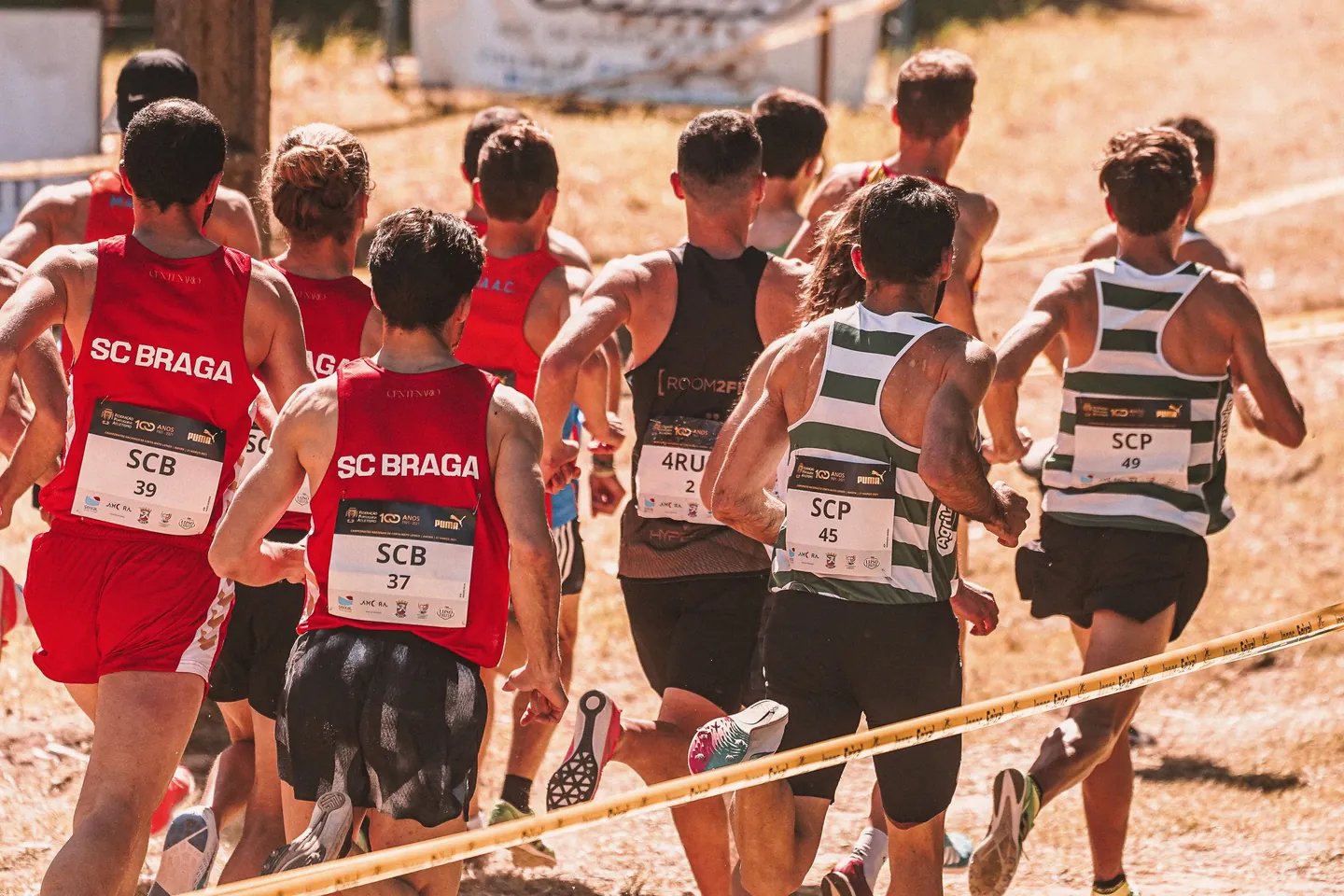
Imagen: RUN 4 FFWPU / Pexels
The 15-kilometer race in Donostia-San Sebastián has established itself as a highly appreciated distance among recreational runners looking for something more demanding than a 10K, but without taking the leap to the half marathon. In a city where the sea, the bridges, and the almost Martian architecture of the Kursaal coexist with a very lively running tradition, this distance fits almost like a glove: enough to test pace, sustain effort, and enjoy the surroundings without the event becoming an endless exam.
The interest in this distance is no coincidence. The 15 km combine strategy and endurance in a format that usually attracts both those moving up from the 10K base and those preparing bigger goals. In Donostia, moreover, the appeal is not limited to the bib number: the city offers a recognizable urban route, street atmosphere, and an Atlantic climate that can add an extra touch of character to the day. All of that makes the event a very distinctive format within the Basque calendar.
A distance that truly measures performance
Fifteen kilometers are not a routine distance. They demand a little more than pure speed and a little less than the patience of a half marathon. That is why they are so useful for reading a runner’s true fitness. At a controlled pace, the first five kilometers may feel comfortable; then the endurance work appears, and the final stretch usually reveals whether recent training has been solid or whether quality kilometers are still missing.
In a race like the one in Donostia-San Sebastián, the urban profile helps maintain visual and mental interest. The race, depending on the specific course of each edition, usually relies on wide avenues, recognizable passing areas, and a finish that concentrates crowd and noise. The city works in the runner’s favor: the scenery avoids monotony and the local identity adds that celebratory touch that distinguishes a well-designed race from a mere effort measured by the clock.
There is also an important competitive nuance. Fifteen kilometers allow times to be compared with some precision without the physiological harshness of a half marathon. It is a very useful distance for runners who want to check whether they are sharpening for fast 10Ks, for a half marathon, or even for a marathon. The final time often serves as a gauge of endurance, pace tolerance, and the ability to manage effort.
Donostia as a racing setting
Donostia-San Sebastián has a natural relationship with running. The city offers a rare mix of postcard beauty and athletic toughness: a seafront promenade, ocean breeze, contained urban traffic, and an environment in which running keeps something of a long walk and something of pure competition. In a 15-kilometer race, that duality matters more because the course needs continuity, but also stimuli so the runner does not go into autopilot.
The urban layout of the Gipuzkoan capital may seem gentle at first glance, although local runners know that any course that approaches inclines, turns, and wind-exposed areas can change character quickly. The Cantabrian wind can be a decisive factor, as can humidity or a cool morning with low cloud cover. You do not need a mountain profile for a race to become demanding; a few direction changes and an exposed stretch are enough for the effort to feel greater than expected.
That context explains why the race feels very different depending on the runner’s level. For fast runners, Donostia can be a sophisticated urban track on which to work threshold pace. For those aiming to finish with good sensations, the city offers a friendlier experience than an impersonal race: the crowd, the sound of shoes on asphalt, the salty smell near the coast, and the feeling of running inside a city that breathes sport.
How a 15-kilometer course is usually approached
A 15K course rewards intelligence. The start usually brings the highest concentration of adrenaline, and that is where the first common mistake occurs: going out faster than planned because the atmosphere pushes you. Over this kind of distance, that excess is paid for sooner than it seems. One kilometer too fast is not a minor detail; it can affect the entire second half.
Managing it is more like performing a piece of music than running a 5K. You have to maintain a steady cadence, accept that some stretches will be run with the heart rate a little higher, and know that the final section demands reserves. The 10K mark is usually a boundary. Many people arrive there feeling good; after that, the real filter begins, where both legs and mind matter.
In Donostia, that pattern becomes more pronounced if the course mixes open areas and tighter passages. The runner has to understand the route as a sequence of small decisions. It is wise to take advantage of favorable stretches, protect yourself if headwind appears, and avoid sudden pace changes that break running economy. The distance is long enough to punish improvisation and short enough to reward the runner who pushes at the right moment.
The training that best suits this race
A 15K is built on endurance and pace. It is not enough to accumulate easy miles, but a marathon plan is not necessary either. What usually works best is a balanced mix of comfortable runs, sustained sessions, and some specific work at race pace. That combination makes it possible to arrive with enough endurance and, at the same time, with muscles accustomed to holding a firm intensity for more than an hour in most cases.
The key is to understand that this distance sits in a middle ground, and precisely for that reason it is so interesting. A runner coming from the 10K needs to expand the ability to sustain effort without falling apart. Someone arriving from the half marathon can use the 15K to gain sharpness and speed. It is a race very sensitive to the balance between strength and economy, something that is especially noticeable in the last five kilometers.
The surface also matters. In an urban race on asphalt, the legs absorb repeated impact that cannot be negotiated away. Previous sessions must account for that, but without turning the plan into a punishment. Steady runs, pace-change work, and an occasional controlled block usually fit better than disorganized or overly aggressive workouts. Donostia, with its atmosphere and likely urban course, favors those who arrive with that base well established.
The role of weather and the city in performance
Weather on the Basque coast is never a minor detail. Temperature, humidity, and wind can noticeably alter sensations. A cool, stable day is usually an advantage for those seeking a fast time; on the other hand, a humid or windy morning forces you to spend more energy maintaining pace. In a 15-kilometer race, that difference is clearly felt because the event is long enough for the body to register any discomfort.
Donostia also has a visual quality that affects the perception of effort. Running by the sea, crossing recognizable areas, or hearing the crowd in specific spots creates a kind of benevolent illusion: the runner feels lighter than they actually are. That emotional lift can be positive, as long as it does not lead to a reckless start. The city encourages you, but the clock does not forgive.
Urban topography also matters. Although San Sebastián is not a city of major climbs, its small rises, turns, and transitions between open and enclosed spaces require attention. In a middle-distance race like this, every detail counts. The feeling of flow can change from a wide avenue to a more exposed or more tense area. That is why well-designed urban races are so appealing: they do not merely add kilometers, but propose a constant conversation between runner and space.
What times can be expected and why there is no single answer
Talking about times over 15 km requires caution. There is no standard mark because performance depends on level, course, and weather conditions. Even so, the distance offers a very useful reference for comparing fitness. Someone who runs a 10K in 40 minutes will usually aim for a 15K comfortably under one hour and fifteen minutes, although the real estimate varies according to endurance and terrain. Someone around one hour for 10 kilometers will probably find that moving up to 15 km requires a serious pace adjustment.
What is interesting about this race is that it punishes over-optimism quite quickly. The difference between finishing strong or arriving spent can be 10 or 15 seconds per kilometer. Economy rules in a 15K. The runner who manages breathing, stride, and accumulated effort best usually has the edge over the runner who starts enthusiastically and empties too soon.
In Donostia, moreover, the competitive setting often raises the perceived bar. An active city with an athletic culture and a taste for well-organized events tends to encourage more serious times. Not because the course is magical, but because the atmosphere helps sustain effort with less sense of isolation. Sometimes that is the difference between a decent race and a memorable one.
The recreational runner’s experience in a city with character
A 15-kilometer race is remembered for more than just the clock. The image of the day also remains: the cold at the start, white breath if the morning is crisp, the sound of applause in crowd-filled sections, the smell of sea and damp asphalt, and that blend of focus and strolling charm that only some cities have when they are partially closed for a race. Donostia has a scenic weight that adds a lot to the experience.
In a city like this, the runner does not compete in a vacuum. They pass by familiar buildings, in front of open spaces where the landscape breathes, and through areas where pace becomes more compact. The surroundings act as a visual metronome. They are not just a pretty backdrop; they are a mental guide that helps count meters, divide the race into segments, and build small internal goals. Reach the next turn, the next bridge, the point where more people usually appear. That is how the recreational runner advances, from one invisible marker to the next.
That is perhaps one of the great reasons this distance is so appealing. It is not only about running faster or slower, but about living a distance that leaves room to feel the effort. In 15 km there is still time to correct mistakes, but not so much that you can drift off. That balanced tension suits a city that combines elegance, tradition, and athletic energy very well.
What distinguishes a well-organized race
Organization makes the difference in such a precise distance. Over 15 km, aid stations, starting corrals, signage, and flow in the first meters matter more than one might think. A runner may arrive physically prepared, but poor management of the start or shared spaces changes the tone of the day. The feeling of a serious race begins long before the gun and continues until the post-finish recovery area.
In a city with experience in sporting events, the standard is usually high. Participants expect clear information, an understandable course, and logistics that do not drain mental energy where it is not needed. Organizational clarity also runs, because it avoids doubts, queues, and unnecessary nerves. In a 15-kilometer urban race, that operational cleanliness allows the runner to be the focus, not the chaos around them.
For readers looking for this distance in Donostia-San Sebastián, that is one of the key underlying factors. It is not just about finding a 15K race on the map, but about identifying an event that offers a good course, atmosphere, and a solid experience. When everything fits, the race becomes more than a calendar reference: it becomes a very specific way of understanding urban running in the north.
A format that keeps growing in the popular calendar
The 15-kilometer distance occupies an increasingly visible place among recreational events because it fills a real gap. It is more accessible than the half marathon for many runners, but more substantial than a 10K for those already seeking an endurance challenge. That middle position explains its appeal and also its usefulness as a test. Anyone who finishes a 15K well usually has good reason to think about bigger goals with a solid foundation.
Donostia-San Sebastián fits especially well into that logic. The city provides cultural depth, a pleasant yet non-trivial geography, and a very recognizable relationship with outdoor sport. The result is a race that wins people over through balance: neither too short nor so long as to be exhausting; neither too flat in feeling nor so hard as to discourage recreational runners. That gives it a personality of its own.
That is why, when a 15-kilometer event appears in the Gipuzkoan capital, the interest is not only local. It also attracts runners from elsewhere who find in Donostia a combination that is hard to replicate: a compact city, attractive urban scenery, and a race that allows you to run intelligently. In running, the most lasting appeal is sometimes not what is spectacular, but what is well proportioned. And in that respect, this distance in San Sebastián has a lot to offer.
A distance that demands respect and returns a faithful snapshot of the moment
The 15 kilometers in Donostia-San Sebastián serve as a fairly faithful snapshot of the runner. They show whether there is endurance, whether pace has been trained, whether the start can be controlled, and whether the mind knows how to manage fatigue. There is not much luck in that equation. There is fitness, tactics, and context; three ingredients that, when mixed well, deliver a complete race.
They also leave a very recognizable image of running in the north: changing skies, clean asphalt, close spectators, and a city that does not merely host the race, but integrates it into its way of being outdoors. It is a distance with memory. Whoever runs it remembers the effort, but also the scenery and the texture of the day. And that, in the end, is part of what many runners seek when they pin on a bib: a time, yes, but also a short, intense, and well-told story.
That is why this event keeps its magnetism. Because it offers an exact measure of effort and, at the same time, a setting with identity. In a calendar full of similar races, Donostia-San Sebastián brings personality, and the 15-kilometer distance finds its best version there: demanding, human, and long enough to leave a mark.



How to prevent thigh chafing: causes and real solutions

Women’s running windbreakers: seven jackets and how to choose

Do more workouts get rid of soreness? A guide for runners

Jaén Half Marathon 2026: Record 3,800 Runners Registered

Men’s short running tights: how to choose the right pair

World Triathlon confirms data breach involving medical data

Izan Edo targets podium at Miyazaki World Cup

María Pérez ranks ninth in World Athletics’ 2026 top ten

Dos Santos, Duplantis and Sawe: World Athlete of the Year finalists

San Silvestre Vallecana 2026: 42,000 places, prices and start times

 Races4 months ago
Valencia Half Marathon 2027: date and registration

 Races4 months ago
Valencia Marathon 2026: entry, ballot and course

 Reviews and Comparisons4 months ago
Asics Gel-Roadmiles 3 for men: review and current price

 Reviews and Comparisons4 months ago
Asics Gel Sonoma 8 Gore-Tex: complete analysis for trail and rain

 Sneakers3 months ago
Saucony Endorphin Pro 4: full review and verdict

 News5 months ago
Strava API 2026: what changes for clubs, challenges and runner apps?

 Reviews and Comparisons5 months ago
Nike Alphafly 3: opinions, sensations, and real key points

 Reviews and Comparisons4 months ago
Under Armour running shoes review 2025-2026: models and key features

 Sports Equipment4 months ago
Shoe sizes in cm: a clear guide to getting the right fit for your footwear

 Sneakers3 months ago
Skechers GO RUN Consistent 2.0 analysis: comfort and limits

 News5 months ago
Valencia Marathon 2026 route: key tips to train and run better

 Sneakers4 months ago
Adidas Adizero Boston 13 for men: review and verdict