Races
Boulderthon Marathon: complete guide to Boulder’s big race
The Boulder event combines a marathon, half marathon, and 5K on a fast course with an iconic finish on Pearl Street.

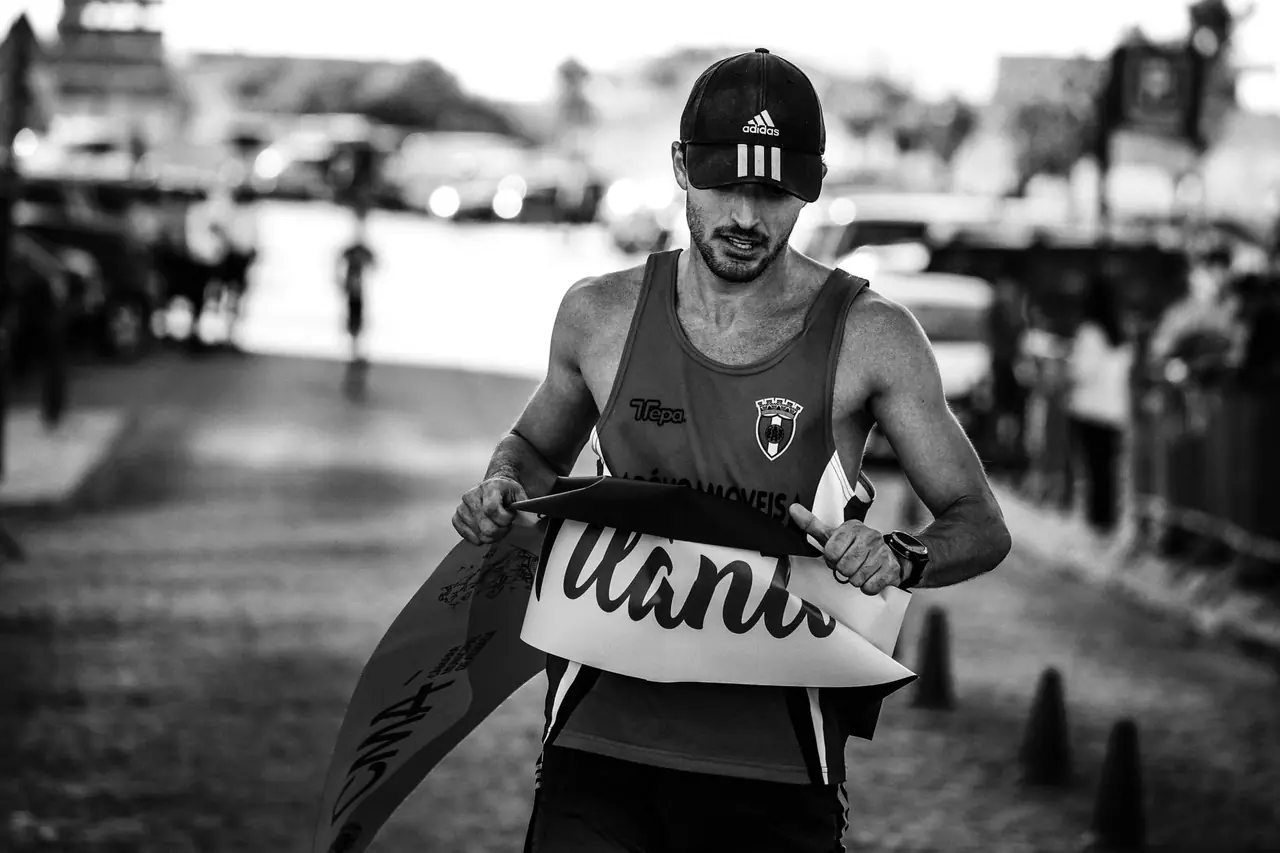
Boulderthon Marathon has become one of the most visible fall races in the United States thanks to a rare combination: a fast course, a city with a very strong identity, and an urban finish that feels almost like a postcard. The start next to the Boulder Reservoir and the finish on Pearl Street Mall capture that mix of open landscape and historic downtown atmosphere that explains why so many runners have put it on their calendar.
The 2026 edition is scheduled for September 27, with the half marathon and marathon starting at 7:00, the 5K at 7:45, the 10K at 8:00, and the kids’ race at 8:15. The event, now established as one of Boulder’s key fixtures, offers distances for very different runner profiles and has gained importance not only because of its growth, but also because of the way it has managed to sell a complete experience of competition, city, and scenery.
A marathon that grew in the shadow of the Flatirons
Boulderthon was born in 2019, when Phil Dumontet acquired the old Boulder Backroads Marathon and relaunched it with a more ambitious identity and a refreshed race experience. From its first in-person edition, the race relied on a simple but powerful idea: make use of Boulder’s geography without turning race day into a mere sightseeing walk. The result was a race with its own character, very different from the big mass marathons and also from local races without broader reach.
The evolution has been rapid. In its debut, around 3,000 runners took part; the following year the race nearly tripled in size and added a 5K, a 10K, and a kids’ race. By 2024 it had already surpassed 15,000 participants over the weekend, with runners coming from all 50 U.S. states and 18 countries. That expansion explains why it is considered one of the fastest-growing competitions in the country, although the real reason for its appeal lies in the route: a mostly flat course, with a gentle downhill and open mountain views.
The city helps too. Boulder is known as a sporty destination, with clean air, outdoor culture, and a compact urban life that makes it possible to finish a race in the heart of downtown. Pearl Street Mall, where the race ends, serves as a recognizable backdrop even for anyone who doesn’t know Colorado. It is a finish with presence, not just a finishing arch.
The course and what makes it so appealing to runners
The marathon and half marathon route is point-to-point, starting at Boulder Reservoir and finishing on Pearl Street Mall. That structure avoids the monotony of out-and-back loops and adds a sense of constant progression. The runner leaves behind the water and open surroundings of the reservoir and gradually moves toward the urban grid, with the Flatirons always present like a monumental wall in the background.
In performance terms, the course has earned a reputation for being fast. It is not completely flat in the strict sense, but it is favorable enough to attract those looking for a personal best. The profile usually features a very welcome downhill finish, although that apparent ease can backfire if you go out too fast. As in so many well-designed races, true speed comes from restraint, not from early excitement.
The organizers have gradually added features typical of major events: pace groups, frequent aid stations, baggage check, a pre-race expo, and a festive finish. In promotional material and participant reports, one idea keeps coming up: the race has the scale of a big event, but it still feels personal and detail-oriented, avoiding the coldness of impersonal mega-events. That balance is a key part of its reputation.
The official distances and what each one offers
The 2026 Boulderthon program includes marathon, half marathon, 10K, 5K, and kids’ race. The variety is not just decorative; it defines the logic of the weekend and allows the event to function as a broader athletic festival rather than a single 42.195-kilometer start. For many runners, that is precisely where its value lies: the chance to share the same setting, logistics, and finish line without everyone having to meet the same physical demands.
The marathon is the distance that carries the most symbolic weight. For those looking for a fast fall race, Boulder offers an alternative with competitive stature, generally favorable weather, and a highly recognizable visual setting. The half marathon keeps much of the final stretch’s spectacle and is often the natural gateway into the event. The 10K, meanwhile, takes on a more urban feel, ideal for those who prefer an intense but more contained effort. The 5K, with important media visibility and a finish on the same stage, reinforces the weekend’s inclusive character.
In that 5K, too, the organizers have on several occasions highlighted a significant prize, with a purse that has drawn attention on the national scene. That detail not only attracts fast athletes; it also adds a competitive layer that raises the event’s level and sets it apart from other races of similar size.
Dates, times, and logistics heavily shaped by downtown Boulder
The 2026 edition is set for Sunday, September 27. The half marathon and marathon start at 7:00, the 5K at 7:45, the 10K at 8:00, and the kids’ race at 8:15. The schedule points to a well-staggered day designed to manage the flow of participants in a city that concentrates a lot of activity along a single urban axis.
Bib pickup is located at Pearl Street Mall, between 13th and 15th streets, with Friday and Saturday time slots before race day. That detail matters because it places the logistical center in the same place where most runners will finish. There is no need to travel to an outlying venue or break the race narrative with a finish disconnected from the rest of the event.
The aid stations also reflect careful planning. The race announces water and hydration stations approximately every 3 to 4 miles, with Precision Fuel and Hydration present at all supply points. For a fall race with long distances, that kind of information is not minor: it helps runners understand the level of support they can expect and reinforces the feeling of a well-built event.
Price, registration, and the draw of a race that often sells out
2026 entry fees range from $29 to $169, depending on the distance, with the kids’ race at the most accessible end and the marathon at the top. The range reflects a registration model that is fairly common in races of this level, where the price rises as the service level, logistical complexity, and overall experience increase.
Previous records indicate that Boulderthon usually sells out, which explains the organizers’ insistence on early registration. In such a competitive market as the major fall races in the United States, the combination of an attractive city, reasonable weather, and a fast course creates steady demand. It is not a niche race, but neither is it an anonymous event that survives only through volume.
The new title sponsorship from lululemon, announced for the 2026 edition, adds an important commercial layer. The partnership includes exclusive finisher gear and the return of a VIP experience before and after the race. Beyond the branding component, this type of alliance is usually a sign of maturity: when a race attracts a strong sponsor, it also consolidates its place in the calendar.
Recognition, awards, and a reputation that now reaches beyond Colorado
USA Today has included several Boulderthon races among the best in the country in different categories. The Heart to Heart 5K has been named among the ten best 5Ks in the United States for three consecutive years, while the half marathon has also received a notable national mention. Added to that is recognition from Runner’s World, which in 2023 placed it among the best fall marathons in the United States.
That kind of recognition matters because Boulderthon is not marketed only as a beautiful race, but as a legitimate sporting experience. Awards and rankings are not the end goal, but they do function as a form of validation in a landscape crowded with races that say similar things. In a saturated calendar, reputation helps separate the memorable from the merely adequate.
There is also a social outreach element. The organization has promoted volunteer initiatives, environmental actions, and programs to make race access easier through complimentary bibs. These are pieces that broaden the event’s story and connect it to the local community, an aspect that is increasingly valued by runners who are not simply looking for miles and a stopwatch.
What weather runners usually find in September
September in Boulder usually offers relatively stable running conditions: average temperatures around 10 to 25.8 degrees, some sunshine, low rainfall, and light wind. For a long race, that profile is almost an invitation. Runners avoid both the peak of summer heat and the harsh cold of late fall, although the altitude and dry air still mean you shouldn’t get complacent.
The temperature range remains an important nuance. The early start helps offset the temperature rise as the morning progresses, but it can also leave the first miles feeling cool. In races like this, the body warms up faster than the mind expects, and it is worth remembering that favorable weather is no substitute for a serious approach to pacing.
Light also matters. Boulder gets many hours of sunshine in September, helping create a very recognizable image of the race: clear skies, sharp relief, mountain outlines, and an atmosphere seemingly made for sports photography. It is not just an aesthetic bonus; it is part of the experience that has driven the event’s growth.
Why Boulderthon has won over so many runners
The answer has less to do with one single virtue than with a carefully balanced mix. A fast course, an attractive city, strong organizational support, varied distances, and a finish line that leaves an impression. These are ingredients that, in other events, appear in a disorganized way; here they come together with a clear sense of the final product. The race offers a feeling of aspiration without becoming elitist or closed off.
The growth story also helps. In just a few years, it has gone from being a local revival of an old race to appearing on national lists, drawing runners from dozens of countries, and becoming one of the big names of Colorado’s fall sports scene. That rise has been so fast that it is now part of its identity. Boulderthon does not feel like a veteran race, but like one that has managed to accelerate without losing direction.
For runners, that translates into an experience that feels almost like a perpetual debut. There is city identity, there is reputation, there is speed, and there is a finish with its own stage. That is no small thing. In a marathon, memories are built from very specific details: the first aid station, the stretch with views, the moment the downtown area comes into sight, the finish on Pearl Street. Boulderthon clearly understands that emotional grammar of pavement.
What a race leaves behind when it is already looking beyond Colorado
Boulderthon Marathon is no longer just a Boulder race; it is a sports brand with national ambitions and a growing international presence. Its rapid expansion, interest from athletes in multiple countries, and support from top-tier sponsors have placed it in an unusual position for a relatively young event. Even so, its greatest strength is still the same as at its origin: a course designed for speed without giving up the beauty of the surroundings.
That balance between stopwatch and scenery explains its magnetism. At a time when many races struggle to stand out with generic slogans, Boulderthon offers something tangible: a start by the water, a transition into the city, a finish in a downtown area with character, and the feeling of having run through a recognizable scene. For anyone looking for a race with personality, the appeal is obvious.
The race has found its place in the calendar and done so with a simple, almost classic recipe: solid organization, a rewarding course, and a city that knows how to present itself well. In modern marathoning, where uniform events are everywhere, that combination still carries enormous weight. Boulderthon understood that, and that is why it keeps growing.



How to prevent thigh chafing: causes and real solutions

Women’s running windbreakers: seven jackets and how to choose

Do more workouts get rid of soreness? A guide for runners

Jaén Half Marathon 2026: Record 3,800 Runners Registered

Men’s short running tights: how to choose the right pair

World Triathlon confirms data breach involving medical data

Izan Edo targets podium at Miyazaki World Cup

María Pérez ranks ninth in World Athletics’ 2026 top ten

Dos Santos, Duplantis and Sawe: World Athlete of the Year finalists

San Silvestre Vallecana 2026: 42,000 places, prices and start times

 Races3 months ago
Valencia Half Marathon 2027: date and registration

 Races3 months ago
Valencia Marathon 2026: entry, ballot and course

 Reviews and Comparisons4 months ago
Asics Gel-Roadmiles 3 for men: review and current price

 Reviews and Comparisons4 months ago
Asics Gel Sonoma 8 Gore-Tex: complete analysis for trail and rain

 Sneakers3 months ago
Saucony Endorphin Pro 4: full review and verdict

 News5 months ago
Strava API 2026: what changes for clubs, challenges and runner apps?

 Reviews and Comparisons5 months ago
Nike Alphafly 3: opinions, sensations, and real key points

 Reviews and Comparisons4 months ago
Under Armour running shoes review 2025-2026: models and key features

 Sports Equipment4 months ago
Shoe sizes in cm: a clear guide to getting the right fit for your footwear

 Sneakers3 months ago
Skechers GO RUN Consistent 2.0 analysis: comfort and limits

 News5 months ago
Valencia Marathon 2026 route: key tips to train and run better

 Sneakers4 months ago
Adidas Adizero Boston 13 for men: review and verdict