Races
Calar Alto – Gérgal Half Marathon 2026: date and course
A 21 km race with 800 m of elevation gain and high-mountain scenery in the Almerían mountain range.

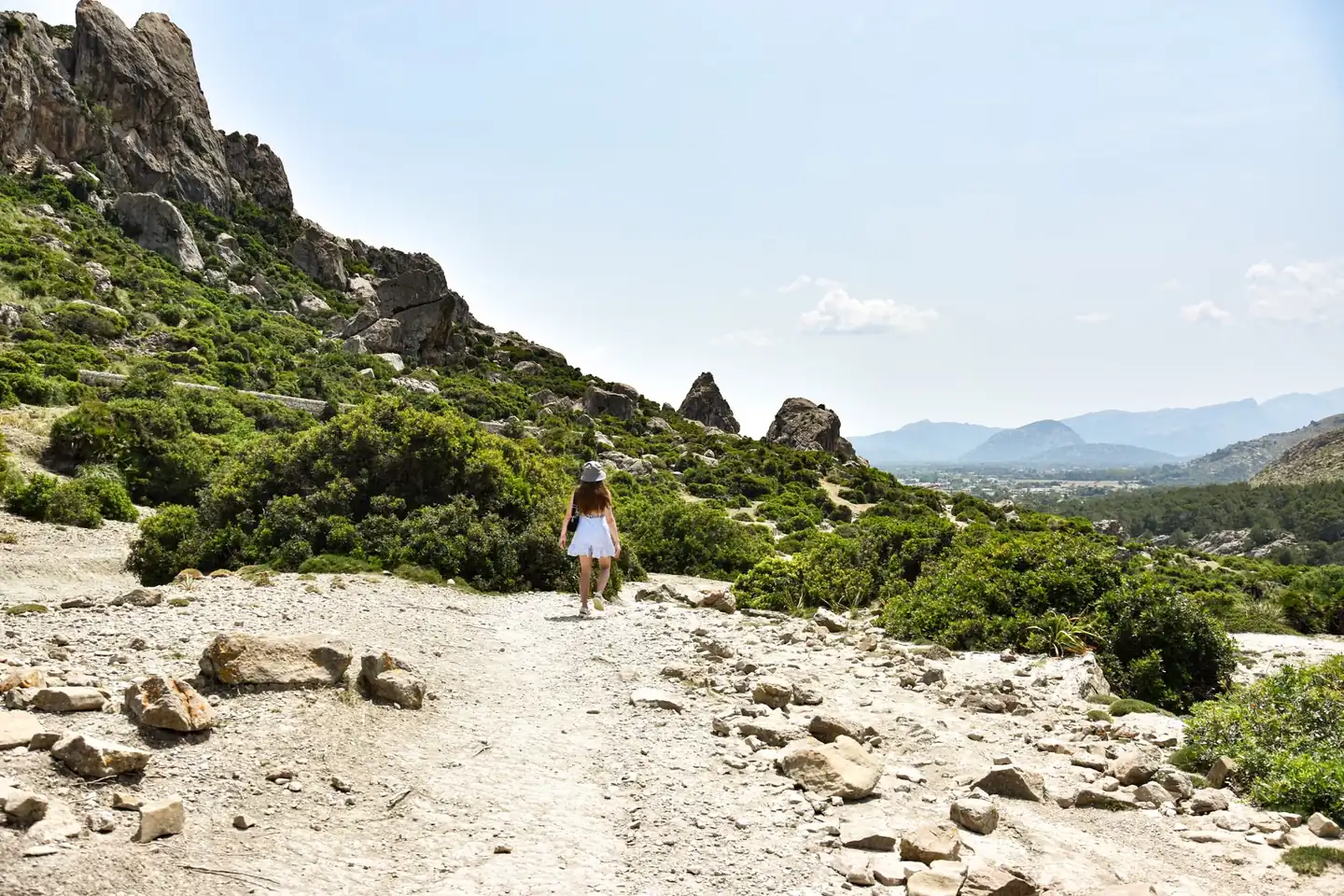
The Calar Alto – Gérgal Half Marathon puts the Almería mountains back on the summer trail map with a proposal that is as tough as it is appealing: 21 kilometers and around 800 meters of positive elevation gain on mountainous terrain that gives no respite. The race is scheduled for Sunday, July 5, 2026 and keeps that race profile that blends sustained effort, open landscape, and a sense of altitude very typical of the Calar Alto area.
Its appeal lies not only in the distance, but also in the combination of factors that make it unique: summer heat, uneven footing, prolonged climbs, and an environment that alternates trails, tracks, and exposed sections. It is an event designed for runners with mountain experience or, at the very least, with real respect for a course that demands legs, head, and careful pace management from the very first kilometer.
A mountain 21K with its own identity
This is not a road half marathon disguised as trail. The race is fully part of the off-road world, with a very different reading of effort than an urban half marathon. Here the finishing time matters, but the main reference is the ability to keep moving on a route where the terrain changes the equation at every stretch. The positive elevation gain, close to 800 meters, sets a demanding profile from the outset and breaks any idea of a steady, linear pace.
The Calar Alto setting also adds value that goes beyond sport. The Almería mountains offer clear horizons, a sense of isolation, and a light that in summer strikes with very particular intensity. Running there feels like a mineral crossing: stone, dust, dry air, and a visual openness that accompanies you but does not soften the route’s toughness. Gérgal, as the reference municipality, acts as the gateway to a territory where the mountain is not scenery; it is the main stage.
That is why this event is appealing both to those looking for a different half marathon and to runners who already know trail running and want a clear goal in July. 21 kilometers in the mountains may seem manageable on paper, but the elevation gain and time of year raise the bar considerably. The race is measured as much in power as in heat resistance.
What the course says before putting on your shoes
The available data point to a single loop of 21 kilometers, a structure that simplifies logistics but not effort. In trail running, a single loop usually forces very precise energy management, because the runner has no room to correct early mistakes or rely on a second pass. Every climb leaves a mark and every descent punishes muscles and technique.
The accumulated positive elevation of 800 meters places the race in a medium-to-high demand range among mountain races of similar distance. It is not an ultra, but it is not an easy half marathon either. On this type of course, short strides, movement economy, and the ability to hike efficiently on steep ramps can matter as much as a good running pace on flat ground. The difference between competing and merely surviving often lies in how the uphill sections are handled.
The landscape around Calar Alto also affects how the course is perceived. It is an elevated area with a strong geographic identity, featuring a dry, open profile that shapes both thermal sensation and perceived effort. Andalusian summer is unforgiving, which means the race must be understood more as a mountain event in hot conditions than as a simple extended 21K. Hydration, heart-rate control, and patience become just as important as prior training.
What kind of runner is best suited to this event
The race is best suited to those with trail experience or road runners who have already trained in the mountains and understand the value of consistency. Off-road terrain requires you to watch the ground, anticipate foot placement, and react to surface changes. That constant attention creates mental fatigue, even if the scenery is broad and inviting. It is not enough to run; you have to read the terrain while running.
The distance can be misleading because it is still a half marathon, but the context adds another layer of complexity. In a 21-kilometer road race, pace can be maintained with a certain mechanical rhythm. In Gérgal, elevation gain and heat force you to think in blocks: climb smartly, recover on runnable sections, and save energy for the areas where the terrain gets tougher. It is a race that favors those who can pace themselves without obsessing over every split.
Nor is it an event reserved only for elite specialists. Medium-distance trail running has precisely that virtue: it opens the door to runners with different profiles, as long as they accept the context. It suits athletes looking for a serious mountain challenge, those preparing for longer races, and those who want to gauge their fitness on a short but demanding course. The key is to accept that the environment sets the terms more than the stopwatch.
July in the Almería mountains: heat, altitude, and effort management
The calendar is no minor detail. Running on July 5 in the province of Almería means facing weather that can significantly harden any endurance event. Daytime temperatures at that time of year are usually high, and in exposed areas the thermal impact is felt quickly. Perceived effort rises, dehydration comes sooner, and pace changes are punished more severely.
That is why this race requires a measured strategy. Starting too fast in a mountain-and-heat setting usually becomes an inevitable bill later on. On courses like this, the difference between a good result and a long suffering often comes down to discipline in the first third. The runner who understands that gains room to tackle the long climbs and more open sections with less fatigue.
The Sierra de los Filabres and the Calar Alto surroundings add another variable: the feeling of altitude, even without talking about major alpine elevations. Dry air, solar radiation, and the lack of shade on certain stretches make the body work harder than the elevation gain alone might suggest. The race is also run against the environment, not just the clock or the other participants.
The geographic reference: Gérgal, Almería, and a very recognizable landscape
Gérgal is the name that places the race on the map, but the event breathes the character of the entire province of Almería. It is a land associated with intense light, dry relief, and a mountain that often surprises those who expect an exclusively coastal territory. In this case, the sea is far away and the race takes place in a harsher, quieter, and more sporting landscape.
The Calar Alto area also has a very marked identity for the runner. It is not just a beautiful place; it is a space that demands respect for the surroundings. Hard surfaces, open profiles, and wide visibility create the feeling of a pure mountain race, without embellishments. That kind of setting often leaves a special mark because it combines beauty and challenge in equal measure.
For trail fans, these kinds of races have an added appeal: they let you run in places remembered as much for their geography as for the bib. Gérgal and Calar Alto are not just a start and finish point; they are part of the race story. And in an overcrowded calendar of events, that makes a difference. Not every half marathon leaves such a clear mental image of dust, altitude, and open horizon.
Registration, access, and what to keep in mind
The available information for the 2026 edition points to an event scheduled for July, but without closed public details on online registration or pricing in the reference data available. In this type of mountain race, registration status can change quickly depending on the organizers, so the safest approach is to always check official communication before assuming spots, fees, or deadlines.
It is also worth remembering that this is not an urban event with simple logistics. In a mountain race, access, parking, and arrival logistics often matter as much as the bib itself. Trail running rewards planning ahead: allow extra time, check the exact start location, and accept that the setting may require more time than usual to move around calmly. That invisible part is also part of the experience.
The fact that it is a single-loop race of 21 kilometers makes the event easier to understand, but not necessarily easier to run. A runner entering a mountain half marathon must accept that the official distance is only the base; elevation gain, heat, and terrain create a much more complex reality. That is where much of its sporting value lies.
Why this half marathon stands out on the trail calendar
In a province with an increasingly diverse racing calendar, the Calar Alto – Gérgal Half Marathon stands out for its recognizable profile. It does not try to resemble a road race or a major mountain ultra. Its proposal is more specific: a trail 21K with enough elevation gain to demand skill, in a visually powerful setting and on a midsummer date that adds a very real layer of difficulty.
That makes it a useful target for runners who want to test themselves without jumping to disproportionate distances. It also works as a benchmark for those looking to train climbs, descents, and heat resistance in a competitive setting. In calendar terms, it occupies that valuable space of races that matter not only for the result, but for what they reveal about fitness and the ability to suffer in an orderly way.
The Almería mountains give nothing away, but precisely for that reason they produce memorable races. Gérgal and Calar Alto add an event to the calendar that blends territorial identity, physical demand, and a landscape that needs no decoration to impress. It is far from the noise of the big crowds, and perhaps that is why it retains the appeal of a serious, clean, and straightforward race, where the runner measures themselves directly against the terrain and the heat.
A challenge that tests legs, mind, and respect for the mountain
The Calar Alto – Gérgal Half Marathon neatly sums up what many runners seek in medium-distance trail running: a concrete challenge, a real setting, and an honest reading of effort. Neither the elevation gain nor the date allows for improvisation. Neither the distance nor the venue allows for lightheartedness. It is a race to arrive at with prior work done and leave feeling you have run in a place that commands respect.
That is why its appeal does not depend only on the bib or the standings. The event works as a complete sporting experience: a distance that seems manageable, enough difficulty to make differences, and a mountain setting that leaves a lasting impression. In a calendar full of repeat events, this one keeps a clear identity. And in trail running, that clarity is often the best reason to keep drawing attention year after year.
You may also like: Alpina Sierra de Gádor 2026: route, schedules and distances.



How to prevent thigh chafing: causes and real solutions

Women’s running windbreakers: seven jackets and how to choose

Do more workouts get rid of soreness? A guide for runners

Jaén Half Marathon 2026: Record 3,800 Runners Registered

Men’s short running tights: how to choose the right pair

World Triathlon confirms data breach involving medical data

Izan Edo targets podium at Miyazaki World Cup

María Pérez ranks ninth in World Athletics’ 2026 top ten

Dos Santos, Duplantis and Sawe: World Athlete of the Year finalists

San Silvestre Vallecana 2026: 42,000 places, prices and start times

 Races3 months ago
Valencia Half Marathon 2027: date and registration

 Races3 months ago
Valencia Marathon 2026: entry, ballot and course

 Reviews and Comparisons4 months ago
Asics Gel-Roadmiles 3 for men: review and current price

 Reviews and Comparisons4 months ago
Asics Gel Sonoma 8 Gore-Tex: complete analysis for trail and rain

 Sneakers3 months ago
Saucony Endorphin Pro 4: full review and verdict

 News5 months ago
Strava API 2026: what changes for clubs, challenges and runner apps?

 Reviews and Comparisons5 months ago
Nike Alphafly 3: opinions, sensations, and real key points

 Reviews and Comparisons4 months ago
Under Armour running shoes review 2025-2026: models and key features

 Sports Equipment4 months ago
Shoe sizes in cm: a clear guide to getting the right fit for your footwear

 Sneakers3 months ago
Skechers GO RUN Consistent 2.0 analysis: comfort and limits

 News5 months ago
Valencia Marathon 2026 route: key tips to train and run better

 Sneakers4 months ago
Adidas Adizero Boston 13 for men: review and verdict