Races
Madrid Women’s Half Marathon 2026: date and distance
Route, distances, start, atmosphere, and useful details of the Madrid women’s race, without losing any detail.

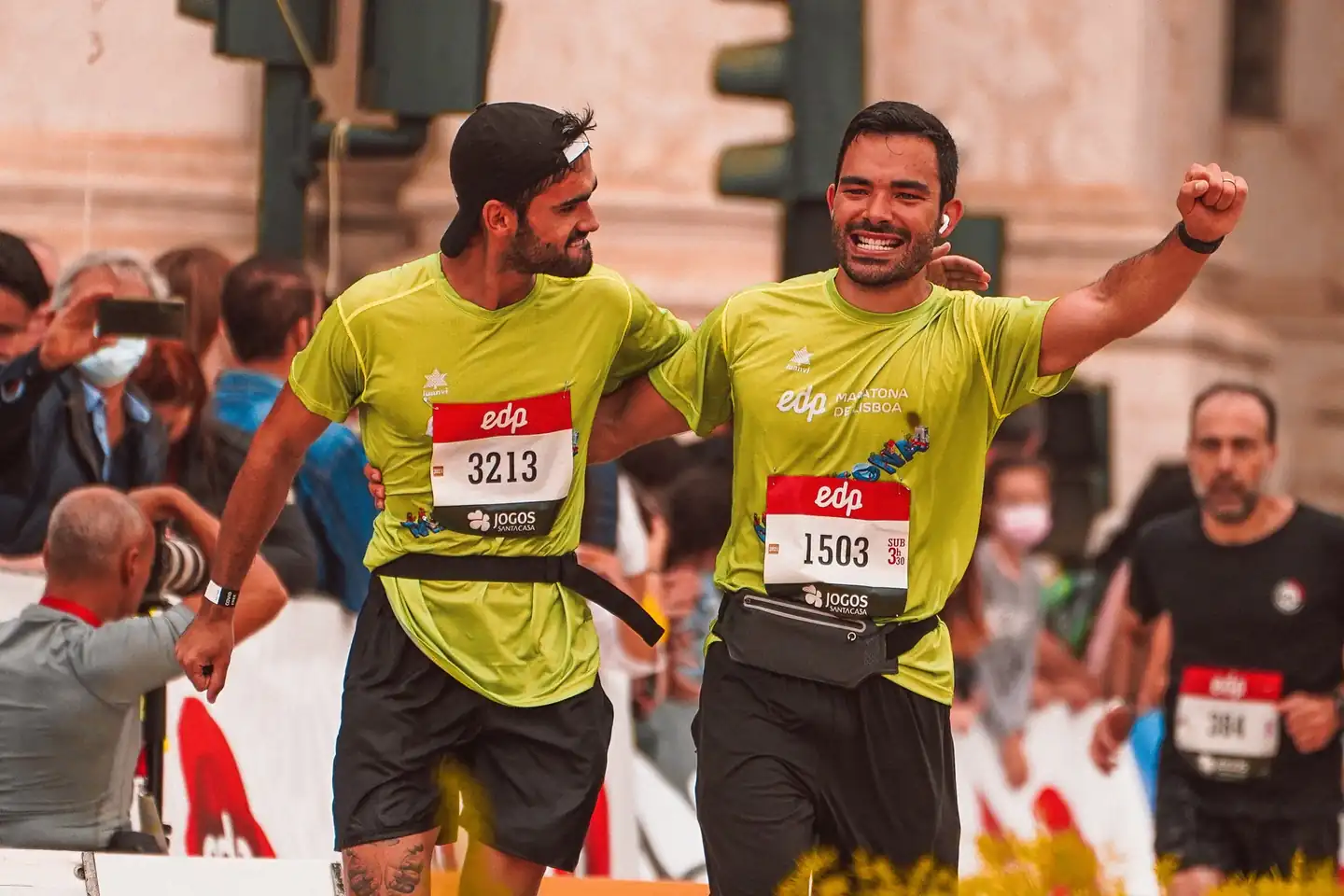
The EDP Madrid Half Marathon in its women’s format combines two urban courses of 21.0975 km and 6 km with a very recognizable stamp: the city center, the atmosphere of a major popular event, and logistics designed for runners of all levels. The next edition is set for early December 2026 and keeps that mix of city race, event with history, and sporting showcase right in the middle of the autumn season.
The appeal of this event is not only in the main distance. The 6 km offers an entry point for those looking for a shorter experience, while the half marathon demands better pace management because of its urban route and the elevation changes typical of Madrid. The race has established itself as a specific reference for women within the capital’s calendar, with start and finish in the heart of the city and a clearly runnable profile, although with stretches that give nothing away.
An urban race with its own identity
Madrid gives character to any route, and this half marathon is no exception. Running through the center means sharing the road with wide avenues, emblematic buildings, and a crowd that usually gathers along the most visible parts of the course. That combination turns the experience into something more than just a sum of kilometers. The city accompanies you, but it also demands attention, because pace changes and small inclines appear when pushing too hard is least convenient.
The women’s edition also keeps an important symbolic component. It is not just a sporting call, but a race that has become associated with the mass presence of women in a setting traditionally dominated by large mixed races. That identity is noticeable in the atmosphere, in the coexistence of runners chasing a time, making their debut, or simply finishing the course, and in a start that usually has a festive tone without losing its competitive focus.
The expected date for the next edition is early December 2026, a window that usually offers milder temperatures for running than those at the end of the Madrid spring. Even so, December in Madrid can be cool first thing in the morning and much milder as the morning goes on, so managing warm-up clothing and the first stretch becomes more important than it may seem on paper.
Distances, profile, and what each option means
The race offers two official distances: 21.0975 km and 6 km. The half marathon is the main distance and the one with the greatest sporting weight, but the short route serves a very clear purpose within the event: it allows participation without the wear and tear of a full half marathon and opens the door to runners who want to experience the atmosphere of the day without taking on a prolonged effort. That balance makes the event more diverse than a purely competitive race.
In the half marathon, the urban course usually rewards those who know how to run smart. The first kilometers tend to feel easier than the last ones eventually do, and the classic trap is going out too fast because of the excitement of the atmosphere. Madrid, even on a course designed for the road, is not always flat. False flats and gentle uphill sections can punish the legs if the pace is set by impulse rather than by feel.
The 6 km, on the other hand, works under a different logic. It is a much more accessible distance, designed for those who prefer a brief but intense experience. It does not require the same training load or the same energy management, although it still demands respect for technique and effort from the very first kilometer. In a race like this, there is very little room for improvisation: you run fast from the start, but without losing composure on streets that are still the same as for the half marathon.
Course, start, and finish in the heart of Madrid
The route runs through central Madrid, with start and finish in Parque del Oeste according to the most recent reference for the women’s event, a choice that reinforces the urban dimension of the day and makes logistics easier in an area familiar to many participants. The course passes through emblematic streets of the city’s central axis and leaves very recognizable images, with stretches through wide areas, avenues steeped in history, and sections where the crowd usually creates that background noise that pushes more than it seems.
In the half marathon, the organization has historically managed five aid stations, enough for a distance in which hydration needs to be handled with care without turning every stop into a loss of time. That detail matters because managing the middle kilometers can decide a race that, on paper, looks straightforward. In Madrid, the accumulation of small efforts ends up weighing more than a single long climb or one especially demanding stretch.
The 6 km route shares part of the urban appeal of the main race and passes through some of the capital’s main streets, such as Princesa, Fuencarral, Gran Vía, and Alcalá in the historical reference available. That gives it a very visual, almost postcard-like dimension, and explains why this distance works so well for runners who value the setting as much as the clock. Even so, the fact of running through such recognizable streets does not make the effort any easier: the asphalt is still there, the work of the legs too, and the surroundings can be misleading more than once.
The start in Parque del Oeste adds a touch of logistical convenience and a clear sporting reading: the green surroundings give some room to organize the pre-race buildup without the feeling of being immediately trapped on a big avenue. But once the race gets underway, the city center takes over. And with it come the turns, the pace changes, and that tension of a well-run popular race that often gets decided in the final part, when looking at the group no longer helps and only your own legs matter.
Registration, runner’s fair, and bib pickup
Registration has been free in some editions, according to publicly available information from previous references. That should not be taken as an automatic guarantee for future editions, but it does suggest that at certain moments the event has been conceived with a broad participation spirit. In any case, the real value of registration is not only in the price, but in the full experience: bib, dedicated fair, and participation in a unique race within Madrid’s calendar.
The Runner’s Fair was held in previous editions at the ABC Serrano Shopping Center, with extended hours during the Saturday before the race. There the chip and bib were collected, a practice that requires some advance planning because there is usually no pickup on race day itself. That logistical detail, which may seem minor, ends up being crucial in an urban race where the time before the start disappears quickly between travel, bathrooms, warm-up, and gear checks.
The organization also established in previous editions individual, veteran, and relay team categories, a formula that broadens the participation profile and makes room for different levels of ambition. Not every runner approaches the half marathon with the same goal: for some it is a time, for others a shared day, and for many a distance that invites precise effort management. The team format reinforces that idea of an open, almost choral event, even if the clock still has the final say.
How the race feels in practice
The women’s Madrid Half Marathon is not run only with the legs. It is also run with the emotional management of a large start, with reading the course, and with controlling pace in an environment where the urban references invite you to run faster than you should. The first streets may seem easy because the excitement makes them feel lighter, but the race is decided when the euphoria fades and the real work remains: breathing, cadence, and the ability to hold the pace.
That balance between atmosphere and demand explains why the race is interesting both for first-timers and for more experienced runners. The event leaves room for a social participation, yes, but it is not a decorative race. If you approach the half marathon with ambition, the margin for error is small. If you approach it calmly, the course lets you enjoy the city without the effort turning into an unnecessary battle. The line between the two is thin, and in Madrid it shows more than it seems when the pack stretches out.
The 6 km distance works as a kind of counterpoint. It is short, direct, and very visual, and for that reason it allows for an almost instinctive race, although it is always worth remembering that urban asphalt punishes more than the nominal distance suggests. In races like this, the initial acceleration usually feels easy during the first stretch, but the real challenge comes in maintaining the intensity without emptying yourself too soon. Short does not mean simple; it means different.
What makes this event unique within the Madrid calendar
Madrid has several half marathon races, but this women’s proposal occupies a particular space. It does not compete only on kilometers, but on focus, target audience, and a way of presenting running through the lens of female participation. In a city that hosts events with enormous media and sporting weight, this format stands out for its specific identity and for being a dedicated event, not a generic one.
The choice of Parque del Oeste as the start and finish reference, the presence of its own fair, and the existence of a complementary short distance make the race work almost like a small themed day within the athletic weekend. That design helps explain why it continues to draw attention: it does not just offer a bib and a course, but a more complete experience, with a clear narrative and a strongly urban base.
The early December calendar also gives it a different personality. Compared with spring races, where temperatures can start to rise sooner than desired, here the setting is usually more manageable. That favors both those looking to finish feeling good and those chasing a reasonable time, always within the logic of an urban race with lively stretches and no total mercy in the profile.
What is worth noting before stepping onto the start line
The key is not to underestimate the course. Although the Madrid Half Marathon is not among the extreme races, it does punish those who get carried away by the excitement of the first kilometers. The combination of city, possible elevation, and runner density can create a false sense of ease. Later, when the tougher stretches appear or simply the longer-than-expected ones, the time lost is paid for dearly.
Hydration matters even though the date is in winter. In an urban half marathon, it is not just about drinking because of the heat, but about reaching the finish feeling that the effort has been managed well. The same goes for the warm-up: in a start like this, beginning cold can be a bad idea, especially if the planned pace is brisk or if the start gathers many participants and forces you to run the first meters patiently.
The social context of the race also matters. The event is linked to an idea of participation and visibility that sets it apart from other calls that are more technical or more focused on the clock. That does not make it less demanding; it simply changes the way it is experienced. The goal is not just to cross a line. It is to do so in an event that blends sport, city, and female presence in a very recognizable way, almost like a snapshot of Madrid running in autumn.
A finish that matters as much for the clock as for the context
The EDP Madrid Half Marathon (Women’s Race) keeps its own place because it brings together useful facts and a very defined identity: 21.0975 km or 6 km, city center, start and finish in Parque del Oeste, a dedicated fair, and an edition planned for December 2026. It does not need excessive embellishment to be appealing; its combination of a recognizable route, city atmosphere, and a format designed so that many runners can see themselves in it is enough.
At a time when races compete for visibility, this proposal keeps a clear logic. It offers a serious distance, a short option for those who prefer another level of demand, and an urban setting that turns every kilometer into a different scene. Madrid, with its mix of openness and toughness, does the rest. And precisely for that reason the event still makes sense: because it does not promise an easy path, but a clear and well-placed experience in the calendar.
For the informed runner, the most valuable thing about this race is understanding that it is not just any half marathon. It is a race with identity, with recent history, and with a very Madrid-like reading of effort: an orderly start, a city center that vibrates, and a finish that rewards both control and ambition. That is where its strength lies, and also its journalistic interest.
Where to stay in Madrid
Hotels available 29 November – 2 December 2026.
Affiliate links: if you book through this map we earn a commission, at no extra cost to you.



How to prevent thigh chafing: causes and real solutions

Women’s running windbreakers: seven jackets and how to choose

Do more workouts get rid of soreness? A guide for runners

Jaén Half Marathon 2026: Record 3,800 Runners Registered

Men’s short running tights: how to choose the right pair

World Triathlon confirms data breach involving medical data

Izan Edo targets podium at Miyazaki World Cup

María Pérez ranks ninth in World Athletics’ 2026 top ten

Dos Santos, Duplantis and Sawe: World Athlete of the Year finalists

San Silvestre Vallecana 2026: 42,000 places, prices and start times

 Races3 months ago
Valencia Half Marathon 2027: date and registration

 Races3 months ago
Valencia Marathon 2026: entry, ballot and course

 Reviews and Comparisons4 months ago
Asics Gel-Roadmiles 3 for men: review and current price

 Reviews and Comparisons4 months ago
Asics Gel Sonoma 8 Gore-Tex: complete analysis for trail and rain

 Sneakers3 months ago
Saucony Endorphin Pro 4: full review and verdict

 News5 months ago
Strava API 2026: what changes for clubs, challenges and runner apps?

 Reviews and Comparisons5 months ago
Nike Alphafly 3: opinions, sensations, and real key points

 Reviews and Comparisons4 months ago
Under Armour running shoes review 2025-2026: models and key features

 Sports Equipment4 months ago
Shoe sizes in cm: a clear guide to getting the right fit for your footwear

 Sneakers3 months ago
Skechers GO RUN Consistent 2.0 analysis: comfort and limits

 News5 months ago
Valencia Marathon 2026 route: key tips to train and run better

 Sneakers4 months ago
Adidas Adizero Boston 13 for men: review and verdict