Races
North Shore Marathon: dates, course, and key details of the race
Duluth brings together lake, tunnels, and an urban finish in a cycling event with several distances and a very well-defined schedule.

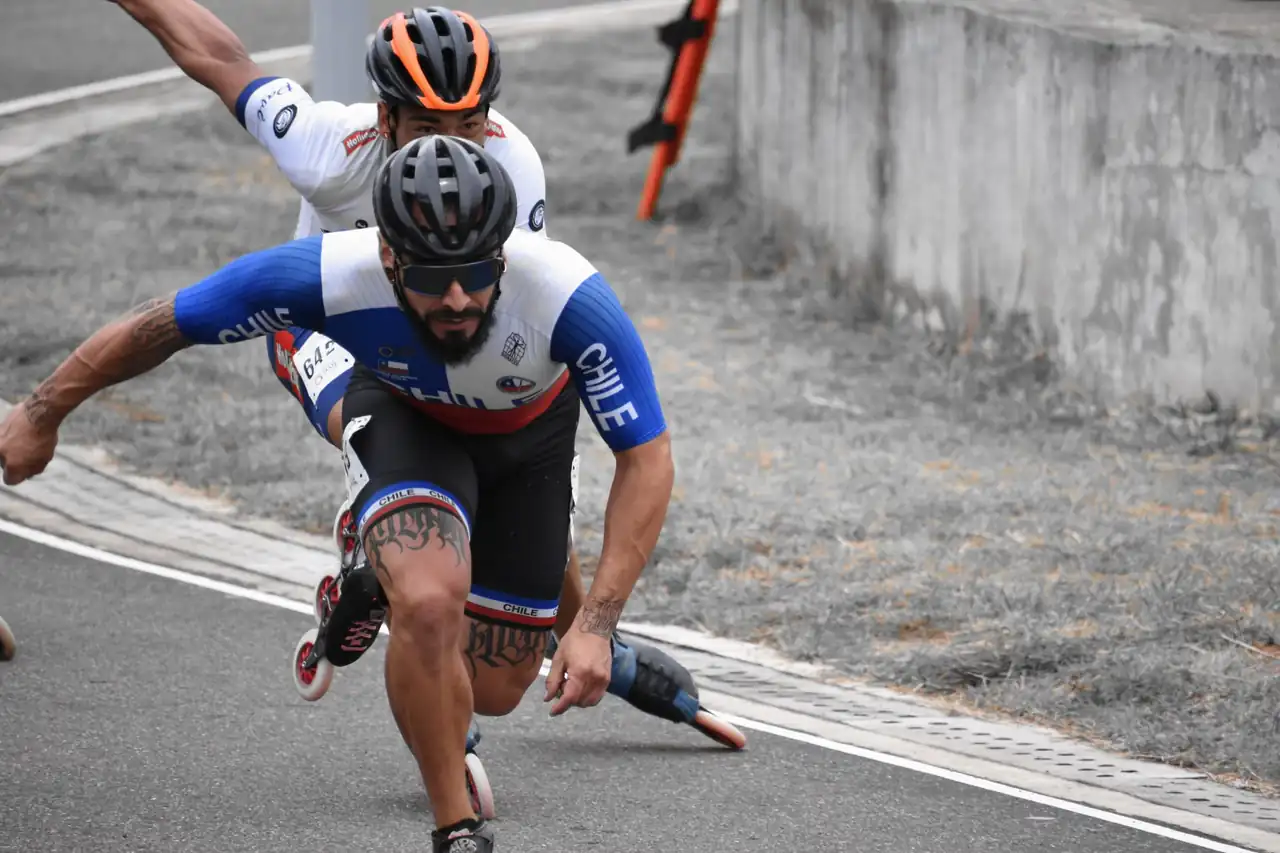
The North Shore Marathon turns Duluth, Minnesota, into a setting of contained speed, open landscape, and a city finish. The 2026 edition is set for September 19 and once again brings together skaters, rollerskiers, and runners in a single event, with staggered starts, a route along the shore of Lake Superior, and a finish beside the historic William A. Irvin — a finale that concentrates the pulse of the entire day.
The race has established itself as the largest point-to-point wheels marathon in North America and, moreover, is part of the World Inline Cup as a PremiumClass event. That detail not only reinforces its international prestige; it also explains why it attracts both elite athletes and recreational participants on the same weekend. The combination of closed roads, urban tunnels, and long views over the lake sets it apart from any more conventional circuit.
A benchmark event for long-distance skating
On the international calendar, few events have such a strong identity. The NorthShore Inline Marathon is not limited to offering a classic marathon, but instead builds a complete sporting experience around the north shore of Lake Superior. The course unfolds with an almost cinematic visual logic: the shoreline accompanies the participant for much of the route, while the road draws a sequence of gentle descents, fast straightaways, and changing scenery that carries the race from open landscapes to the heart of Duluth.
That point-to-point character is one of its most valuable hallmarks. This is not about laps around a circuit, but about covering a real stretch of territory, with a sense of constant progress. For many participants, that passage from nature to the urban center feels almost like a crossing. And in a discipline where technique and stability matter as much as endurance, the route has earned a reputation for being fast, fluid, and reasonably kind to race pace.
The organization has also managed to broaden the event’s scope. In addition to the main distance, the program includes a half marathon, a 10 km tunnel race, and combined formats, along with long-distance rollerski variants and running events on some segments. This openness allows the event to run at several speeds at once, from specialists looking for ranking points to those who want to experience the atmosphere without taking on the full demands of 42.195 kilometers.
The course: Lake Superior, I-35, and a finish with its own identity
The route is the event’s main selling point. The start is located north of Duluth and sends participants south along the shoreline. The setting is the kind that feels clean and crisp at dawn: cold water, northern air, wide pavement, and an open horizon over Lake Superior. The elevation profile is gentle, with smooth stretches that make it easier to hold cadence and better read each curve of effort.
One of the most memorable features is the passage through a closed section of Interstate 35 and through the Duluth tunnels. Few events offer anything like it. Rolling through infrastructure built for traffic, emptied for competition, has a touch of strangeness that quickly becomes part of the appeal. The sound changes, the light compresses, and the route takes on an almost underground intensity, as if the course were hiding a secret before sending the athlete back to the surface.
The finish also leaves a strong imprint on those who start. The arrival beside the William A. Irvin, the historic cargo ship docked at Canal Park, creates a highly recognizable image: water, steel, spectators, and finish-line markings. The crowd gathers in the final stretch and drives the closing moments with the energy typical of major popular events. That mix of industrial landscape, waterfront promenade, and celebratory atmosphere gives the race a character that depends on more than just the clock.
Distances, disciplines, and a program that goes beyond the marathon
The main event remains the skate marathon, at 26.2 miles, but the official lineup goes much further. The organization also includes a half marathon, a 10 km tunnel race, and a 39.3 combined event, as well as long- and middle-distance rollerski disciplines. It is a smart formula, because it widens participation without diluting the value of the premier distance.
That range of options has another virtue: it organizes the weekend by level of effort. Those seeking an intense but manageable experience can choose the half marathon; those wanting a short and unusual effort will find the 10 km tunnel race a distinctive option; and those comfortable with endurance racing will see the marathon or the combined events as a natural fit. At the same time, the presence of rollerskiing reinforces the event’s multisurface character and attracts very specific technical profiles.
The mix of disciplines also encourages coexistence between different paces. The North Shore Marathon is not conceived as a single race with one narrative, but as a sporting block in which different levels of ambition coexist. That explains why the atmosphere is so varied: elite athletes, clubs, experienced amateurs, and participants who view the race as a personal challenge share the city, hotels, transport, and, in many cases, the same stretch of road.
Why the event attracts skaters of all levels
The fast course helps, but it does not explain everything. The race works because it combines very clear logistics with an accessible atmosphere. The underlying message is simple: all skaters are welcome. That idea, repeated by the organization, is not just a slogan. It translates into staggered schedules, wave starts, and a weekend in which the main event coexists with shorter or less technical options.
There is also an emotional factor that matters. The event takes place at a time of year when the north of the continent begins to leave behind the harshest heat and offers cleaner temperatures, often very favorable for performance. In a sport where asphalt and excessive heat can be punishing, that early autumn climate helps explain the event’s prestige. The atmosphere is competitive, but not hostile; demanding, but easy to read.
The 2026 edition, moreover, comes with the added incentive of World Inline Cup points. The race awards up to 120 points for the overall standings and distributes $15,000 in prize money within its PremiumClass category. That competitive weight raises the interest of top specialists, but it does not erase the event’s popular character. On the contrary, it adds another layer: the chance to see high-level sport coexist with the communal experience of a major day on wheels.
Schedules, bib pickup, and the rhythm of the weekend
The organization concentrates much of the activity into two days. On Friday, September 18, 2026, bib pickup and the Rollerblade Health Expo take place at the Duluth Entertainment Convention Center, known as DECC Pioneer Hall, from 12:00 to 21:00 for bib pickup and from 15:00 to 21:00 for the expo. That pre-race window serves as a practical prologue: materials are collected, the atmosphere is checked out, and the main day is prepared without unnecessary rush.
On Saturday the 19th, start times are staggered from very early on. The half marathon for skating, rollerskiing, and running begins at 6:45, while the walking half marathon starts at 7:00. The 10 km tunnel race is held at 7:45 in its skating version and at 8:00 for running. The skate marathon starts with anthems at 8:35, elite calls at 8:40, and staggered starts from 8:45 for the men’s elite and 8:50 for the women’s elite, before the different waves beginning at 9:00.
That highly detailed schedule is not just bureaucratic decoration. In long-distance wheels events, timing is part of both safety and performance. Buses, waves, and category separation allow the road to function smoothly and each group to find its place. The result is a large but orderly choreography, with little improvisation and a heavy reliance on punctuality.
What each entrant receives and why it matters in a race like this
Registration includes a personalized finisher medal, a 2026 bib with name, a finisher T-shirt, and access to Oktoberfest. It may sound like a standard package for a major event, but here it serves a broader purpose: it turns participation into a recognizable experience, with tangible elements that extend the memory of the race beyond the clock. The medal and the T-shirt are not just extras; they act as physical proof of a long and well-executed day.
Age-group awards and podium spots for the top three in each category are also included. In an event of this size, these recognitions help sustain competitive drive across the field, even among participants who are not aiming for the overall win. The existence of different levels of achievement keeps interest alive throughout the standings and prevents the event from becoming a contest for only a few.
The health and gear expo adds another layer of value. With more than 70 exhibitors, the pre-race space becomes a meeting point for manufacturers, brands, and racers. It is not a monumental trade show in size, but it is in function: it concentrates the week’s technical conversation, from wheels and helmets to the small logistical details that make a competition of this caliber more comfortable.
An event with memory, community, and sporting ambition
The voices of past participants help explain why the North Shore Marathon continues to grow in prestige. Recurring reviews speak of a family-friendly atmosphere, a very open community, and a course that leaves a lasting impression. In a sport where the solitude of effort often dominates the narrative, this race introduces something different: a sense of belonging that comes not from size alone, but from the way the weekend is organized.
The event’s history matters too. Over the years it has steadily built an identity tied to Duluth and the shore of Lake Superior, becoming one of the most recognizable names in long-distance skating. Its mix of landscape, tradition, and performance has led it to be described as one of the most memorable routes in the country, with a final city approach that many participants consider unique.
At its core, that is its greatest asset: it does not rely solely on international prestige or on the number of entrants, but on a combination of factors that reinforce one another. Fast course, distinctive route, open atmosphere, and iconic finish. Few events balance those four elements so naturally. That is why the North Shore Marathon reads not just as a competition, but as a finely tuned piece of the wheels calendar.
What Duluth leaves behind when the race noise fades
When the final wave is over and the bustle moves toward the waterfront, the city leaves a clear impression: here the race does not override the place, but becomes part of it. Duluth contributes the lake, the road, and the port; the event returns movement, visitors, and a powerful sporting image. The relationship between city and event is visible and concrete, something you notice at the finish line, at the expo, and in the conversation that lasts throughout the day.
For the runner or skater looking for major events with personality, that balance matters a lot. There is no need to sell catalogue-style epicness: just seeing the sequence of start, tunnel, shoreline, and finish is enough to understand that the race has its own narrative. The North Shore Marathon 2026 once again builds on that script, with a prestige that comes not from artifice, but from a memorable route, highly polished organization, and a landscape that, on its own, already seems to push forward.
You may also like: Baxters Loch Ness Marathon: route, date and key points of the major marathon.



How to prevent thigh chafing: causes and real solutions

Women’s running windbreakers: seven jackets and how to choose

Do more workouts get rid of soreness? A guide for runners

Jaén Half Marathon 2026: Record 3,800 Runners Registered

Men’s short running tights: how to choose the right pair

World Triathlon confirms data breach involving medical data

Izan Edo targets podium at Miyazaki World Cup

María Pérez ranks ninth in World Athletics’ 2026 top ten

Dos Santos, Duplantis and Sawe: World Athlete of the Year finalists

San Silvestre Vallecana 2026: 42,000 places, prices and start times

 Races3 months ago
Valencia Half Marathon 2027: date and registration

 Races3 months ago
Valencia Marathon 2026: entry, ballot and course

 Reviews and Comparisons4 months ago
Asics Gel-Roadmiles 3 for men: review and current price

 Reviews and Comparisons4 months ago
Asics Gel Sonoma 8 Gore-Tex: complete analysis for trail and rain

 Sneakers3 months ago
Saucony Endorphin Pro 4: full review and verdict

 News5 months ago
Strava API 2026: what changes for clubs, challenges and runner apps?

 Reviews and Comparisons5 months ago
Nike Alphafly 3: opinions, sensations, and real key points

 Reviews and Comparisons4 months ago
Under Armour running shoes review 2025-2026: models and key features

 Sports Equipment4 months ago
Shoe sizes in cm: a clear guide to getting the right fit for your footwear

 Sneakers3 months ago
Skechers GO RUN Consistent 2.0 analysis: comfort and limits

 News5 months ago
Valencia Marathon 2026 route: key tips to train and run better

 Sneakers4 months ago
Adidas Adizero Boston 13 for men: review and verdict