Races
Total Tri Mallorca International Triathlon 2026: date and venue
Dates, venues, routes and fees for the great Balearic triathlon that kicks off the season with three distances and a coastal setting.

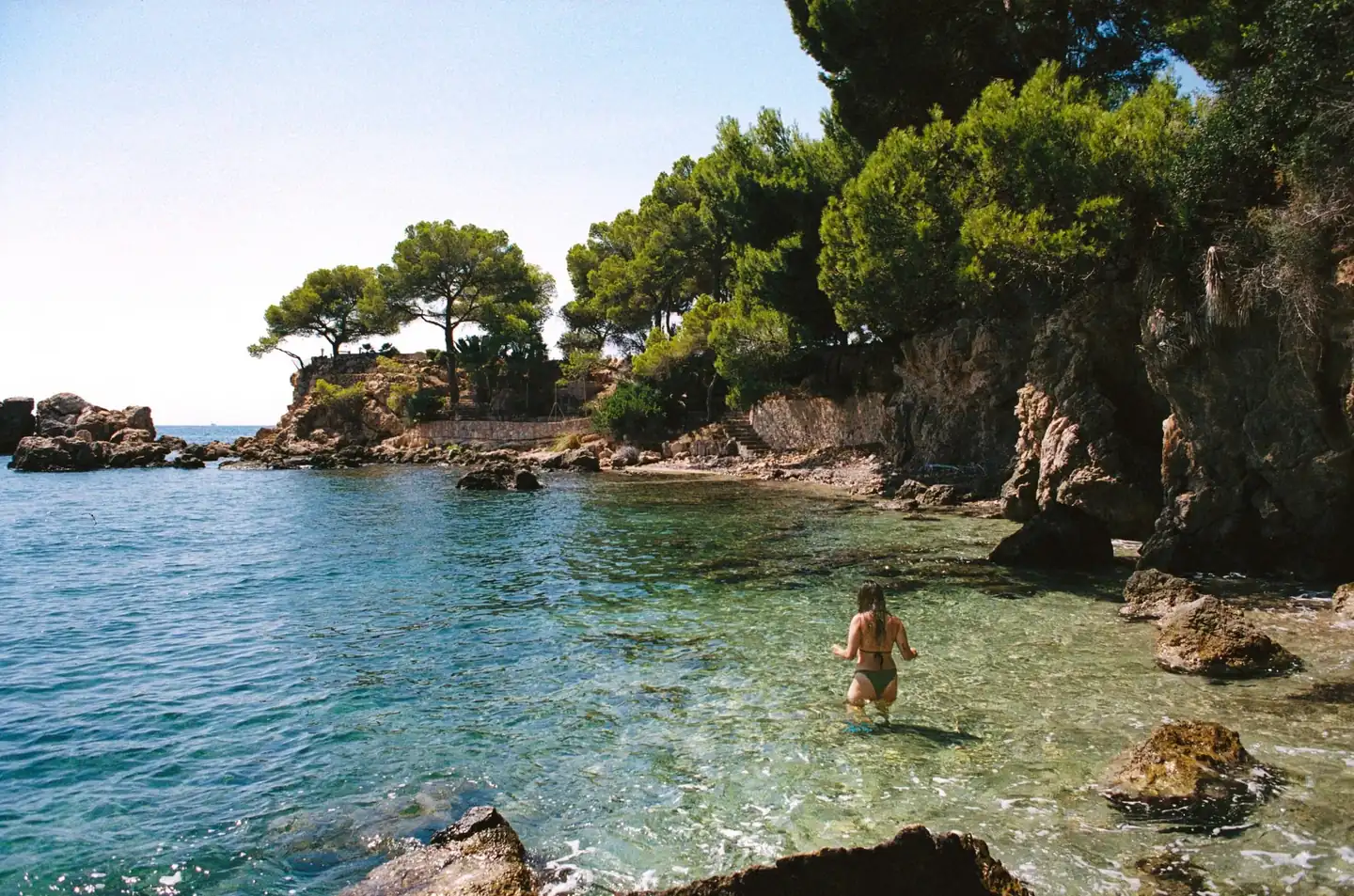
Total Tri Mallorca is once again shaping the opening of the calendar with an edition set for March 29, 2026 in Cala d’Or, starting from Playa Cala Gran and featuring three courses ranging from the short distance to the half-distance format. The event, linked for years to Cala Millor and relocated to the southeast coast of the island, retains the hallmark of an international event with a Mediterranean feel: clear water, fast courses, and a finish in an environment designed to extend the stay beyond the competition.
The combination of swimming, cycling, and running makes this event a benchmark for triathletes looking for a demanding but very manageable race, with staggered start times and the usual race services found at top-level events. Registration is structured with different prices by category, and the organizers have also confirmed race bib pick-up on the previous Saturday in Plaça Eivissa, a detail that confirms the logistical weight of the event and its ambition to be a full sports weekend.
An event that has changed setting without losing its identity
Total Tri Mallorca was born as an international coastal triathlon and, over the years, has built a recognizable image tied to Mallorca as a sporting destination. The move from Cala Millor to Cala d’Or has not altered that DNA. On the contrary, it has strengthened the tourist appeal of a race that is not limited to the stopwatch, but instead uses the landscape to build a complete experience.
The current venue places the start at Playa Cala Gran, on Carrer Marquès de Comillas, a location that clearly sums up the event’s approach. It is a start by the sea, with the blue horizon as the first postcard and a coastline that accompanies both participants and supporters. The finish, also in Cala d’Or, maintains the logic of a closed circuit, which makes organization easier and helps spectators follow the progress of the race without long walks.
From a journalistic point of view, the venue change fits a trend increasingly visible in European triathlon: races are seeking towns with good hotel capacity, easy access, and courses capable of attracting athletes of different levels. Cala d’Or, in the municipality of Santanyí, fits that profile with its mix of beaches, marinas, and a compact urban offering, without the noise of more crowded destinations.
The official distances and the profile of each start
The 2026 edition offers three categories: 1/3 full triathlon, Olympic, and small triathlon. These are not just commercial names; each format shapes the effort and the strategy. The longest distance is designed for those seeking a serious endurance day, while the Olympic and short events allow for racing with less accumulated fatigue and a more accessible intensity curve.
According to the available information, the 1/3 full includes 15 km of swimming, 130 km of cycling, and 60 km of running, with a start at 09:00. The Olympic consists of 1,500 meters of swimming, 42 km of cycling, and 10 km of running, starting at 10:00. The small triathlon is scheduled with 500 meters of swimming, 30 km of cycling, and 5 km of running, beginning at 11:15. In the language of international categories, these distances place the event in the road triathlon arena, with a rising order of difficulty that opens the race to very different profiles.
The swimming takes place in the waters of Cala Gran, and the cycling segment follows a route toward Manacor and back, while the run unfolds along the Mediterranean coast. The overall layout favors steady pacing, with fewer technical surprises than in other mountain triathlons or more broken courses. Even so, the Balearic terrain and the wind can change the reading of each section, especially on the bike, where effort management often matters as much as raw power.
Timetables, bib collection, and the logistics that shape the weekend
The organizers have scheduled race pack collection for Saturday, between 15:00 and 18:00, in Plaça Eivissa. That seemingly secondary detail says a lot about the event’s approach. In triathlon, what happens the day before matters almost as much as performance the next day: equipment preparation, chip verification, bib check, and a final look at the course before switching into race mode.
It is also stated that another person may collect the bib as long as they bring the participant’s ID document. That flexibility reduces travel friction and fits well with a race that, due to its international nature, welcomes athletes arriving in groups, with companions, or after flights and transfers that force schedules to be adjusted until the last minute. There is no epic without logistics, and this kind of detail makes that clear.
The staggered schedule format is useful for organizing a long day in which athletes of very different profiles coexist. The 1/3 full opens the morning, the Olympic takes over, and the short race closes the program. In practice, this distributes spectator attention better, avoids congestion, and gives the organizing team more room to manage transitions, nutrition, safety, and recovery.
What the course contributes from a sporting perspective
The sporting value of Total Tri Mallorca lies in its balance between beauty and technical control. It is neither an extremely grueling mountain triathlon nor a flat urban race with no tactical nuance. Its main appeal lies in the combination of three segments fitting neatly into a coastal setting that invites a steady run and a smart ride.
Swimming in a sheltered beach environment usually offers a more approachable visual reference than other open-water starts, although the water still has the final say. In triathlon, the first buoy is a small test of nerves. Those who start too aggressively pay the price on the bike. Those who are too conservative, on the other hand, may lose contact in a race where differences are made from minute one.
The bike leg to Manacor and back introduces the most important strategic element of the day. Out-and-back courses tend to reward those who manage their energy well, know their sensations, and read the wind without drama. On the run, the coast gives the race a friendlier appearance again, but the accumulated fatigue turns any flat section into a tense conversation between breathing and stride.
That is why this triathlon works so well for athletes of different levels. The scenery softens the perception of effort, but does not erase it. Mallorca’s beauty acts as a backdrop, not a shortcut. And that is one of the reasons the event remains attractive year after year: it allows serious racing without giving up the destination’s holiday character.
Registration prices and access structure
The reference prices published in Elitechip information set the individual entry at 157 euros for the 1/3 full, 102 euros for the Olympic, and 82 euros for the small triathlon. In team format, the 1/3 full is listed at a cost of 181 euros. These are useful figures for anyone comparing similar races on the Spanish calendar, especially in a context where triathlon event prices have risen significantly in recent years.
The fee should not be read as an isolated number. In this type of competition, the cost reflects several factors: road closures, safety, technical staff, timing, aid stations, medical support, and transition logistics. The race experience also gains clear added value by being held in a tourist area with strong hotel demand, something that affects both the athlete and their entourage.
The organizers also indicate that the price listed may not include processing fees. That nuance matters because it avoids false comparisons with other races where the visible price does not always match the final amount. In road triathlon, fee transparency has become an important part of the relationship between organizer and participant.
The event’s evolution and its place in the Balearic calendar
Previous editions show striking continuity: 2018, 2019, 2021, 2022, 2023, 2024, and 2025 have marked the project’s evolution, with an intermediate pause and a subsequent adjustment of venue and date. That persistence helps explain why the name Total Tri Mallorca continues to be recognized among triathletes and multisport fans in Spain and abroad.
The passage through Cala Millor, the link with Club Triatló Manacor, and the move toward Cala d’Or reflect a natural transformation in events that want to survive changes in calendar, sponsorship, and venue availability. In triathlon, continuity rarely depends on a single variable. The beach, the roads, the town hall, the tourist calendar, and the organizational network all form a delicate mechanism.
The 2026 edition therefore comes across as a sign of maturity rather than just another return. It keeps the international spirit, preserves the coastal logic, and adapts the sporting product to a destination that can sell itself. In a market full of cookie-cutter races, this event maintains a clear personality: sea, asphalt, landscape, and a sense of athletic getaway that needs no excessive embellishment.
Race services and the participant experience
Registration includes a rented timing chip, drink and nutrition stations, medical assistance, bag drop, toilets, and showers. These are not just extra amenities. In triathlon, each of these elements can affect performance and the overall perception of the day. An orderly transition area, sufficient hydration, and visible medical support are part of the basic assurance any participant expects.
The presence of showers and bag drop also reinforces the profile of an event designed for travelers. Mallorca offers the setting for a short or extended getaway, and this kind of service makes the end of the race feel less abrupt. The athlete comes out of the effort, changes at a relaxed pace, and can extend the day without being tied to minimal infrastructure.
The event also leans on a clear tourist narrative: sport, beach, and a stay in a Mediterranean setting with hotels, a marina, and nearby promenade areas. In Cala d’Or, the triathlon does not feel like an alien body. It fits naturally into the landscape, almost as if the coast had been designed for the sound of running shoes and the hum of bikes on asphalt.
Why Mallorca remains a magnet for triathlon
The island brings together three elements that rarely appear so clearly at once: favorable weather, an attractive environment, and infrastructure capable of hosting international events. That combination explains why Mallorca has become a recurring venue for triathlon, both in mass-participation races and in more ambitious sporting events.
The southeast coast, in particular, offers the kind of setting where competition and postcard scenery coexist without feeling forced. The coves, marinas, and coastal roads create a recognizable image for visitors and a course that is easy enough to read for racers. It is no coincidence that the event is presented as a product appealing to both athletes and their companions.
In a calendar saturated with races, the difference is not always in difficulty, but in the memory the place leaves behind. Total Tri Mallorca works precisely there: in the memory of swimming in front of a Mediterranean beach, linking bike kilometers with the sea at your side, and finishing the run along the coast, with tired legs and the feeling of having raced in a setting that truly leaves a mark.
The value of an event that blends serious sport and a travel destination
Total Tri Mallorca 2026 is interesting not only for its distances or fees, but for the way it turns triathlon into a destination experience. The race packs the classic language of multisport into a single day: sea, road, and running. But it does so in a setting where the scenery, weather, and logistics help make the effort feel like part of a broader landscape.
For the racer, that means competing with extra context. For the fan, it means following a race that needs no embellishment to be visually appealing. And for Mallorca, it means reinforcing a sporting identity that is already part of its tourist brand. When an event makes the island’s name and the race’s name feel almost like one unit, it has achieved more than continuity: it has earned a place on the sport’s emotional map.
The 2026 edition arrives with a confirmed date, defined courses, and a program that combines organizational precision with Mediterranean scenery. In triathlon, that is no small detail. It is, almost always, the foundation on which everything else is built.
You may also like: Ironman 70.3 Alcudia – Mallorca 2027: complete guide and Mallorca Olympic 2026: Colònia de Sant Jordi triathlon guide.



How to prevent thigh chafing: causes and real solutions

Women’s running windbreakers: seven jackets and how to choose

Do more workouts get rid of soreness? A guide for runners

Jaén Half Marathon 2026: Record 3,800 Runners Registered

Men’s short running tights: how to choose the right pair

World Triathlon confirms data breach involving medical data

Izan Edo targets podium at Miyazaki World Cup

María Pérez ranks ninth in World Athletics’ 2026 top ten

Dos Santos, Duplantis and Sawe: World Athlete of the Year finalists

San Silvestre Vallecana 2026: 42,000 places, prices and start times

 Races4 months ago
Valencia Half Marathon 2027: date and registration

 Races4 months ago
Valencia Marathon 2026: entry, ballot and course

 Reviews and Comparisons4 months ago
Asics Gel-Roadmiles 3 for men: review and current price

 Reviews and Comparisons4 months ago
Asics Gel Sonoma 8 Gore-Tex: complete analysis for trail and rain

 Sneakers4 months ago
Saucony Endorphin Pro 4: full review and verdict

 News5 months ago
Strava API 2026: what changes for clubs, challenges and runner apps?

 Reviews and Comparisons5 months ago
Nike Alphafly 3: opinions, sensations, and real key points

 Reviews and Comparisons4 months ago
Under Armour running shoes review 2025-2026: models and key features

 Sports Equipment4 months ago
Shoe sizes in cm: a clear guide to getting the right fit for your footwear

 Sneakers3 months ago
Skechers GO RUN Consistent 2.0 analysis: comfort and limits

 News5 months ago
Valencia Marathon 2026 route: key tips to train and run better

 Sneakers4 months ago
Adidas Adizero Boston 13 for men: review and verdict